
Gangnam Station underground. 6 PM. Office workers descend the stairs. Black suits, blank faces, fast pace. Everyone heads the same direction. Subway entrance. Escalator. Back to the office or home. Two choices only. This is daytime Korea. Korean nightlife hasn’t started yet.
9 PM. Same Gangnam Station. Same people, different. Their clothes are brighter. White shirts visible. Metal earrings catch the light. Their pace slows. They look around. They smile at someone they pass. Night Gangnam is a different city than day Gangnam.
This is what makes Seoul different.
Why Everyone’s Talking About Korean Nightlife
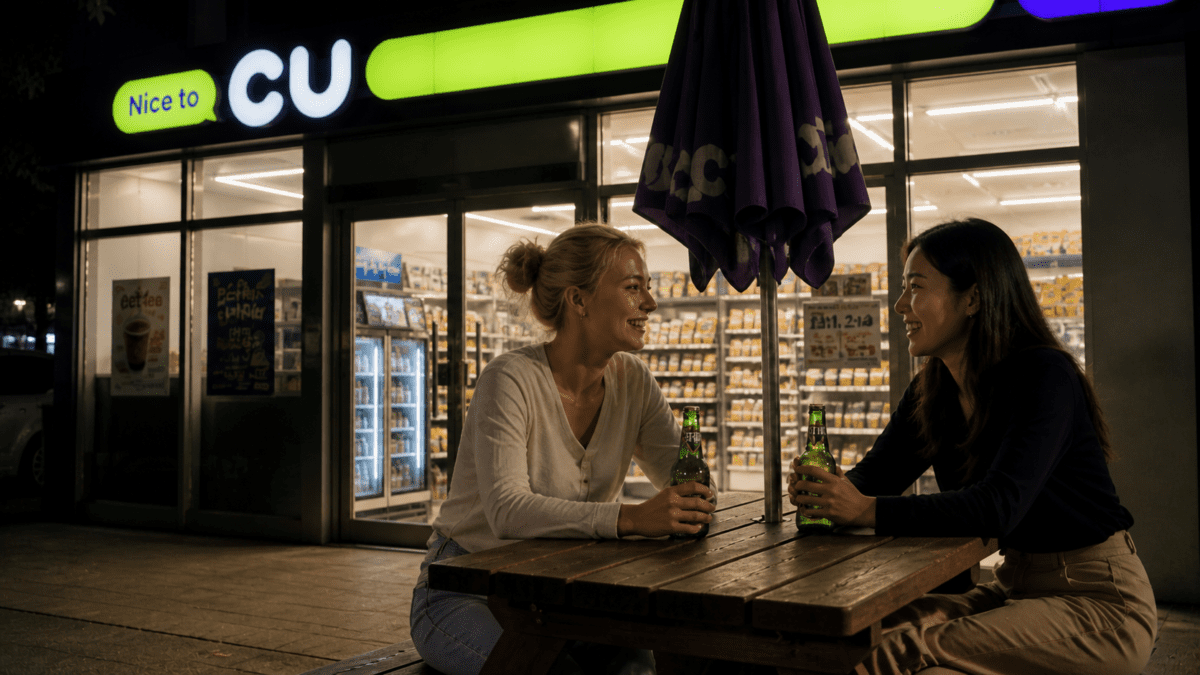
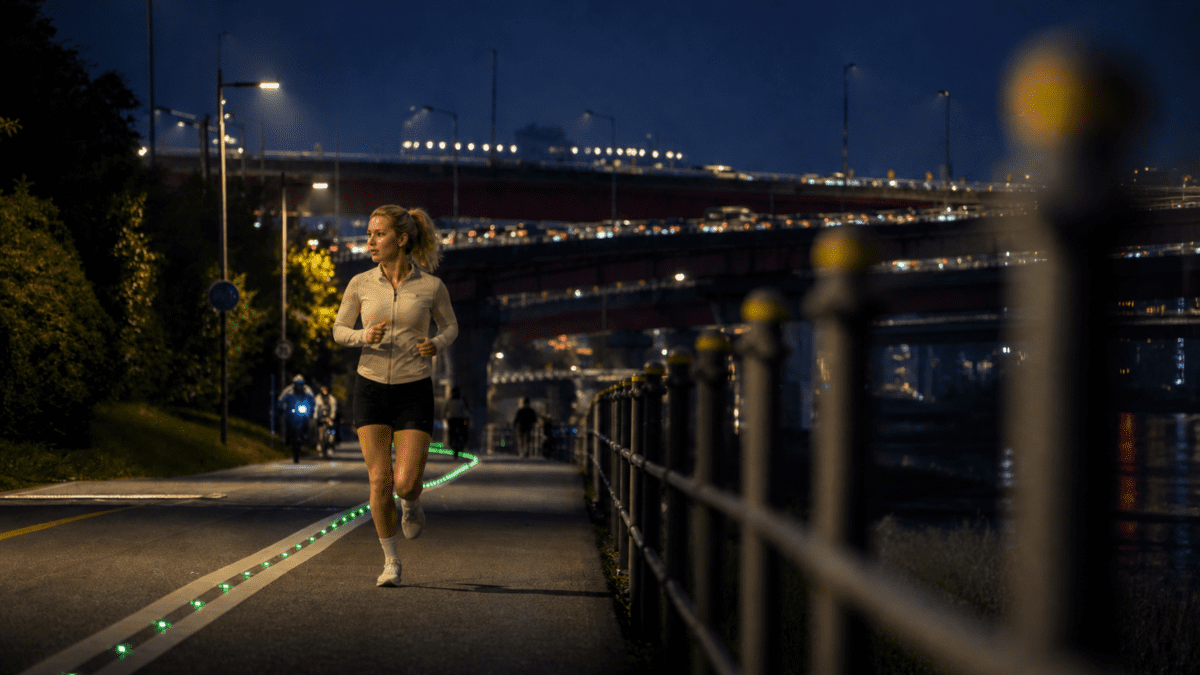
You’ve seen it on TikTok. Women jogging alone at 2 AM along the Han River. Friends at convenience stores at 3 AM just sitting, talking. Clubs packed at 4:30 AM on a Tuesday night. Foreigners are shocked. “This doesn’t happen where I’m from,” they post. Then they book a flight to see it themselves. They come, experience it, and post again. “It’s actually real. And it’s safe. I don’t understand.”
Korean nightlife isn’t an exaggeration. It’s real—but not in the way people assume.
Seoul operates on two systems: day and night. They aren’t compatible, but the city runs both at once, and people shift between them like changing clothes.
During the day, everything is predetermined. Commute time is 7-9 AM—everyone moves the same direction at the same speed. Work happens 9 AM to 6 PM in climate-controlled offices. Your role is visible. Your job title, your income, your status—the daytime city makes all of it obvious to everyone around you. People move in straight lines toward fixed destinations. When you pass someone on the street, the first thing you notice is whether they’re above you, below you, or equal to you in some hierarchy. Hierarchy is visible. Position matters. Your place in the day determines how you move through it.
Night changes the code entirely. The system resets.
A startup founder sits next to a night-shift nurse at a pojangmacha (street tent bar). Neither knows what the other does. Neither cares. Nobody asks, “What do you do?” at midnight. The night version of the city doesn’t require that information. A 55-year-old office manager and a 23-year-old student can be at the same club, moving to the same beat, complete strangers, and it’s perfectly fine. Yes, you’ll see a woman jogging alone at 2 AM, or someone eating ramyeon at a tent bar at 3 AM. That’s not unusual here. It works because of structure—late-night foot traffic, widespread CCTV, and a culture that doesn’t intrude. They’re not making a statement. They’re just… existing differently.
In the daytime city, your role is fixed. You’re locked into it for hours. In the nighttime city, your role dissolves. You become just a person, moving through space, choosing what to do.
That’s why foreigners keep posting about this. It’s not normal where they’re from. The concept of a city where night doesn’t restrict you—where night actually expands your options—doesn’t exist in most Western cities after midnight.
The Neon Doesn’t Just Light the Streets—It Changes Who You Are
Walk through Gangnam at 6 PM. Ordered chaos. Everyone knows where they’re going. Faces are tired. Movement is efficient. People look down. Phones in hands. Walking fast. The goal is to leave work, get home, maybe stop at the gym. The street is a corridor between destinations.
Walk through Gangnam at 10 PM. Same streets, same sidewalks, completely different atmosphere. Red neon glows from pub signs. Laughter spills onto the pavement. The pace slows immediately. People stop at storefronts they walked past during the day. They linger. They read menus they didn’t notice before. They change their minds about where to go next. Someone suggests a different bar. No one checks their watch. The night absorbed time.
Myeongdong at night is brighter than Myeongdong during the day, even though the sun is gone. Neon signs that are invisible in daylight suddenly define the street. The storefronts that looked corporate and efficient in the afternoon become vibrant at night. Small restaurants that look ordinary in afternoon light become destinations when their signs glow and light spills onto the street. You can see inside—people laughing, eating, existing. The streets smell different—a mix of grilled meat, soju, hotteok (sweet pancakes), something savory. Possibility has a smell.
Hongdae at night is a music city. Live bands play from club doorways. Speakers pump hip-hop and K-pop into the streets. Street performers set up their own sound systems on corners. During the day it’s a shopping district—quiet, orderly, commercial. At night it’s an open-air concert where the whole neighborhood is the venue. The buildings don’t change. The streets don’t change. But the sound transforms everything.
Itaewon transforms completely. The daytime Itaewon is international restaurants and souvenir shops, orderly and touristy. The night version is queues outside clubs, neon-lit bars, a place where Korean 20-somethings socialize with foreigners without the awkwardness of the daytime version. The rules change. The dress changes—fewer formal shoes, more leather jackets. The energy changes. Even the smell of the air is different—less car exhaust, more street food, music, possibility.
The transformation doesn’t happen gradually. It’s not a fade. The moment the sun hits the horizon, the city switches operating systems. This is how Korean nightlife reshapes every neighborhood after dark.
Different People, Different Rhythms, Same Block
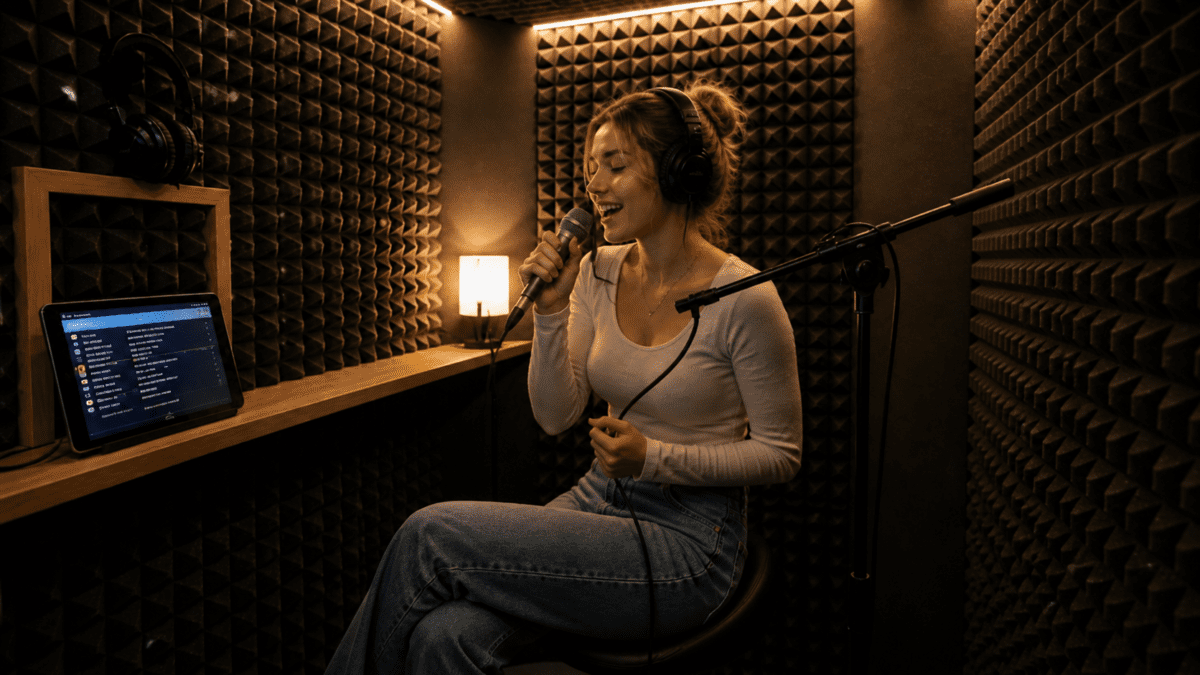
Here’s what foreigners don’t expect: the pace of nighttime isn’t uniformly fast or slow. It’s inconsistent. Multiple rhythms happening simultaneously.
At 11 PM in Gangnam, a finance director sits at a bar and finishes his drink in 30 minutes. He’s somewhere else at midnight. At the same bar, a designer sits for two hours nursing one beer, on her phone, occasionally talking to the bartender. Neither is wrong. The night doesn’t enforce a schedule. Time works differently.
Convenience stores at 2 AM are where this becomes obvious. A couple sits in the corner for an hour, just talking. A student cracks open textbooks. A night-shift worker grabs coffee before their shift. Nobody pays attention to anyone else. Nobody’s in a hurry. The convenience store is open 24 hours because people need to exist outside of schedule sometimes, and Korea accepts that.
Han River Park at 2 AM. This is the moment that makes foreigners’ eyes go wide when they see the photos. People are jogging. Running. Walking. At 2 AM. In most Western cities, a solo woman jogging at 2 AM would be unusual enough to be noteworthy (and unsafe enough to be unwise). In Seoul, she’s just someone who decided nighttime is when she runs. No one questions it. No one makes assumptions about it. She’s just… jogging.
This coexistence of different people doing completely different things in the same space, without judgment or coordination—this doesn’t exist in most Western cities after dark. Night in Seoul isn’t a time of reduced options. It’s a time of simultaneous, unrelated options all happening in parallel.
The chaos is organized. The freedom is structured. The randomness feels safe.
Time Stops Being a Ruler
In daytime Korea, time is a grid. You schedule your life in it. “9 AM meeting.” “12 PM lunch.” “6 PM finish.” Time dictates rhythm. Time controls flow.
At night, time becomes fluid.
Many clubs stay open deep into the night, and in practice the rhythm often matters more than the clock, but the culture treats it differently than a Western club’s closing time. Arriving at 4:45 AM isn’t too late—it’s just arriving. The night doesn’t care about the hour.
Pojangmacha (street tent bars) close when the owner decides to stop serving, which could be midnight or 4 AM depending on customer flow. Restaurants that advertise as “24-hour” actually operate as “open when people want to eat.” You show up at 3 AM and it’s bustling. You show up at 1 AM and it might be quiet. The operation adapts to presence rather than the schedule.
This reflects something deeper: daytime life in Korea is highly scheduled because work requires synchronization. Nighttime life is intentionally desynchronized. Your night is yours to structure. Your rhythm is your own.
The person jogging at 2 AM isn’t making an exceptional choice. She’s just not following the daytime schedule. The night gives her permission to invent her own.
This is the opposite of restriction. This is optionality.
Seoul’s night is real. It’s not marketing. It’s not curated for tourists (though tourists are showing up to see it). Many people in Seoul actually live like this. They didn’t build this culture for outsiders to document. They built it because they needed it. Because a culture that demands conformity during the day needs to offer freedom at night.
The same streets, same buildings, different rules.
Is it safe? Yes. The statistics back it up, but you’ll feel it before you see the data. You’ll see it in how people move. Relaxed. Unhurried. Unguarded. Women walk alone. Groups of strangers become friends on the spot. The risk that defines many other cities’ nights feels much lower here, or at least exists at a completely different frequency.
Is everyone doing this? No. But enough people are that it’s completely normal. That’s the key. It’s not unusual. It’s not transgressive. It’s just… another option Seoul offers. Another way to exist. Another version of yourself you’re allowed to be.
The next time you scroll through that TikTok of the woman jogging at 2 AM on the Han River in Seoul—when you see her running alone under the streetlights, moving at her own pace, in her own way—you’re not looking at an exception. You’re looking at what Seoul permits when the sun goes down.
What surprised you most when you first experienced Korean nightlife? Or if you haven’t yet—what would you want to experience first?
This post was planned and edited by a human, with AI assistance.