Naejangsan — The Mountain That Turns Red Last (Part 1)
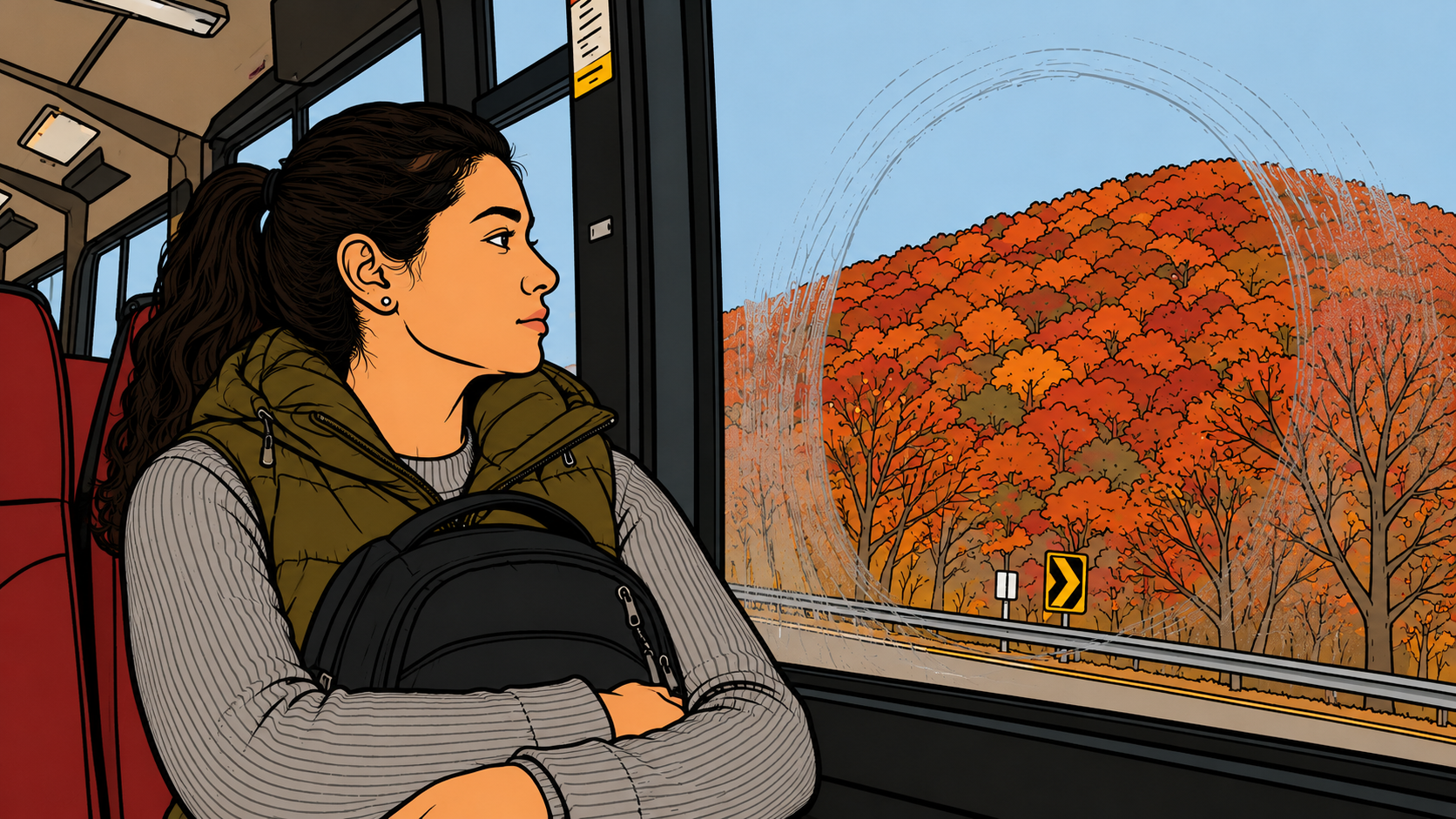
Korea autumn foliage runs latest at Naejangsan — by the time it turns, Seoraksan is bare. An early bus, a still pond, and a tunnel of red overhead.
 Kam Su Jin
Korea autumn foliage runs latest at Naejangsan — by the time it turns, Seoraksan is bare. An early bus, a still pond, and a tunnel of red overhead.

Standing up for yourself at work isn’t the first step — reading your own position is. Which silence are you in, the chosen one or the one with momentum?

Office politics isn’t always malice — credit flows upward by default. Here’s the mechanism that strips your name from your ideas, and how to read it.

Feeling undervalued at work rarely explodes — it leaks. You stop offering ideas, start keeping score, guard your best thinking. Here’s the cost.

Staying silent when someone takes credit isn’t weakness — it’s a fast, accurate read of who the room believes. Here’s what the silence bought, and cost.

Taking credit for others’ work has a name and a cost — here’s the moment your boss did it, why you froze, and what that silence in the room really meant.

How to stop quiet quitting isn’t about forcing motivation. There are three honest doors — wait, re-engage, or leave — and your timing tells you which one is yours.

You think the withdrawal is invisible. It isn’t. The signs of quiet quitting show up in tone and timing, and other people read them before you do.

The job is fine and you’ve checked out anyway. No motivation at work, no reason you can name — and that missing reason is the clue, not the failure.
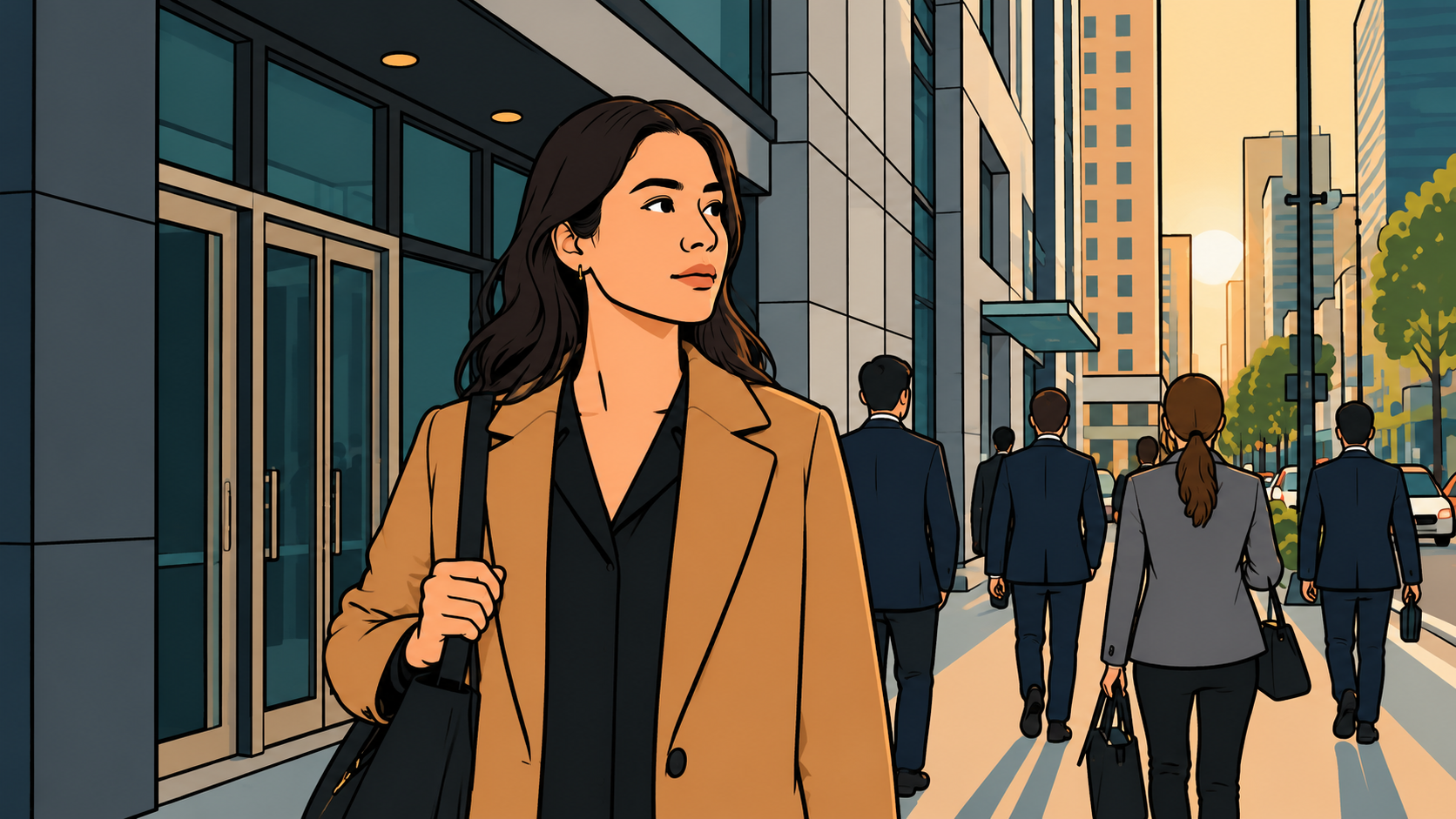
Setting boundaries at work and quietly checking out can look identical from the inside. One question tells you which pulling-back you’re actually in.