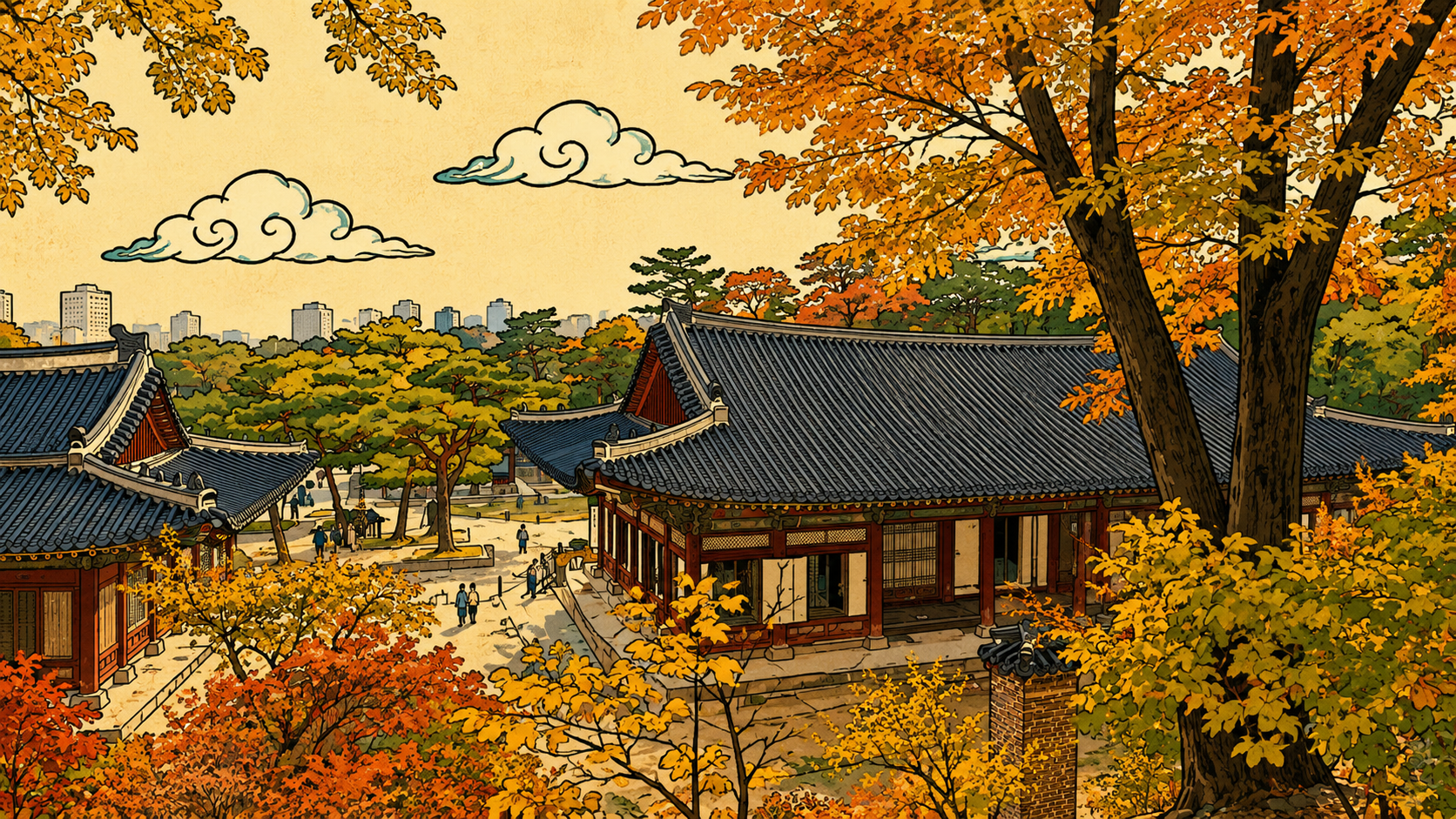
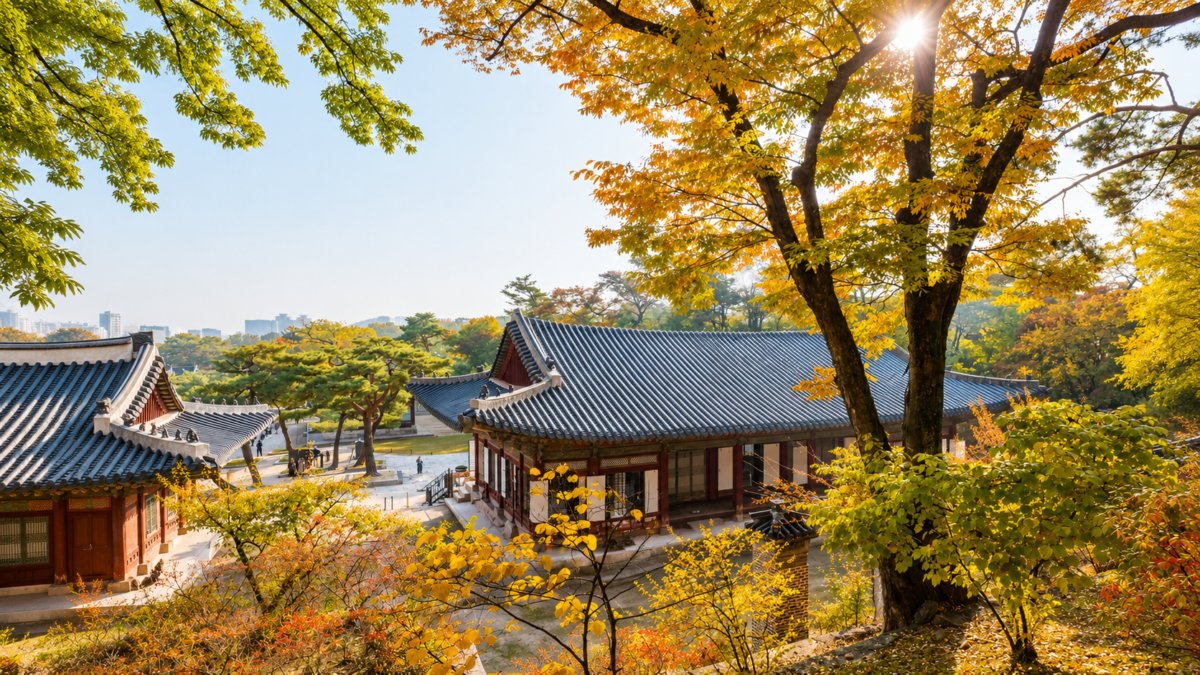
“Gangnam Style” was released in 2012. The same man returned with a dance that would later become the first YouTube video to surpass one billion views. The same dance that Korean broadcast culture had once treated as problematic was now spreading across the internet at a speed no one could control.
“Gangnam Style” wasn’t new. The choreography wasn’t technically sophisticated. The song wasn’t traditionally beautiful. What was different was everything else—the moment, the platform, the world’s readiness.
By 2012, the dance was finally free. Not because the system permitted it. But because the system no longer had the power to contain it.
No Words Needed
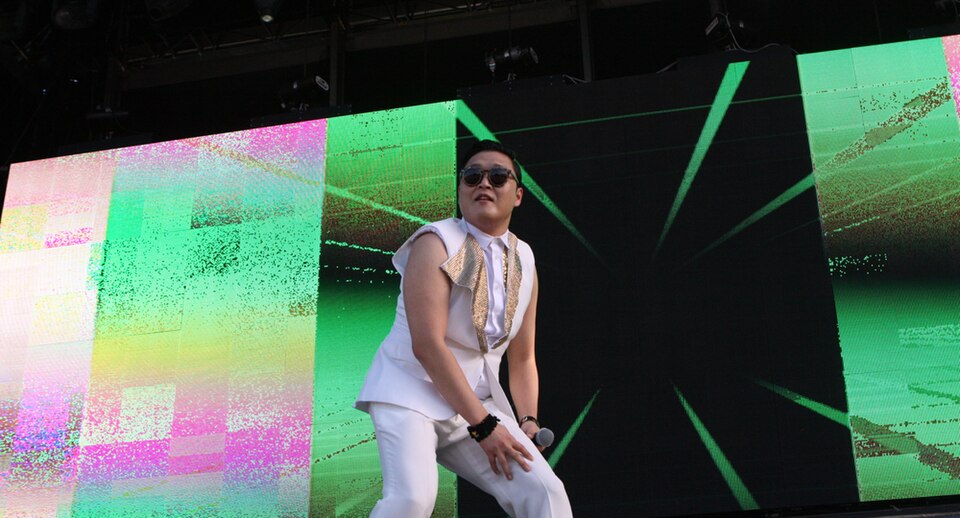
(Wikimedia Commons, CC-BY-SA 2.0 / Edited)
The music video for “Gangnam Style” was released on July 15, 2012. Within months, it became the most-watched video on YouTube in history. Six billion views. The platform had to upgrade its infrastructure just to count them.
This wasn’t a fluke. People didn’t watch once. They watched repeatedly. They downloaded it. They learned the dance. They performed it—in weddings, in airports, in sports stadiums, in corporate offices, in military barracks. Billions of people encountered Psy dance and understood it immediately. Without subtitles. Without explanation.
The simplicity was deceptive. Most pop songs rely on lyrics to convey meaning. Most dance videos depend on technical precision to impress. “Gangnam Style” needed neither. The song’s structure was repetitive. The lyrics were mostly untranslatable Korean. The choreography was deliberately awkward—a horse-riding motion, an exaggerated hand gesture, a movement that could be learned in seconds and remembered forever.
A child could do it. A grandmother could do it. Someone who spoke no Korean, no English, could watch and immediately understand. The dance didn’t ask permission. It didn’t require education. It simply invited: move with me.
For the first time in broadcast history, the simplest thing became the most powerful. Not because it was dumbed down. But because it was true. Because it spoke directly to the body, to something older than language.
In 2012, billions of people made Psy dance their own. Not Korean. Not American. Not anything but human. The same gesture repeated across 190 countries, each person completing it slightly differently, the variations multiplying endlessly.
This was the beginning of something larger—a moment when Korean culture spread globally not through translation or explanation, but through direct participation. Through the body. Everyone could dance it. Everyone could understand it.
Satire in Motion
Most people watching “Gangnam Style” saw a fun, lighthearted music video. They saw the wealthy lifestyle of Seoul’s Gangnam district—the luxury shops, the expensive cars, the beautiful people. They laughed at the exaggerated movements, at Psy’s absurd facial expressions, at the contrast between the glamorous settings and the ridiculous dance.
But the song was satire. The lyrics mocked Korea’s obsession with wealth and status. The dance mocked it further. Yet the satire was so wrapped in humor, so embedded in movement, that most viewers never realized they were watching social commentary. They simply saw joy. They simply wanted to move.
This was the genius. Satire usually arrives through words. Through lyrics that require translation. Through explanations that argue. Psy delivered satire through the body. Through movement. Through a gesture that transcended language.
Governments censor satire because it works. It speaks truth through humor. It makes people laugh at power. But satire delivered through words can be banned. Satire delivered through the body is harder to control. You cannot ban a movement without banning the body itself.
In Korean broadcast culture, where every word was monitored, where lyrics could be forbidden and performances removed, the dance had always been the thing that escaped. Now, in 2012, movement became the message. Words became secondary. Satire, stripped of its dependence on language, became something that could not be contained. It spread. It multiplied. It transformed.
Music That Everyone Can Do
Psy understood something fundamental about “Gangnam Style”: music should work anywhere.
Music that worked in an airport. Music that worked in a military barracks. Music that worked in a poor neighborhood and a rich shopping district with equal power. Music that a child could understand. Music that a grandmother could understand. Music that didn’t require you to speak any language at all.
Most musicians spend their careers trying to elevate their audience. Psy did the opposite. He elevated the ordinary moment. A dance in a subway. A dance in an office building. A dance at a wedding. These moments, which broadcast culture had always treated as private and unimportant, became global events. The everyday became the spectacular.
When billions of people learned Psy dance, they weren’t just watching. They were participating. They were creating. They were making it their own.
In the old system, music was something done to you. You listened. You watched. You remained passive. In the new system, music was something you did with others. You danced. You participated. You created variations. You made it yours.
A Language Without Words
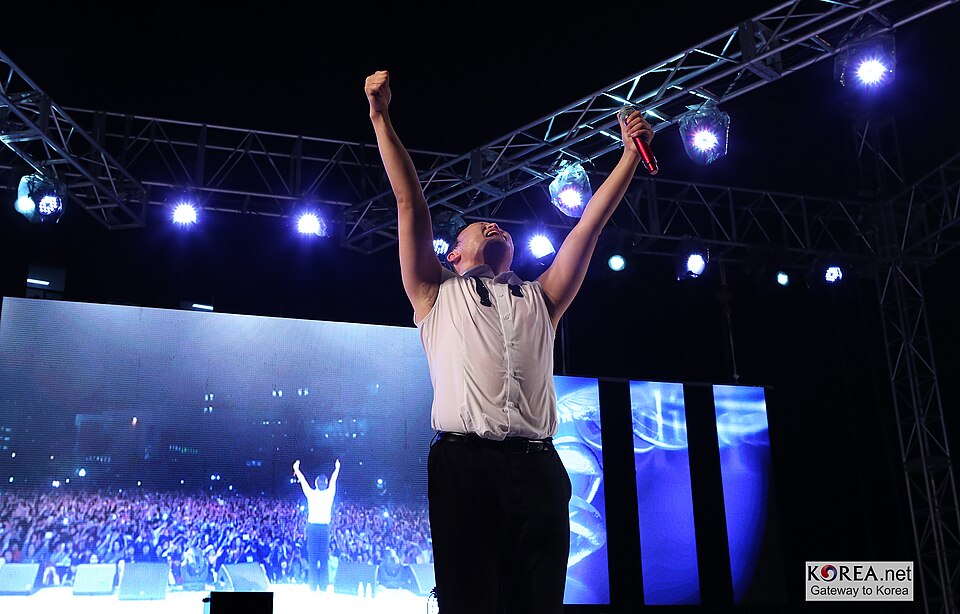
In the end, billions of people danced “Gangnam Style”. Not because they were told to. Not because it was fashionable. Not because it was difficult to learn. They danced it because it made them feel something.
Joy. Connection. Freedom.
For a moment, the same gesture connected a person in New York to a person in Mumbai to a person in Lagos. The same movement appeared in thousands of different contexts. The same rhythm moved through different bodies, different cultures, different languages.
A grandmother in Seoul learning the steps from her grandchild. Office workers taking a break to film themselves in the stairwell. A flash mob in a subway station where strangers suddenly begin moving in unison. A wedding in Brazil where the bride and groom teach their guests. A military barracks where soldiers dance together. A hospital where nurses perform it in the hallway. These weren’t performances. They were participations. Each person completing the gesture, making it their own, adding their own variation to something billions were doing simultaneously.
You stand with millions of others, moving the same way. Your arm extends in that exaggerated motion. Your legs shift in that horse-riding stance. You laugh. You feel the rhythm in your chest. Around you, strangers are doing the same thing. In cities you’ll never visit. In languages you’ll never speak. But in this moment, you are moving together.
The choreography was simple enough that anyone could learn it in seconds. Yet memorable enough that nobody could forget it. This was the genius—not complicated enough to exclude, not simple enough to bore. A perfect equilibrium. A dance that belonged to everyone and no one. A dance that every person could claim as their own.
Revolutions are usually imagined as violent, as serious, as grim. But the deepest revolutions are the ones that feel like joy. A revolution expressed through laughter. Through play. Through the simple act of moving the body in an agreed-upon way.
In 1990s Korea, when Psy’s choreography became a subject of broadcast controversy, the system understood something true: uncontrolled bodily expression could be perceived as disruptive. A dance that refuses to apologize challenges the entire structure of control. But the system miscalculated. It thought that by banning the dance, it could contain it.
What it didn’t understand was that the dance was only waiting.
By 2012, that same “Gangnam Style” had become too big to control. Not because the system had changed its mind. But because the world had changed. Because the platform had changed. Because the conditions were finally right.
A horse-riding motion. An exaggerated hand gesture. Billions of people laughing and moving together. Not in the words, but in the movement.
The real power lay not in the message, but in the participation. Not in what you understood, but in what you felt. Not in explanation, but in embodiment.
Psy waited for that moment. And when it came, the dance already belonged to the world.
This post was created with AI assistance.