The principle was identical across every household in Joseon Korea. Fire in the agungi. Heat through the gorae. Stone remembers. Floor warms.
What changed was everything else.
The hanok ondol floor that kept a farmer’s family alive through January was not the same object as the one beneath a nobleman’s study, or the one engineered beneath the king’s sleeping chamber. Same logic. Entirely different expression. And for three centuries, the distance between those expressions was considered the natural order of things.
Then one winter changed that.
The One Room That Did Everything
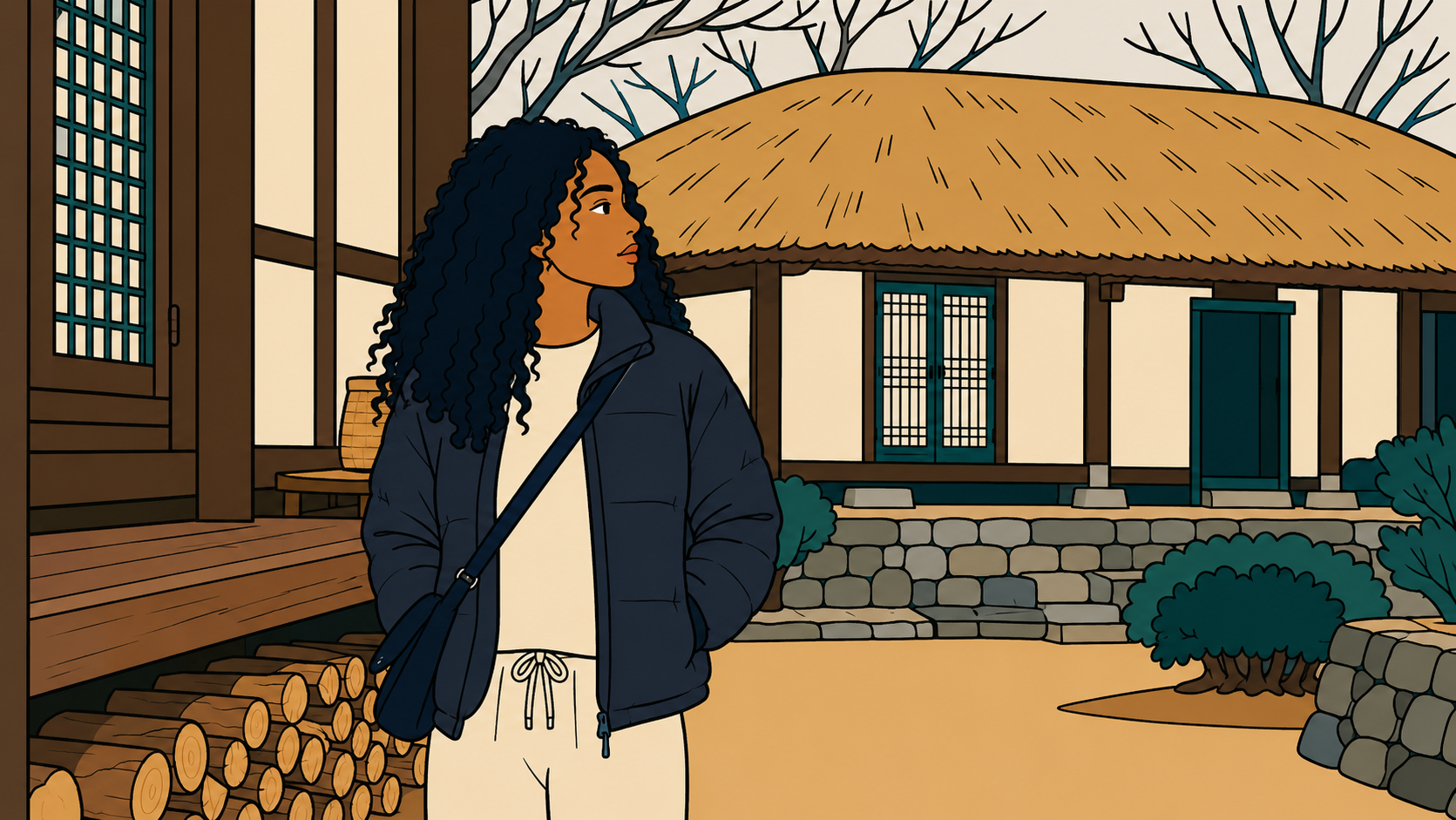
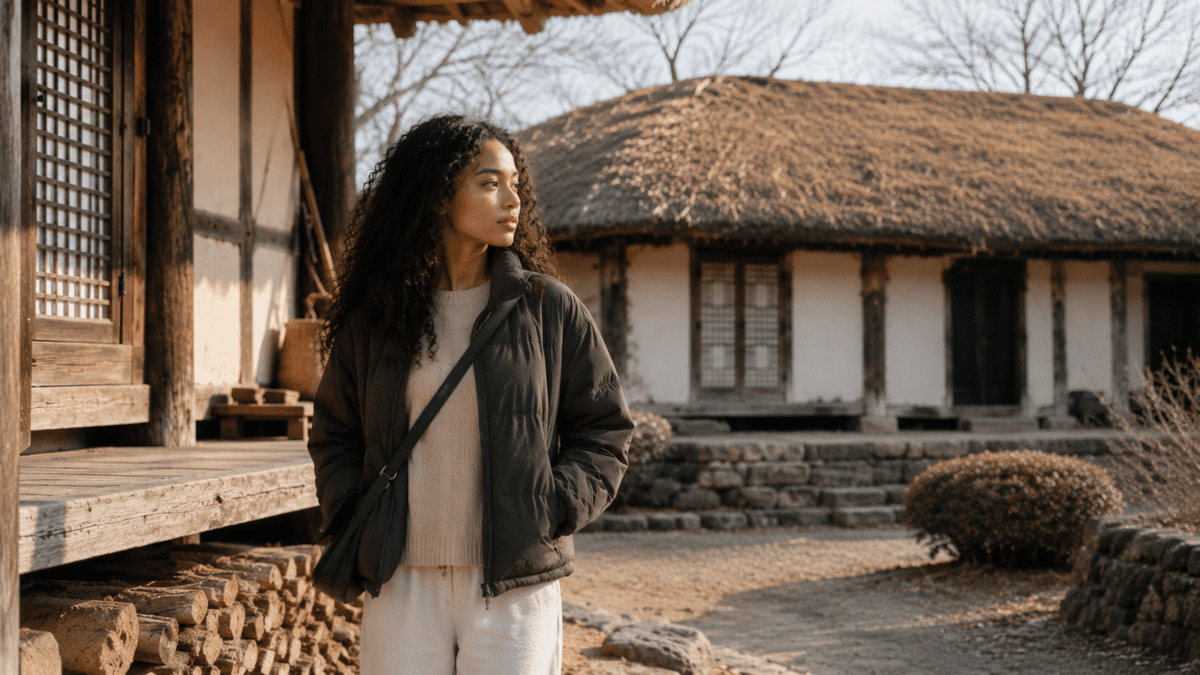
In a typical commoner’s home, there was often one ondol room. Sometimes two. The agungi sat outside — built into the outer wall or beside the kitchen — and whatever heat it produced had to stretch across everything the family needed.
That room was the whole house.
Morning: the ibul (이불: i-bul) blankets were folded and stacked against the wall. The floor became a workspace. Midday: a low table appeared for meals. Afternoon: children did lessons on the same surface. Night: the blankets came back down, and the family slept side by side on the warm floor, arranged by age — youngest furthest from the agungi, elders closest to the heat.
The ondol didn’t just warm the room. It organized the day.
Fuel was the constant pressure. A commoner family burned whatever was available — rice straw, pine needles, dried dung. The agungi consumed it efficiently, but never enough. Keeping the floor warm through a full Joseon winter required sustained effort. Families calculated. They burned less during the day, more before sleep. They covered the floor with thick ibul to hold the heat longer. They built the agungi small to concentrate what little fuel they had.
The hanok ondol floor in a commoner’s home was not a comfort feature. It was the difference between a survivable winter and one that wasn’t. That distinction shaped how the technology was maintained, managed, and passed down — as practical knowledge, not architectural pride.
What commoner families knew about ondol was specific and accumulated. Which wood burned longest. How to seal a cracked gorae channel with the right clay mixture. How to read the floor — pressing a palm flat against the surface to judge whether the heat had reached the far end of the room. That knowledge passed from mother to daughter, from father to son. It was not written down. It didn’t need to be. Every winter confirmed it.
A daughter watches her mother press a palm flat against the far corner of the room, frowning slightly, then adding two more pieces of dried dung to the agungi without a word. No lesson was announced. No instruction was given. But the daughter remembers the frown, the silence, the exact corner her mother checked. Years later, in her own home, her palm will find that same corner first.
Where You Sat Was Who You Were
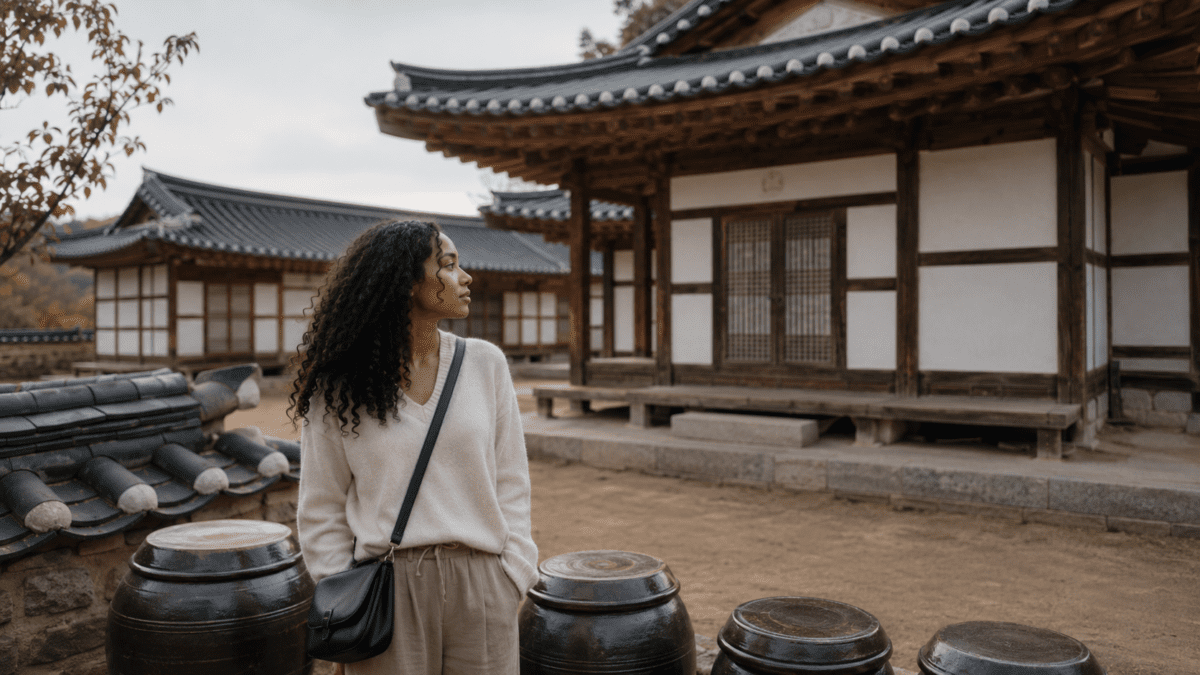
A yangban (양반: yang-ban) household was a different structure entirely.
The traditional upper-class hanok divided space by gender and function. The sarangchae (사랑채: sa-rang-chae) was the men’s quarters — the reception hall, the study, the space where a nobleman met guests and conducted his affairs. The anchae (안채: an-chae) was the inner quarters, the domain of women and children. Each had its own ondol rooms. Each had its own agungi. The heat was managed separately.
Within those rooms, the ondol floor itself carried social information.
The aratmok (아랫목: a-raet-mok) — the spot closest to the agungi, warmest by structure — was never claimed casually. It belonged to the eldest, the guest of honor, the person whose position in the room demanded acknowledgment. Sitting there without invitation was a breach. Offering it was a gesture. The floor temperature was a social text that everyone in the room could read.
Yangban ondol rooms were also built differently. Wider gorae channels allowed more even heat distribution. Stone selection was deliberate — thicker slabs held heat longer. The hanji covering the floor was replaced more frequently, kept smooth and clean. In a commoner home, the floor was functional. In a yangban home, it was also a surface that reflected the household’s standing.
Guests noticed. Foreign visitors to Joseon recorded the experience of being led to the warmest spot in the room as a formal gesture of respect. The floor was language, and yangban households were fluent in it.
The maintenance of a yangban ondol room was itself a marker of household management. A well-run home kept the hanji floor covering smooth and uncracked, replaced it seasonally, and ensured the agungi drew cleanly without smoke seeping back into the room. A household where the floor was cold, or the hanji torn, or the fire poorly managed said something about the family running it. The ondol was not just a heating system. It was a measure of order.
The Floor Beneath the Throne
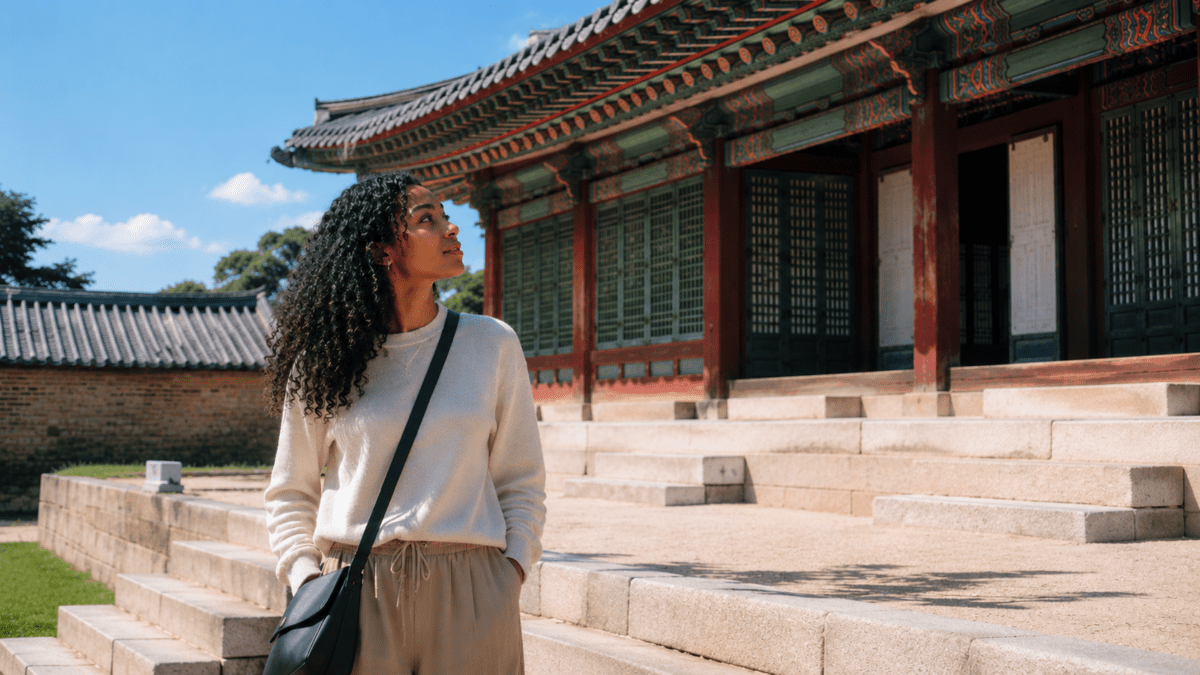
The royal palace was an engineering problem.
Gyeongbokgung’s Gangnyeongjeon (강녕전: gang-nyeong-jeon), the king’s sleeping quarters, required sustained, even heat across a large floor area. A single agungi was insufficient. Multiple furnaces were built into the outer walls, connected to an extended network of gorae running beneath the entire floor. Court records from the Joseon dynasty include detailed specifications — stone thickness, channel dimensions, chimney height — all calibrated to maintain a floor temperature that was warm enough for the king’s health but not so hot as to disturb his sleep.
The ondol in the royal quarters was tended by dedicated staff. Fuel selection was deliberate — specific types of wood burned longer and more evenly. The fire schedule was maintained around the clock during winter months. When the king moved between rooms, the heating in the next chamber was prepared in advance.
There was also hierarchy within the palace ondol system itself. The king’s chamber had the most sophisticated gorae network. Court ladies’ quarters were heated adequately. Servant areas received what remained. The same principle that organized warmth in a commoner’s single room organized it across an entire palace complex — the closer to power, the warmer the floor.
Outside the palace walls, the mountains that supplied the fuel were already showing the strain. Royal consumption of firewood was significant.
The scale of palace ondol was unlike anything in a private household. Gangnyeongjeon alone required multiple agungi fired simultaneously. Court records from the mid-Joseon period reference teams of workers assigned exclusively to fuel preparation and fire management during winter months — cutting, drying, and storing specific grades of wood months in advance. Pine was preferred for its long burn and even heat. Oak was reserved for the coldest nights. The fire schedule was not informal. It was a court document.
Joseon records show ongoing tension between palace heating requirements and forest preservation orders. The floor beneath the throne was warm. The hills around the capital were not recovering.
The Cold That Erased the Difference
The seventeenth century brought a period of sustained cold across the Korean peninsula — part of a global climate shift now called the Little Ice Age. Temperatures dropped. Harvests failed. The braziers that upper-class households had preferred over ondol, considering the floor system beneath their social standing, stopped being sufficient.
The yangban adopted ondol.
It happened gradually, then completely. By the eighteenth century, court documents that had previously distinguished between ondol rooms and non-ondol rooms stopped making the distinction. Every room had it. The technology that commoners had relied on for survival, that aristocrats had considered a lower-class solution, became the universal standard.
The hanok ondol floor was the same object it had always been. What changed was who was willing to use it.
That convergence had a cost. With every household in Joseon now burning fuel through winter, the demand on Korea’s forests became unsustainable. By the late nineteenth century, the hills around major cities were stripped. The ondol had won. The forests had not.
Three centuries of hierarchy, settled by the cold. The floor didn’t care who was lying on it.
This post was planned and edited by a human, with AI assistance.