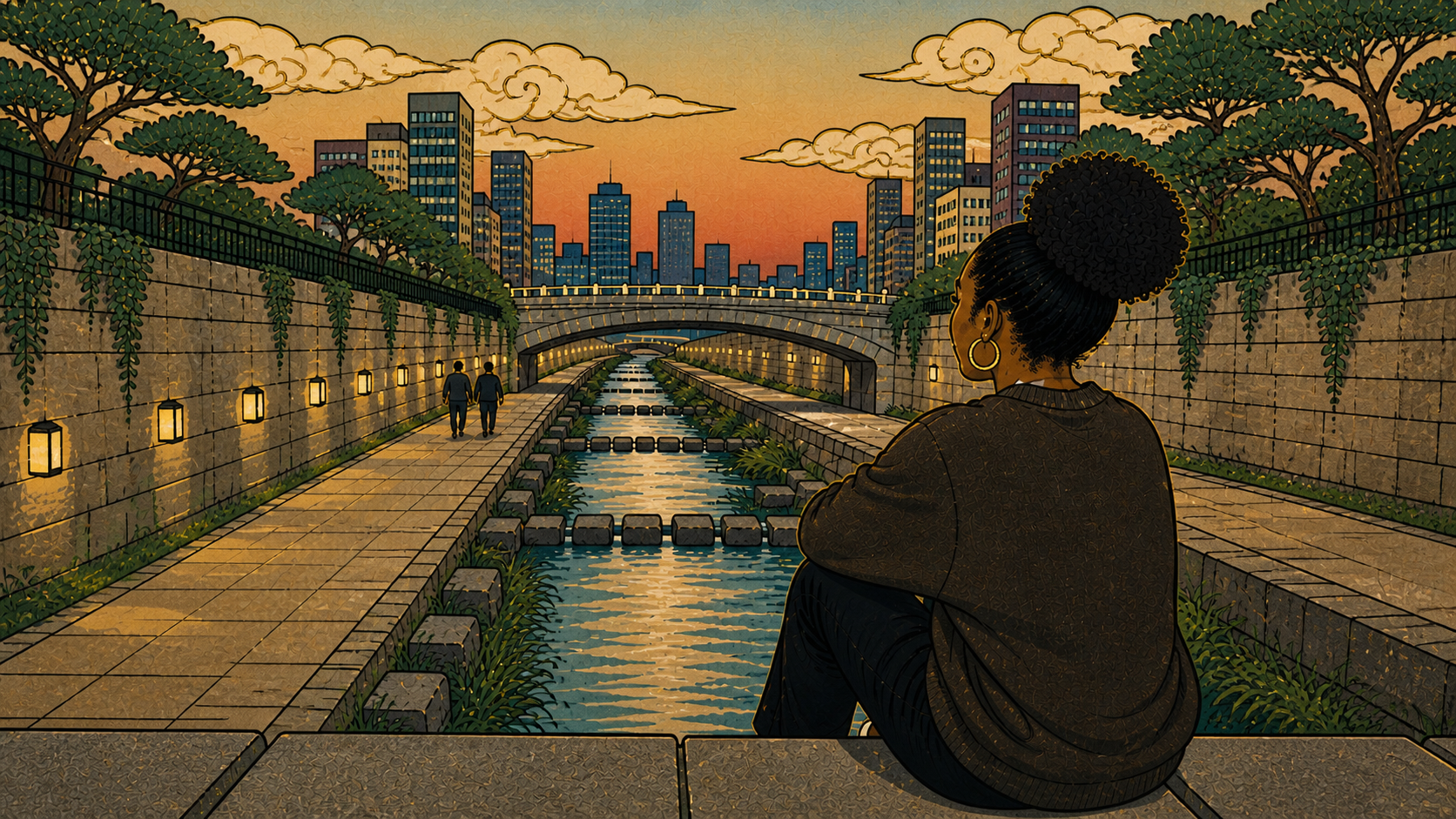

You didn’t choose this. You learned it.
It didn’t happen in words. It happened in silence—in the way a mood could shift the moment you entered the room. It happened with the way you learned to read a face before reading anything else. It happened because you had to — because your safety depended on it.
Early on, you learned this: other people’s emotions were your responsibility. That their comfort was more important than your own. That your job was to keep things stable, keep things calm, keep the people around you okay.
And because you were small, and because they were big, you believed it. You internalized it so completely that it stopped feeling like something you learned and started feeling like the truth about who you are.
But here’s what’s important: it wasn’t always your truth. It was someone else’s first.
The Person Who Taught You to Be Responsible for Others’ Emotions
There’s usually someone. Someone whose emotions were unpredictable. Someone whose moods determined the temperature of your whole house. Someone who needed you to be careful, to be aware, to anticipate what they might need before they asked.
Maybe they were struggling. Maybe they were overwhelmed. Maybe they were dealing with their own pain in ways they never talked about. And you, being a child who loved them, decided that your job was to make it better. That if you were good enough, quiet enough, attuned enough, you could fix it.
You watched them the way a small animal watches a larger one. You learned their patterns. You learned which things made them upset. You learned that if you took responsibility for their feelings, you had some control over the outcome. If they were upset, it was because of something you could fix. And if you could fix it, then you were safe.
This is a child’s logic: if I caused it, I can control it. I can manage this. I can keep myself safe by managing them.
It was never about control. It was about survival. It’s about a young nervous system learning that the only way to predict an unpredictable environment is to become exquisitely attuned to another person’s emotional state. That your survival depends on managing someone else’s feelings.
And once you learn this, you don’t just unlearn it when you grow up. You’re still running the same program. You meet new people and you immediately start looking for the signs. You start anticipating. You start being responsible for others’ emotions as if it’s your job to do so.
Because in some deep part of you, you still believe that this is how you stay safe.
What You Learned in Those Moments
The message wasn’t explicit. It was embedded in a thousand small moments.
It was there when someone’s sadness became your emergency. When their disappointment became something you needed to fix. When their anger made you responsible for making it better. When their anxiety meant you had to be the calm one.
It was there in the message: Your needs don’t matter as much as theirs. Not spoken, but lived. Not taught, but demonstrated.
It was there in the way you learned to shrink yourself. To take up less space. To be the one who adjusted, who accommodated, who sacrificed. To believe that love meant making yourself smaller so there would be more room for someone else’s needs.
And underneath it all was another message, the one that still runs: If you don’t do this, you will be abandoned. If you stop managing their feelings, they will leave. If you stop being responsible for others’ emotions, everything will fall apart.
This is the deep belief. This is what’s actually running when you apologize for things you didn’t do. It’s not about politeness. It’s not about being a good person. It’s about survival. It’s about the old fear that if you stop being the one who keeps their emotional comfort stable, you will be alone.
And because you learned this young, because it was your first language, it feels like the truth. It feels like the only way to relate to people. It feels like the only way to be loved.
When This Strategy Worked and When It Failed

Here’s the thing: it did work. For a while. In that context, with that person, in that version of your life, it absolutely worked.
You became the stable one. The responsible one. The person who could be counted on. And for a moment, it felt like it meant you were safe. It felt like it meant you were loved. It felt like you had figured out how to prevent abandonment through sheer force of will and attention.
But it also didn’t work. Because the person you were trying to stabilize was fundamentally unstable in ways that had nothing to do with you. Because their feelings weren’t actually your responsibility. Because no amount of your sacrifice could actually fix what was broken in them.
So you kept trying harder. You kept adjusting. You kept becoming more attuned, more careful, more responsible for others’ emotions. And nothing changed. They still had the same struggles. They still had the same pain. And you were exhausted.
The system worked to keep you from being abandoned. But it couldn’t actually create the safety you were looking for. It couldn’t actually make love feel solid or predictable or real. The cycle never actually breaks — you apologize, they accept it, the underlying thing doesn’t change, and the same discomfort comes back.
And now, in every relationship, you’re running the same program. You’re looking for the unstable one. You’re waiting to become indispensable. You’re performing the role of the person who can manage everything and ask for nothing.
And it keeps working in the same way it always did: you don’t get left, but you also don’t feel safe. You don’t get abandoned, but you don’t feel loved either. Their emotional comfort is your responsibility still, even though it was never supposed to be.
Why This Pattern Still Runs Today

Your nervous system learned something in those early years. It learned to scan for threat. It learned to read emotional weather before anything else. It learned that your survival depended on someone else’s mood, and it got very, very good at it.
And now, even though you’re not that small anymore, even though you’re not actually dependent on anyone’s approval to survive, your system still runs the old program. It still believes that this is how you stay safe.
But here’s what’s crucial to understand: You’re in a different phase now—but your system hasn’t caught up.
The structure that kept you safe then — this exquisite attunement to other people’s feelings, this willingness to sacrifice yourself to keep someone stable — that structure made sense in a specific context, at a specific time. It was an adaptation. It was brilliant, actually. It was how you survived.
Adaptation is not identity. The strategy that worked in one phase doesn’t automatically work in another. The logic that kept you safe when you were small and dependent doesn’t necessarily keep you safe now. Right now, you’re running a system that was designed for a child in an unstable environment. You’re applying it to adult relationships where the stakes are different. Where you’re actually safe. Where your survival doesn’t depend on managing someone else’s mood. Where you get to have your own needs.
But your nervous system doesn’t know that yet. It still thinks the old rules apply. It still believes this: if you stop managing others, you’ll be abandoned. It still thinks that your value lies in your usefulness, your attunement, your sacrifice.
So you keep apologizing for things you didn’t do. You keep taking responsibility for emotions that aren’t yours. You keep shrinking yourself to make room for someone else’s needs.
And you’re waiting for the abandonment that your system learned to expect. Except it’s not happening the way you think it will. Because the people around you aren’t the person who taught you this. The stakes aren’t what they used to be. And you’re not actually dependent on anyone in the way you once were.
The only thing that’s keeping you in this pattern now is your own nervous system still running on old programming.
The person who taught you this believed it was the only way to love. They were doing the best they could with what they knew. And you learned it perfectly. You learned it so well that it became invisible to you. It became something that feels like the truth about who you are instead of a strategy you learned.
It’s not who you are. It’s what you built to survive. And you survived. You’re here.
The question isn’t whether you can keep doing this—you can. The question is whether you’re still in the phase where you need to. Whether the logic that kept you safe then is actually keeping you safe now, or whether it’s just keeping you running. Because knowing which phase you’re in — actually knowing it, not just thinking it — changes everything.
Next: (Part 4) When Questioning Love Becomes the Only Honest Thing
When did you first start questioning love? Not suddenly, but through patterns that quietly taught you to doubt what once felt natural and safe.
Content in this post was created with AI assistance.