Lying Awake at Night — The Want Underneath the Anxiety (Part 4)

Lying awake at night, after the thinking runs out, what’s left isn’t anxiety — it’s the naked want underneath it. The stillness is telling you something.
Lying awake at night, after the thinking runs out, what’s left isn’t anxiety — it’s the naked want underneath it. The stillness is telling you something.

Night anxiety builds a case against good news while you sleep — methodical, convincing, hard to refute. But the verdict rarely survives morning.

Anticipatory anxiety summons the version of you that rehearses all night — the one tomorrow won’t need. The present version was always better equipped.

Cherophobia is when something good feels like a threat. The night before it arrives, your nervous system treats good news as danger — here’s why.
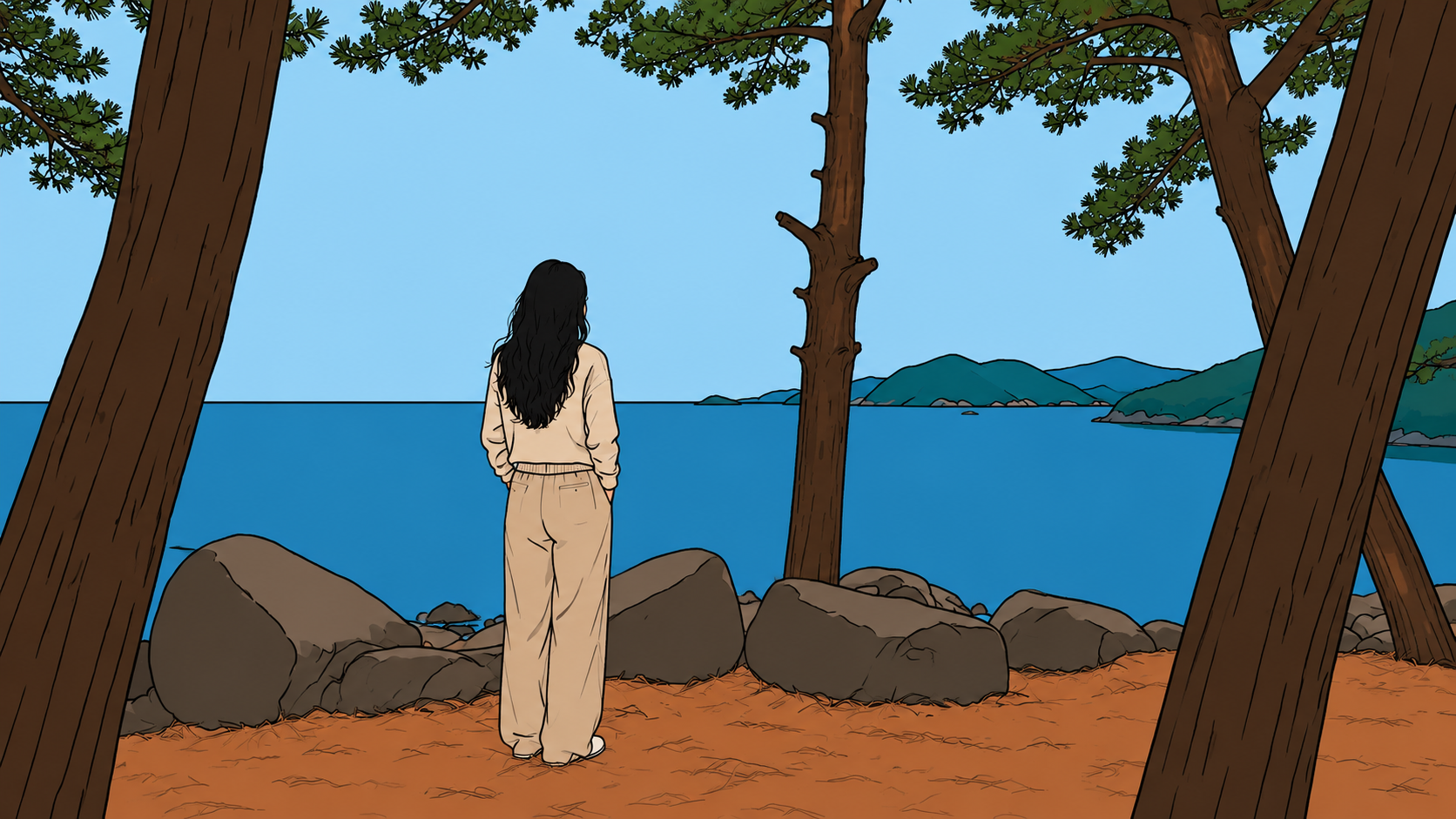
Trusting your own memory again doesn’t start with certainty. It starts with noticing the doubt — and choosing, once, not to act on it automatically.

It felt like conflict resolution. It was a false apology — testimony given in her own voice, agreeing to a version of events that never happened.

Self doubt in relationships doesn’t arrive as a crisis. It arrives as a habit — until you’re keeping notes just to prove your own life happened.

Gaslighting in relationships rarely looks dramatic. It looks like one version always needing to be revised — and it’s always the same person doing the revising.

It felt like self-awareness, not memory manipulation — one quiet “that’s not what happened” started a habit of doubting her own memory instead of theirs.

She didn’t build a new plan. Finding direction in life came from noticing what held her attention, not from deciding what should.