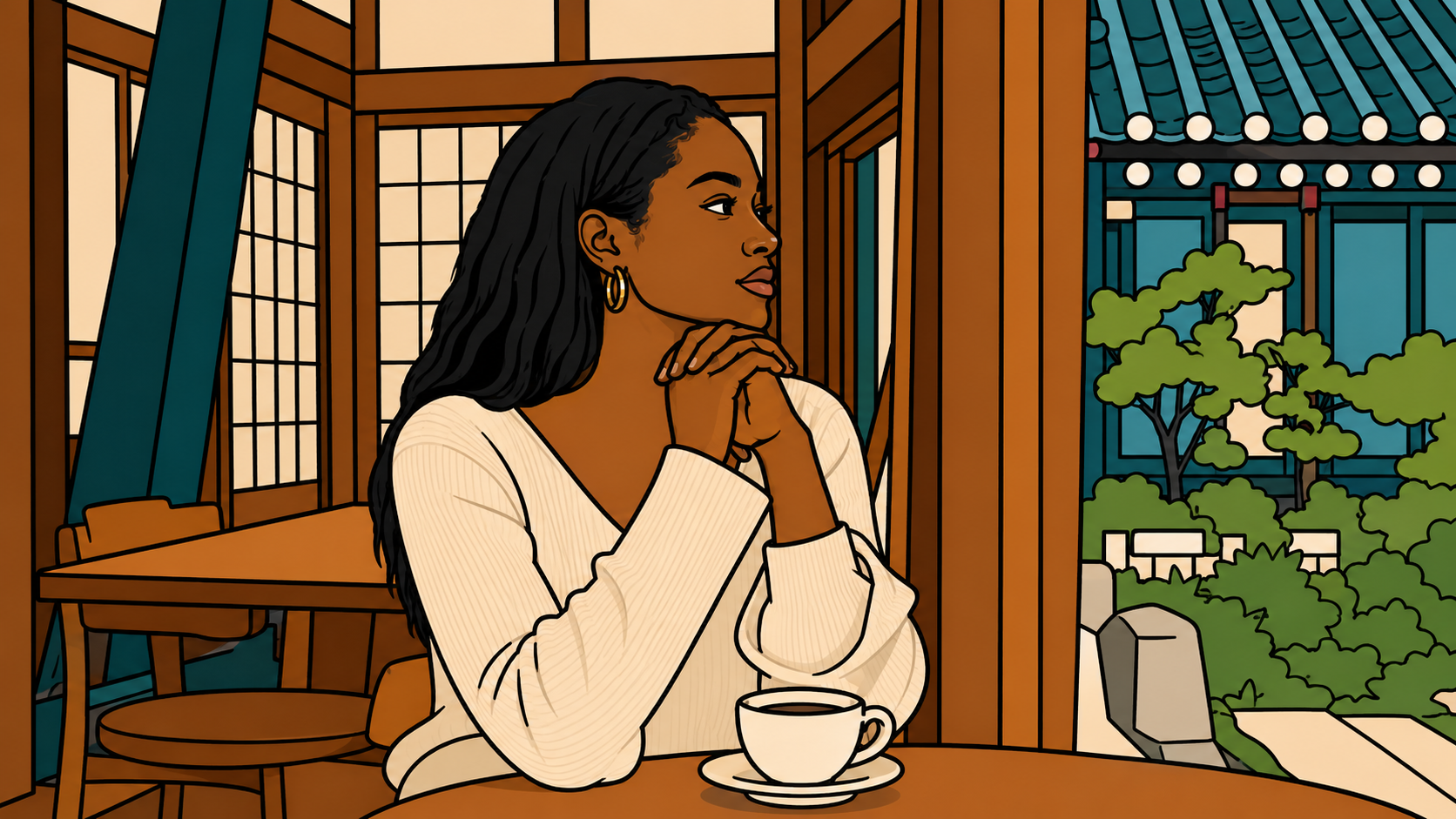
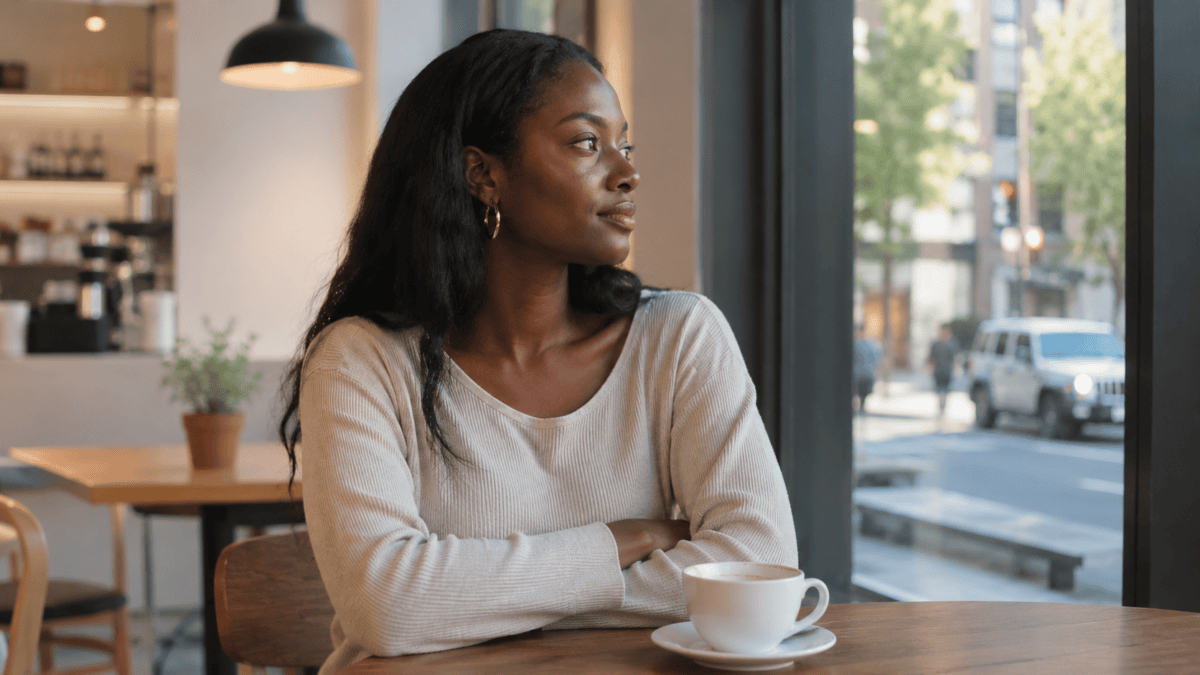
Months later, back in her own city, she catches herself thinking in a rhythm she didn’t have before. Not about her skin, exactly. About timing. When to act, when to wait, when the right window opens and when it’s already closing. She picked it up in Seoul without even noticing, and it turned out to be the thing she actually brought home.
The Korean lifestyle system isn’t a treatment you receive. It’s a sense of timing you absorb. Long after the trip ends, it quietly shapes the way you notice opportunities, make decisions, and move through everyday life.
The procedure fades. The rhythm stays. That reversal is the whole point of everything that came before, the thing all of it was quietly building toward.
It’s Not the Procedure That Exports: It’s the Timing
People think what travels out of Seoul is the technology. The devices, the techniques, the specific way the treatment is done. But technology moves everywhere eventually. What’s harder to copy, and what actually defines the place, is the sense of timing wrapped around it.
What exports is an experience, not a machine. The experience of walking in on an ordinary afternoon, having something done in twenty minutes, and walking back into your life without a seam. Once you’ve felt how that works, how a change can be folded into a normal day rather than carved out of it, you can’t unfeel it. The Korean lifestyle system lives in that felt knowledge, the memory of how frictionless it can be.
This is why copying the equipment misses the point. A clinic anywhere can buy the same device. What they can’t easily import is the whole rhythm around it, the assumption that this belongs inside a working life rather than interrupting it, the calibration of everything toward speed and discretion and return. The machine is the easy part. The timing is the culture.
She understands this only in retrospect, once she’s home. What stayed with her wasn’t a result she could point to. It was a new expectation about how care could fit into time, a sense that things didn’t have to be slow or disruptive to be real. That expectation is portable. It came home with her when nothing else did.
Three Weeks, Six Weeks, Next Season: The Pattern Your Body Learns
The body learns a rhythm through this, and the rhythm has a shape. Three weeks for the first change to settle. Six weeks for it to reach its fullness. Then a season, and the sense that another window is quietly approaching. You start to feel time in these intervals.
This is a different way of tracking yourself than age. Age is a slow one-way count, a number that only rises. The rhythm is cyclical, made of windows that open and close and open again. You stop thinking about how old you are and start thinking about where you are in the cycle, whether the last change has fully arrived, whether the next window is near. The Korean lifestyle system runs on this cyclical time, not the linear kind.
Once your body knows the pattern, you carry an internal calendar you didn’t have before. Not marked in months but in phases. The settling phase, the full phase, the approaching phase. You know without checking roughly where you are, the way you know the season from the light. The rhythm becomes a sense rather than a schedule, something felt in the body rather than tracked on a wall.
This learned rhythm outlasts any single result. The lift fades eventually, the way all such things do. But the sense of the cycle stays, the internal knowledge of how change arrives and moves and passes. You’ve learned to feel time in intervals of renewal, and that feeling doesn’t fade when the treatment does. It’s the part that becomes permanent.
You catch yourself doing the math in idle moments. Standing in line, riding the elevator, half-listening in a meeting, you register quietly that the last change has settled, that a few weeks have passed, that the edge of a new window is coming into view. It happens below deliberate thought, the way you sense a season turning before you could name the date. The counting isn’t anxious. It’s just there, a low background awareness of where you are in the cycle.
Why Seoul Feels Different: The City Runs on Procedure Seasons, Not Age
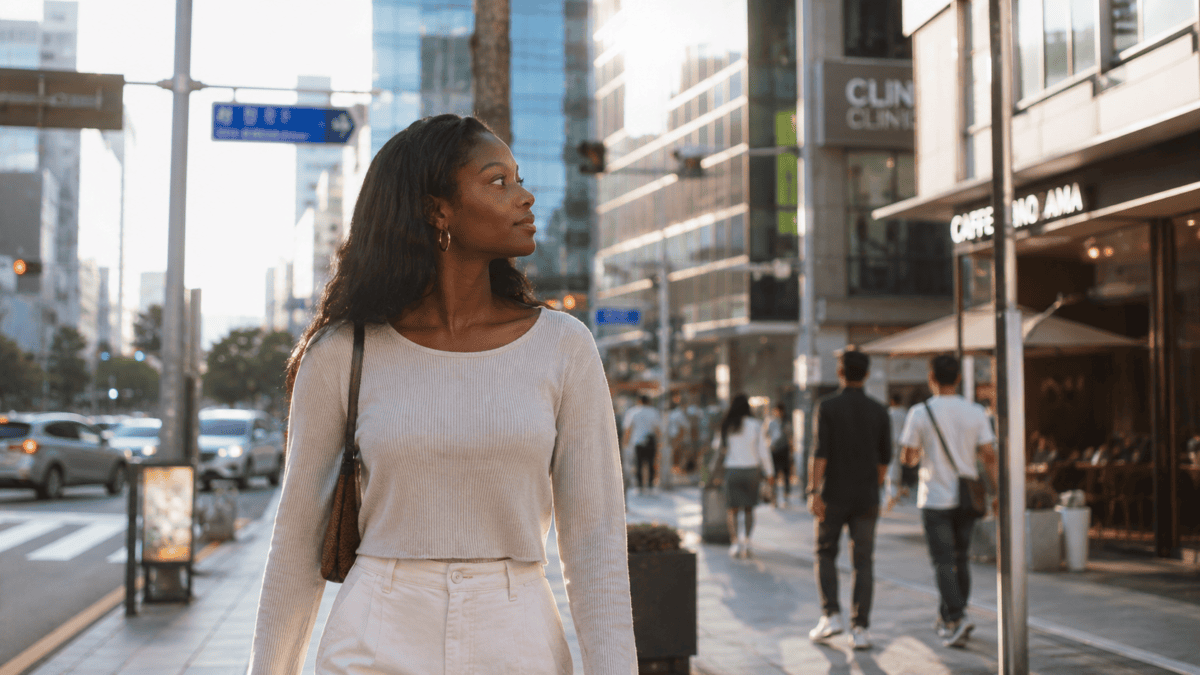
Spend enough time in Gangnam and you notice the city itself runs on this rhythm. Not the calendar of birthdays and years, but a quieter cycle of windows and seasons, everyone moving through their own intervals of renewal without ever naming it.
The city feels different because it isn’t organized around aging the way other places are. Elsewhere, the relationship to your face is a slow defense against time, a holding action against a number going up. In Seoul the relationship is rhythmic instead, a series of small adjustments timed to windows, a maintenance that moves with the seasons rather than fighting a losing war against them. That shift in frame changes the whole texture of the place.
You feel it in how nobody seems to be bracing against age here. There’s less of the anxiety that comes from treating time as an enemy, more of the ease that comes from treating it as a rhythm you move with. The whole city seems to breathe in this cycle, exhaling old wear, inhaling small renewals, on a schedule no one announces but everyone somehow keeps. The Korean lifestyle system is written into the pace of the streets.
This is what visitors sense but can’t quite name. Seoul feels lighter about all of this, less heavy with the dread that usually surrounds the subject. Not because people care less about how they look, but because they’ve swapped the losing battle against age for a rhythm they can actually live inside. The city runs on seasons of renewal, and that makes it feel like a different relationship to time entirely.
You can almost feel it on the street. The light off the glass towers in the late afternoon, the steady flow of people moving between cafés and clinics and offices, the sense that everyone is somewhere in their own quiet cycle and comfortable there. There’s a lightness to the crowd that’s hard to place at first. Then you understand it. No one here is fighting the calendar. They’re keeping time with something gentler, and the whole city moves at the pace of that softer clock.
What Remains After You Leave: The Korean Lifestyle System You Take With You
In the end, what you take with you isn’t in your face. It’s in your sense of timing. Long after the last result has faded, you keep the rhythm, the instinct for when to act and when to wait that you absorbed without trying.
This is the real export, the thing that outlasts everything else. Not smoother skin, which fades. Not a specific result, which passes. What stays is a changed relationship to time itself, an internal sense of cycles and windows and the right moment that reorganizes how you move through your days. The Korean lifestyle system, in the end, is a way of feeling time, and once you’ve felt it that way you don’t go back.
You notice it in small decisions that have nothing to do with your face. A sense of when to push and when to hold. An instinct for the window that’s open now versus the one worth waiting for. The rhythm you learned in a clinic turns out to apply everywhere, a general feel for timing that quietly reshapes how you handle everything from work to rest to the slow business of taking care of yourself.
That’s why this became a way of living rather than a thing you did once. A single procedure is an event. A sense of timing is a lens, and you carry a lens with you everywhere, through every choice, for as long as you keep it. What Seoul gave you wasn’t done to your face. It was installed in how you read time, and that’s the part that stays.
She sits in a café in her own city now, months out, and feels a small familiar sense that a window is opening again. Not urgency. Just rhythm, the quiet internal clock she brought back from somewhere else. She finishes her coffee. The afternoon is waiting, and she knows, without thinking about it, exactly what time it is.
This post was planned and edited by a human, with AI assistance.