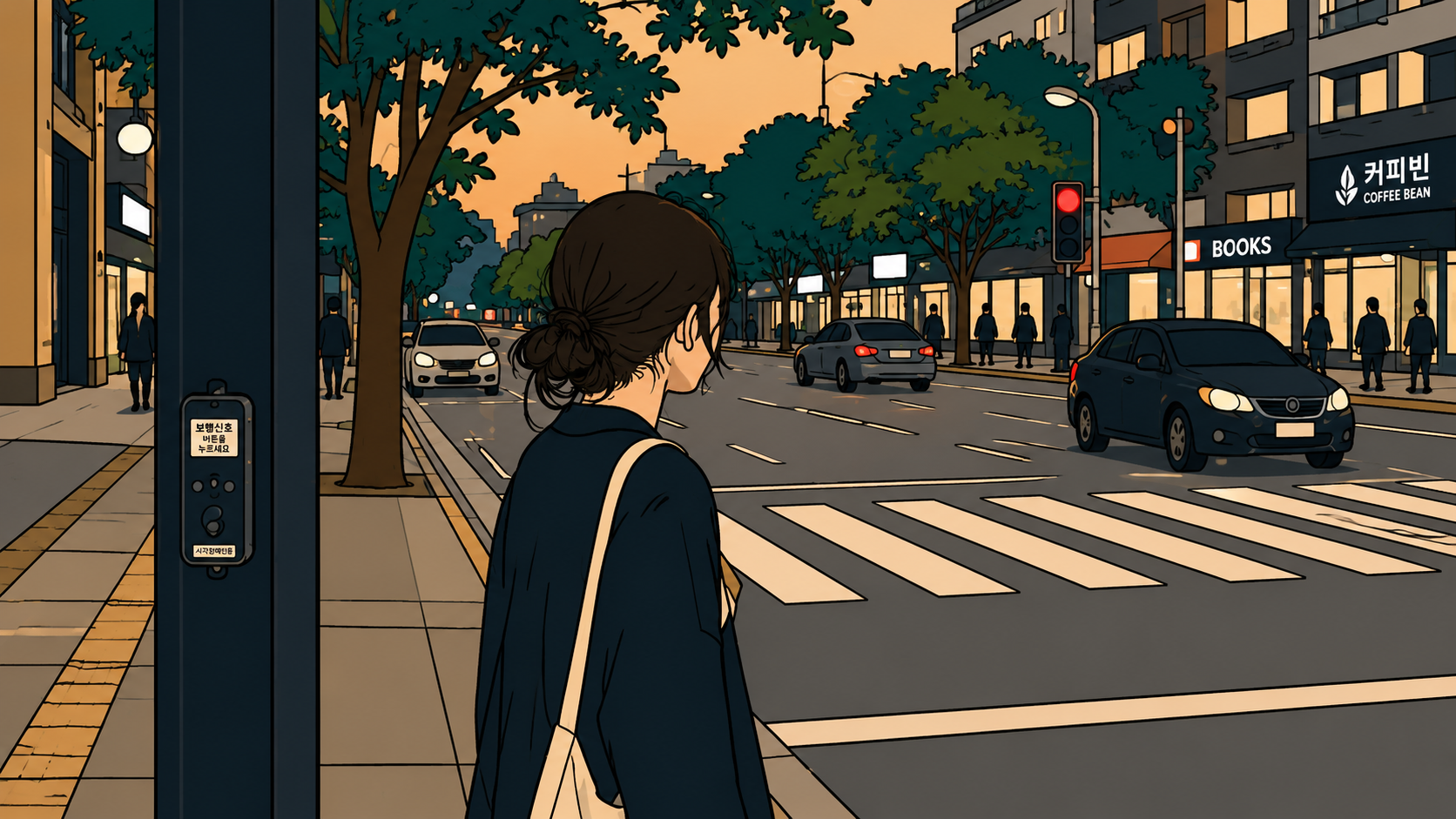

You meet someone different. The voice is different. The face is different. The context is completely different. But three months in, you’re having the same conversation you had two years ago with someone else. This is mind hacking in action—the invisible way you recreate the same emotional patterns.
You think: I’m cursed. Or: I choose badly. Or: There’s something wrong with me.
But here’s what’s actually happening: you’re not choosing different people. You’re choosing people who fit the same emotional frequency. And your nervous system is looking for that frequency like a radio tuned to a specific station.
This is mind hacking—not as a concept, but as something you live.
Why Familiar Emotions Feel Safer Than Peace

The person who grew up in chaos doesn’t rest easily in quiet rooms.
Your nervous system learned what to expect. Your body knows the timing of anger. Your muscles remember when to brace. You learned exactly how much space you’re allowed to take up. You learned which silences mean punishment and which ones mean someone’s thinking. You learned a thousand small things that added up to: this is how the world works.
Now, decades later, you’re in a different house. With a different person. But when things get too calm, something in you gets suspicious. This quiet doesn’t match the quiet you survived. This peace doesn’t have the structure you learned.
So you create tension. Not consciously. You just reach for your phone. You bring up something that’s been bothering you. You find a reason to argue. And suddenly the world makes sense again—because it matches what you know. This is mind hacking working silently, pulling you back to what feels like home.
This isn’t sabotage. This is your body asking for the familiar, the way it always does.
A person who grew up with conditional affection doesn’t believe unconditional love. When someone loves them without reason, without negotiation, they wait. They scan for the hidden price. They assume this is the setup—that eventually, the conditions will appear. They’ve learned that love always comes with a cost. You have to earn it. You have to maintain it. You have to be grateful enough, small enough, compliant enough.
So when someone offers love that asks nothing of them, it doesn’t feel like safety. It feels like a test they haven’t passed yet.
Some people make it happen faster. They find a way to prove they’re not worthy. They create the rejection before it can arrive. At least that way, they’re not waiting for the other shoe to drop. At least then they’re in control of the ending.
This isn’t about intelligence or self-awareness. It’s about a nervous system that’s looking for information it already understands. Your body knows what love is supposed to feel like, and it’s looking for that specific frequency—even when that frequency was painful.
The Difference Between Comfort and Stability
You know the difference when you feel it.
Comfort is when you know the rules. The rules might hurt, but at least you know them. You know which topics end in coldness. You know how to make yourself invisible. You know the exact moment when the person will withdraw. There’s a script, and you’ve memorized every line. Mind hacking keeps you locked in this comfort because at least it’s predictable.
Stability asks you to not know. It asks you to stop scanning. It asks you to believe that consistency isn’t a setup.
Most people will choose comfort over stability, every time.
When someone genuinely stable enters your life, your body doesn’t recognize it as safety. It recognizes it as a threat. The absence of familiar tension feels like a warning. You’ve never survived a relationship this quiet. You don’t have a map for this.
So you create the tension yourself. You manufacture the drama. You find a reason to push away—because at least then you’re back in familiar territory. At least then you know what to do.
This is why people sabotage good relationships. Not because they don’t want them. But because their nervous system doesn’t recognize them as home.
Some people don’t actually miss the person. They miss the emotional environment they learned to navigate. The specific frequency of disappointment. The particular way of being abandoned that they’ve mastered.
People Often Repeat Emotional Atmospheres
Watch what happens when you meet someone new.
Your system doesn’t scan for who they are. It scans for: does this feel familiar? Does this match the emotional frequency I know? When they cancel plans, you interpret it through every cancellation you’ve ever experienced. When they go quiet, you hear it as punishment. When they’re busy, you feel the abandonment you learned to expect.
You’re not actually responding to what’s happening. You’re responding to what your body learned to recognize. This is why emotional patterns repeat — not because of poor choices, but because the nervous system is doing exactly what it was trained to do.
Two relationships can look completely different on paper. Different people. Different cities. Different circumstances. But the moment you’re inside them, they feel the same. The same way disappointment arrives. The same rhythm of intimacy and distance. The same role you play.
This is mind hacking at its most invisible. You’re not aware it’s happening. You just know that something feels familiar. And your body moves toward it like water flowing downhill.
Your actions shape how the other person responds. Their response confirms what you already believed. The pattern reproduces itself, and you think it’s proof that you always end up in the same place.
But the pattern isn’t in the other person. It’s in you. In how you interpret. In what your nervous system learned to look for. In the emotional frequency you’ve learned to recognize as home.
The First Step Is Recognizing the Pattern

You can’t change what you can’t see.
Mind hacking starts when you catch yourself mid-motion. Not after the relationship ends. Not in therapy, months later. But in the actual moment—when you’re about to reach for your phone, about to start an argument, about to create the distance—and you notice: I’m doing it again.
That’s the only moment that matters.
Not the moment you understand why. Not the moment you forgive yourself. Just the moment you see it happening. Like water moving beneath the surface, the pattern operates invisibly most of the time. But sometimes, if you’re paying attention, you catch a glimpse of it.
When you see it, something shifts. Not because you’ve solved anything. But because the pattern is no longer completely invisible. It becomes a choice instead of a compulsion.
Most people never reach this point. They blame themselves for lacking willpower. They follow advice about setting boundaries and picking better partners. But if you haven’t seen the pattern yet, if you don’t understand the emotional frequency you keep recreating, then the advice just becomes another thing you failed at.
The work isn’t changing what you do. It’s becoming someone who can notice what you’re doing. It’s learning to pause for one second and ask: is this actually what I want, or is this just what feels like home?
You probably won’t stop the pattern every time. Patterns have momentum. But the moment you can see it—that moment is where everything begins to shift.
The rest happens in the spaces between. In the pause before you apologize for something that isn’t your fault. In the moment before you shrink yourself smaller. In the split second where you feel the familiar tension rising and you notice it instead of acting on it.
These moments add up. They become small data points that teach your nervous system something new. Your body learns, slowly, that there are other frequencies available. That the familiar isn’t the only option. That you don’t have to recreate the same emotional environment to feel real.
This doesn’t mean the pattern disappears overnight. It means you start to have choices in moments you never had choices before. You start to move differently because you’re seeing differently.
You don’t have to want something different before you start moving toward it. You just have to see the pattern clearly enough to know you’re making a choice.
Content in this post was created with AI assistance.