Leaving a Situationship — Why It’s Hard (Part 7)

Leaving a situationship is hard not because you’re confused — but because what you’d lose is real. Here’s why the exit keeps getting postponed.
Leaving a situationship is hard not because you’re confused — but because what you’d lose is real. Here’s why the exit keeps getting postponed.

The jangma season narrows the world to a smaller radius. Who it surfaces, what it asks of you, and why Korea doesn’t push you to act on any of it.

Pajeon, convenience stores, and the quiet permission jangma gives. What the Korean rainy season actually feels like from the inside.

It starts with the sound before the sight. The rain season in Korea doesn’t just change the weather — it changes the pace, the routes, and how the city moves.

Is a situationship bad? If you’re still in it, you’re getting something real — the honest answer weighs what it gives against what it quietly costs.

Emotional limbo isn’t only painful. The comfort of almost — a question that hasn’t closed yet — is real, sustaining, and harder to leave than it looks.
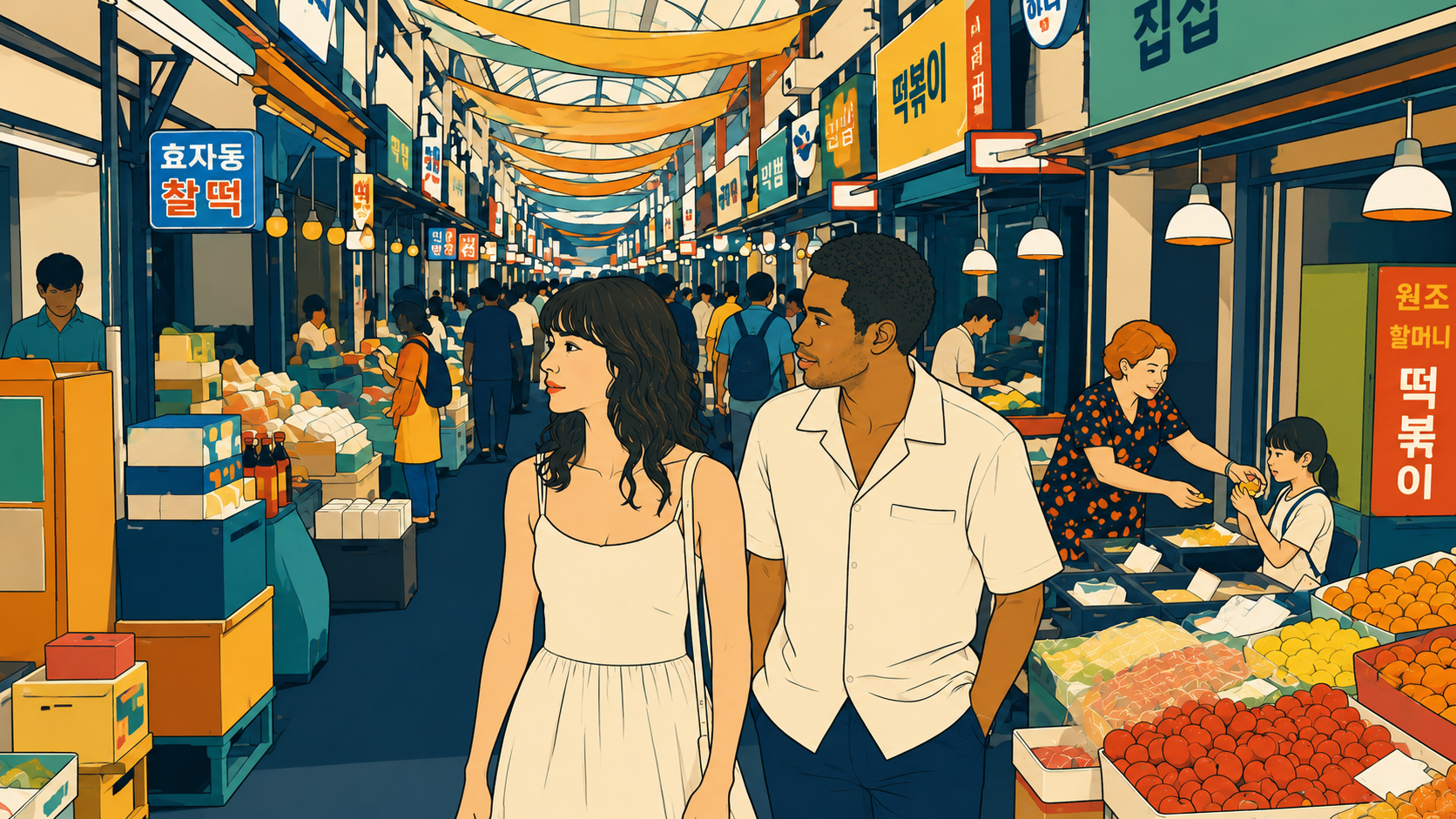
It’s rarely equal. A one sided situationship starts unequal and stays that way — the one who wants less holds the power, and the one who wants more slowly shrinks.

Situationship rules are never discussed — but both people follow them precisely. Here’s how unspoken agreements form, get enforced, and eventually break.

Nobody decides to start one — they just don’t decide not to. The early signs of a situationship show up before it has a name, in the choices no one quite makes.
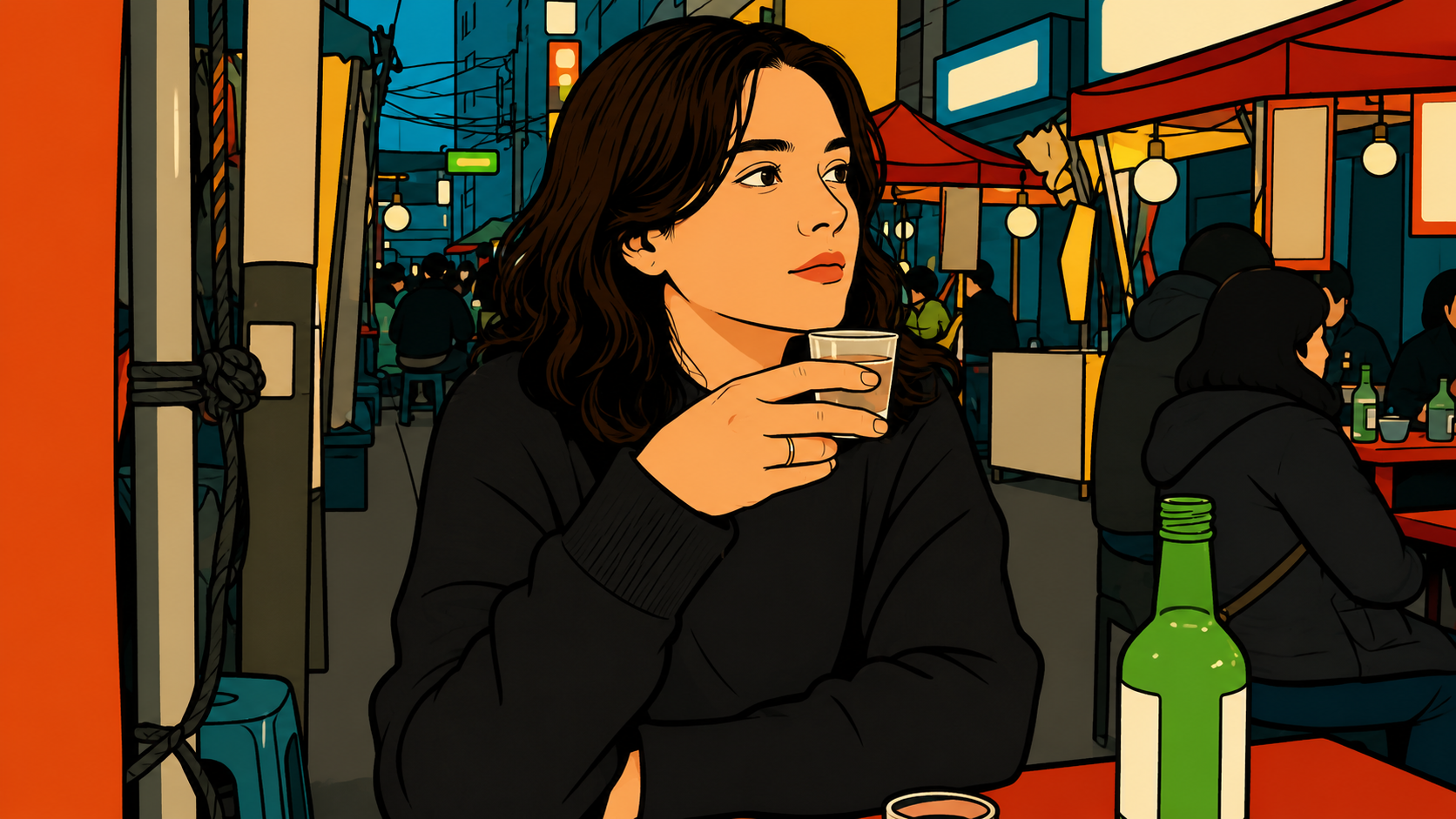
Situationship meaning isn’t about confusion — it’s a structure built to stay undefined. Here’s what it actually is and why naming it matters.