

There’s a specific kind of person who is always in the middle of something.
Not scattered — purposeful. Every project has a reason. Every new direction makes sense in the moment. They’re not avoiding completion. They genuinely believe this one is the one that’s going somewhere. And for a while, it does. Until the next thing arrives with the same pull, the same urgency, the same feeling of finally moving in the right direction.
Ask them what they’ve finished lately and the question lands wrong.
Finishing isn’t the point. Moving is the point. The moment something stops feeling like forward, they’re already somewhere else.
This isn’t a discipline problem. This isn’t fear of success, fear of failure, or any of the other frameworks that get applied to it. This is what Wood element K-Saju identifies as the force of initiation running without structure to hold its direction.
And if you recognized yourself in that description, even partially, this is worth understanding precisely.
The Structural Logic of Wood in K-Saju
In Wood element K-Saju analysis, this force is defined by one direction: upward. Wood is the first force in Ohaeng (오행: o-haeng). Not first because it’s most important — first because it corresponds to the beginning of the cycle. Spring. The moment potential breaks through into form.
In K-Saju, Wood is defined by its direction: upward and outward. Unceasing, non-negotiable expansion. A tree doesn’t deliberate about whether to grow toward light. It grows. The drive is structural, not chosen.
This is why Wood energy, when it’s functioning well, feels less like motivation and more like momentum. You don’t have to convince yourself to start. Starting is what you do. The difficulty isn’t initiation — it’s knowing when initiation has done its job and something else needs to take over.
Wood’s relationship to the other forces defines its range. Water (수: su) feeds Wood — depth and accumulation become the conditions for growth. Metal (금: geum) controls Wood — the force of discernment that cuts what doesn’t belong, that shapes raw growth into something with edges. Without both, expansion has nothing to deepen it and nothing to define its limits.
When Wood has both — Water beneath it, Metal to define its shape — it builds. When it doesn’t, it sprawls.
What Wood Imbalance Actually Looks Like

Every force has a version that looks like a virtue from the outside.
Wood’s version is this: the person who is always growing. Always learning. Always reaching for the next level. The one who reads the books, takes the courses, starts the projects. Ambition with receipts.
From the inside, it can feel completely different.
There’s a woman who has started four businesses in six years. Each one was real — real research, real effort, real early traction. None of them made it past the eighteen-month mark. Not because she failed, exactly. Because something shifted. The pull toward the next thing became stronger than the pull to stay. She told herself she was evolving. She was. But evolution without consolidation doesn’t build — it churns.
The eighteen-month mark is when it happens. Not a dramatic exit — more like a gradual reorientation. She’s still technically in it. Still responding to messages, still showing up to meetings. But her attention has already moved. There’s a new idea that arrived three weeks ago and it hasn’t left. It shows up between tasks, in the shower, at 2am. It feels more alive than what she’s currently building — which, if she’s honest, has started to feel like maintenance rather than movement.
So she tells herself she’s pivoting. And she is. The pivot is real, the reasoning is sound, the new direction genuinely does address something the previous one couldn’t. This is what makes Wood imbalance so difficult to catch from the inside — every individual decision is defensible. It’s only when you step back and look at the shape of the last six years that the pattern becomes visible. Always arriving at the same eighteen-month mark. Always finding the same reason to move. Always leaving just before the thing she built would have required her to go deeper instead of further.
Psychologists sometimes call this pattern novelty seeking — a documented draw toward new stimulation that can override the slower, less immediately rewarding work of follow-through. K-Saju doesn’t treat it as a personality flaw to correct. It treats it as a force reading: Wood without enough Earth or Metal to hold it. The behavior looks identical from the outside. The diagnosis — and what actually helps — is different. Treating restlessness as a character flaw leads to willpower-based fixes that rarely hold. Treating it as a force imbalance leads to structural ones — external deadlines, accountability built into the work itself, depth deliberately chosen in one area before moving to the next.
That’s Wood without Earth. Growth without ground.
Or the version that moves inward instead of outward — the person who consumes ideas voraciously, who can hold a dozen frameworks simultaneously, who is always mid-book, mid-thought, mid-transformation. Depth that never quite arrives anywhere. Reading about the thing instead of doing the thing. Preparing to begin.
That’s Wood without Metal. Expansion without edges.
Both feel like forward motion. Neither is.
Three Ways Wood Loses Its Direction
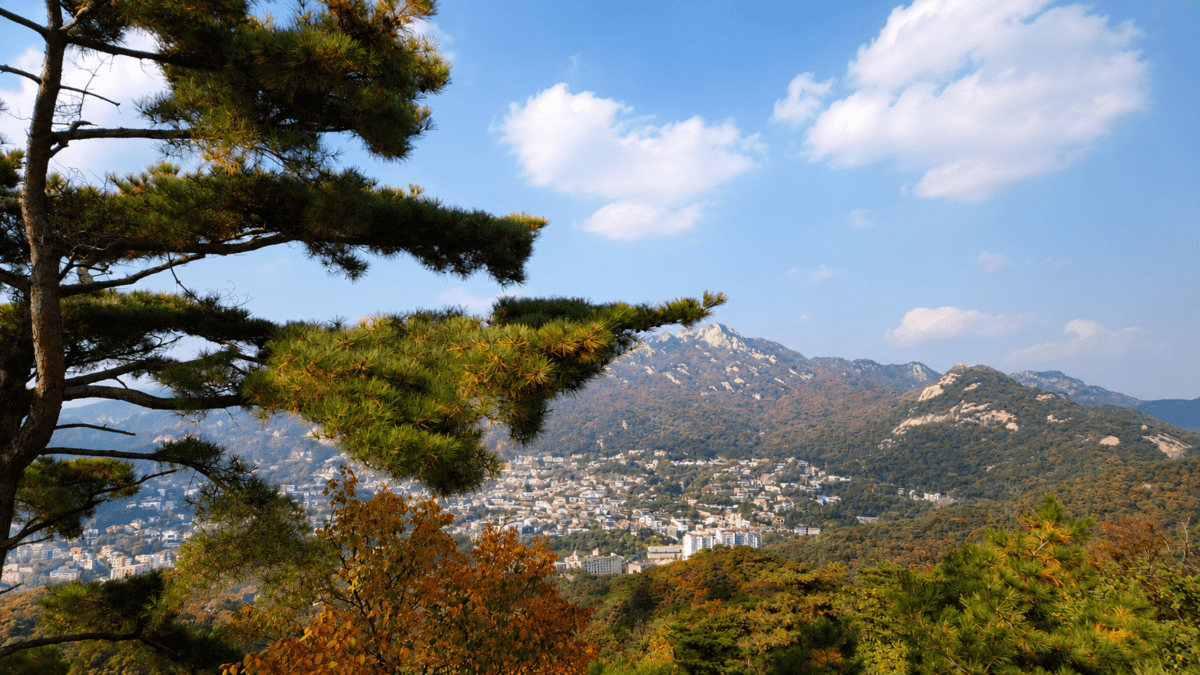
In Wood element K-Saju, this failure mode isn’t laziness. It’s a specific kind of exhaustion that comes from never landing.
In K-Saju analysis, a Wood imbalance shows up in predictable places. The work history that reads as restless rather than progressive. The relationships that end not with conflict but with drift — the moment the connection stops feeling generative, the pull toward something new becomes louder than the pull to stay and deepen. The chronic sense of being behind, no matter how much is happening, because the finish line keeps moving.
In relationships, Wood imbalance has a specific signature. It’s not that connection is hard — connection is easy. Wood is extraordinarily good at beginnings. The first conversation that goes three hours without either person noticing. The early phase of a friendship when everything is still generative, still expanding, still new. Wood thrives here.
What Wood finds structurally difficult is the phase that comes after. The point where a relationship stops expanding and starts deepening. Where the interesting surface has been covered and what’s left is the slower, less immediately rewarding work of actually knowing someone — their repetitions, their contradictions, their needs on a bad Tuesday. This phase doesn’t feel like growth. It feels like staying still.
And Wood, without Metal to define what’s worth keeping and Water to make depth feel like accumulation rather than stagnation, reads staying still as a signal to move. Not because the relationship has failed. Because it has stopped feeling like forward.
What makes Wood imbalance particularly hard to read from the inside is that it never feels like a problem. It feels like aliveness. The urgency is real. The new direction genuinely does make sense. The problem isn’t the individual decision — it’s the pattern those decisions make over time.
K-Saju reads this at the structural level. Not “why did she leave that job” but “what is the force configuration that makes leaving always feel more correct than staying.” Not “why can’t he commit” but “what is depleted in this chart that makes depth feel like stagnation.”
The answer is almost always the same: Wood dominant, with Water and Metal both running low.
Too much initiation. Not enough accumulation. Not enough discernment.
The force that can’t stop growing hasn’t learned — yet — that some kinds of growth require staying still.
How Wood Feeds Fire — and What Happens Before
Here’s what changes when Wood is balanced.
Wood feeds Fire (화: hwa). Initiation creates the conditions for visibility. The projects Wood starts become the material Fire brings into full expression — seen, received, landing. This is the cycle working. You begin something and it actually goes somewhere. The momentum isn’t just internal. It produces something external.
But this only happens when Wood has done its full job before handing off to Fire. Wood that scatters before consolidating gives Fire nothing to work with. The visibility phase arrives and there’s no structure underneath it — nothing solid enough to sustain what Fire needs to express.
You can feel the difference from the inside. There are launches that land — work that goes out and immediately finds its people, a conversation that opens the right door, a project that gets seen before you’ve had to push it. And there are launches that disappear. Same effort, same visibility, same external conditions. But the Wood underneath wasn’t ready. The idea hadn’t been held long enough to have real density. It went out before it had weight.
This is what K-Saju means when it talks about Wood consolidating before Fire activates. Not more preparation in the anxious sense — more time in the generative sense. Letting the roots develop before the thing above ground needs to hold its own weight. The difference between work that lands and work that vanishes is often not the Fire moment itself. It’s what happened in the Wood phase before it.
This is why some people have enormous presence but nothing to show for it. The Fire is real. The Wood beneath it never consolidated.
And Water feeding Wood matters as much as Wood feeding Fire. Water is what allows Wood to grow with depth rather than just speed. The accumulation of experience, reflection, time with ideas before acting on them — that’s Water doing its job underneath Wood. When Water is starved, Wood grows fast and shallow. Impressive from a distance. Brittle up close.
The generative cycle isn’t a metaphor. It’s a diagnostic. When you can see where it breaks down in your own life, you can see exactly which force needs attention — and when.
Wood Dominant: What the Configuration Requires
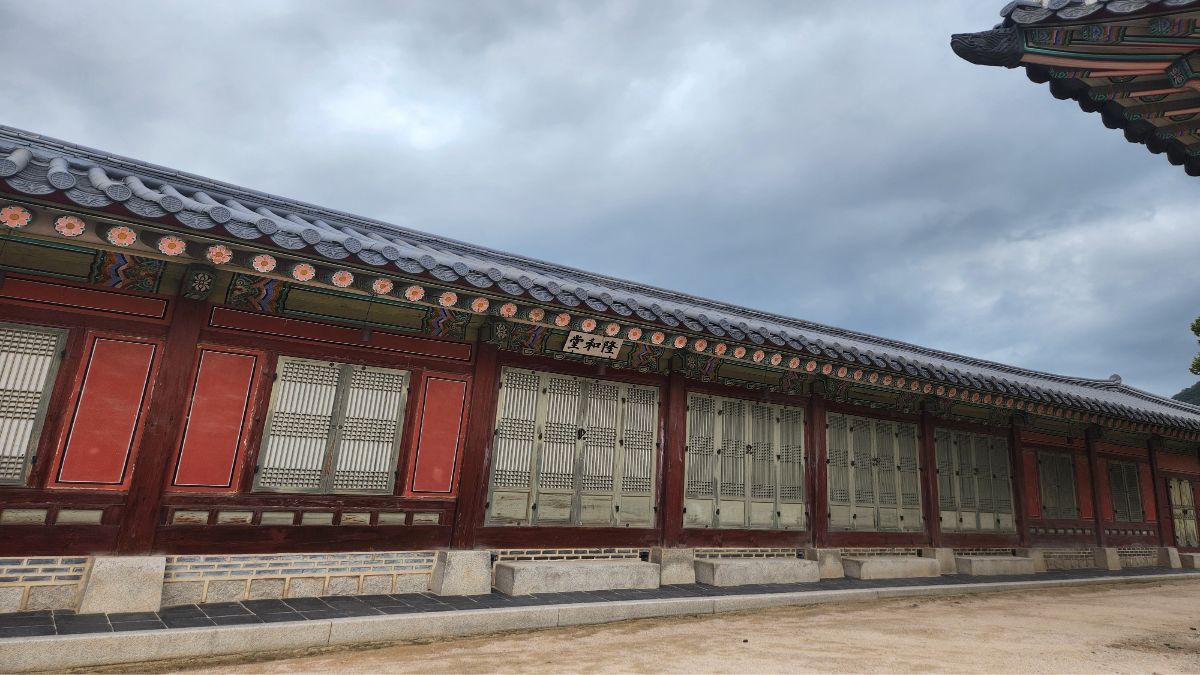
In a Wood element K-Saju reading, dominance in the chart isn’t a verdict. It’s a starting point.
The question isn’t whether Wood is present — it’s what’s present alongside it. A chart with strong Wood and strong Metal has a built-in discernment mechanism. The growth instinct and the editing instinct exist in productive tension. This person starts a lot, but they also cut a lot. They know — sometimes painfully — when something is finished.
A chart with strong Wood and weak Metal is a different structure entirely. The initiation force runs without its natural counterweight. Not because there’s anything wrong with this person’s judgment — but because the force configuration makes staying and finishing structurally harder than starting and moving.
Understanding this distinction matters because it changes the question. The question isn’t “why can’t I finish things” — a question that points inward, toward character. The question is “what conditions does my particular force configuration require in order for completion to become possible” — a question that points toward strategy.
That’s the shift K-Saju makes. From self-diagnosis to structural reading. From “what’s wrong with me” to “what does this configuration need.”
If Wood is your dominant force, it doesn’t need to be fixed. It needs to be understood well enough to work with — which means knowing what it requires, what it depletes, and what force needs to be cultivated alongside it to give all that growth somewhere real to go.
In practice, this looks like specific adjustments rather than personality overhauls.
A Wood-dominant person in a Metal-depleted cycle benefits from building finishing into the structure of how they work — not as discipline, but as design. Deadlines that exist before the work feels ready. Commitments made to others before the internal pull to move arrives. Not because they can’t finish without external pressure, but because the force configuration makes external structure do the work that Metal would otherwise provide internally.
Water cultivation looks different. It’s slower and less visible, which is exactly why Wood tends to skip it. Sitting with something before acting on it. Letting an idea run for longer than feels comfortable before building around it. Choosing depth over speed in at least one area — not all of them, but one — and watching what accumulates when the growth instinct is given something to grow into rather than just through.
None of this is about suppressing Wood. Wood is the force that starts things. Without it, nothing begins. The work is giving it the conditions it needs to do more than begin.
Content in this post was created with AI assistance.