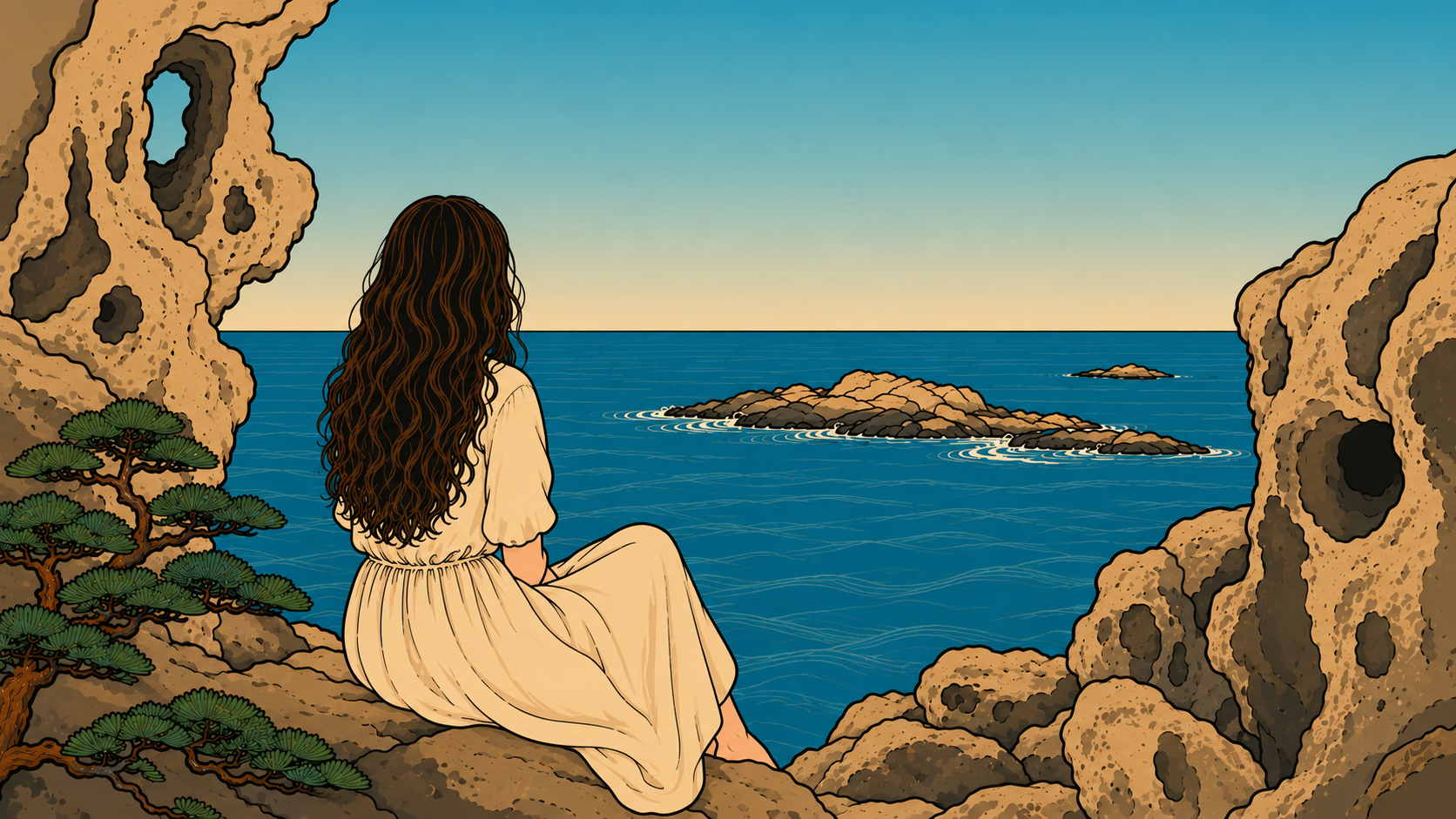

Someone asks you what you want. It’s a simple question. A normal question. The kind of question people ask each other all the time.
And you freeze.
You don’t know how to answer. Not because you’re thinking about it. But because the question itself feels foreign. Like someone’s asking you to answer in a language you’ve forgotten how to speak.
What do you want?
You have no idea. And that absence—that complete blankness where your wants should be—is when you finally understand what’s been happening. You haven’t just been accommodating other people’s needs. You’ve been abandoning yourself. You’ve been so focused on becoming the version of yourself that people needed that you’ve lost touch with the version of yourself that actually exists.
This is self abandonment. It’s not the dramatic kind you see in movies. It’s not about running away or breaking down. It’s the quiet kind. It’s the kind that happens so gradually that you don’t even notice until someone asks you a simple question and you realize: you don’t know who you are anymore.
The Self Abandonment Hidden Inside Adaptation
You thought you were being flexible. You thought you were being kind. You thought you were just adapting to what situations required.
But adaptation, when it goes this far, stops being a skill and starts being self abandonment.
Self abandonment is when you adapt so completely to what others need that there’s nothing left of what you need. It’s when you become so good at reading the room that you lose the ability to read yourself. It’s when you spend so much energy becoming what others want that you forget what you actually are.
And the thing about self abandonment is that it doesn’t feel like abandonment when it’s happening. It feels like generosity. It feels like maturity. It feels like understanding. It feels like love.
But it’s not love. It’s erasure.
You’ve erased yourself so completely that you’re not sure what’s left. You’ve adapted away all the sharp edges, all the inconvenient opinions, all the difficult needs. You’ve smoothed yourself down into something palatable. Something manageable. Something that doesn’t make anyone uncomfortable.
And in doing that, you’ve abandoned the person you actually are.
The version of you that has opinions that might conflict with others. The version of you that has needs that might be inconvenient. The version of you that wants things that might not align with what everyone else wants. That version—the real version—has been abandoned so thoroughly that she’s barely recognizable anymore.
What Happens When Desire Was Never Practiced
Desire is a skill. This is something nobody tells you. But it’s true.
When you grow up learning that your wants don’t matter, you don’t develop the ability to want. When you learn that your needs are secondary, you don’t practice asking for things. When you learn that your desires are inconvenient, you learn to suppress them.
And by the time you’re an adult, you don’t know how to want anymore. You can identify other people’s desires instantly. You can sense what others need before they ask. But your own desires? They’re a mystery to you.
Someone asks you what you want for dinner and you blank. Someone asks you what movie you’d like to watch and you defer to what they want. Someone asks you what you’d like to do with your life and you don’t even have an answer because you’ve never practiced wanting anything for yourself.
This is the cost of self abandonment. It’s not just that you’ve lost yourself. It’s that you’ve never developed the capacity to find yourself. You’ve never practiced the skill of knowing what you want. So even if someone gives you the space to want something, you don’t know how to do it.
Your desires have atrophied. They’ve been suppressed so long that they’re barely a whisper. And even when you finally get permission to want something, you don’t know how to listen to that whisper anymore.
The Life Built Around Other People’s Reactions

Your entire life has been designed around one thing: managing other people’s reactions.
Every decision you make is filtered through the question: what will they think? Every word you speak is calibrated to: will this upset them? Every move you make is calculated to: how will this affect their emotional state?
You’ve built a life where your actions, your words, your very existence is defined in relation to other people’s reactions. And because of that, you have no internal reference point. You don’t know who you are when nobody’s looking. You don’t know what you want when it’s just you. You don’t know what you believe when there’s no one to disappoint.
Self abandonment happens when this becomes your entire operating system. When you’re no longer making choices based on what you want or need or believe. When you’re making choices based purely on preventing negative reactions from others.
You’ve organized your entire life around avoiding other people’s disappointment. And in doing so, you’ve disappointed the person who matters most: yourself.
What Starts to Return When You Stop Performing

And then something shifts. Maybe it’s gradual. Maybe it’s sudden. But at some point, you stop performing. You stop adapting. You stop abandoning yourself for other people’s comfort.
And when you do, something begins to come back.
At first, it’s just a whisper. A sense that you have an opinion about something. A feeling that you want something different. A knowledge that you’re tired. These are small things. Barely perceptible. But they’re you. They’re the version of you that was abandoned starting to come back.
And the more you stop performing, the louder that whisper gets. The more you acknowledge your own needs, the more they surface. The more you allow yourself to be inconvenient, the more you remember who you actually are.
It’s not a clean process. It’s not a straight line back to yourself. Because you’ve spent so long in self abandonment that reconnecting with yourself is strange and uncomfortable. It requires you to disappoint people. It requires you to be difficult. It requires you to say no and ask for things and take up space.
But slowly, you start to remember. You start to remember that you have a voice. You start to remember that you have desires. You start to remember that you exist for more than just making other people comfortable.
And you realize: this whole time, what you were actually looking for wasn’t permission to stop accommodating others. What you were looking for was permission to come back to yourself. Permission to stop the self abandonment. Permission to exist as a full person, not just as a useful function.
And the person who has to give you that permission is you.
The Work of Finding Yourself Again
This is not a metaphorical journey. It’s practical. It’s messy. It’s a series of small rebellions that feel disproportionately difficult.
You say no to something you don’t want to do. And the guilt that follows is so intense you almost take it back. You admit that you prefer something different. And the discomfort of being an inconvenience is almost unbearable. You take space where you usually compress yourself. And the fear that you’re being selfish is overwhelming.
But each time you do it, something shifts. Not dramatically. Not in a way that fixes everything. But in the direction of yourself.
This is what reconnection feels like. It’s not a revelation. It’s a series of small choices. It’s saying what you actually think in a conversation. It’s choosing what you want to do instead of what you think you should do. It’s allowing yourself to be incomplete, imperfect, and inconvenient.
And it gets easier. Not in the sense that people stop being disappointed. Some people will be. But because you realize that their disappointment is not your responsibility. That your role is not to manage their emotions. That you can exist as a full person, with wants and needs and boundaries, and some people will leave and that’s okay.
This is the hard part. Not the self-discovery. But the self-acceptance. Not finding out what you want. But trusting that what you want matters. Not remembering who you are. But believing that who you are is enough.
When you stop abandoning yourself, you finally become available to yourself. And that’s when real change begins. Not the kind that makes everyone else comfortable, but the kind that makes you real.
The pattern was always there. You didn’t create it. But recognizing it—truly seeing it for what it is—that’s the moment everything shifts. That’s when the structure you’ve been living inside finally becomes a structure you can work with.
This post was planned and edited by a human, with AI assistance.