How to Stop People Pleasing — What Happens After (Part 15)
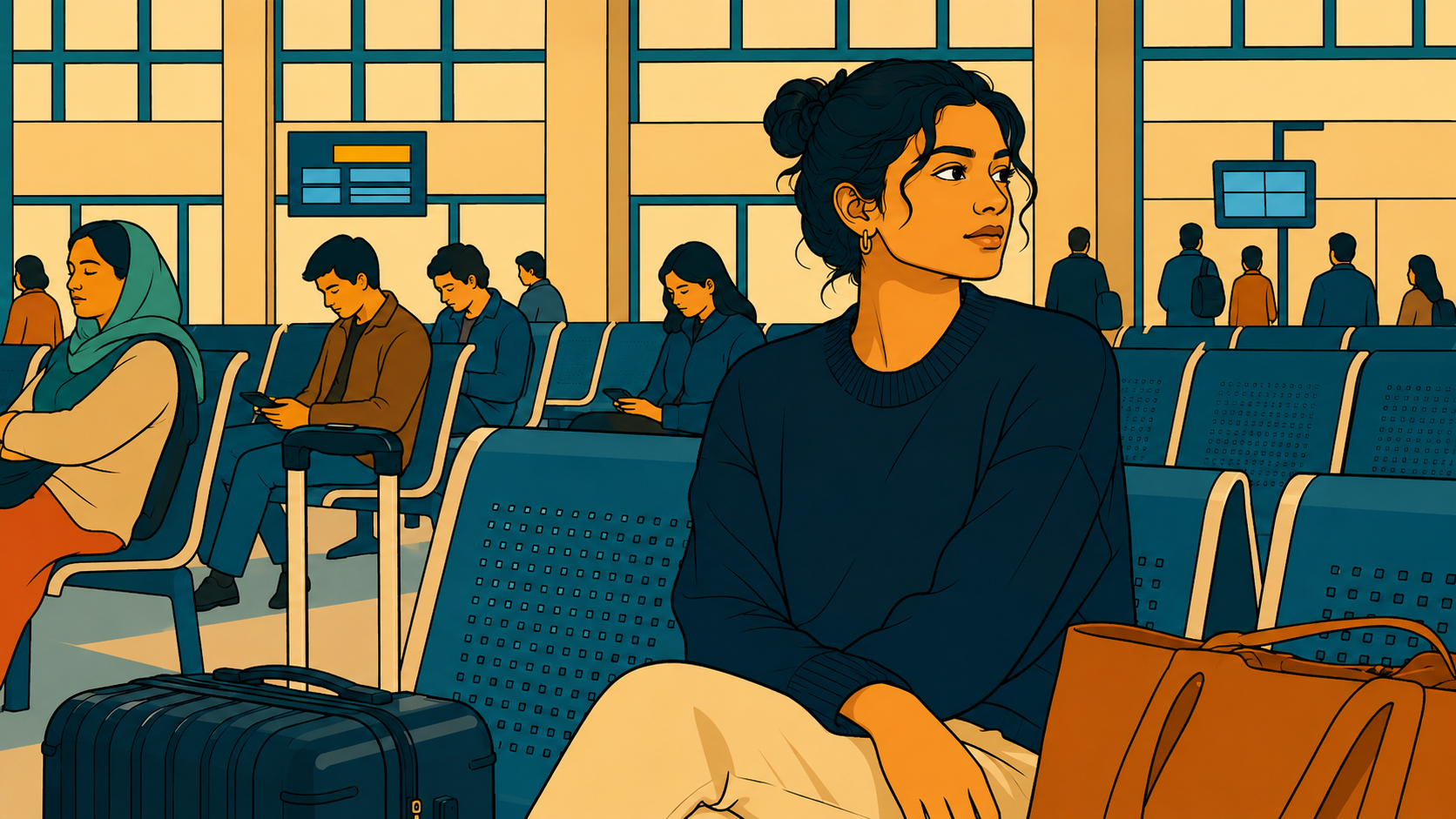
Learning how to stop people pleasing is only half the story. This is what actually happens on the other side — not freedom, but something slower.
Learning how to stop people pleasing is only half the story. This is what actually happens on the other side — not freedom, but something slower.

Authenticity after people pleasing isn’t uncovering a hidden self. It’s building one through practice — slowly, in relationships that can hold it.
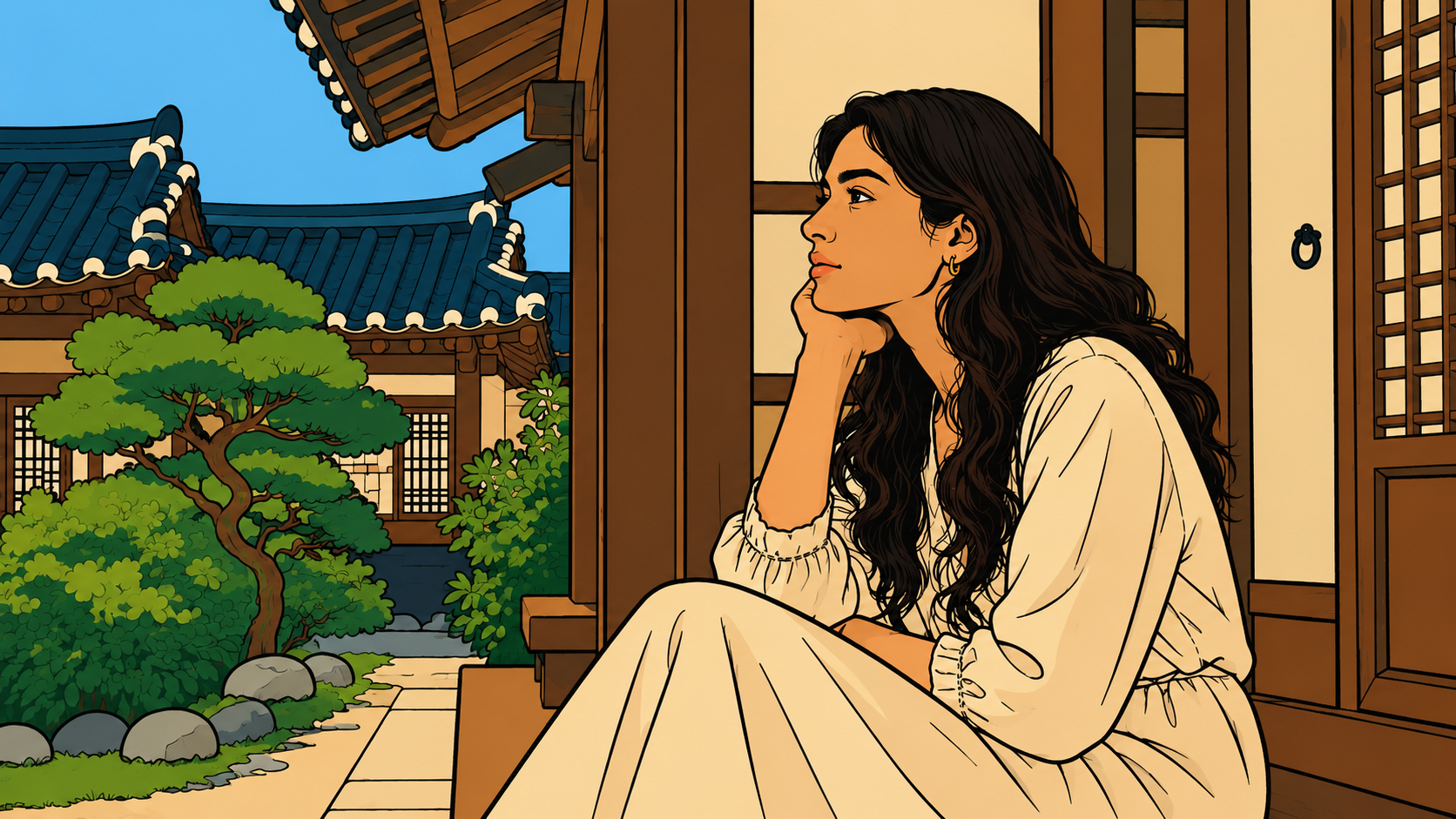
Quiet with one person, loud with another. Relationship roles aren’t a choice — your nervous system assigns them based on who feels safe.

Self abandonment is the quiet erasure of yourself for others’ comfort. Learn the signs, the patterns, and how to return to who you were before disappearing.
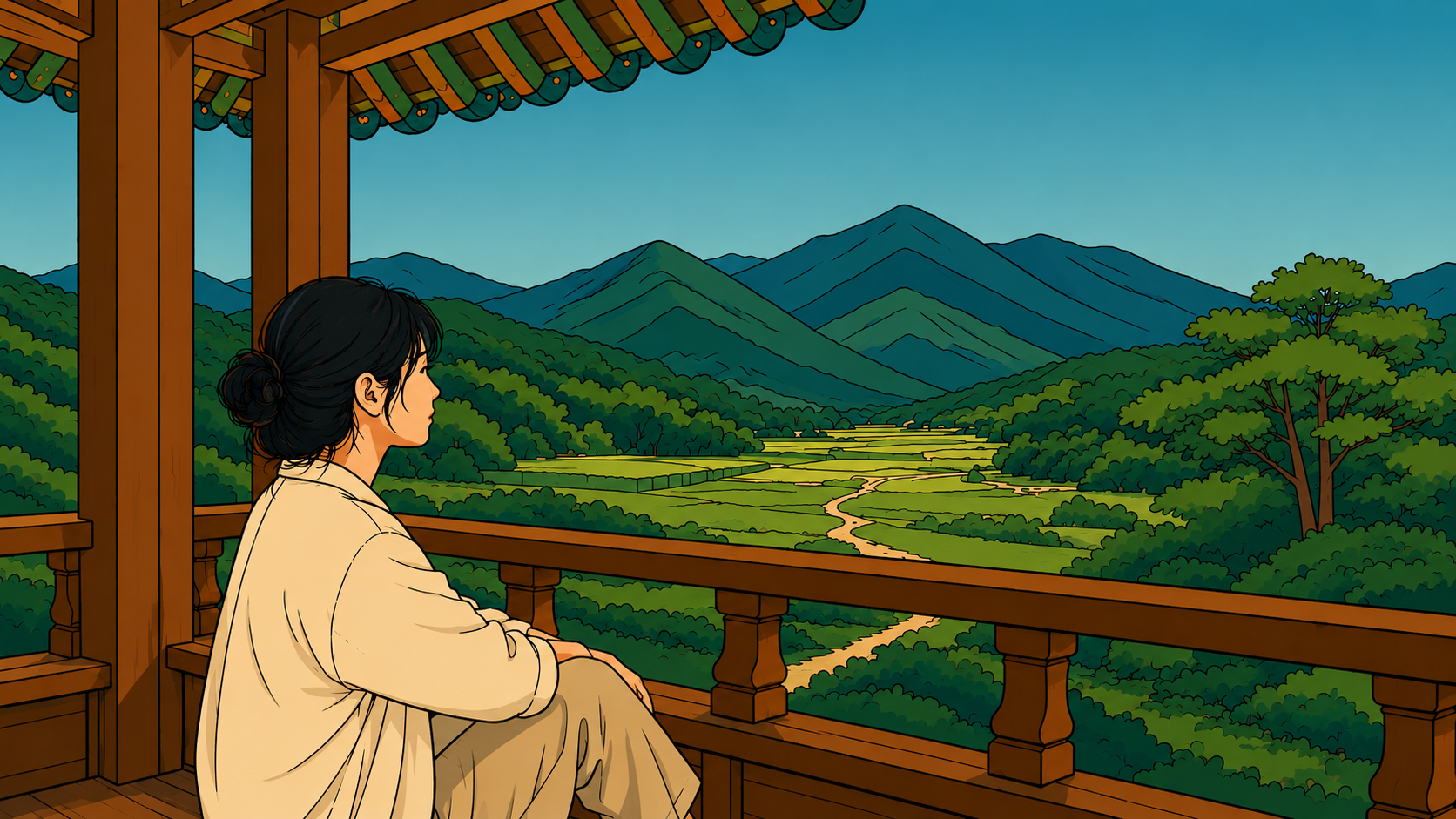
Everyone says you’re easy to be around. But feeling invisible while being constantly liked is its own quiet, exhausting kind of lonely.

Social masking is the constant editing of your authentic responses. Understand why being “easy” exhausts you and what it costs your relationships.
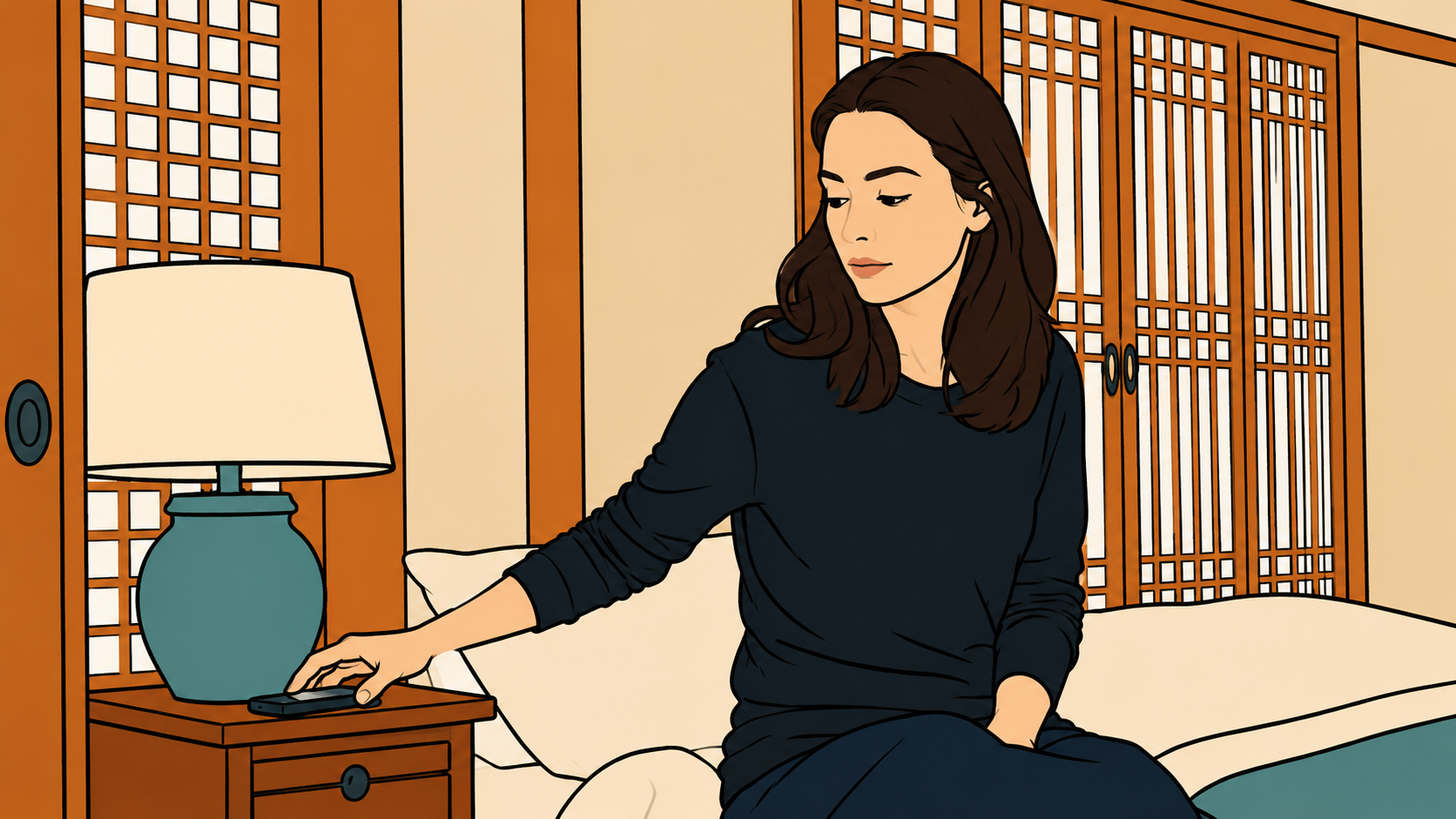
You stop explaining, apologizing, and performing for others. Discover what changes when you stop asking permission to exist and honor your own rhythm.
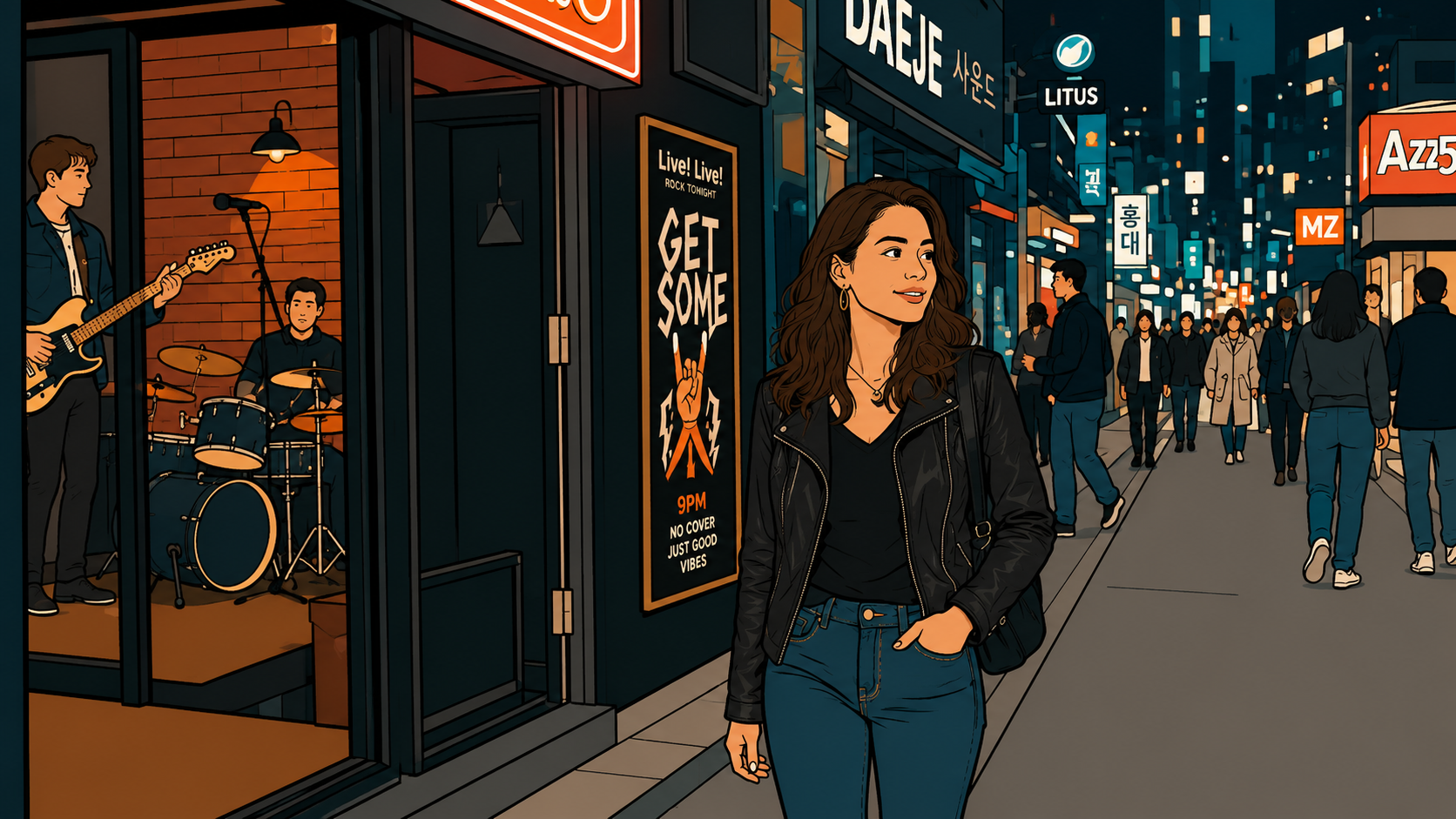
Night culture Korea doesn’t ask for credentials. Women and foreigners belong, and you can exist without productivity. Here’s what changes.
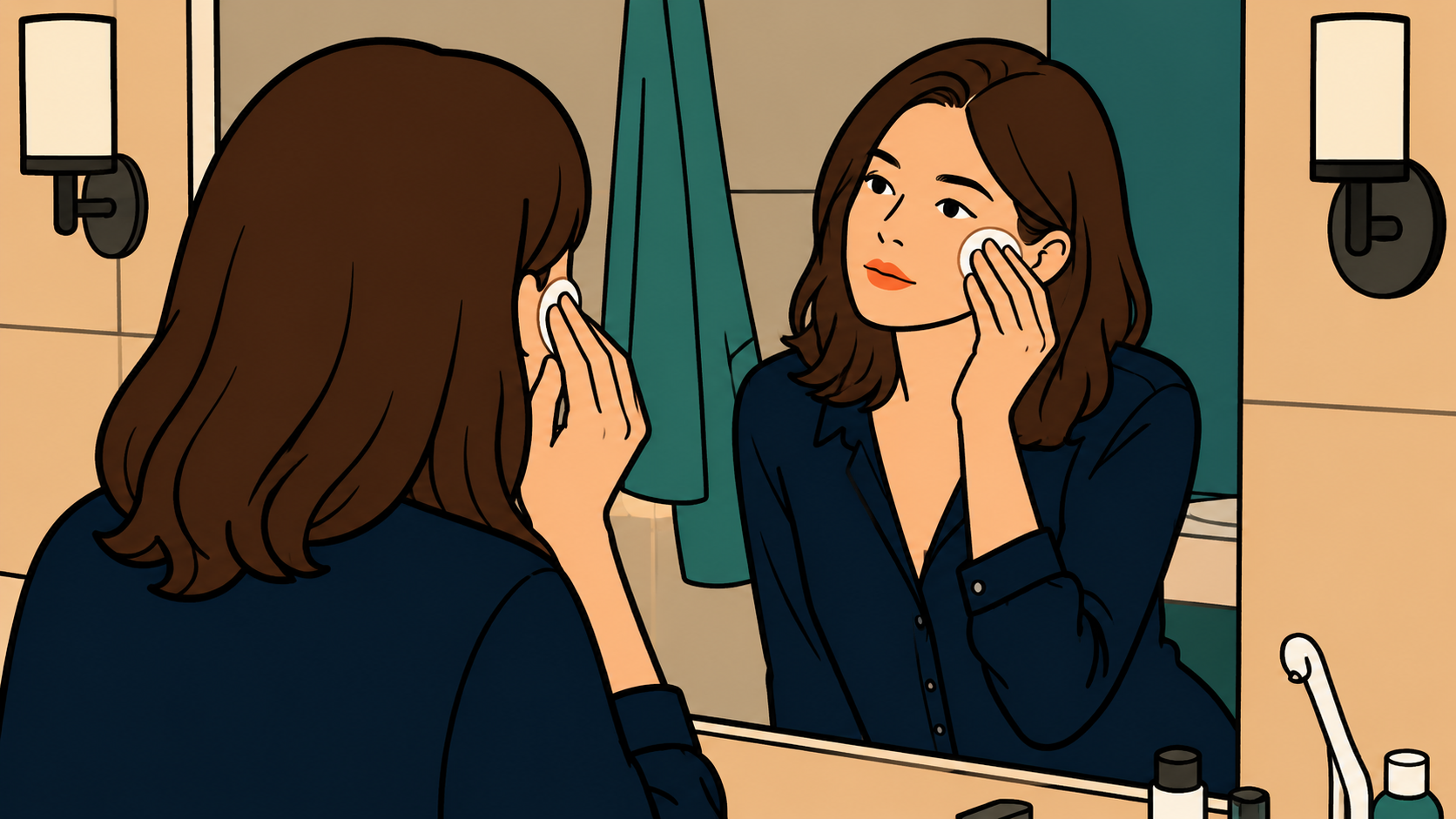
Hiding your true self isn’t a choice. It’s calibration — the edited version shown to others, and the one that surfaces only after everyone leaves.