Emotional Boundaries — Noticing Isn’t the Same as Owning (Part 5)

Emotional boundaries aren’t walls or scripts you memorize. They begin in the space between noticing someone’s feelings and deciding they’re yours.
Emotional boundaries aren’t walls or scripts you memorize. They begin in the space between noticing someone’s feelings and deciding they’re yours.

Empathy fatigue isn’t caring too much — it’s monitoring too much, a forecast on everyone’s mood that never shuts off. Here’s why it leaves you drained.

Taking things personally feels like insight, but it’s a verdict before the facts — a self-blame calculation running on repeat. Here’s how it works.
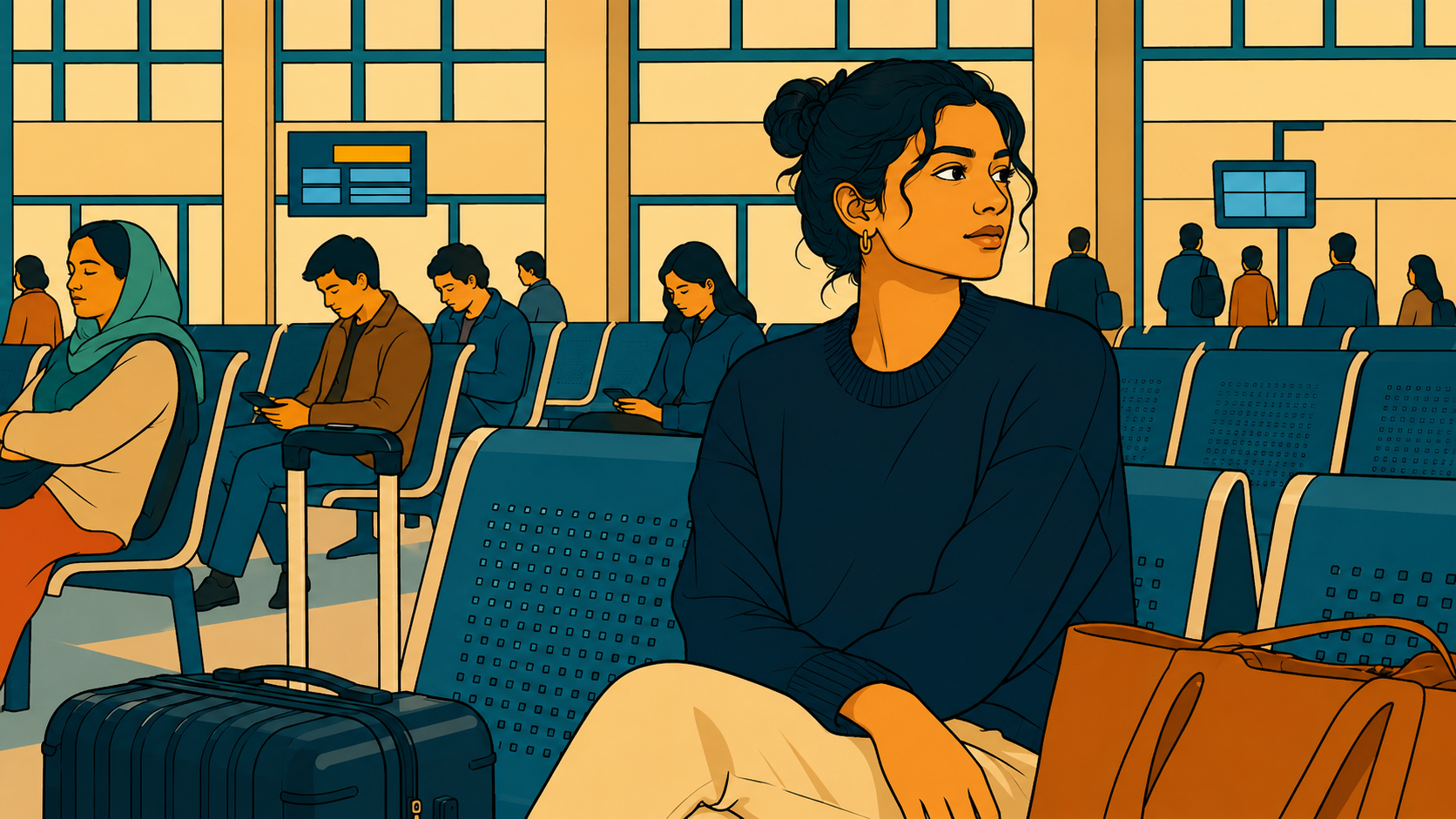
Learning how to stop people pleasing is only half the story. This is what actually happens on the other side — not freedom, but something slower.

Authenticity after people pleasing isn’t uncovering a hidden self. It’s building one through practice — slowly, in relationships that can hold it.

You’ve set the boundary before and watched it dissolve. Boundaries that stick don’t come from resolve. They come from conditions built over time.

You’re liked, you’re connected, your life looks full — so why the ache? Feeling lonely in a relationship often starts with the version of you that shows up.

Fear of rejection doesn’t wait for rejection to arrive. It runs the calculation in advance and restructures your behavior before anyone has said no.

Self abandonment is the quiet erasure of yourself for others’ comfort. Learn the signs, the patterns, and how to return to who you were before disappearing.

Everyone says you’re easy to be around. But feeling invisible while being constantly liked is its own quiet, exhausting kind of lonely.