When It Rains in Korea — The People You Think About During Jangma Season (Part 3)

The jangma season narrows the world to a smaller radius. Who it surfaces, what it asks of you, and why Korea doesn’t push you to act on any of it.
The jangma season narrows the world to a smaller radius. Who it surfaces, what it asks of you, and why Korea doesn’t push you to act on any of it.
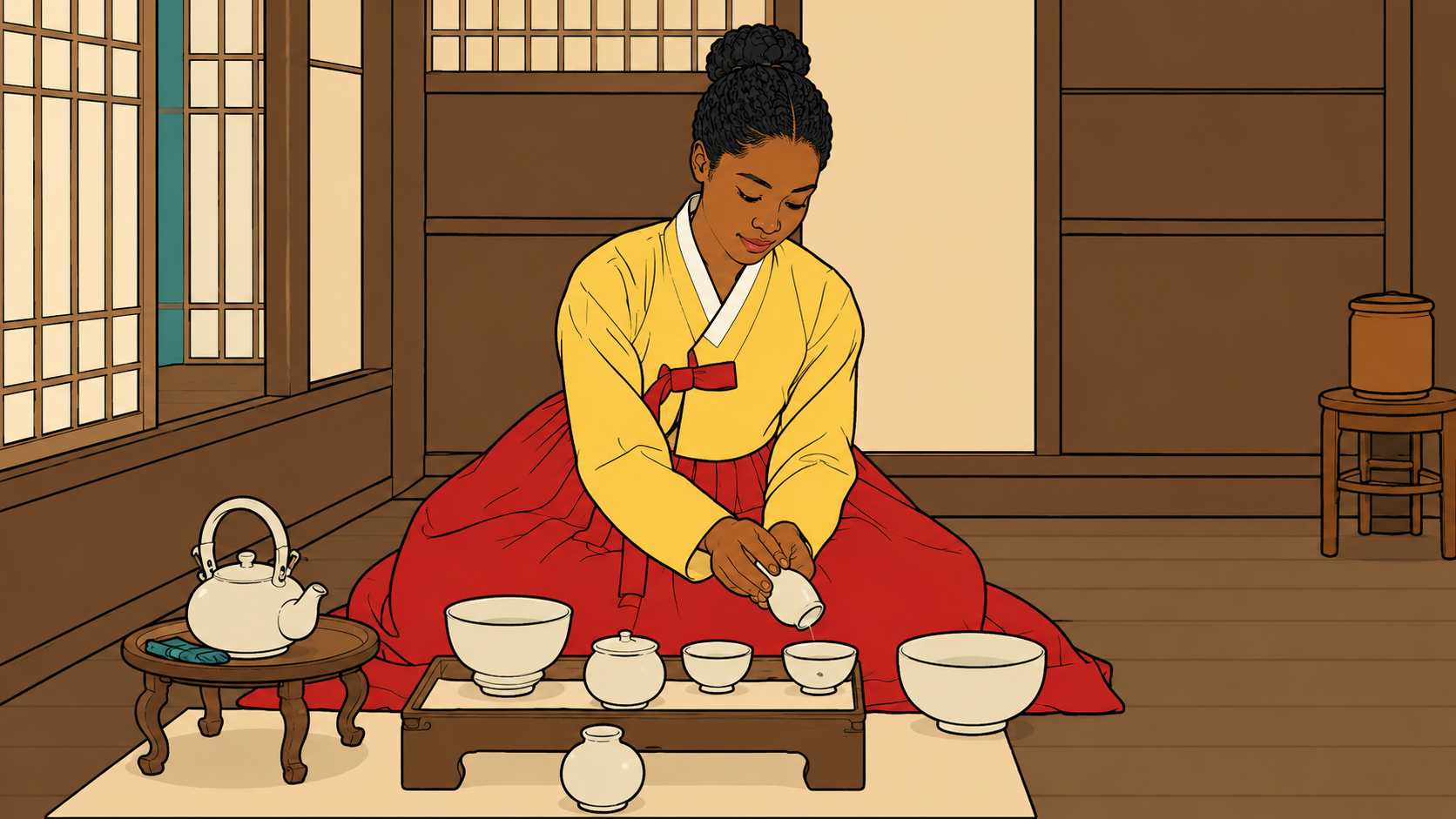
Korean tea houses don’t ask you to relax. The architecture does it for you. What these spaces do — and what visitors carry out with them.

Korean tea culture isn’t about health or tradition. It’s about what people are actually looking for when coffee stops giving them what they need.
You rested all weekend and you’re still tired. Social exhaustion doesn’t come from doing too much — it comes from monitoring that never turned off.
People pleasing and boundaries break down after they’re set, not when they’re set. The system that generated the people pleasing keeps running. Here’s why.
Fear of rejection doesn’t wait for rejection to arrive. It runs the calculation in advance and restructures your behavior before anyone has said no.
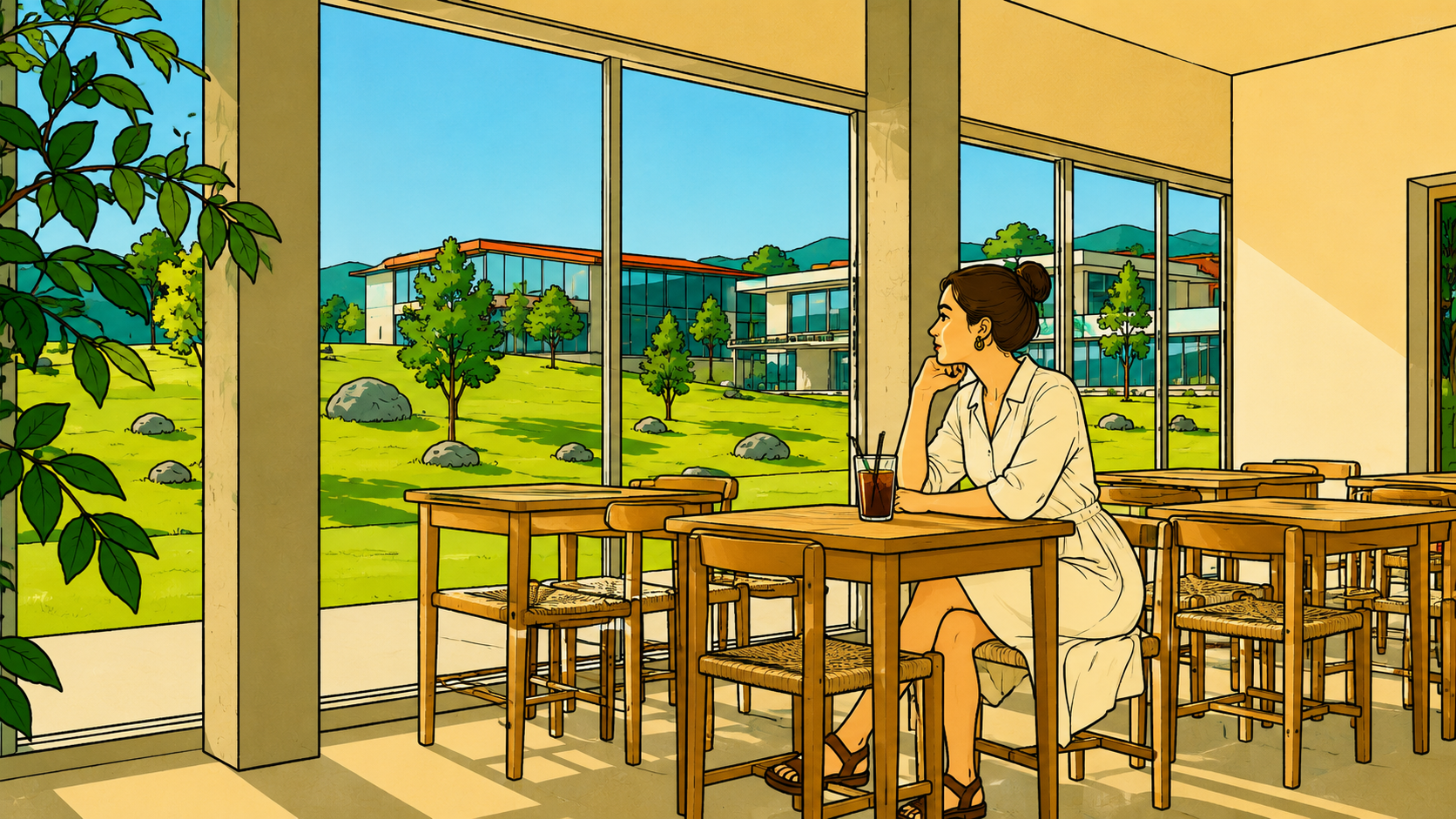
A nurturing personality in K-Saju is Jeong-in—care that lifts people up, until the support they lean on becomes the thing that keeps them small.

Secret knowledge in K-Saju is Pyeon-in—what you carry in private protects you, until the thing you hid quietly becomes the thing you can’t escape.

Legitimate power in K-Saju is Jeong-gwan—the authority people accept without force, until the order that steadied them becomes the cage that holds them.
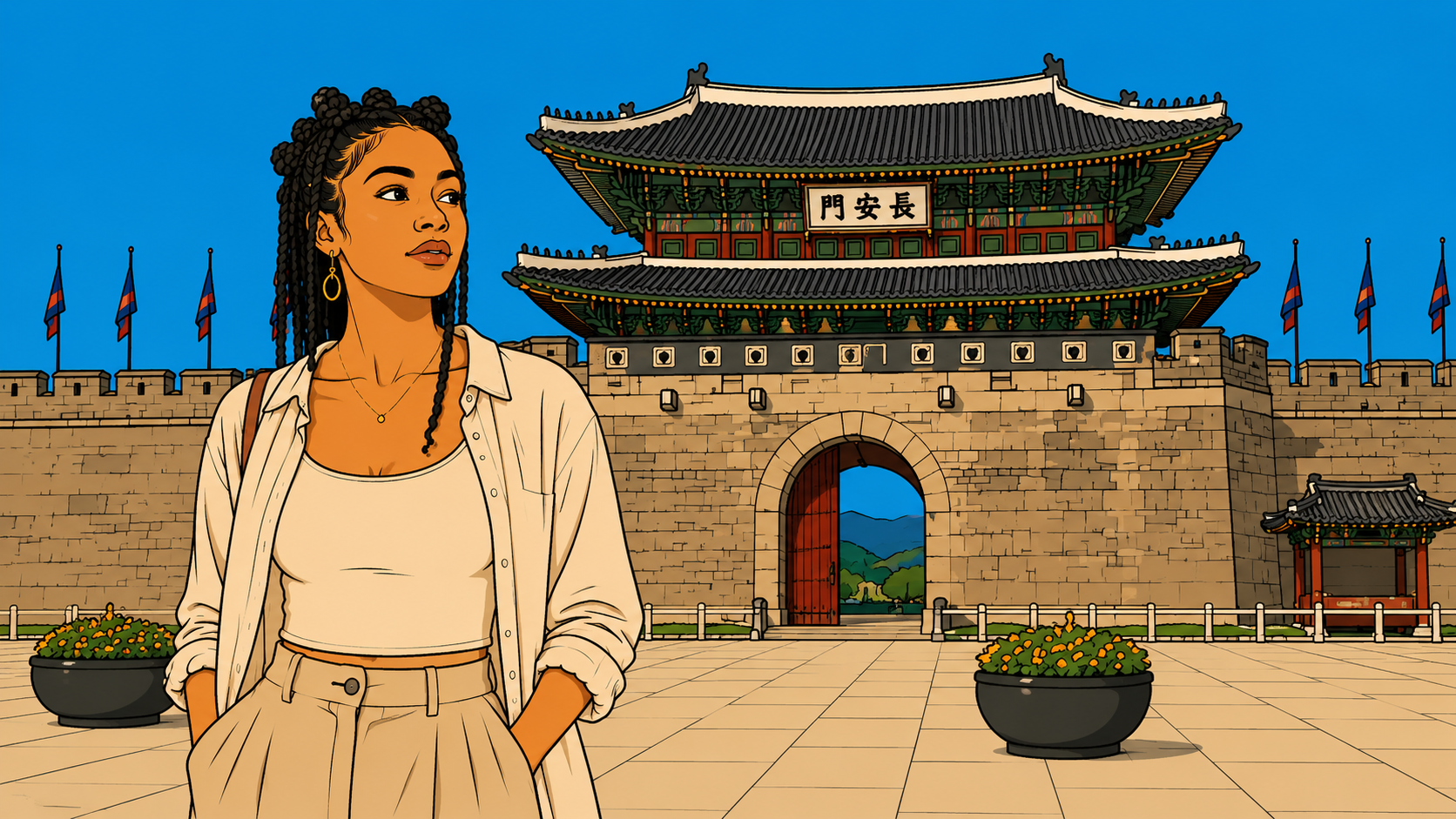
Micromanaging in K-Saju is Pyeon-gwan—the urge to seize control that breaks what was quietly working. Learn which side of the power you carry.