

You know something that saves you. A secret. A hidden skill. This secret knowledge is something nobody else sees. And it keeps you safe. The knowledge that only you carry becomes your shelter, your escape route, your way out when everything else fails.
And then the knowledge changes you. The thing you’ve hidden becomes the thing you can’t escape from. You become so adapted to the secret that you can’t exist without it. Pyeon-in (편인: pyeon-in, displaced seal)—the force of hidden knowledge—determines whether your secrets protect you or mutate you, whether what you know in private sustains you or transforms you into something unrecognizable, whether carrying secrets becomes your salvation or your destruction.
This is not about intelligence or skill. Secrets are structural. Some people are positioned to carry them as protection. What they know sustains them. Keeps them safe. Gives them power nobody else has access to. Others carry secrets that transform them. The knowledge changes them. Distorts them. Makes them unrecognizable even to themselves. The difference is not in the size of the secret or the person’s intention. It’s whether your structure is built to carry secrets without being consumed by them. Some structures hold a secret and remain intact. Others are fundamentally altered by the act of carrying it.
How Pyeon-in Operates Through What’s Hidden
Pyeon-in literally means “displaced seal”—the force of hidden knowledge that carries secrets, that holds what’s private, that transforms through what’s kept hidden. In the ten-force system, it is the mechanism of displacement. Where Jeong-in (정인: jeong-in, pure support) is knowledge that sustains openly, Pyeon-in is knowledge that sustains in shadow. It is secret knowledge—what you know that others don’t, what you hold that others can’t see. What you understand that gives you power or creates your escape.
Unlike most other forces, Pyeon-in is not about interaction with anything external. It’s about your relationship with secrecy itself. With what’s private. With knowledge that operates in darkness. A person with strong Pyeon-in doesn’t just carry secrets—the secrets have them. They’re structurally positioned to carry what’s hidden. They’re built to understand things that operate below the surface. They exist in multiple realities simultaneously: the public one that everyone sees and the secret one that sustains them.
Most people confuse Pyeon-in strength with intelligence or mysteriousness. But this force is not about being smart or cryptic. It’s about being structured to operate through what’s hidden. A person with strong Pyeon-in could be ordinary and still carry secrets that save their life. They understand things implicitly, without being taught. They navigate through private knowledge without conscious effort. The force doesn’t require exceptional intelligence. It requires the structural capacity to hold secrets without being destroyed by them—to use them as protection rather than letting them consume the person who carries them.
Most people confuse Pyeon-in weakness with transparency or honesty. But weakness here is not about integrity. It’s about inability to sustain secrets. A person with weak Pyeon-in can keep information private but the secrets don’t help them survive. What they hide doesn’t protect them. They can’t operate through shadow knowledge because the structure doesn’t support it. Everything they try to conceal becomes a liability. The hiding itself becomes the problem rather than the solution.
When Secrets Protect and Then Consume

A person with strong Pyeon-in carries secrets—hidden knowledge that protects them—naturally. Not through effort or intention. Just through existing. They know things they’ve never been formally taught. They understand situations without explanation or exposure. They have access to knowledge that others don’t even know exists. And this knowledge sustains them. Protects them. Gives them quiet power. The secrets they carry are the foundation of their survival, the ground beneath their feet even when everything else collapses.
In work contexts, strong Pyeon-in creates a particular dynamic: secret knowledge gives them advantage. They understand unspoken dynamics that others miss entirely. They navigate office politics through perception that operates below the surface. They have private knowledge—a skill nobody sees, a relationship nobody knows about, an understanding of how things actually work—that makes them valuable. Nobody can articulate why they’re so effective. But they are. What they know secretly is the source of their power and their protection within systems that would otherwise expose them.
The problem with strong Pyeon-in is that the knowledge protecting them also transforms them. You become so adapted to operating through what’s hidden that you can’t function without it. You become split between the self you show the world and the self sustained by secrets. The gap between them grows wider with time. The public self becomes a performance. The private self becomes the truth. And over time, what you keep hidden—the real self—consumes and replaces the public one.
Strong Pyeon-in in personal relationships means you carry things nobody else knows. Secrets about yourself. Secrets about the relationship dynamics. Information that nobody else has access to. This knowledge keeps you safe in the relationship. Protects you from being fully known. But it also isolates you. The more you carry secretly, the less you’re actually present in the relationship. You’re existing in a parallel reality—the one sustained by what you know and nobody else does—while appearing to be in the actual relationship. You’re there but not there.
The deepest liability of strong Pyeon-in is mutation. The secrets that protected you become the thing that changes you fundamentally—not in ways others notice first. In ways you stop noticing.
The person you were before you started carrying these secrets becomes someone you don’t even remember. The escape route that saved you becomes the only place you can exist. And one day you realize you’ve become the secret itself. The knowledge you carried has consumed you so completely that you can’t distinguish between who you were and what you’ve become.
When Transparency Is the Only Foundation
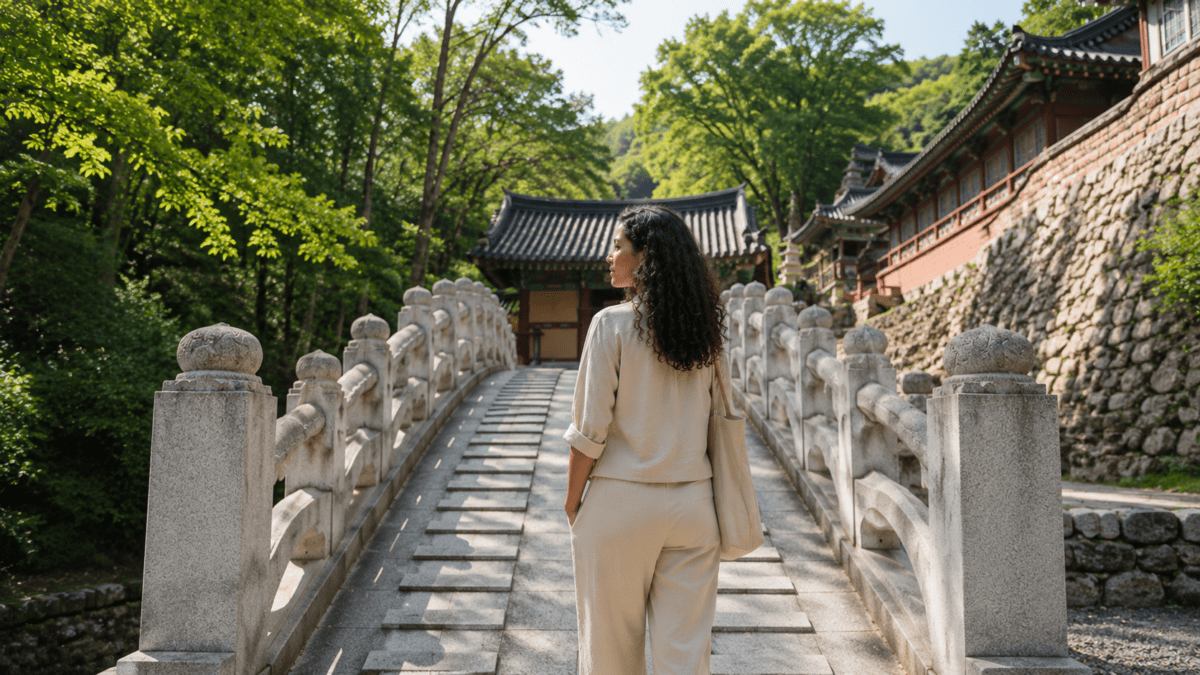
A person with weak Pyeon-in doesn’t naturally carry the hidden knowledge that sustains them. They can keep information private but the secrets don’t help them survive. They have to rely on what they can openly access. They have to exist primarily in the public reality rather than navigating through shadow knowledge.
In work contexts, weak Pyeon-in means you’re not the person with hidden advantage. You can’t operate through private intelligence effectively. Your power has to come from what you actually do or what everyone can see you do. You’re more exposed because you don’t have the secret foundation that others can hide in. But you’re also more stable because you’re not split between a public self and a hidden self. What you have is visible and therefore more solid.
This looks like vulnerability from the outside. But weak Pyeon-in also means you’re not consumed by secrets. What you carry doesn’t transform you. You don’t become unrecognizable to yourself. You’re who you appear to be. The integration between your public and private self is closer because you’re not carrying secrets that change you from the inside.
In personal relationships, weak Pyeon-in means you can’t hide behind private knowledge. You have to be more honest about yourself. You have to be more present in the actual relationship rather than in a shadow reality sustained by secrets. This is harder because you have less protection. But it also means the relationships you have are based on actual connection rather than private advantage.
The structural truth of weak Pyeon-in is that you’re protected from the mutation that comes from carrying secrets. But you’re also unprotected by the power that secrecy gives. You have to exist more openly, which means you’re more vulnerable, but also more real and grounded.
Where Hidden Knowledge Protects and Where It Consumes
Pyeon-in is about your relationship with secret knowledge—with what’s kept private, with understanding that operates in shadow. But how this shows up depends on what else is in the chart.
When you have both strong Pyeon-in and strong Jeong-in, you’re the person who carries knowledge that heals. You understand things deeply and carry what’s secret but it sustains rather than destroys. What you know privately supports you and potentially supports others. You operate through shadow knowledge but you don’t become consumed by it. You maintain integrity.
When you have strong Pyeon-in and weak Jeong-in, you’re the person the secrets consume. You carry information but you have no grounding in open knowledge. You’re unstable. What you hold privately transforms you until nothing familiar is left. You’re the person who disappears into the secrets they carry, replaced entirely by what they hide.
When you have weak Pyeon-in and strong Jeong-in, you’re grounded. You understand things openly. You don’t rely on private knowledge to sustain you. What you know openly supports you. You’re stable even though you don’t have the advantage that secrecy gives. You’re the person who builds through what’s visible rather than what’s hidden.
When you have weak Pyeon-in and weak Jeong-in, you’re the one who struggles to understand anything. You don’t have secret knowledge and you don’t have open knowledge either. You’re dependent on others to carry the understanding that sustains. You have no foundation in either shadow or open knowledge.
The most important context shift: Pyeon-in changes when secrets become dangerous. A person with strong Pyeon-in in a situation where secrets are safe is protected. A person with strong Pyeon-in in a situation where secrets become threatening becomes the target. The mechanism works or becomes a liability depending on whether carrying what’s hidden is an advantage or a danger.
The Strategic Shift When You Know Your Secrecy Pattern

Once you understand whether you have strong or weak Pyeon-in, the pattern of how secret knowledge operates becomes visible everywhere.
First, you stop blaming yourself for either being mysterious or being transparent. If you have strong Pyeon-in, you recognize that you naturally carry knowledge that protects and transforms. If you have weak Pyeon-in, you recognize that you operate through what’s visible and that’s your structural truth.
This distinction changes how you approach secrets and privacy. If you have strong Pyeon-in, the question becomes: how do I carry what I know without being consumed by it? How do I use my understanding to protect myself without letting it change me into something unrecognizable? If you have weak Pyeon-in, the question becomes: how do I build power and protection without relying on secrets?
Second, you stop expecting your structure to do what it can’t do. If you have strong Pyeon-in, you stop expecting that secrets will protect you forever. You recognize that what saves you can also destroy you. If you have weak Pyeon-in, you stop expecting that you can operate through hidden advantage. You start building power through what you can actually accomplish.
Third, you recognize that Pyeon-in doesn’t determine whether you’ll be safe or destroyed. It determines whether you naturally carry secrets that sustain you. A person with strong Pyeon-in who becomes aware of the mutation and actively resists it becomes someone who carries knowledge wisely. A person with weak Pyeon-in who accepts their transparency becomes grounded and real. The mechanism determines the starting point, not whether you survive.
The real insight: strong Pyeon-in is not protection. Weak Pyeon-in is not vulnerability. They’re different structural relationships to secrets and what’s private. Understanding which one you carry changes everything about how you approach what you keep hidden.
Once you see your structure, you stop expecting yourself to carry secrets like others and start managing what you know privately in ways that work with your structure. If you have strong Pyeon-in, you can choose to operate through shadow knowledge consciously, aware of the transformation it might bring, actively resisting the mutation that comes from being consumed by secrets. If you have weak Pyeon-in, you can choose to accept your transparency and build power through visibility rather than hiding.
What you carry in private will keep doing its work either way—protecting, feeding, slowly rewriting. Pyeon-in never asks whether you should have secrets. It asks something more uncomfortable: when did you last check what the secret is turning you into? The knowledge doesn’t announce its progress. You have to look while there’s still someone left who remembers looking.
This post was planned and edited by a human, with AI assistance.