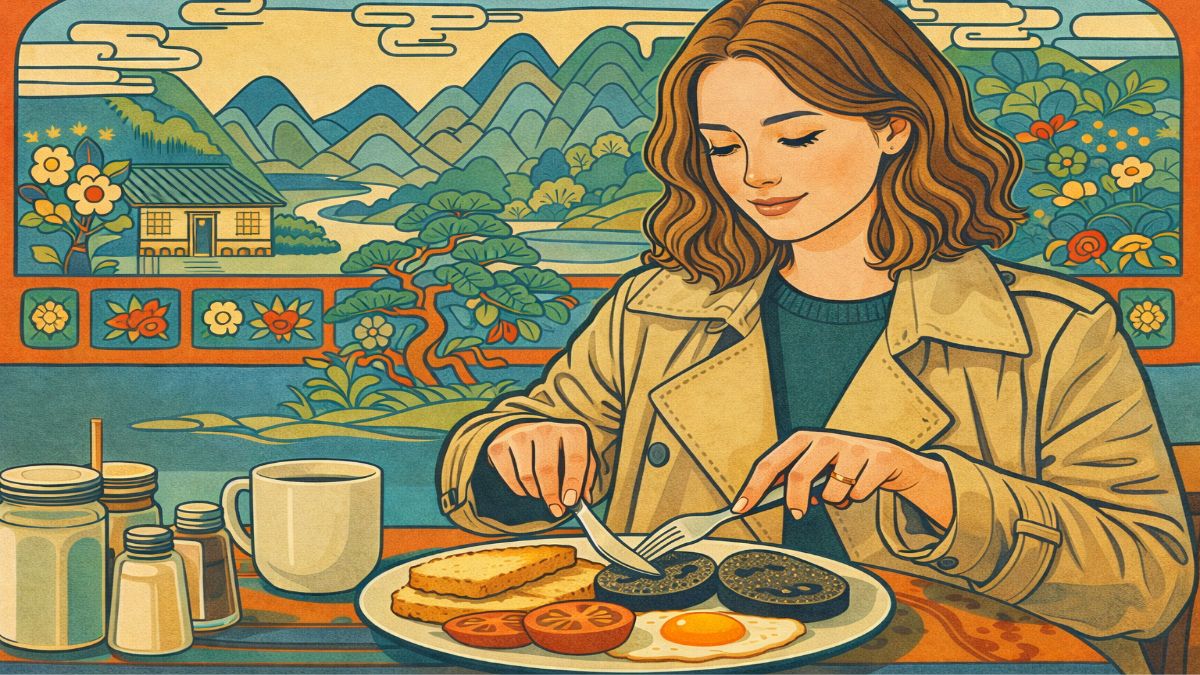
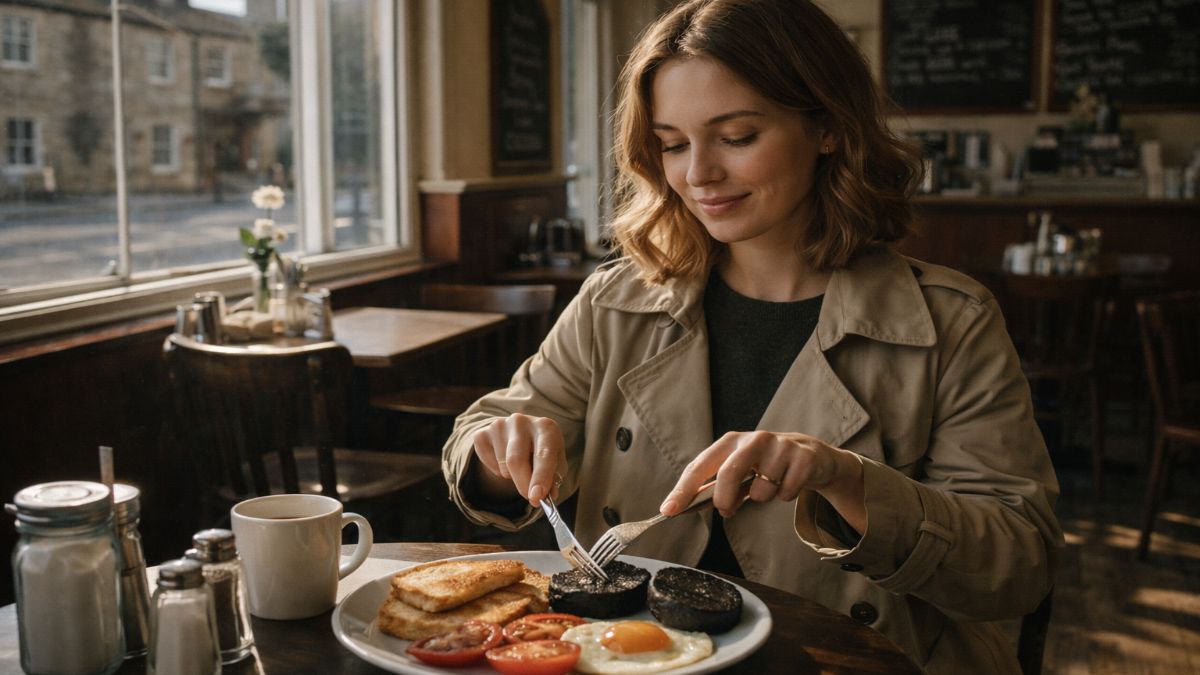
For most of Korean history, the most common bowl was beef. Soegogi-gukbap (소고기국밥: so-e-go-gi guk-bap, Korean beef soup with rice) — bones simmered long, broth deep, rice already in the bowl. Add seonji (선지: seon-ji, ox blood set and sliced) to that broth, and it becomes seonji-gukbap (선지국밥: seon-ji guk-bap, Korean ox blood soup with rice). Two bowls, one foundation.
The idea of cooking with blood is older than any single cuisine. In Britain, it’s black pudding. In Spain, morcilla. In France, boudin noir. Across most of the world, blood has been part of the kitchen for centuries — prepared, seasoned, and served without apology. Korea simply put it in the broth.
Today, pork and sundae have taken over the streets. But the beef bowl is still there, still running on the same logic it always has.
Korean Beef Soup: Bones, Broth, and Time
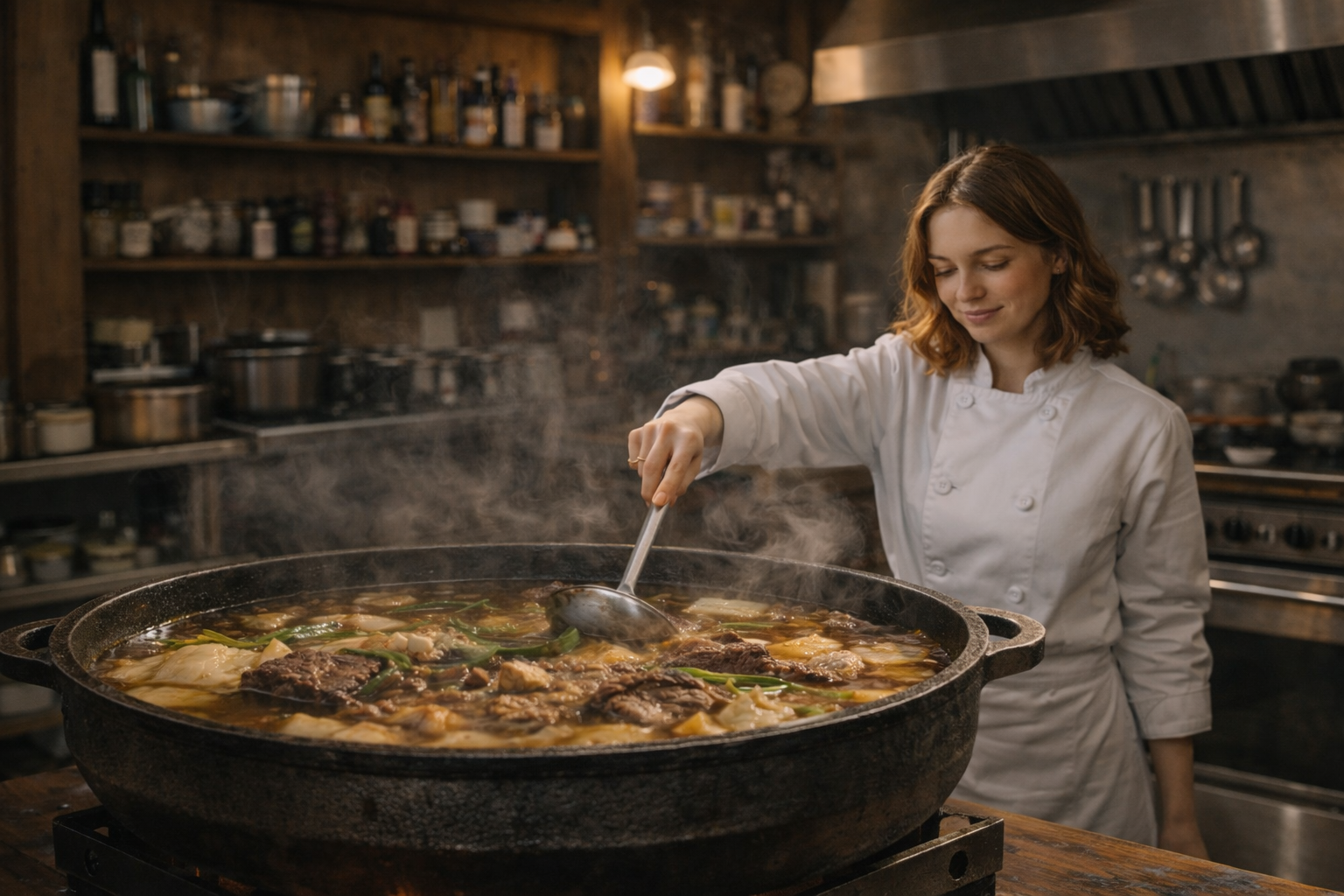
Soegogi-gukbap starts the night before — or earlier. A large pot, cold water, and beef bones. The heat goes on low and stays there. No shortcuts, no powder, no concentrate. Just the slow work of collagen breaking down, fat rising, depth building in a way that can’t be rushed.
By morning, the colour has shifted. What started pale and thin has turned rich and opaque. The smell has changed too — from raw to something that fills the room quietly, without announcing itself. This is the broth that goes into the bowl.
The beef itself is added in cuts — brisket, shank, or flank, depending on the kitchen. Simmered until tender, then sliced or pulled apart. Rice goes in already cooked. Green onion on top. The bowl arrives hot, complete, and ready.
The first spoonful is quieter than most soups. Not rich in the way that announces itself — no cream, no heavy seasoning, nothing that demands attention. Just a clean depth that builds as you eat. The kind of flavour that takes hours to make and seconds to understand.
What makes this Korean beef soup distinct is not any single ingredient but the ratio of patience to speed. The preparation is long. The service is instant. A customer sits down and the bowl appears before they’ve settled in — because the kitchen never stopped working.
This is the same logic that ran every Joseon-era jumak. Beef was the natural choice — cattle were part of daily life, bones were always available, and a pot of broth could feed many from what others might have left behind. The bowl was affordable, filling, and fast to serve once the broth was ready. For travelers, laborers, and merchants, it was the meal that kept the day moving.
It starts before anyone arrives. Everything else follows when it’s ready. Time is not a delay in this system. Time is the ingredient.
The Same Logic, A Different Pot
In Britain, they call it black pudding. In Spain, morcilla. In France, boudin noir. In Scandinavia, blood pancakes. The ingredient is the same across all of them — blood, collected, prepared, and eaten. The preparation differs. The logic doesn’t. No culture that raised animals for food looked at what was left and decided to throw it away.
Korea didn’t either. The blood was collected, mixed with salted water, and left to set. The result — seonji (선지: seon-ji, ox blood set firm and sliced) — goes into the broth whole, cut into thick pieces, and simmered until it holds its shape but yields to a spoon.
What seonji feels like in the bowl is hard to compare to anything else. Firm on the outside, yielding inside — not quite meat, not quite tofu. It doesn’t dissolve into the broth. It sits in it, holding its shape, releasing a quiet depth that settles underneath the beef without competing with it.
The flavour it adds is subtle. Not iron-forward, not heavy. It deepens the broth without announcing itself. Combined with the beef bone base, the bowl becomes something more layered: two ingredients working the same broth, each contributing what the other doesn’t carry.
She lifted a piece with her spoon. It was darker than the beef, denser. She ate it without quite deciding to. It wasn’t a familiar taste. And yet, there was no resistance. Her mind hesitated for a second, but her body had already decided it belonged. The broth after was different — warmer somehow, more complete. The kind of change you notice only once it’s already happened. That is what seonji does — not loudly, but completely.
Seonji-gukbap (선지국밥: seon-ji guk-bap, Korean ox blood soup with rice) is soegogi-gukbap with one thing added. Same system, same logic, same bowl. The broth carries both now — the long patience of bones and the quiet weight of blood — and the bowl is the better for it. The only difference is what went into the pot before the rice.
Still in the Pot
Walk into almost any gukbap restaurant in Korea today and Korean beef soup will be on the menu. Sometimes seonji-gukbap sits beside it. Sometimes both arrive in the same bowl — beef and blood, quiet about what they are.
The kitchen hasn’t changed much. Bones go in before dawn. By the time the first customer arrives, the hard work is already behind the counter. What fed Joseon travelers on the road feeds the office worker on a lunch break now. Different people, same bowl, same hour of preparation nobody sees.
What changes is who orders what. Soegogi-gukbap is the easier entry — clean broth, familiar beef. A first-timer points at the menu. A regular doesn’t look up. She just says the name and the server already knows which bowl is coming.
Seonji-gukbap arrives darker. The pieces of blood sit low in the broth, almost invisible until the spoon finds them. First-timers sometimes pause. Regulars don’t. They’ve already decided somewhere between the door and the seat.
A bowl that has run the same way for generations carries something the menu doesn’t list. Not nostalgia exactly — more like reliability. Walk in at six in the morning or two in the afternoon. The bowl that arrives is the same bowl. That consistency is not accidental. It is the whole point.
Outside, trends shift. Pork gukbap fills more streets now, sundae draws longer queues. The morning crowd thins and returns. Seasons pass. But the beef bowl stays — open early, broth already running, ready before the city decides what kind of day it’s going to be.
Some things don’t need to follow a trend to remain. They simply wait, and deepen, and are still there when the next person walks in hungry. That is the point between one cycle ending and another beginning.
The Bowl That Reads the Season
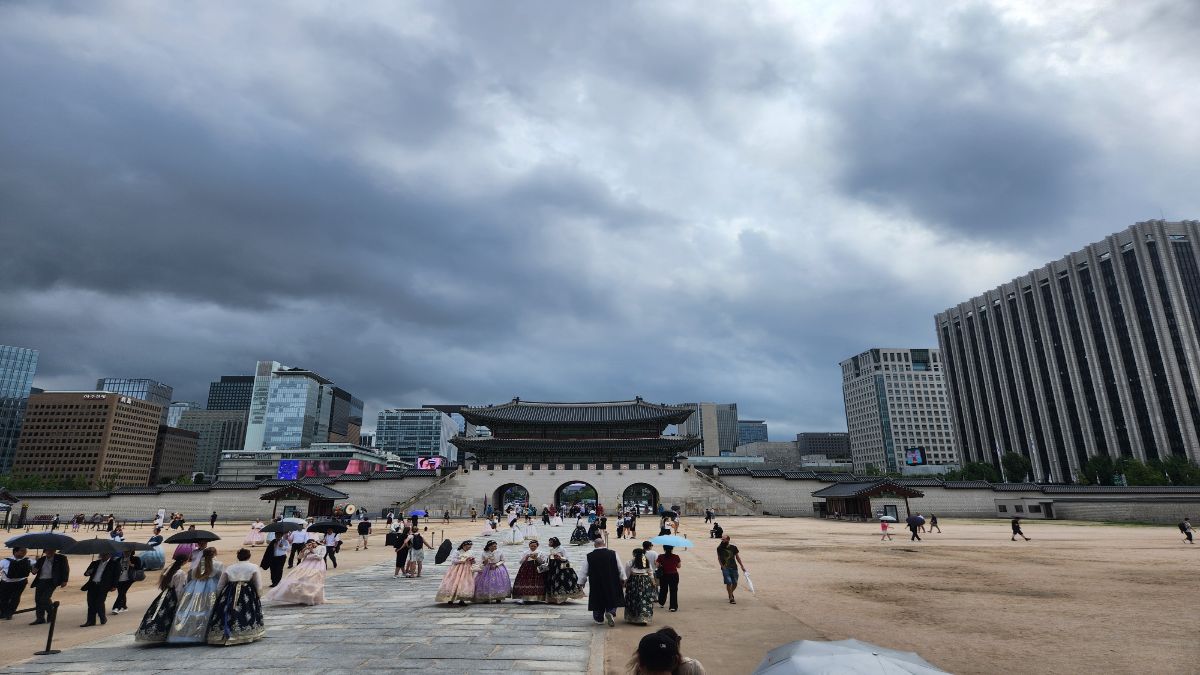
Soegogi-gukbap and seonji-gukbap have always been morning food. Not exclusively — they appear at lunch, at dinner, late at night after long hours. But their natural hour is early. Before the day has decided what it is. When the night hasn’t quite finished and the morning hasn’t fully arrived.
There is a particular kind of hunger that exists in that gap. Not just physical — the kind that comes after something has ended and what comes next hasn’t started yet. A breakup, a long shift, a night that went wrong.
At that hour, the restaurant is already open. The lights are on. Someone is behind the counter. The broth has been ready for hours. A person walks in, sits down, and the bowl arrives before they’ve figured out what they need. That is not coincidence. That is a kitchen that understood, a long time ago, that some people arrive before they’re ready to explain themselves.
The broth understands transitions. It was built in one long dark stretch before anyone arrived, in a kitchen where the work began while the rest of the city was still asleep. It meets people at the exact moment they need something steady. Not comfort in the sentimental sense — steadiness. The kind that comes from something that has been doing the same work for a very long time.
Korean philosophy has always paid attention to these moments — the point between one cycle ending and another beginning, when the direction hasn’t settled yet but something has already shifted. The bowl doesn’t explain that. It doesn’t need to. It just sits there, hot and ready, at the hour when most things are still deciding what they are.
Some foods mark the season. This one meets you inside it. Whatever you walked in carrying, the broth was already waiting.
Next: (Part 3) Korea’s Fast Food: The White Broth and the Clear One
Korean bone broth has been simmering in Seoul since the Joseon era. Seolleongtang and gomtang — the two bowls that beat the trend.
Some content in this post was created with AI assistance.