CU Convenience Store Korea — The Purple Sign You Learn to Trust (Part 3)

One color, every block, every city — CU convenience store Korea built its entire identity on a purple sign you learn to trust without reading it.
One color, every block, every city — CU convenience store Korea built its entire identity on a purple sign you learn to trust without reading it.
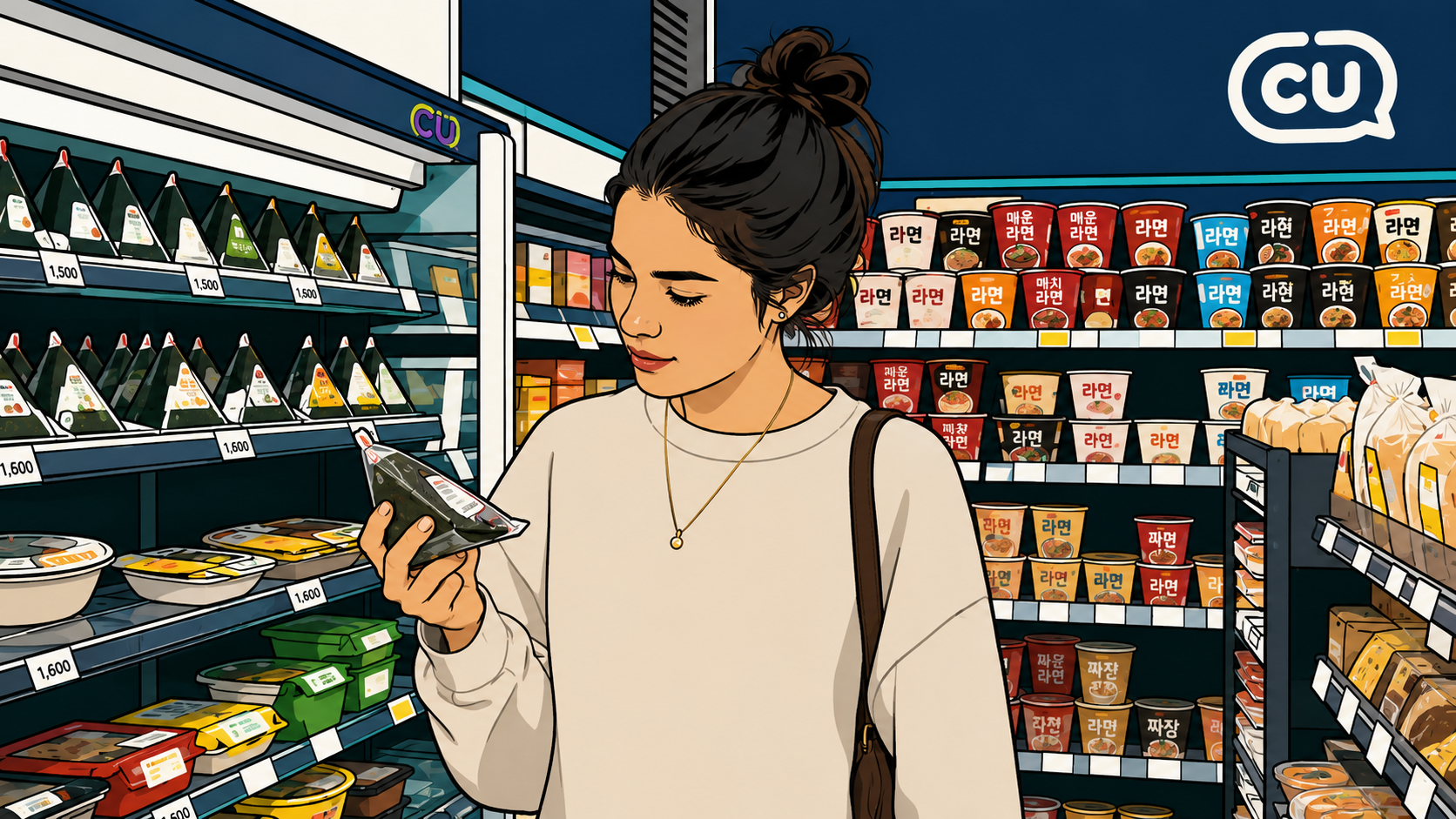
No stove, no wait, no explanation needed — Korean convenience store food is built for the fifteen minutes between one obligation and the next.
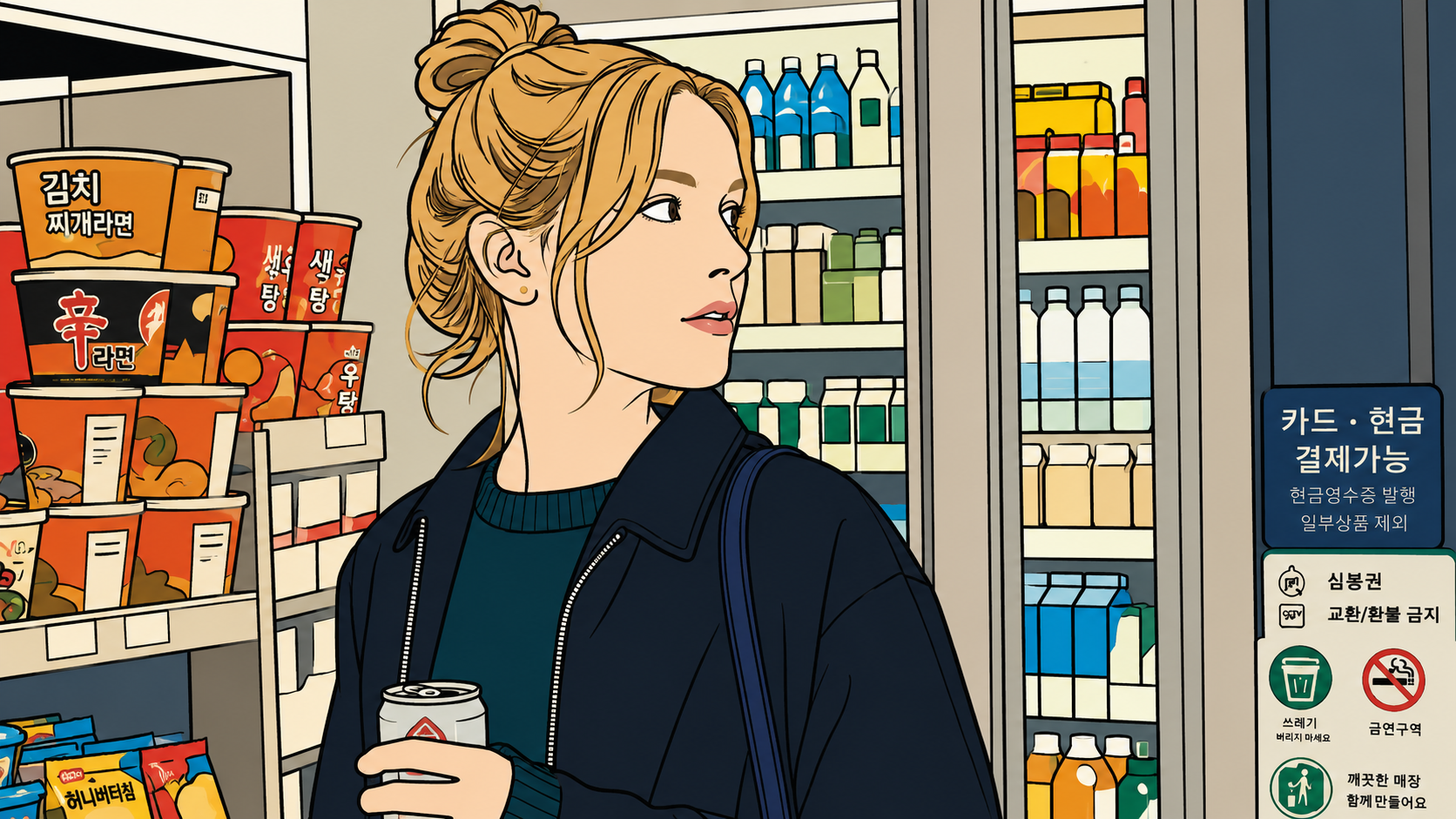
A Korean convenience store looks the same at midnight as at noon — bright, humming, open to anyone. Step inside the room that steps out of time.

Emotional boundaries aren’t walls or scripts you memorize. They begin in the space between noticing someone’s feelings and deciding they’re yours.
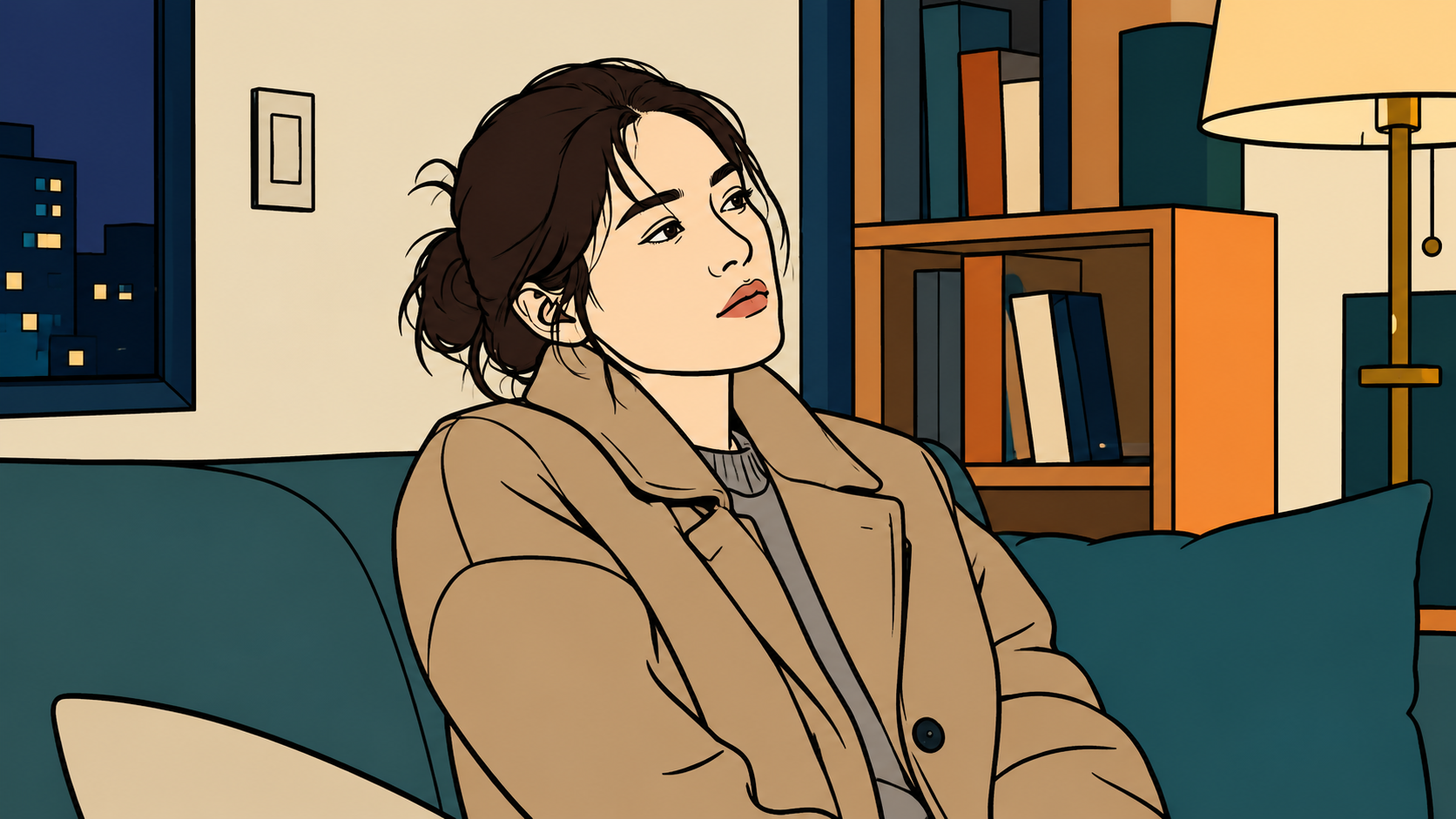
Empathy fatigue isn’t caring too much — it’s monitoring too much, a forecast on everyone’s mood that never shuts off. Here’s why it leaves you drained.
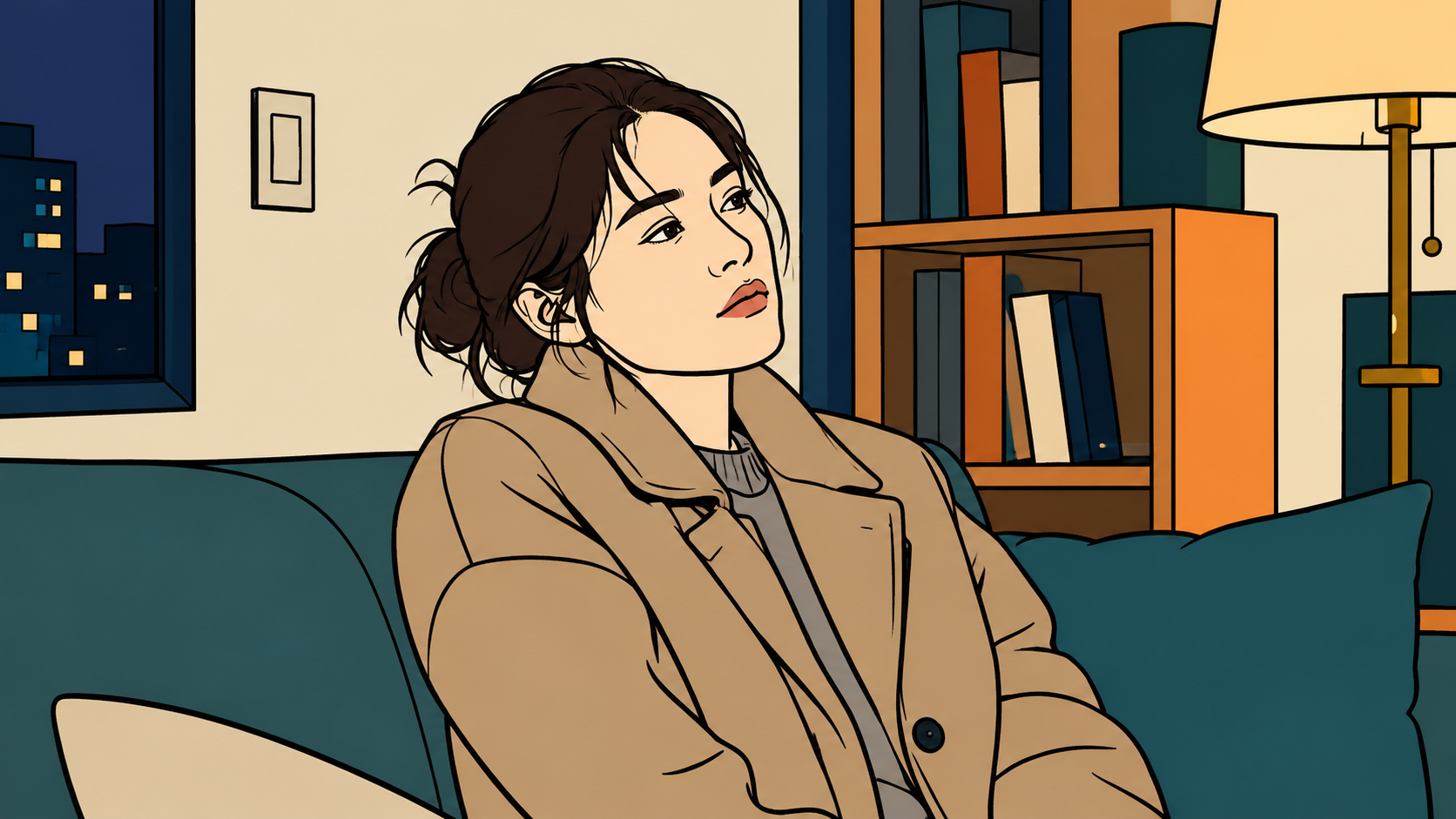
Taking things personally feels like insight, but it’s a verdict before the facts — a self-blame calculation running on repeat. Here’s how it works.

Taking on other people’s emotions can feel like empathy, but the pattern often reveals something deeper: the role you keep taking in relationships.
You read a mood before anyone speaks, already softening, already bracing. Emotional hypervigilance is a scan that never shuts off.
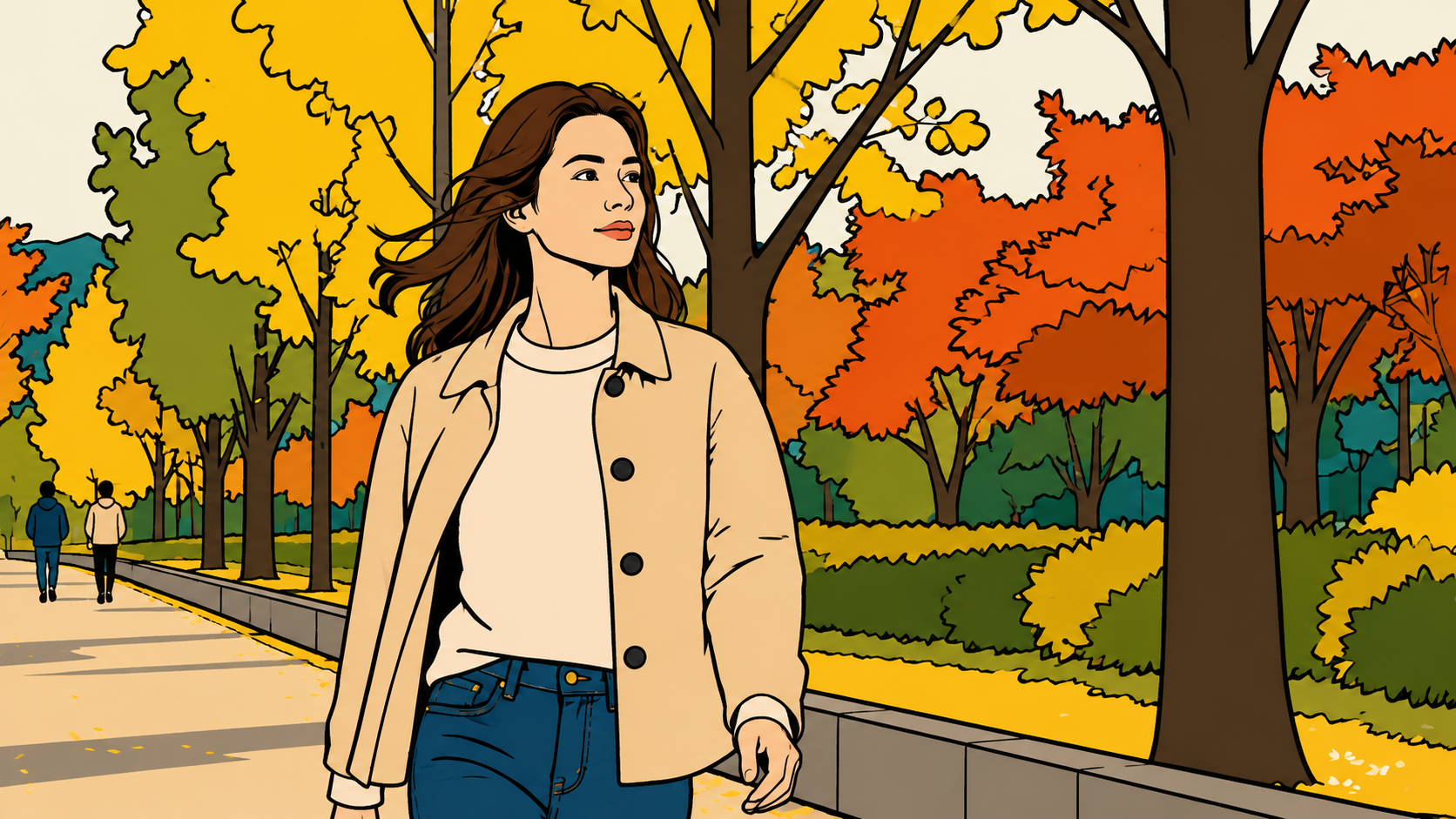
How to get over a friendship breakup when no one even gives the loss a name — grieving it honestly, making room for what’s next, and healing in seasons.
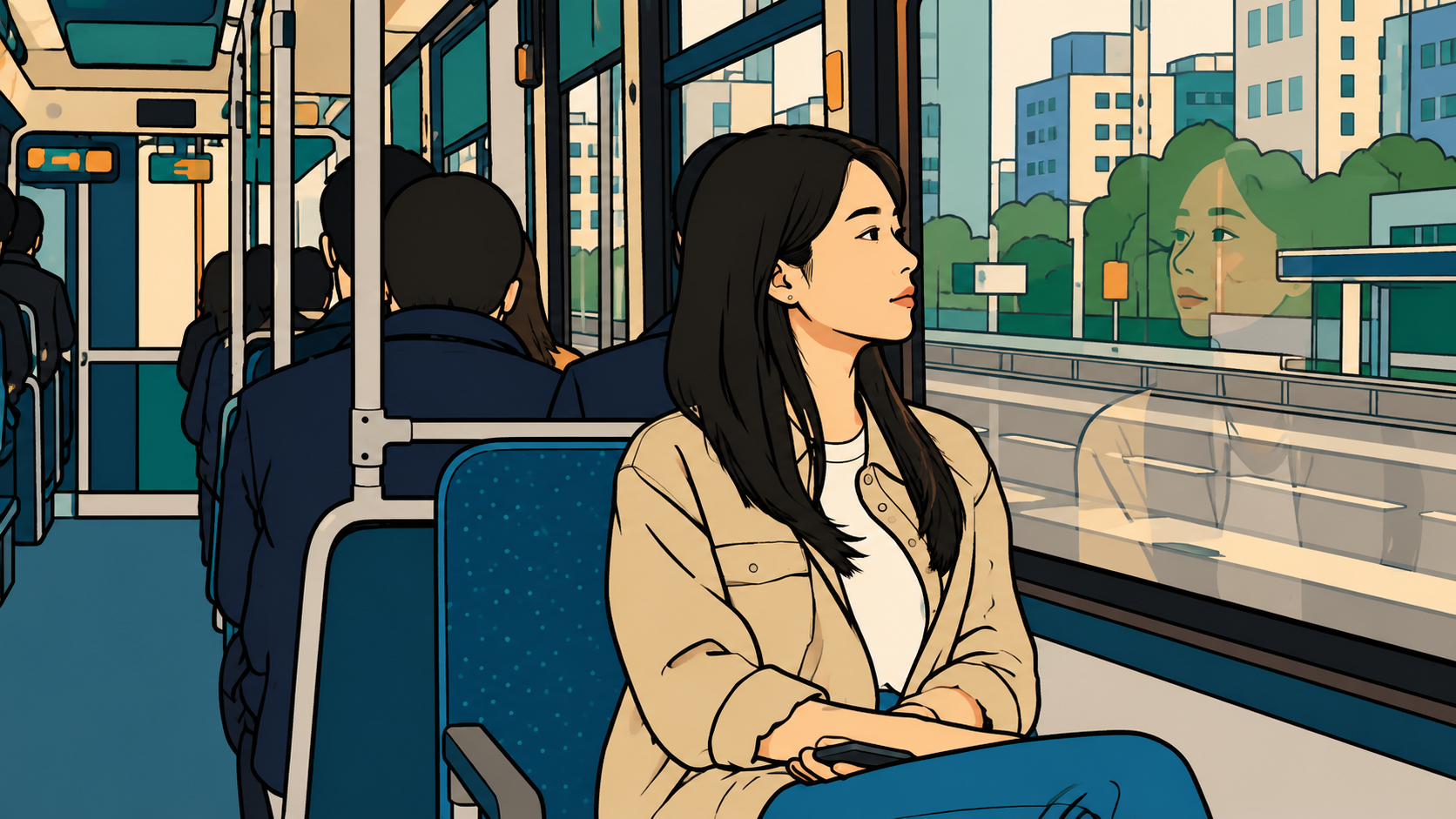
Losing a friend you didn’t choose to lose is real grief. How to sit with the silence, whether to reach out, and what the ending doesn’t mean about you.