Naejangsan Food — What Comes After the First Day (Part 4)
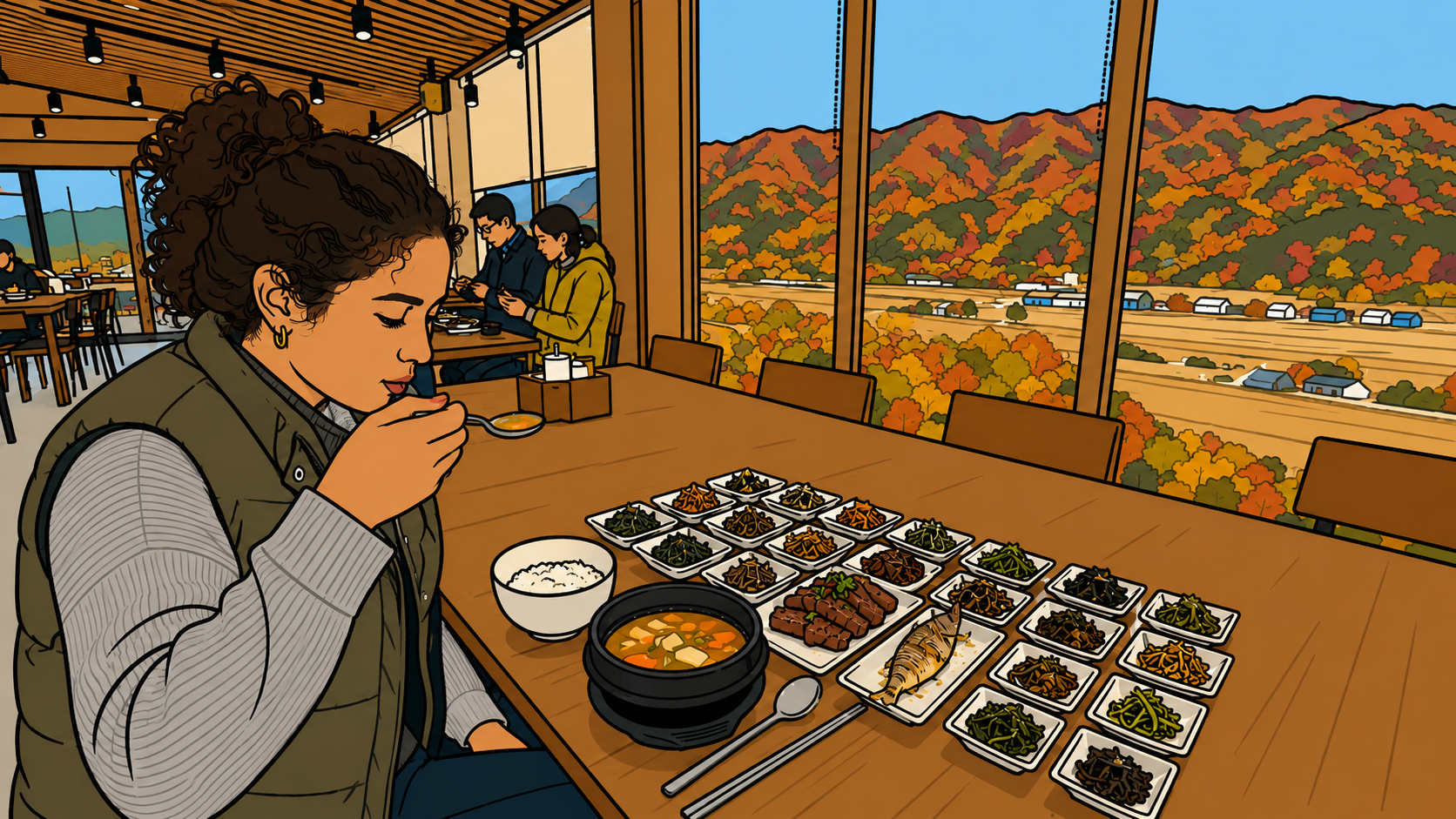
Naejangsan food arrives in a dozen separate dishes and one empty bowl. Then a green grove that ignores autumn, a hermitage under rock, and a lake holding it all.
Naejangsan food arrives in a dozen separate dishes and one empty bowl. Then a green grove that ignores autumn, a hermitage under rock, and a lake holding it all.
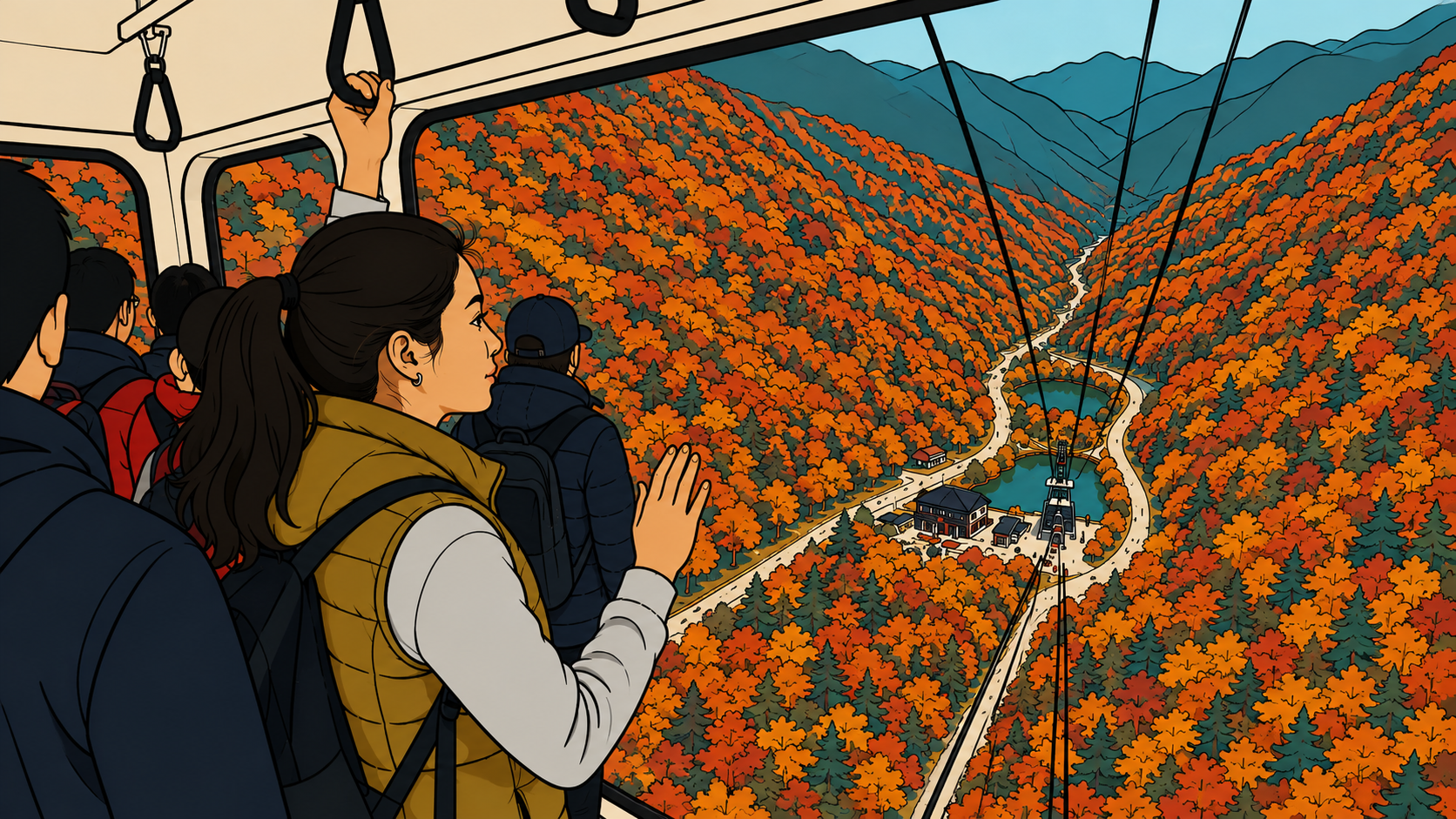
Five minutes on the Naejangsan cable car turns the maple tunnel into a thread. Nine peaks in a horseshoe, a basin of red, and the walk nobody warns you about.
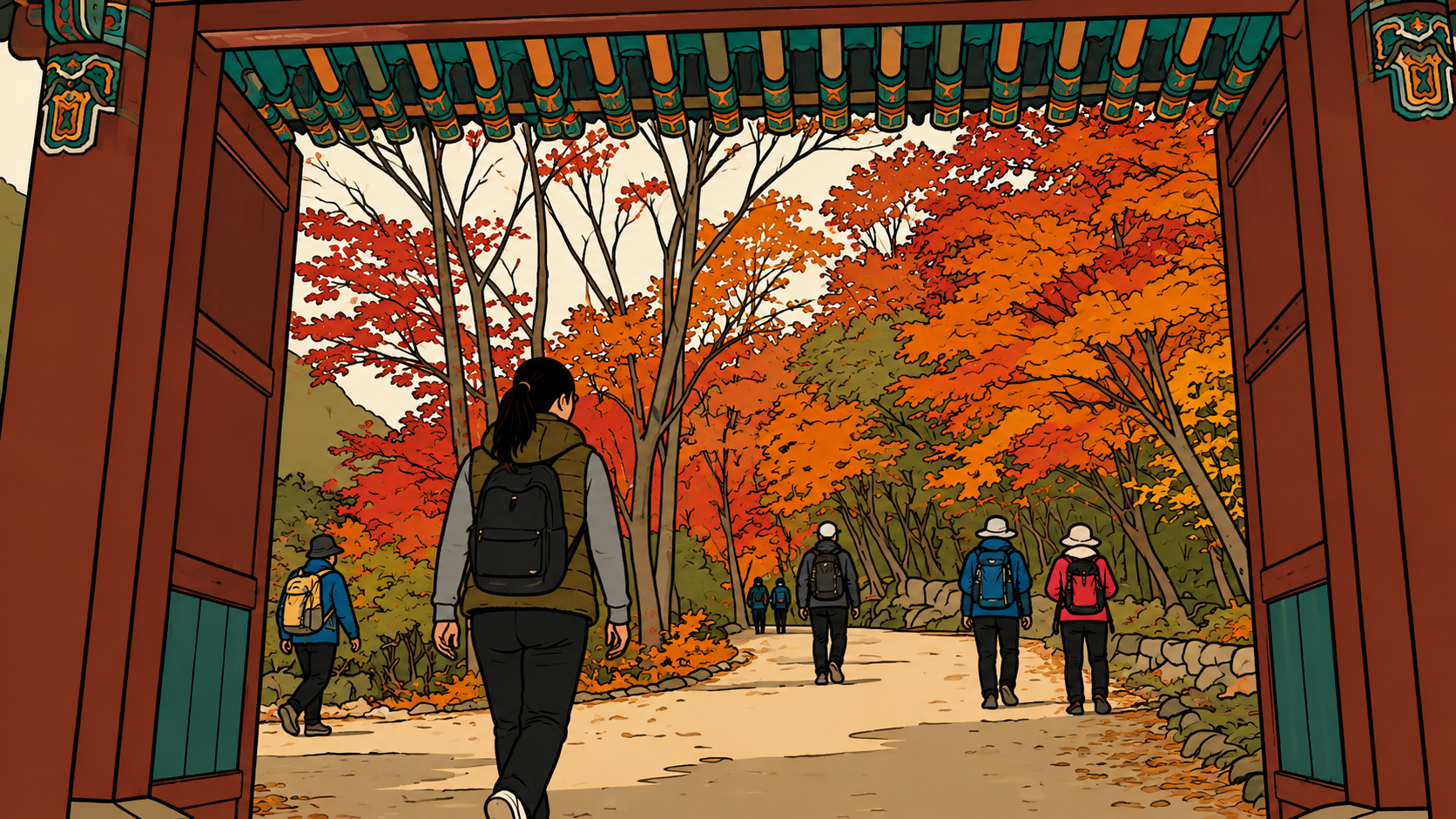
Naejangsa sits where the maple tunnel ends and the crowd thins — a quiet courtyard, shoes left at a threshold, wet stone steps up the valley.
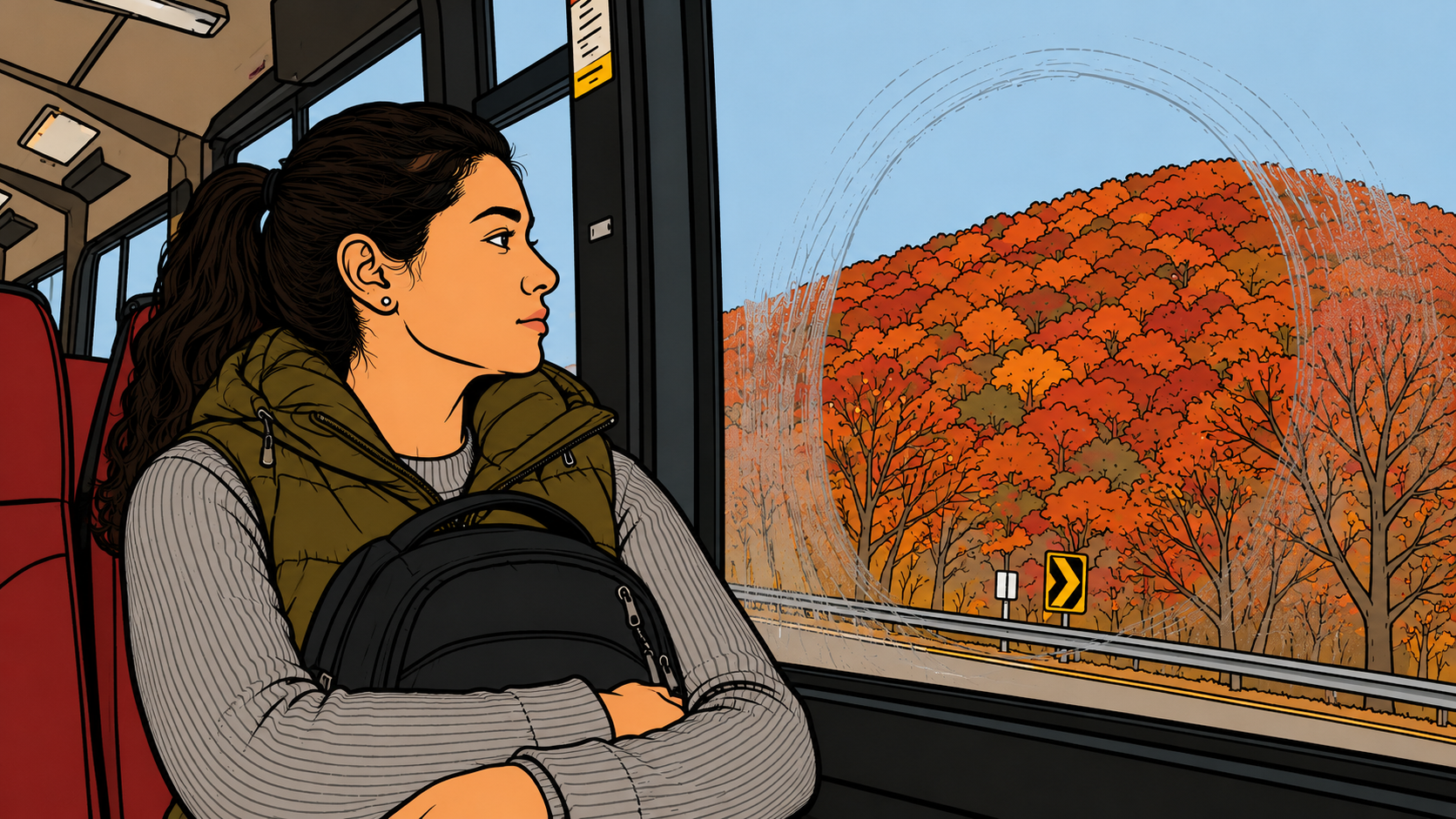
Korea autumn foliage runs latest at Naejangsan — by the time it turns, Seoraksan is bare. An early bus, a still pond, and a tunnel of red overhead.

Standing up for yourself at work isn’t the first step — reading your own position is. Which silence are you in, the chosen one or the one with momentum?

Office politics isn’t always malice — credit flows upward by default. Here’s the mechanism that strips your name from your ideas, and how to read it.

Feeling undervalued at work rarely explodes — it leaks. You stop offering ideas, start keeping score, guard your best thinking. Here’s the cost.

Staying silent when someone takes credit isn’t weakness — it’s a fast, accurate read of who the room believes. Here’s what the silence bought, and cost.

Taking credit for others’ work has a name and a cost — here’s the moment your boss did it, why you froze, and what that silence in the room really meant.

How to stop quiet quitting isn’t about forcing motivation. There are three honest doors — wait, re-engage, or leave — and your timing tells you which one is yours.