Signs of Quiet Quitting — What Others See From the Outside (Part 4)

You think the withdrawal is invisible. It isn’t. The signs of quiet quitting show up in tone and timing, and other people read them before you do.
You think the withdrawal is invisible. It isn’t. The signs of quiet quitting show up in tone and timing, and other people read them before you do.

The job is fine and you’ve checked out anyway. No motivation at work, no reason you can name — and that missing reason is the clue, not the failure.

Setting boundaries at work and quietly checking out can look identical from the inside. One question tells you which pulling-back you’re actually in.

You still show up and hit deadlines, but you stopped offering the extra. Quiet quitting isn’t laziness or resigning — it’s a signal worth reading.

Sit inside the Soswaewon garden on a summer afternoon in Damyang, where a scholar built the pavilions around the sound of a running mountain stream.

Three centuries of old trees and a cold stream make this Damyang forest the coolest place to be when a Korean summer bakes everything else.

Walk the Damyang metasequoia road in summer — a straight green tunnel of trees where light and shade alternate on your skin and the far end never arrives.
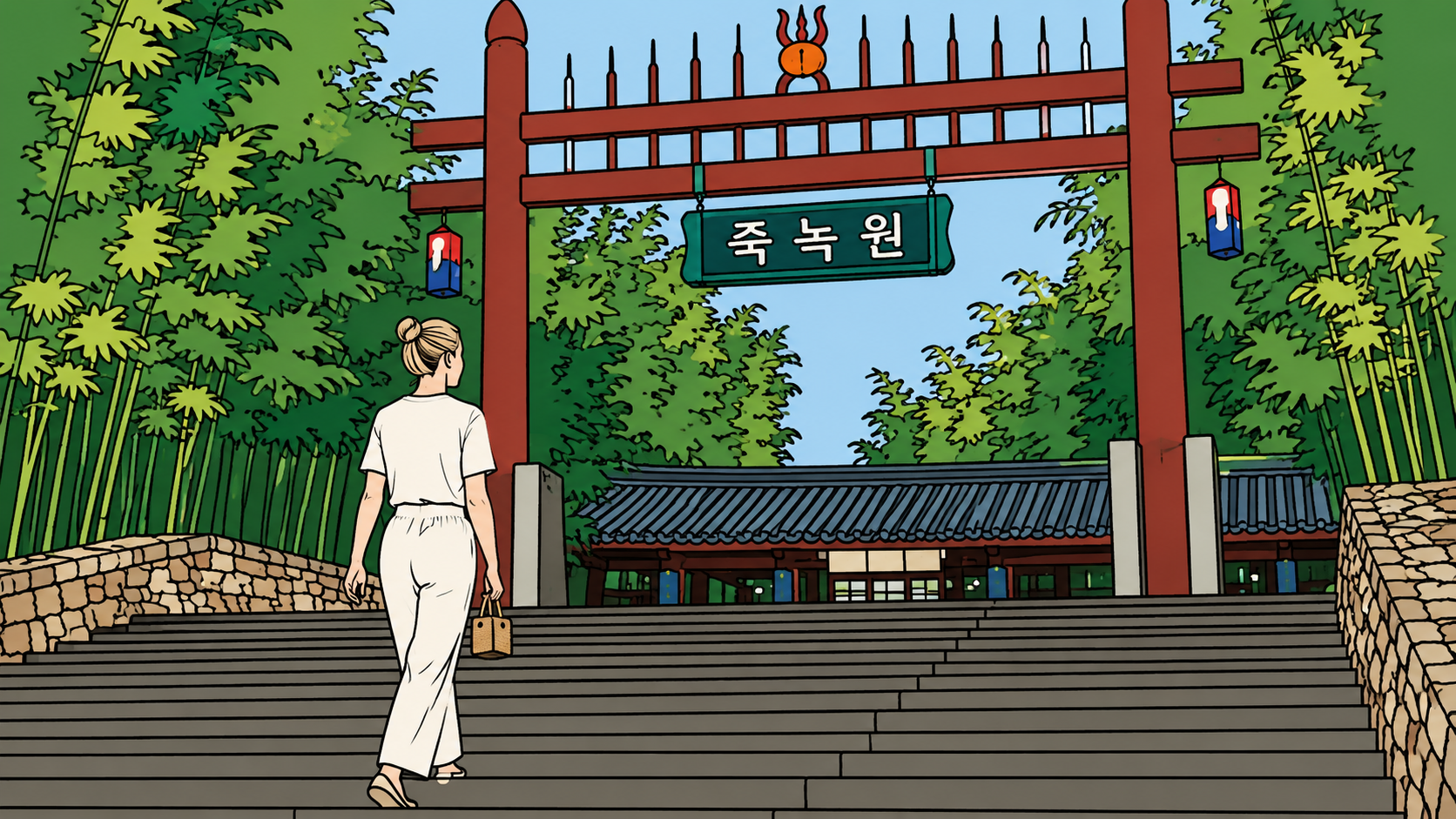
Step into the Juknokwon bamboo forest on a summer morning in Damyang, where the temperature drops and the light turns green a few steps past the gate.

Your self worth was never what the scoreboard measured — it read safety, not worth. Here’s what separating self worth from productivity actually takes.

Can’t sit still on an empty day? The restlessness that turns into self-criticism isn’t laziness — it’s one charge with nowhere to go, turning inward.