Conditional Love — The Rule Nobody Taught You Directly (Part 3)

Conditional love wires worth to output early — praise that came for results and receded otherwise. Here’s how the rule was learned, and what it protected.
Conditional love wires worth to output early — praise that came for results and receded otherwise. Here’s how the rule was learned, and what it protected.
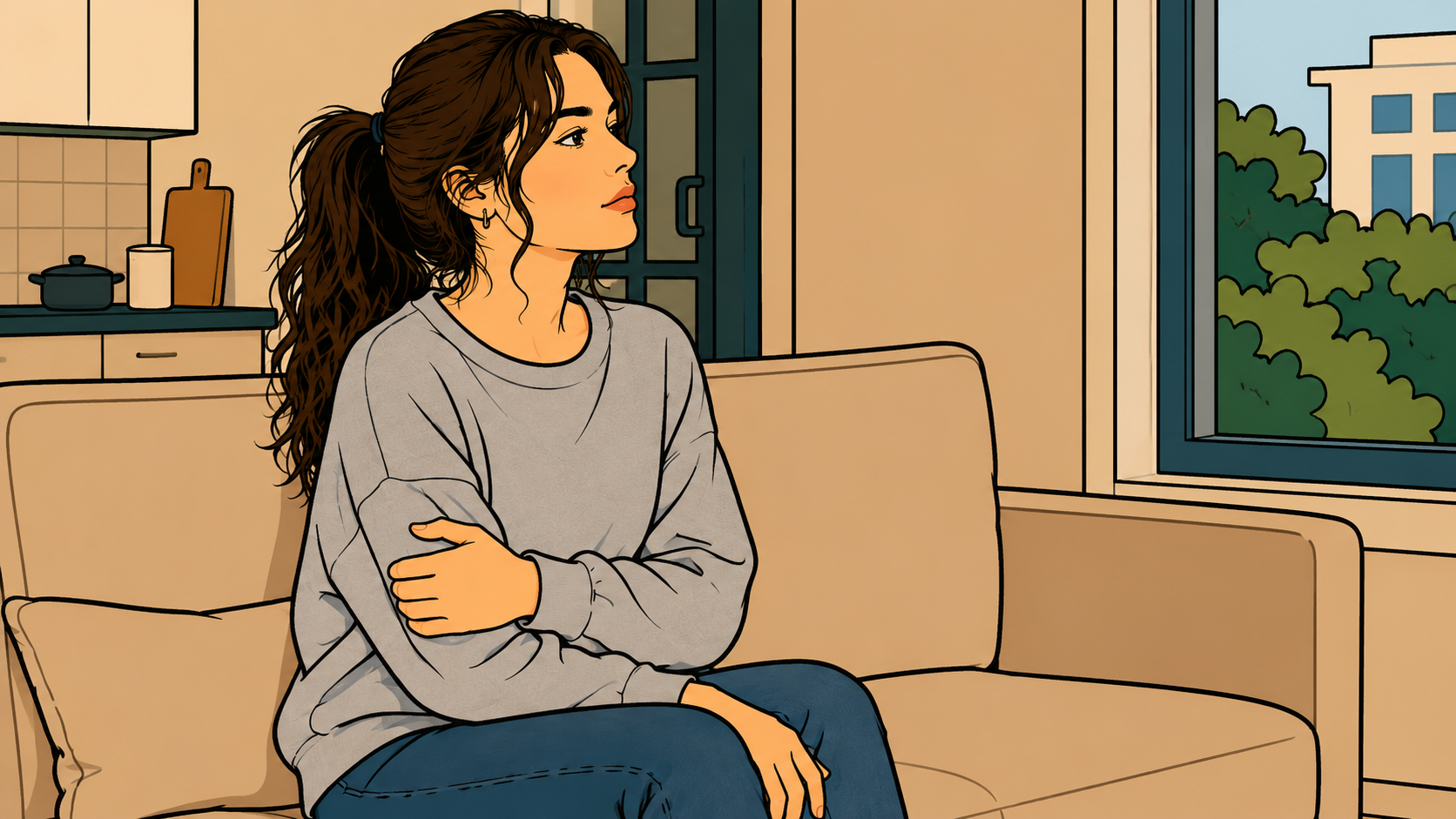
Feeling guilty for resting turns every day off into something you have to earn — here’s why the “after” keeps moving and rest never quite arrives clean.
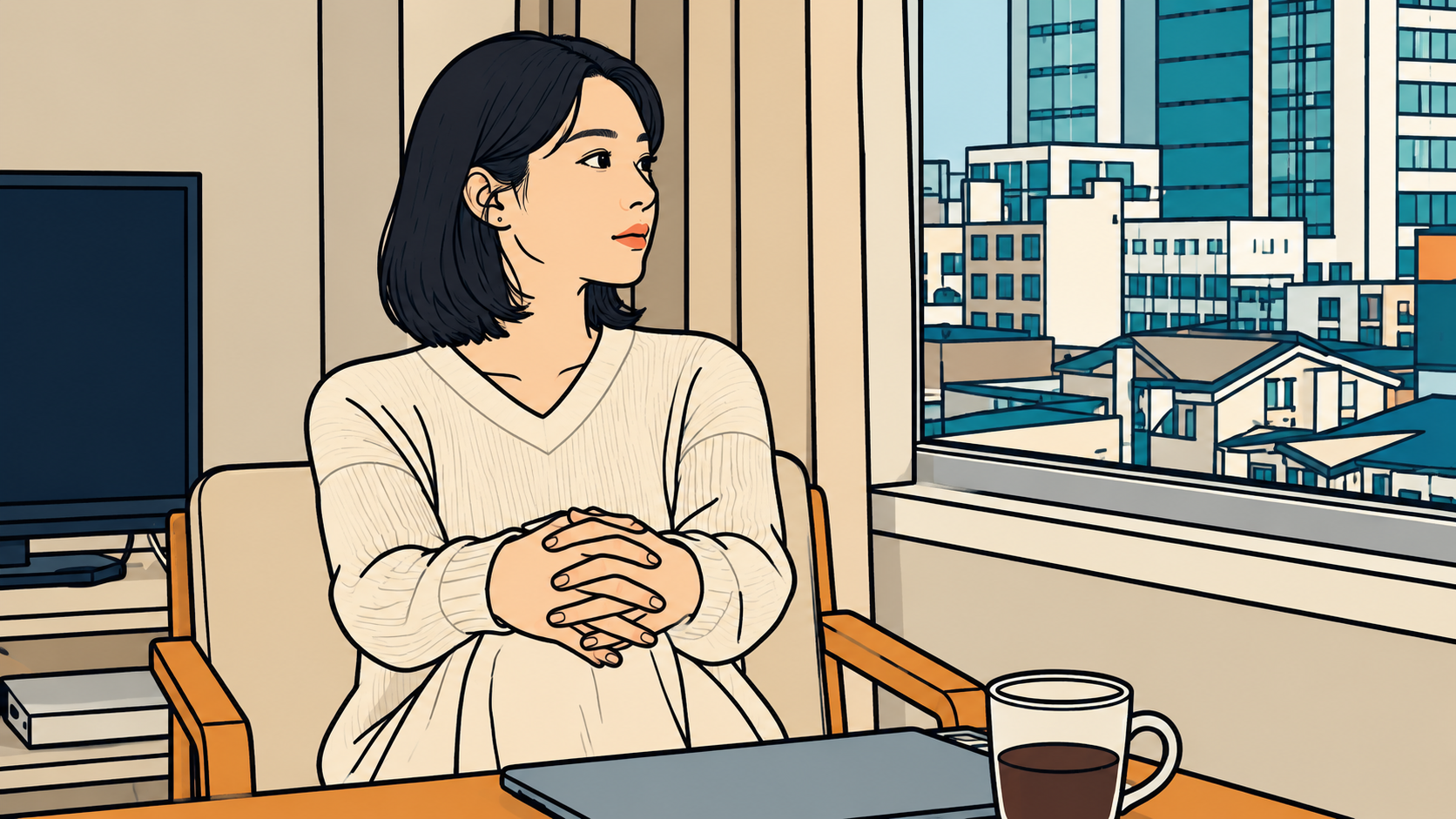
Productivity guilt is the unease of an empty day — when “did I do enough” is really asking whether you’re allowed to feel okay without something to show.

A career break isn’t quitting — it’s a checkpoint. Stop long enough to read your phase, your shape, and your loop, then move with them instead of against.
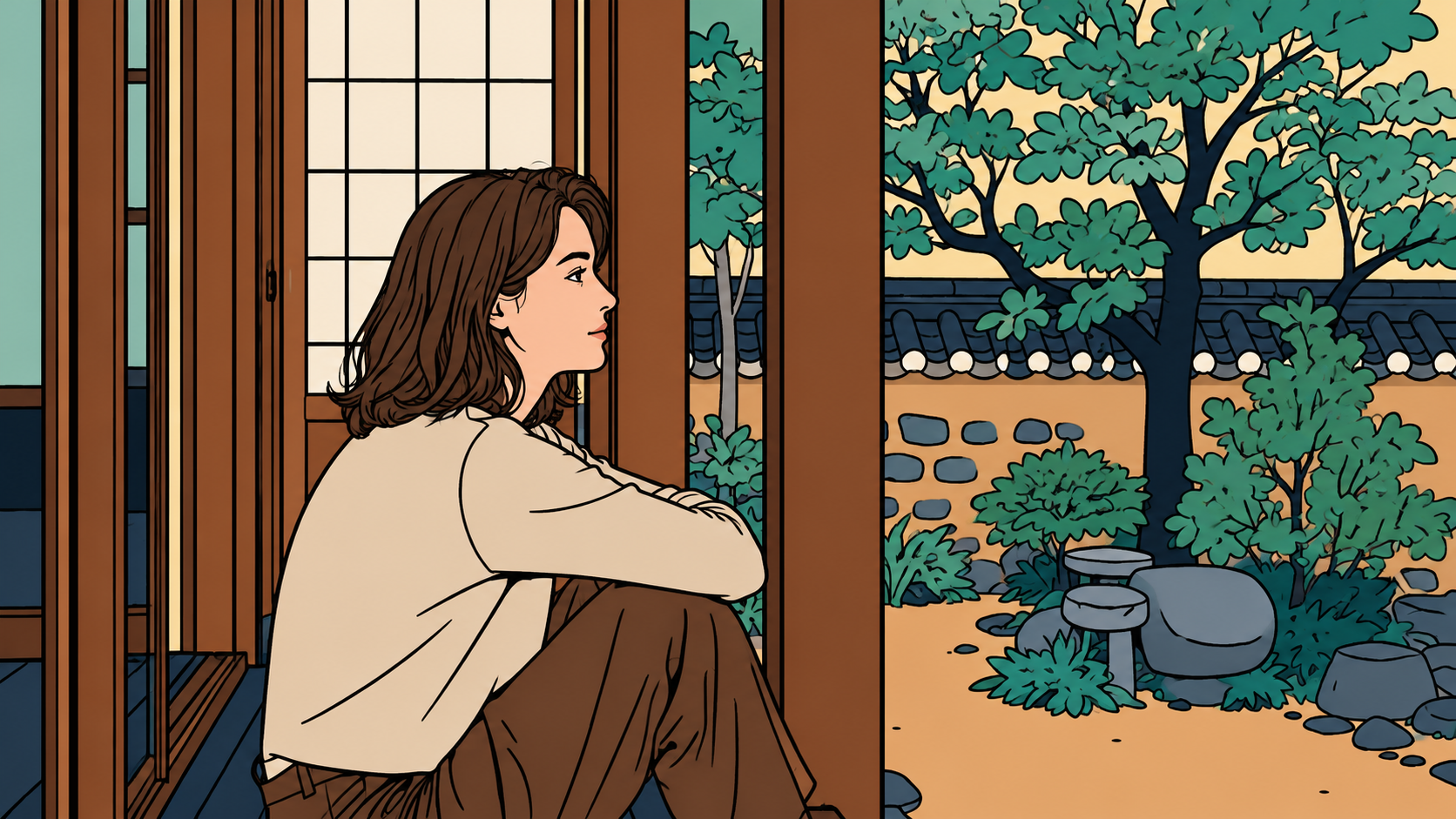
The stages of burnout hide a fork: a cycle you ride out, or a crisis you can’t. They feel identical inside — here’s how to tell which one you’re in.

How to recover from burnout when rest never works: you don’t rest your way out, you restructure. Change the load, not your capacity to carry it.
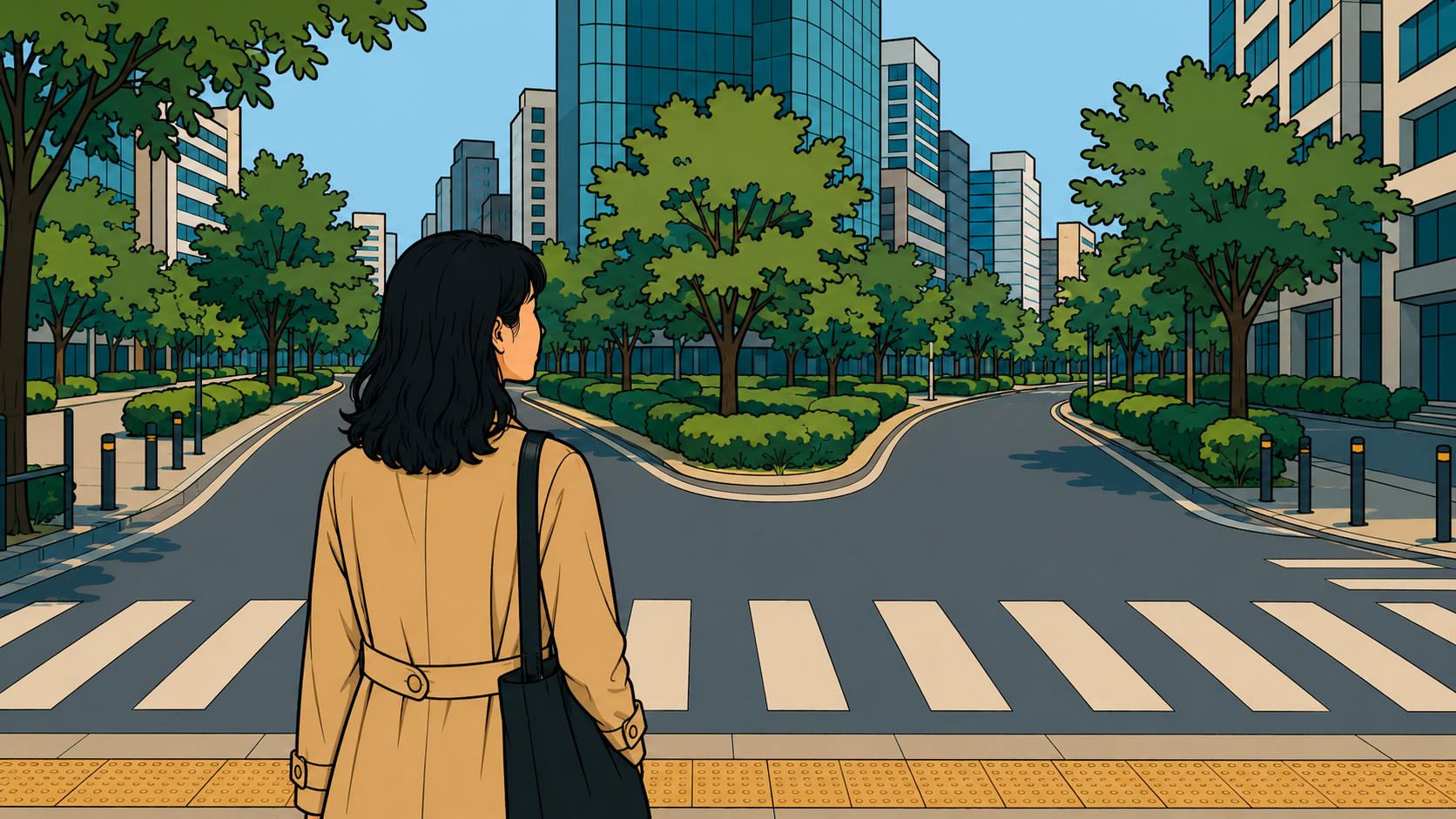
A career change feels like three options — keep going, go harder, go faster. They’re one option in disguise. The real choice is the direction no one lists.

The signs of burnout aren’t the same at 28 and 38 — same symptoms, different engine underneath. Read the wall by your phase, not by how hard you’re trying.

The sunk cost fallacy explains why you can’t stop even when you want to — the more you’ve put in, the more it costs to leave, so you keep paying instead.

Hustle culture arrives disguised as good advice. Part 1 on why the success formula everyone follows may never have been designed for you at all.