
You’ve been here before.
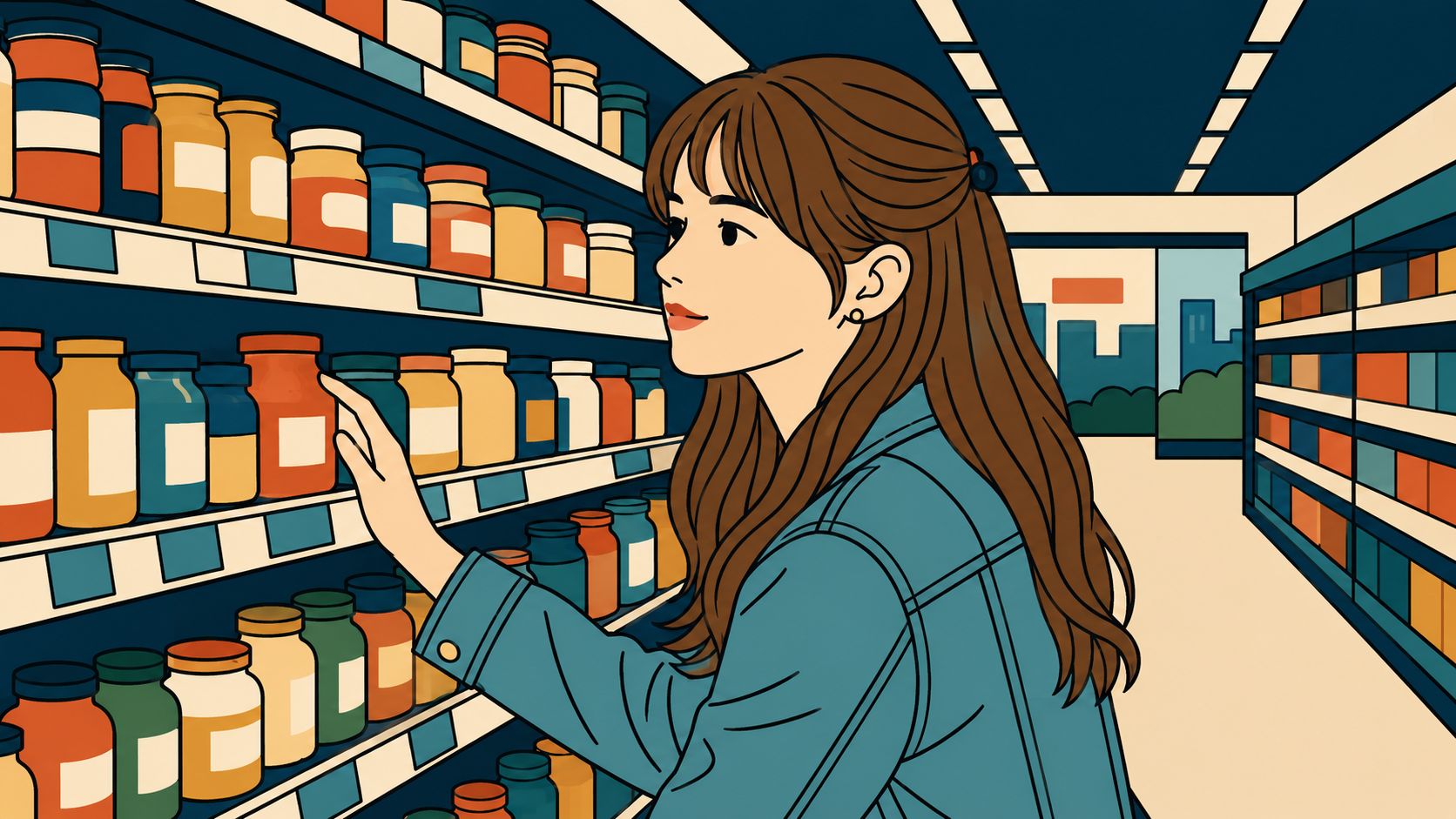
Not here like this apartment, this job, this version of your life. Here like this — the specific coordinates of a feeling. The low hum. The radius that contracts. The app you open and close without finding what you’re looking for. You know it from the grocery aisle too, scanning the shelf for the smaller jar, doing the math before your hand even reaches for it.
You know this place. The same feeling every month — you’ve spent time here for years.
The Promise You Make on Payday
The moment the number changes, something lifts.
Not just financially. Something in the shoulders. Something in the way you answer messages — faster, warmer, without the half-second pause that precedes every response in those last few days. You order what you actually want. You say yes to things without running a quiet calculation first.
You text the friend back. The one whose message has been sitting there for four days, not because you forgot but because answering it properly required a version of you that wasn’t available. Now she’s back. You type without editing. You make plans for next weekend without first checking where you’ll be in the cycle.
And somewhere in that relief, without quite deciding to, you think: next month will be different.
Not as a plan. Not as a resolution. Just as a feeling — the way the body, released from pressure, assumes the pressure won’t return. The way relief, in the moment of arriving, feels like it might be permanent this time. The way you make plans for Saturday without accounting for where you’ll be in the cycle when Saturday arrives.
You buy the thing you’ve been putting off. You suggest the dinner. You leave the counter without calculating whether the mess is worth it.
Three weeks later, you’re back here.
What Willpower Has Nothing to Do With

Here’s what the return is not about.
It’s not about discipline. It’s not about budgeting correctly or making better choices or finally getting your finances together. You may have done all of those things. You may be better with money than you were two years ago, three years ago, five. The account may not drop as low. The days may be objectively less precarious.
And still the feeling comes back. Same days. Same hum. Same contracting radius.
Because the feeling was never tracking your financial decisions. It was tracking the position — this place in the month, this particular stretch of days before the number resets. Your nervous system learned, at some point, that this territory carries a certain weight. And it returns to that weight on schedule, the way a body returns to a familiar posture without being asked.
You can improve your finances and still feel this. You can have savings and still feel this. You can know, intellectually, that you are fine — that the math works out, that nothing catastrophic is coming — and still feel the hum, still open the app, still find the radius of your days quietly contracting around you.
That’s not a failure of understanding. That’s the gap between what the mind knows and what the nervous system has learned. The mind can be updated with new information. The nervous system updates on a different timeline, through repetition and experience and the slow accumulation of evidence that this particular stretch of days is safe to move through.
Willpower operates on decisions. This isn’t a decision. It’s a response. And responses don’t yield to discipline the way decisions do.
Why It Comes Back the Same Way Every Time
The pattern has its own precision.
It’s not that every month is identical — the specific worries shift, the specific calculations change, the specific plans that quietly disappear are different each time. But the shape is the same. The texture is the same. The version of you that appears in those last few days is recognizably the same person, moving through the same contracted world, doing the same math she always does.
That precision is information.
When something returns with that kind of regularity — same timing, same shape, same internal weather — it’s not random. It’s not failure. It’s a cycle completing itself. The end of the month isn’t when the feeling arrives. It’s when the feeling surfaces. It’s been running underneath the whole time, quiet and out of sight, waiting for the conditions that bring it up.
It’s not a problem that recurs. It’s a tide that returns. The tide doesn’t fail to leave permanently. The tide completes a cycle. What looks like the same water arriving at the same shore is actually the whole ocean doing what oceans do — moving through a pattern that doesn’t require your participation or your understanding in order to continue.
The same feeling every month isn’t a sign that nothing has changed. It’s a sign that something runs on a longer timeline than a single month’s decisions can reach. The surface changes. The current doesn’t.
What Changes and What Doesn’t
Some things do change.
The account doesn’t drop as far. The days are less precarious. The version of you that shows up in those last few days is more practiced — she knows her own rhythms now, knows what she needs, moves through the contracted world with a certain efficiency that comes from having been here many times before.
You know, for instance, that the dinner plan on Thursday isn’t something you’re actually avoiding — you’re just not available for it in the way that making plans requires. You know the fridge will look different and that you’ll make something out of what’s there and that it will be fine. You know the app will be opened more times than you intend. You know she will appear, efficient and a little unreachable, and that she will disappear again within hours of payday.
This knowledge is something. Not freedom from the cycle, but a kind of orientation within it. The difference between being lost in familiar territory and simply being in familiar territory. The hum is the same. Your relationship to it is not.
That’s the slow accumulation of having been here before — not the absence of the feeling, but the gradual erosion of its power to surprise you. It still comes. It just no longer arrives as something you don’t recognize.
What doesn’t change is the cycle itself. The month still has its shape. The position still carries its weight. The nervous system still responds to this particular stretch of days in the way it learned to respond, years ago, before the account got better, before the decisions got sounder, before you understood any of this.
The cycle doesn’t ask for your permission. It just runs.
The 27th

It’s the day before payday.
You’re standing at the counter eating something you made from what was left. The fridge is almost empty in that particular way it gets. The app has been opened and closed more times today than you’d care to count.
Tomorrow the number changes. You already know this. You’re already, in some small way, beginning to feel the anticipation of the relief — the way the shoulders will drop, the way the radius will quietly expand, the way she will dissolve back into the warmer version of you before the afternoon is over.
You’ve been here before. You know how this part ends.
But right now it’s still the 27th.
The food is fine. The apartment is quiet. Outside, the city is doing what it always does — indifferent to where you are in the cycle, indifferent to the hum, indifferent to the version of you standing at the counter in the dark.
You wash the pan. You leave the counter without wiping it down, which you’ll notice tomorrow and not mind. You go to bed knowing the feeling will lift. It always does.
Until next month.
This post was planned and edited by a human, with AI assistance.