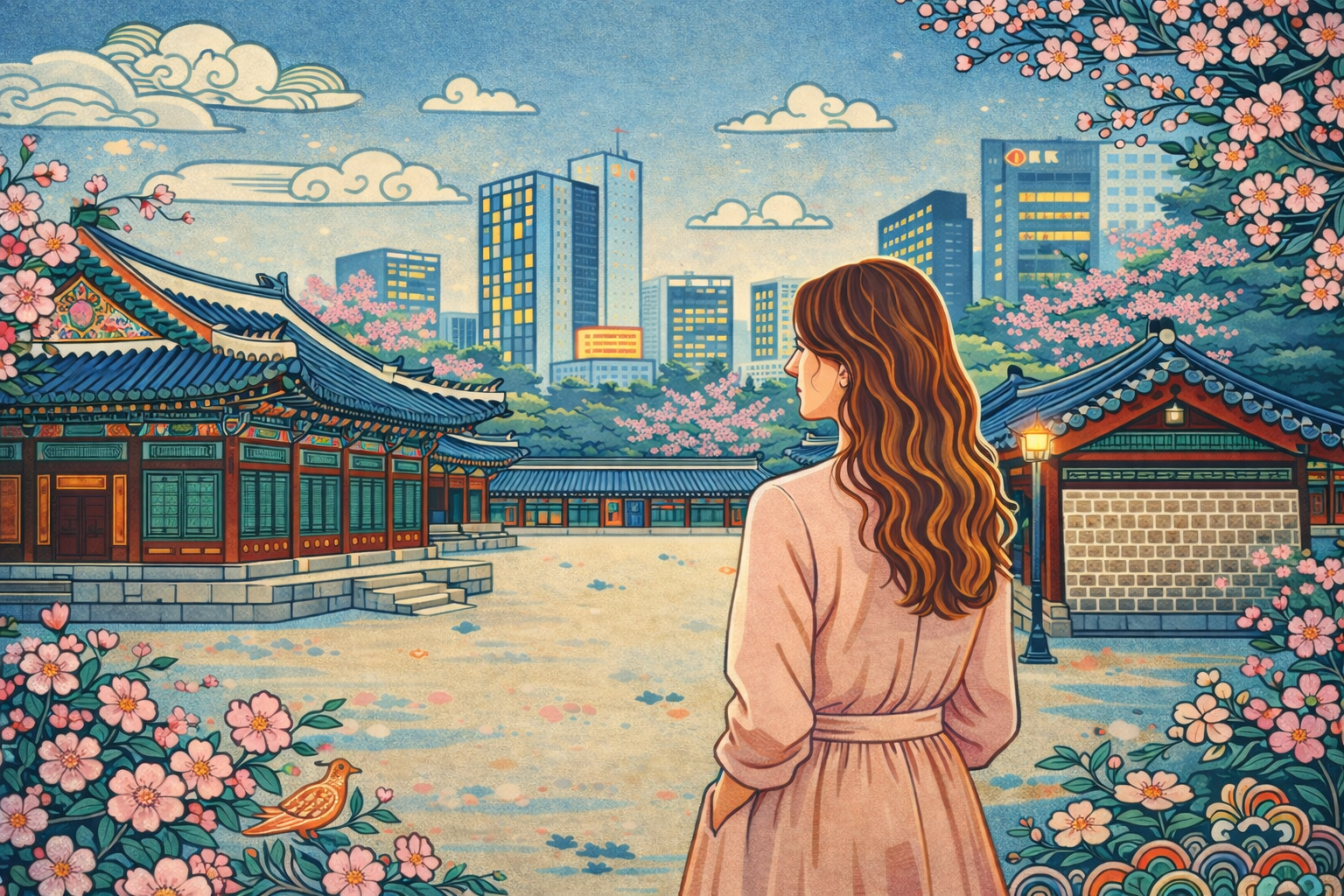
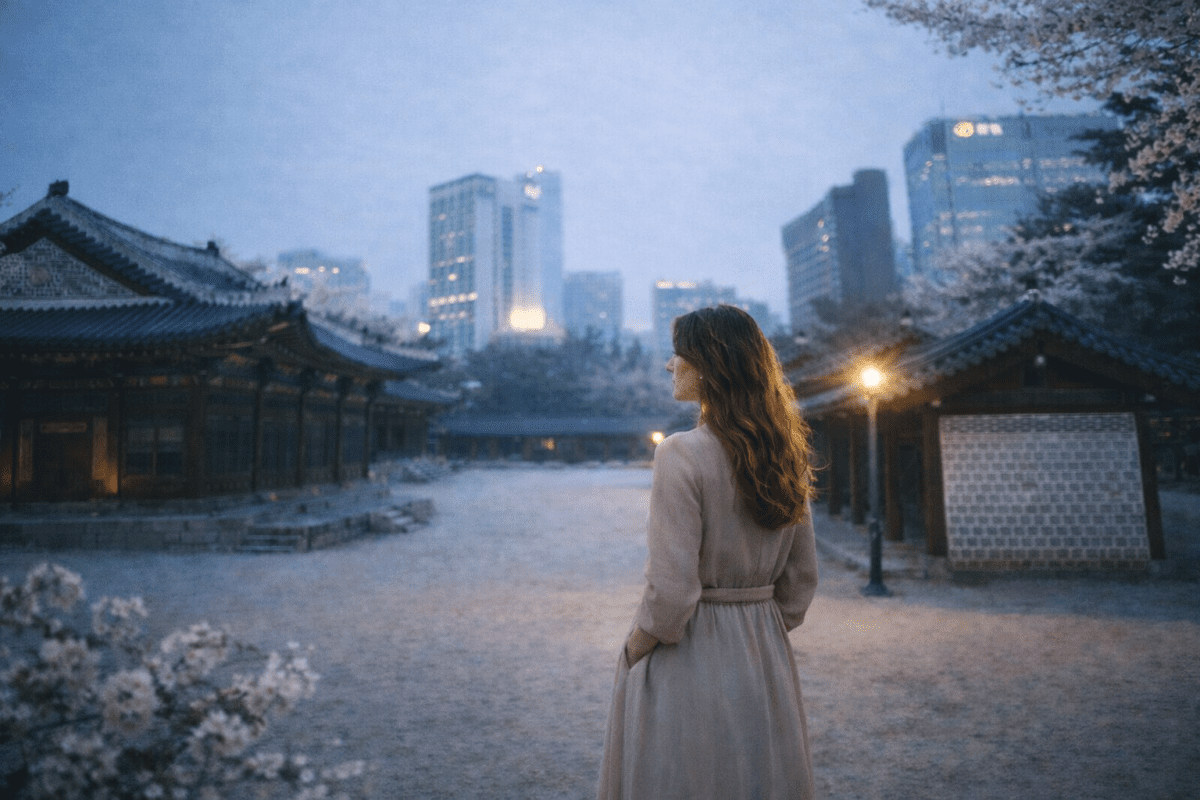
It’s early May and the shape of the year has gone soft. March was clear. The commitments made in Myo had direction. But something has happened in the last two weeks — the meetings that were supposed to be decisive have become ambiguous, the relationships that were settling have become harder to read, the work that was lining up for summer has started to slip sideways. Western management language files this under “spring malaise” or “second-quarter softness.” The dragon hour meaning in astrology reads it as structure: Jin (진: jin, spring earth mist), the fifth of the twelve earthly branches, the station where every boundary established in the first four branches gets temporarily dissolved before summer arrives to redraw them.
In pushed through. Myo committed. Jin is where what was committed gets reshuffled. Not reversed, not canceled — stirred. A chart carrying Jin at its center runs on that same reshuffling logic: holding multiple incompatible realities at once, resisting premature resolution, letting the fog do what clarity cannot.
What the Dragon Hour Meaning in Astrology Actually Records
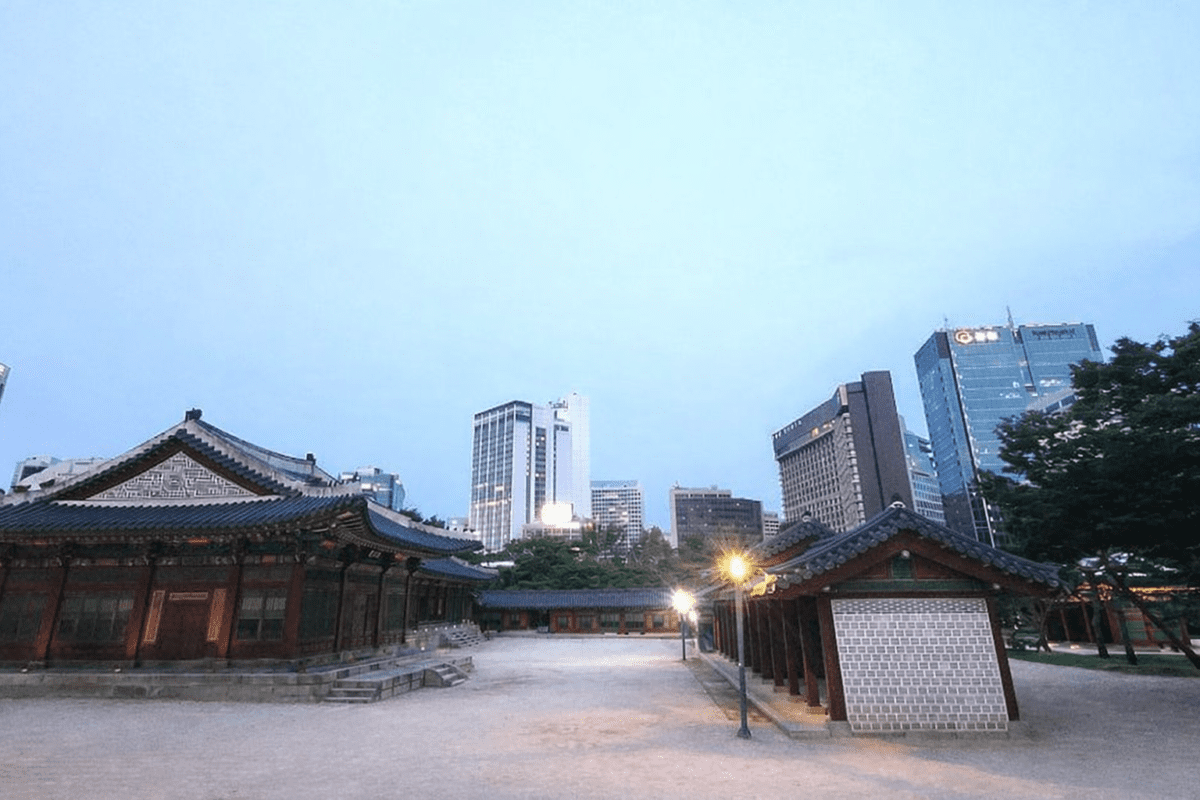
Jin is the first earth branch in the twelve-station system, but it is unlike any other earth. Where Chuk stored frozen water and Mi stores scorched wood and Sul stores finished fire, Jin is the transitional earth — the soil that holds the residue of spring and the seed of summer simultaneously. The hour is 7 to 9 AM. The month spans early April through early May, bounded by the solar terms Cheongmyeong (청명: cheong-myeong, clear and bright) and Ipha (입하: ip-ha, beginning of summer). The element is Earth (토: to) in its yang expression, but the earth here is wet, cloudy, and full of what was and what is not yet.
If Myo was the rain that decided direction, Jin is the mist that rises from the saturated ground and obscures what that direction looked like. Same water, different state. Myo commits through soaking. Jin tends to delay commitment through evaporation-like transition.
Jin is often flattened into “Dragon” as luck-personality or power-personality. It is not personality. It is a structural month in which visibility is reduced and clarity should not be forced prematurely. The person with Jin prominent will spend this window holding three mutually exclusive possibilities as equally true — not from indecision but from reading the fog correctly.
What Jin records is a specific kind of pause — the one that happens when the old season is finished and the new season has not yet organized itself into rules. Boundaries blur. Categories dissolve. The chart that holds Jin at its center is reading the moment where the structure of the year is not yet the structure of the year.
How Jin Dissolves — the Inside of the Fog
The real mechanism lives inside Jin’s Jijanggan (지장간: ji-jang-gan, the hidden stems concealed within a branch). Jin carries three hidden stems: Eul (을: eul, yin wood, the vine), Gye (계: gye, yin water, the dew), and Mu (무: mu, yang earth, the mountain). Jin’s jijanggan is compositionally distinct — a configuration that holds wood, water, and earth together in a single station.
The structure matters more than any sequence. Jin’s jijanggan is a composite: Eul continues the wood growth from Myo, Gye introduces rising yin water as mist, and Mu provides the containing earth. These three do not unfold in order but coexist, each surfacing under different conditions. When Jin is active, the chart runs on wood, water, and earth simultaneously, with no single element fully in control.
Three interactions govern how Jin behaves with the rest of a chart.
SinJaJin SamHap (신자진 삼합: sin-ja-jin sam-hap, three-combination producing water). When Sin (신: sin, autumn metal), Ja (자: ja, midnight water), and Jin all appear together, the three branches combine into a powerful water structure. Jin is the anchor of this three-harmony — the earth that contains what the metal produced and the midnight water stored. A chart with this configuration carries deep water resources that only become accessible when Jin’s fog rises.
JinSulChung (진술충: jin-sul-chung, earth-earth rupture). Jin and Sul (술: sul, late autumn earth) are positioned directly across the cycle — the misty spring earth versus the dry autumn earth. When they meet, both storage chambers rupture. Jin’s hidden wood-water-earth mixture gets forced into visibility before it has finished mixing; Sul’s stored fire gets dumped before it has cooled. In practice, this looks like a year where the ambiguity of April gets violently resolved by an autumn correction that exposes everything prematurely.
JinJinHyeong (진진형: jin-jin-hyeong, self-friction). When two Jin branches appear in the same chart — or when a Jin Sewoon (세운: se-woon, the annual cycle) lands on a natal Jin — the fog compounds. The three hidden stems start competing against each other. Eul tries to keep growing, Gye tries to rise as mist, Mu tries to hold everything down. The person caught in this pattern experiences the sensation of being simultaneously expansive, evaporating, and stuck — often in the same week.
These three interactions form the operating diagram. The dragon hour meaning in astrology does not rest in a single direction — it rests in how Jin holds multiple directions without choosing, and how a chart protects or collapses that holding determines what the reading says.
When the Fog Doesn’t Lift — the Failure Patterns of Jin
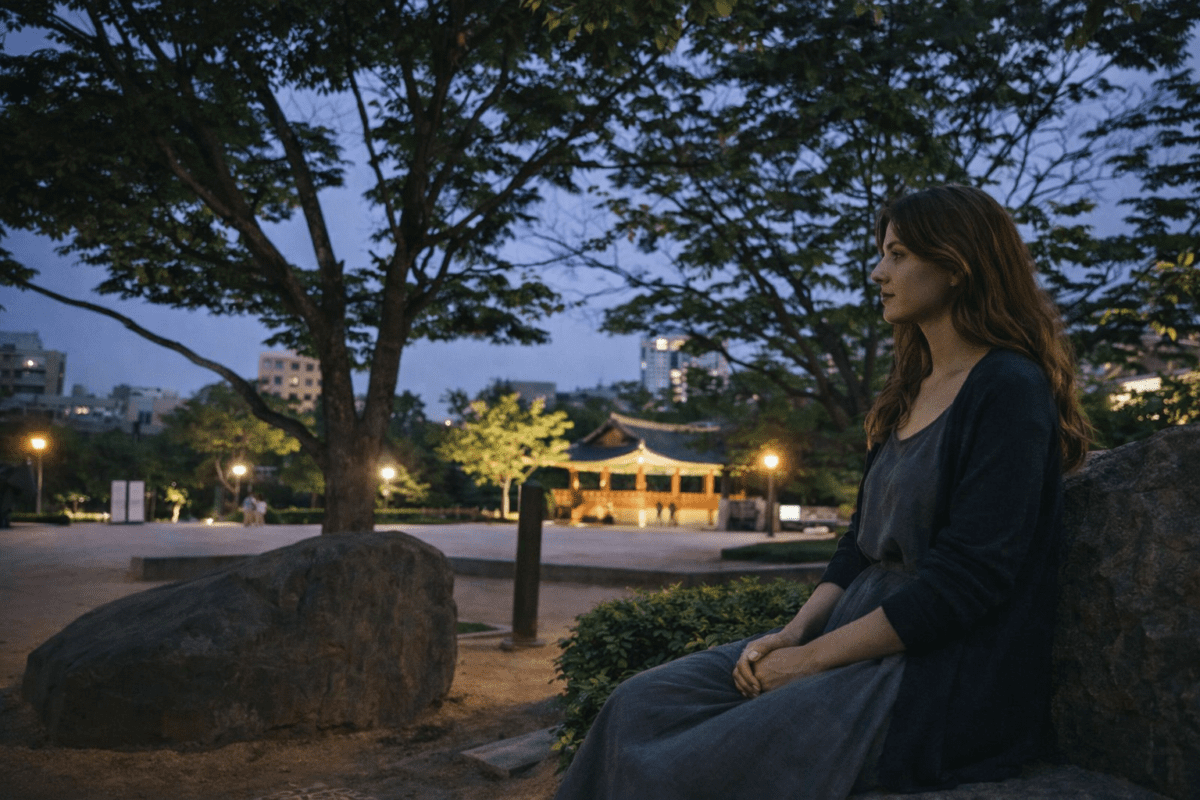
Jin is often described as breaking down in three patterns, and each one produces a recognizable lived pattern.
Permanent ambiguity. The chart has Jin prominent with no fire branch to eventually burn off the fog — no Sa, no O, no Mi to bring summer’s heat. The mist never lifts. Eul keeps growing into Gye’s evaporation, and Mu keeps absorbing both without resolving either. Externally this looks like someone who lives in a permanent state of “I don’t know yet” — not from cowardice but from a structural absence of the element that would force resolution. The ambiguity is real. What’s missing is the mechanism that would have eventually clarified it.
Premature lifting. The opposite failure. A strong fire configuration or metal clash forces the fog to dissipate before its work is done. The three hidden stems get exposed in the wrong order — the wood that was still growing, the water that was still rising, the earth that was still containing. In practice, this looks like a decision made in late April that should have been left to May’s natural clarification but got pushed through by external pressure. The fog was structural. Dispersing it early left the year with unfinished transitional material.
Self-collision. The subtlest failure. JinJinHyeong activates, either natally or through Sewoon, and the person becomes trapped in compound ambiguity. Each of the three stems demands different action. The chart is not reading one fog — it is reading two overlapping fogs that cannot resolve each other. In chart terms, this is the person whose April-May window becomes a corridor of contradictions: starting something while ending something while preserving something, all simultaneously, all indefinitely.
Transitional earth is not the same as weak earth, and the difference is where most readings collapse. The dragon hour meaning in astrology reads each of these failures as structural, not as confusion. Permanent ambiguity asks for a fire partner — something that will eventually force the fog to choose. Premature lifting asks for protection of the transition window — knowing which external pressures to deflect until Jin completes. Self-collision asks for naming — identifying which of the three stems is dominant in the current moment and committing to that one while the other two wait. The reading error here parallels the one made with the Korean flag itself — treating a structural transition as a personal failing because the mechanism that produced it looked like indecision.
Reading Jin Across the Four Positions
The dragon hour meaning in astrology lands differently depending on where Jin sits in the chart’s four positions — Yeonji (연지: yeon-ji, birth year position), Wolji (월지: wol-ji, birth month position), Ilji (일지: il-ji, birth day position), Siji (시지: si-ji, birth hour position). Each position changes what the fog is actually obscuring.
Yeonji: Jin at the year level means the generational transition is active. The family line or cohort is holding multiple realities at once — often marked by a parent or predecessor who lived through a structural transformation (migration, regime change, industry collapse) where the old rules no longer applied and the new ones had not yet formed. A Jin year branch often reads as inherited adaptability to ambiguity. People with Jin at the year level often describe this pattern showing up generationally — the parent who lived through a structural collapse without it fully resolving, the family line that carried unfinished transitional material across decades.
Wolj: This is the most structurally heavy position for Jin. Month branch sets the chart’s elemental center of gravity, and Jin as month places the whole chart in transitional earth logic. Decisions hold multiple versions of themselves. The person operates on simultaneity rhythm by default. This is also the position where JinSulChung carries the most weight in a natal chart when a Sul year arrives — the rupture lands on the month branch, forcing the unfinished spring material into autumn visibility.
Ilji: Jin at the day level describes the person’s immediate environment and closest relationship. The partner, the home, the daily body — all run fog logic. Comfortable with contradictions, slow to resolve, skilled at holding incompatible truths without forcing them into consistency. Relationships with a Jin day branch often survive long periods of ambiguity that would destroy relationships built on other earth branches.
Siji: Jin at the hour level describes late-life output and the way one’s final chapter refuses to conclude cleanly. Careers that end with unfinished transitions — projects handed off mid-development, legacies that resist being summarized, reputations that remain multiple — often show Jin at this position.
Daewoon (대운: dae-woon, the ten-year major cycle) can also land on Jin. When it does, the ten years run on fog logic regardless of what the natal chart wants. This is the decade where the dragon hour meaning overrides personality, preference, and plan. A person who has built their identity on clarity will find that clarity dissolving for a full Jin decade — not as loss, but as the structural requirement to hold what cannot yet be named.
What the Data Shows and What It Doesn’t
Jin gives a clear reading of three things: when the transition window is structurally active, which of the three hidden stems is currently dominant, and whether JinSulChung is approaching in the next two years. What was committed in Myo is now being held in the fog, waiting for summer’s heat to decide which elements survive the transition and which evaporate.
But here the data reaches a limit more severe than at any other station. What the chart cannot tell you is what is forming inside the fog. I can read that you are inside a Jin window. I cannot read what the window is producing. Two people with identical Jin placements can emerge from the same transition carrying entirely different material — one with a clarified direction that the fog protected until it was ready, the other with dissolution where a direction used to be. The chart shows the mechanism. It does not show the content the mechanism is working on.
This is the station where K-Saju reading ends more abruptly than elsewhere. In Chuk, I can at least tell you what is being stored. In In, I can tell you the release has been authorized. In Myo, I can tell you the saturation is taking root. In Jin, I can tell you only that something is happening that neither of us can yet see. Any interpretation of the specific contents of a Jin window should be treated as provisional. The structure of Jin is that the contents are not yet readable, not even by the system that reads everything else.
The strategic response to Jin is narrower than any other station. Do not force clarity. Do not accept anyone else’s forced clarity about you during this window. Track which of the three hidden stems — wood (still growing), water (still rising), earth (still containing) — is carrying the most weight this week, and move with that one while letting the other two remain unresolved. If JinSulChung is on the horizon within two years, begin identifying which parts of the current ambiguity are genuinely transitional and which are patterns that will need to be dissolved before autumn’s rupture arrives to do it forcibly.
What the chart names here is the fog itself, not what lies beyond it. That is the honest limit of the reading.
Next: (Part 7) Sa: The Snake Hour Meaning in Astrology Before Full Visibility
The snake hour meaning in astrology: Sa (사: sa) is the threshold before summer’s full exposure. Why May’s emergence is partial by design.
Some content in this post was created with AI assistance.