The Twelve Earthly Branches — Stations of Your Cycle (Part 1)

The twelve earthly branches aren’t zodiac animals — they’re twelve stations in time. Here’s what they do in a K-Saju chart, and where yours is located.
The twelve earthly branches aren’t zodiac animals — they’re twelve stations in time. Here’s what they do in a K-Saju chart, and where yours is located.
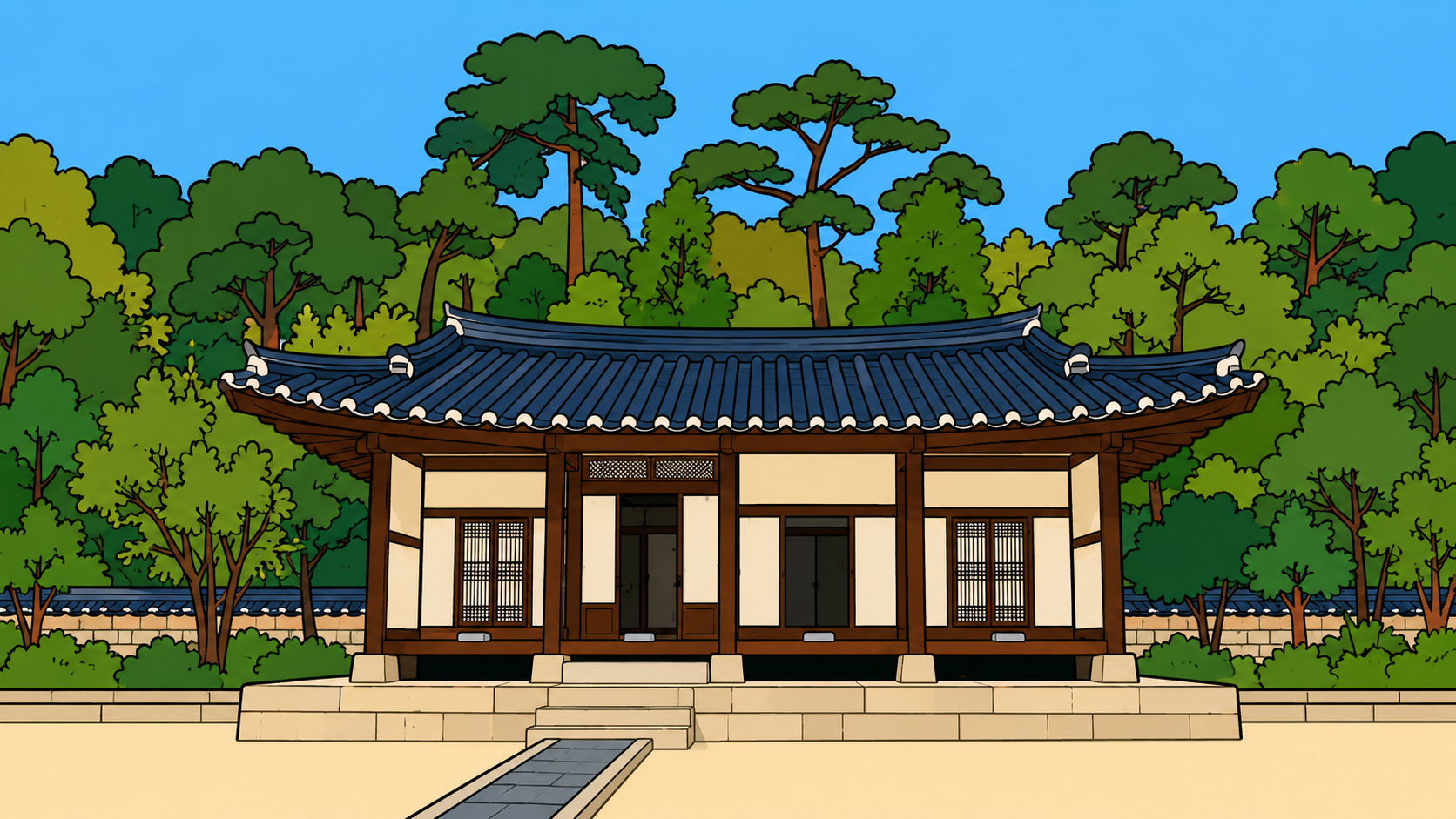
Winter solstice meaning points to a turning point. In K-Saju it’s ja — the station that builds the next cycle where no one can see it yet.

Dormancy meaning isn’t emptiness — it’s compressed inventory waiting for permission. In K-Saju that’s chuk, the frozen ground the year won’t yet release.

In marks 3 to 5 AM, the hour when initiation becomes structurally unavoidable. Why some charts move before the room has lit up.
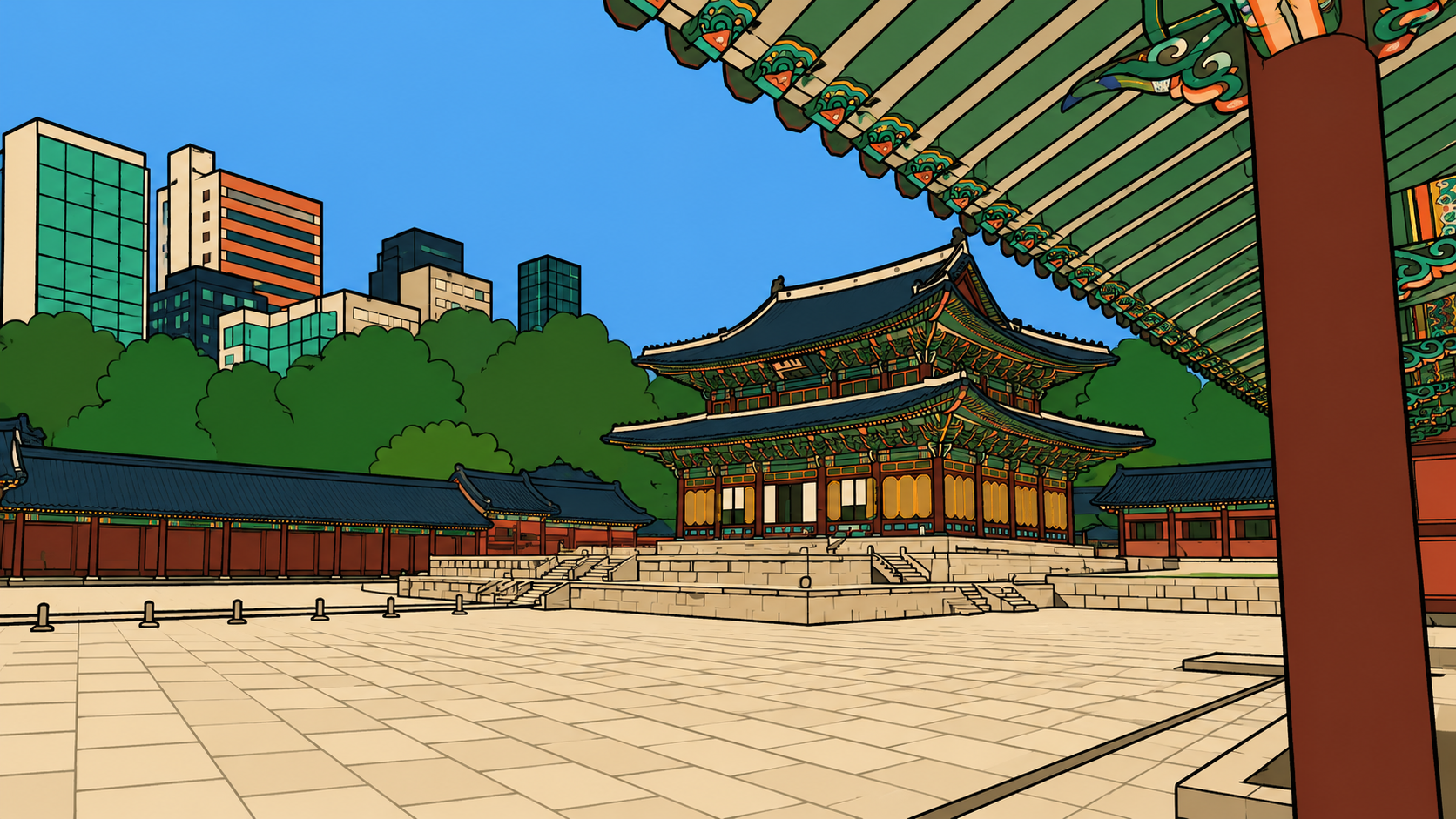
Adaptability in K-Saju is not weakness — it is Myo, the spring rain that quietly redirects the year before anyone notices the decision was made.

Dragon hour in K-Saju is not confusion — it is Jin, the transitional fog where every boundary dissolves before summer redraws them.

Selective visibility in K-Saju is not hiding — it is Sa, the threshold where you choose what to reveal before summer forces full exposure.

Being seen in K-Saju is not exposure for its own sake — it is O, the peak where whatever you built stands in full light and gets tested.
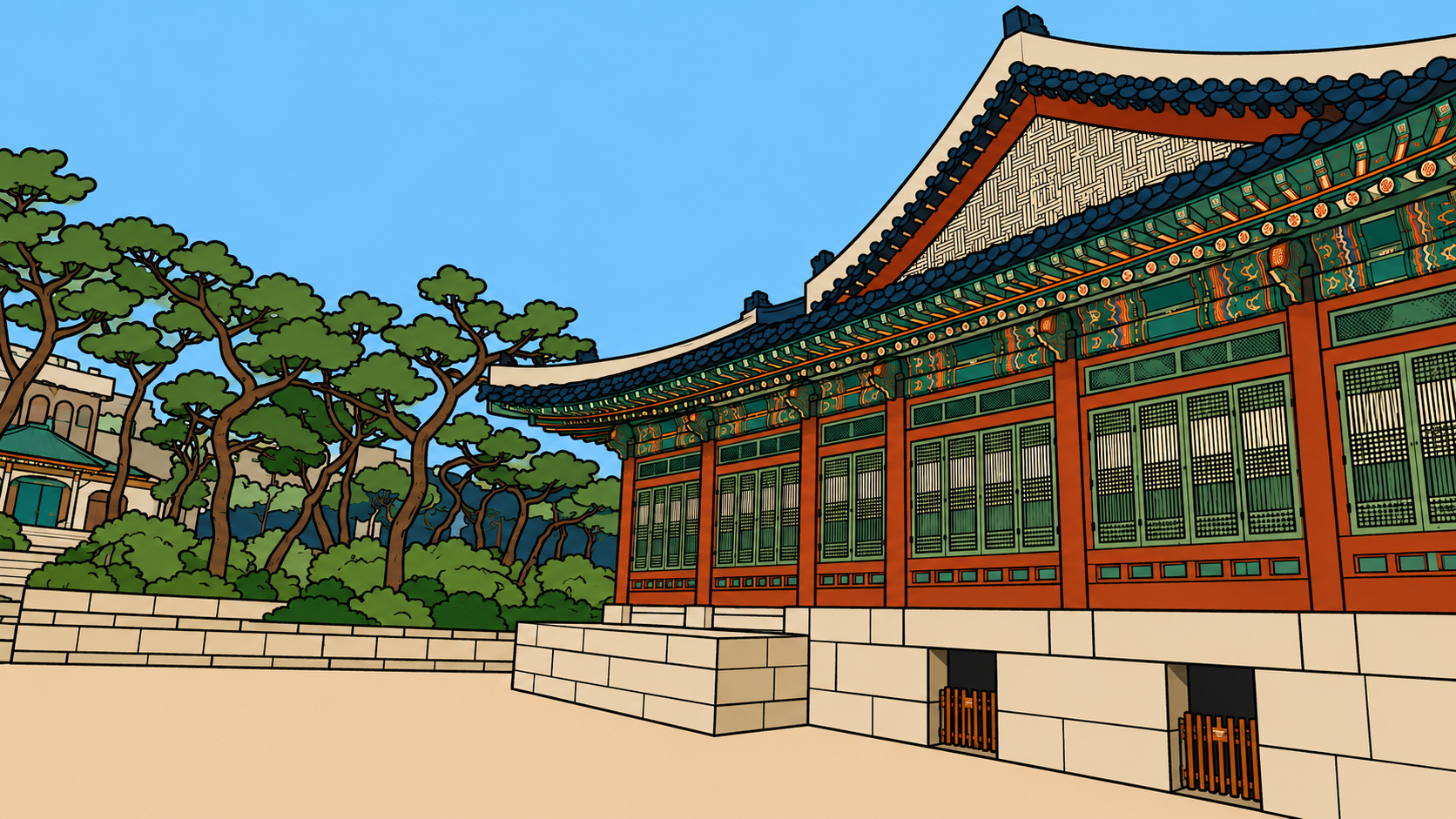
Letting go in K-Saju is not loss — it is Mi, the afternoon station where you choose what the peak produced to keep and what to release.

Taking stock in K-Saju is not criticism — it is Sin, the first cool cut of autumn that decides what summer produced was worth keeping.