When Money and Self-Worth Become the Same Thing (Part 1)

Money and self-worth intertwine, making stability feel perpetually unsafe. Explore why no amount of money proves what you’re actually trying to prove.
 Kam Su Jin
Money and self-worth intertwine, making stability feel perpetually unsafe. Explore why no amount of money proves what you’re actually trying to prove.
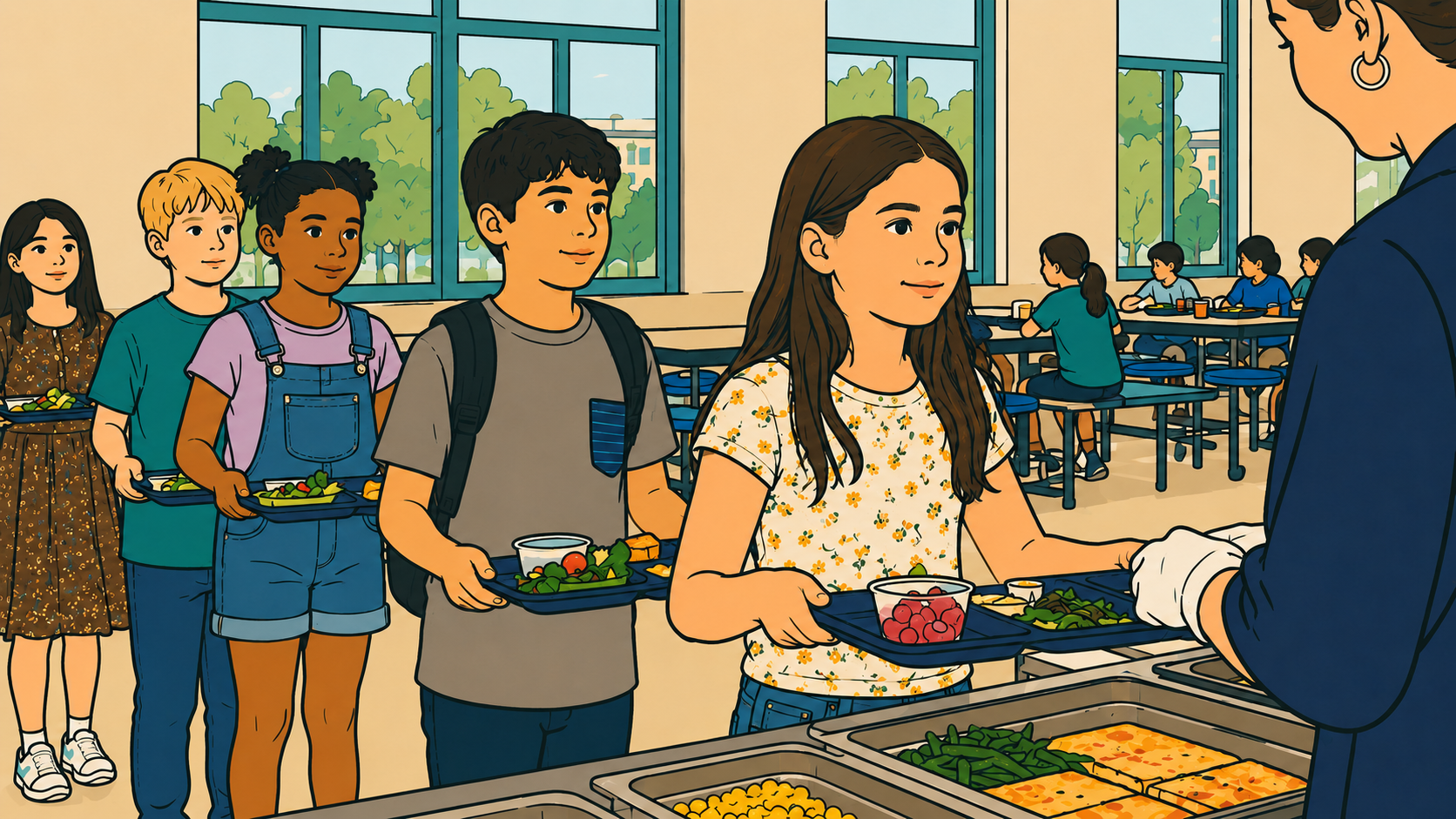
Your school lunch system structure isn’t broken. It’s working exactly as designed. Here’s how to read what it’s actually built to do.

How Korean school lunch works isn’t just recipes. It’s the system that allows one person to choose taste over cost. Here’s why it can’t be copied.
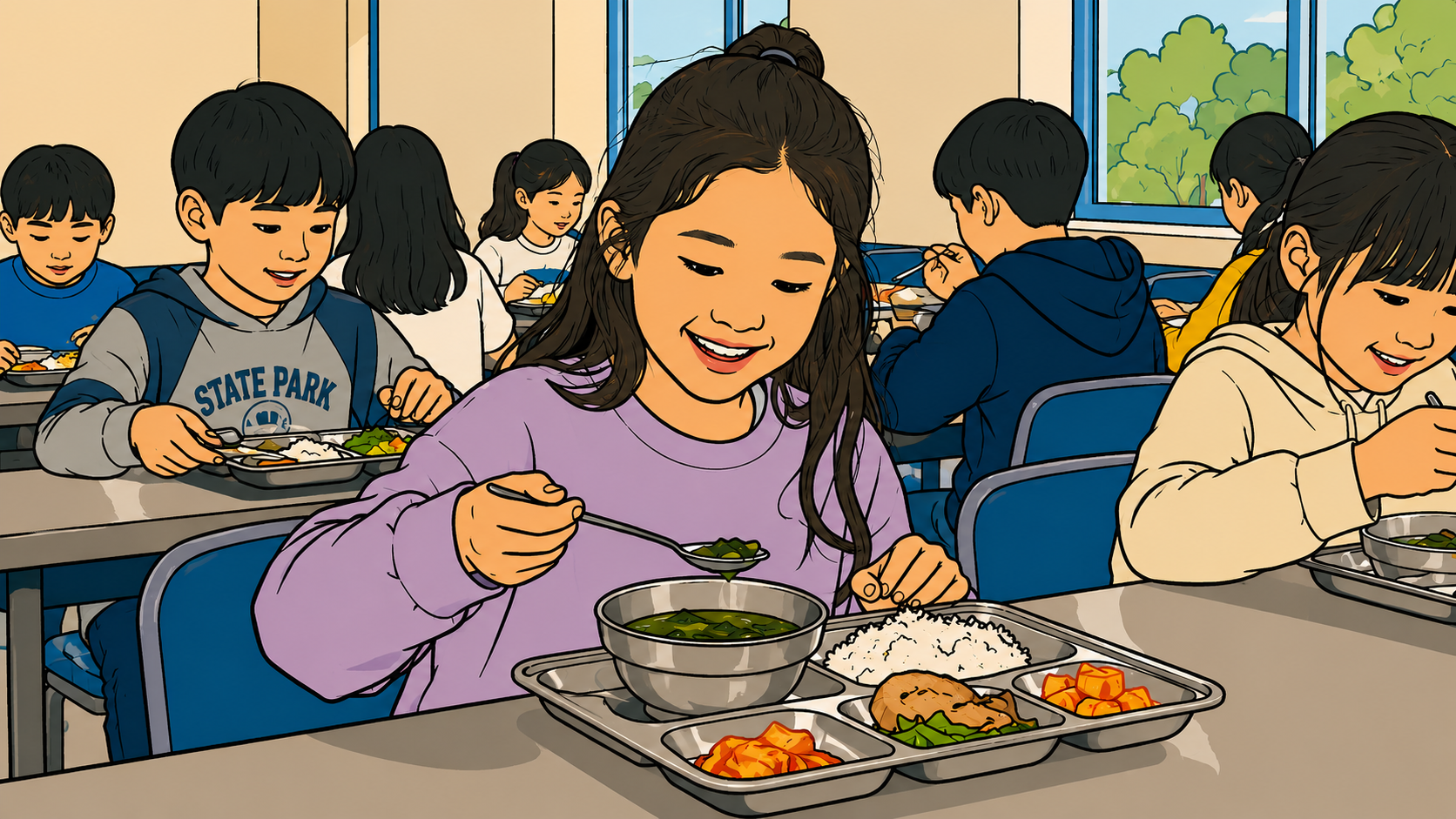
Korean school lunches go viral. But the real system isn’t about nutrition alone. It’s about someone choosing taste. Here’s why that matters.
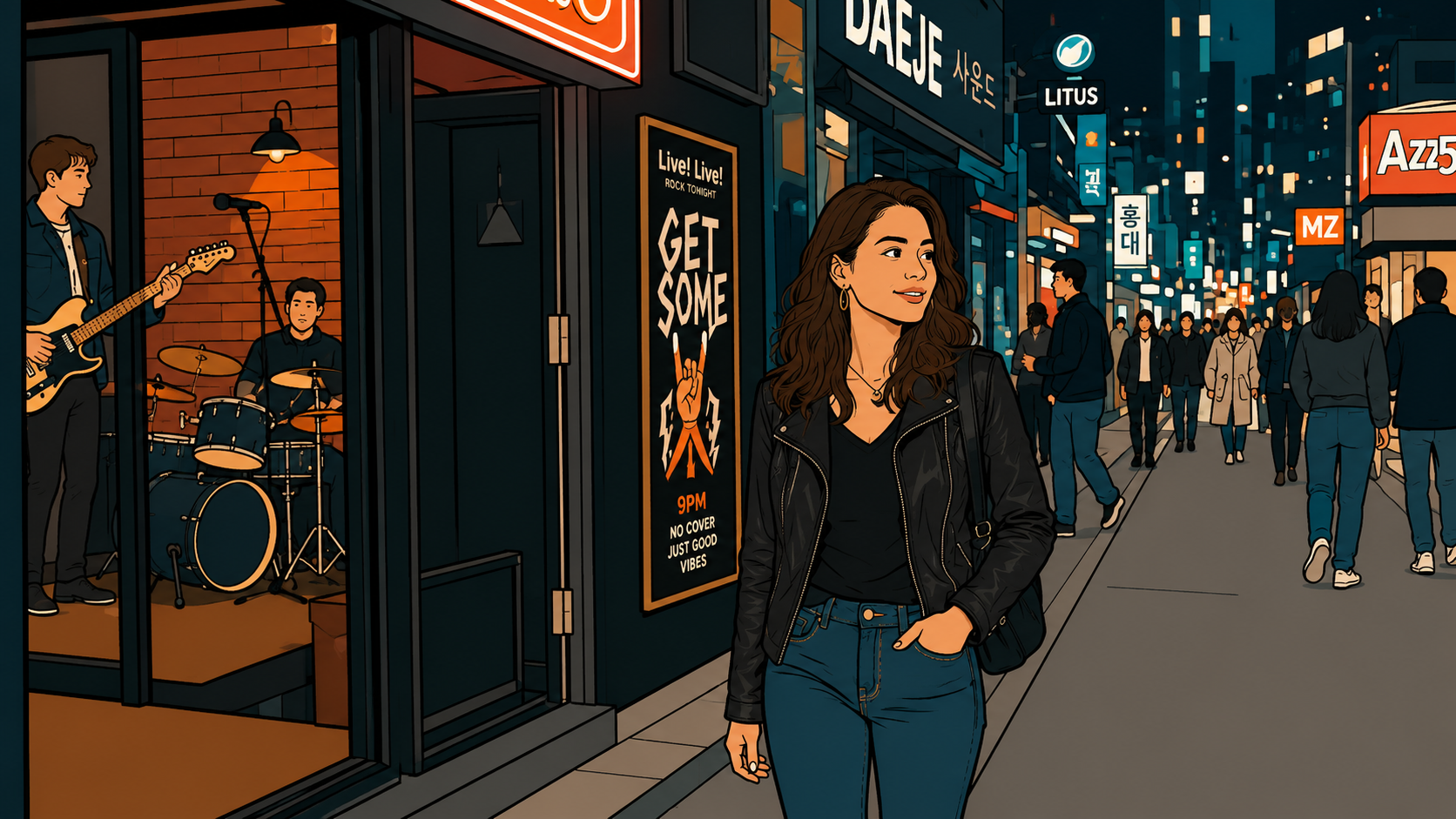
Night culture Korea doesn’t ask for credentials. Women and foreigners belong, and you can exist without productivity. Here’s what changes.
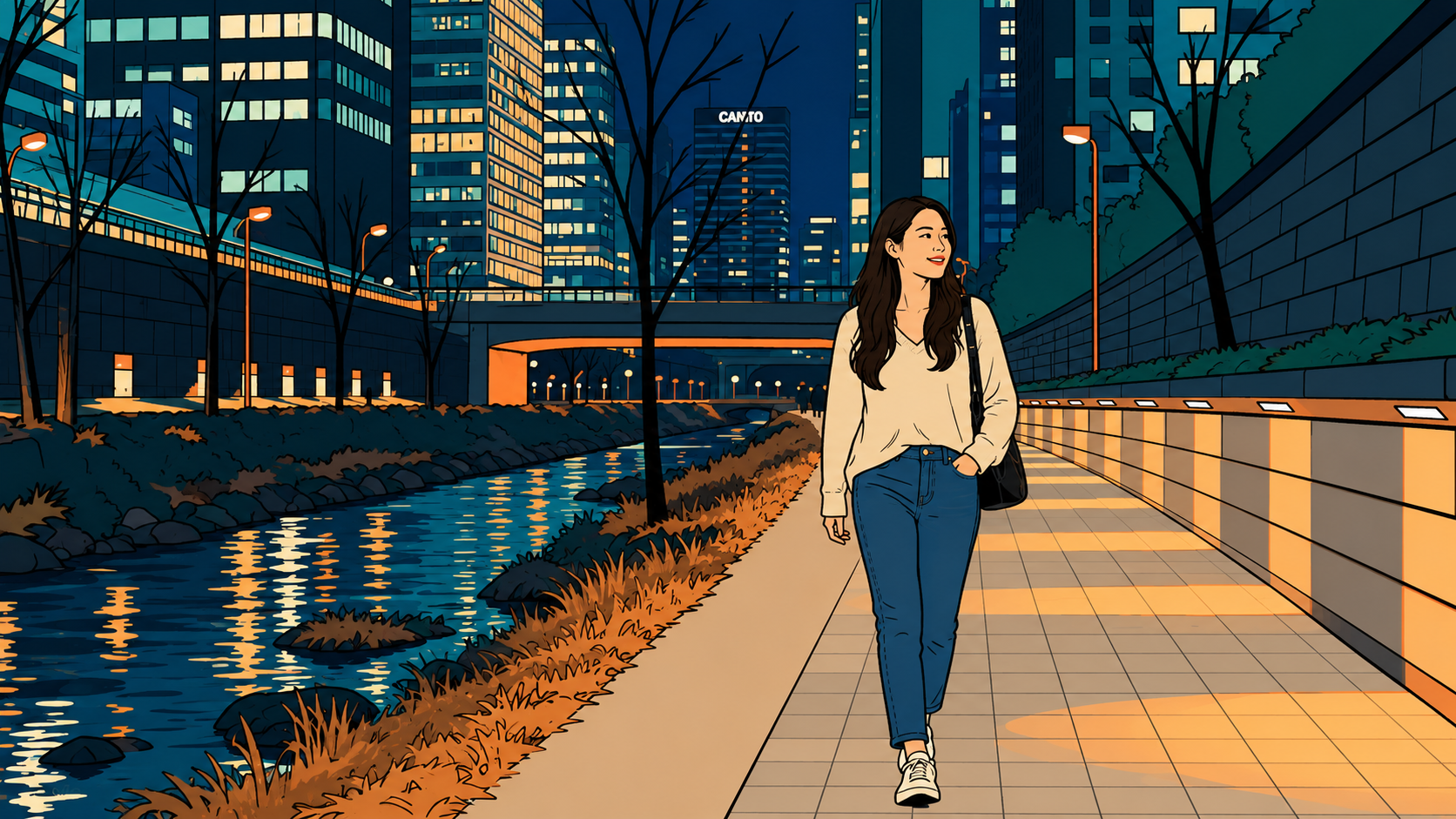
Solo female travel to Korea lets women jog at 2 AM, sing alone, and sit in cafes at 3 AM—safe enough to feel comfortable alone. Here’s what it’s like.

Korean nightlife transforms Seoul after sunset. Women jog alone at 2 AM safely. Clubs peak at 4 AM. Here’s what’s actually real and why it’s different.
Loving without disappearing means staying whole and close. When both people can exist fully and still choose each other without losing themselves.

When did you first start questioning love? Not suddenly, but through patterns that quietly taught you to doubt what once felt natural and safe.

Why you’re responsible for others’ emotions and where that belief started. A pattern from childhood that still shapes how you relate today