Why You’re Responsible for Others’ Emotions (Part 3)
Why you’re responsible for others’ emotions and where that belief started. A pattern from childhood that still shapes how you relate today
 Kam Su Jin
Why you’re responsible for others’ emotions and where that belief started. A pattern from childhood that still shapes how you relate today
How apologizing for your actions becomes apologizing for other people’s feelings. The pattern that starts as care and becomes a trap.
Why you’re always saying sorry first—even when no one asked. A pattern that feels protective but leaves you exposed and taking the blame.
Attachment styles aren’t fixed traits—they’re learned patterns your nervous system created. Understanding them is the freedom to change how you relate.
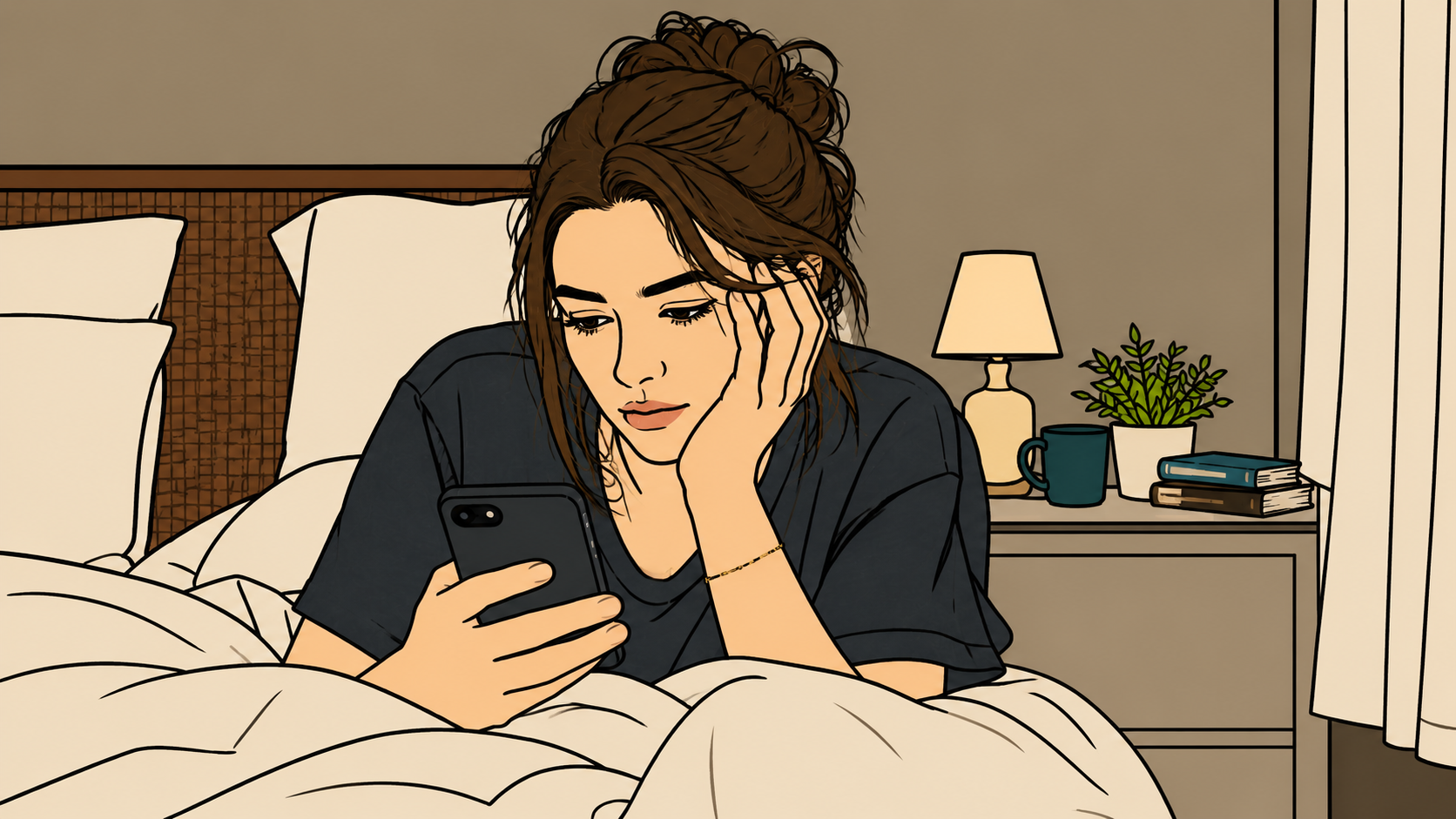
Disorganized attachment style isn’t chaos. It’s a nervous system where closeness and safety conflict—why you swing between connection and distance.

Avoidant attachment style isn’t independence—it’s learning that needing people leads to rejection. Why you pull away, why closeness triggers panic.
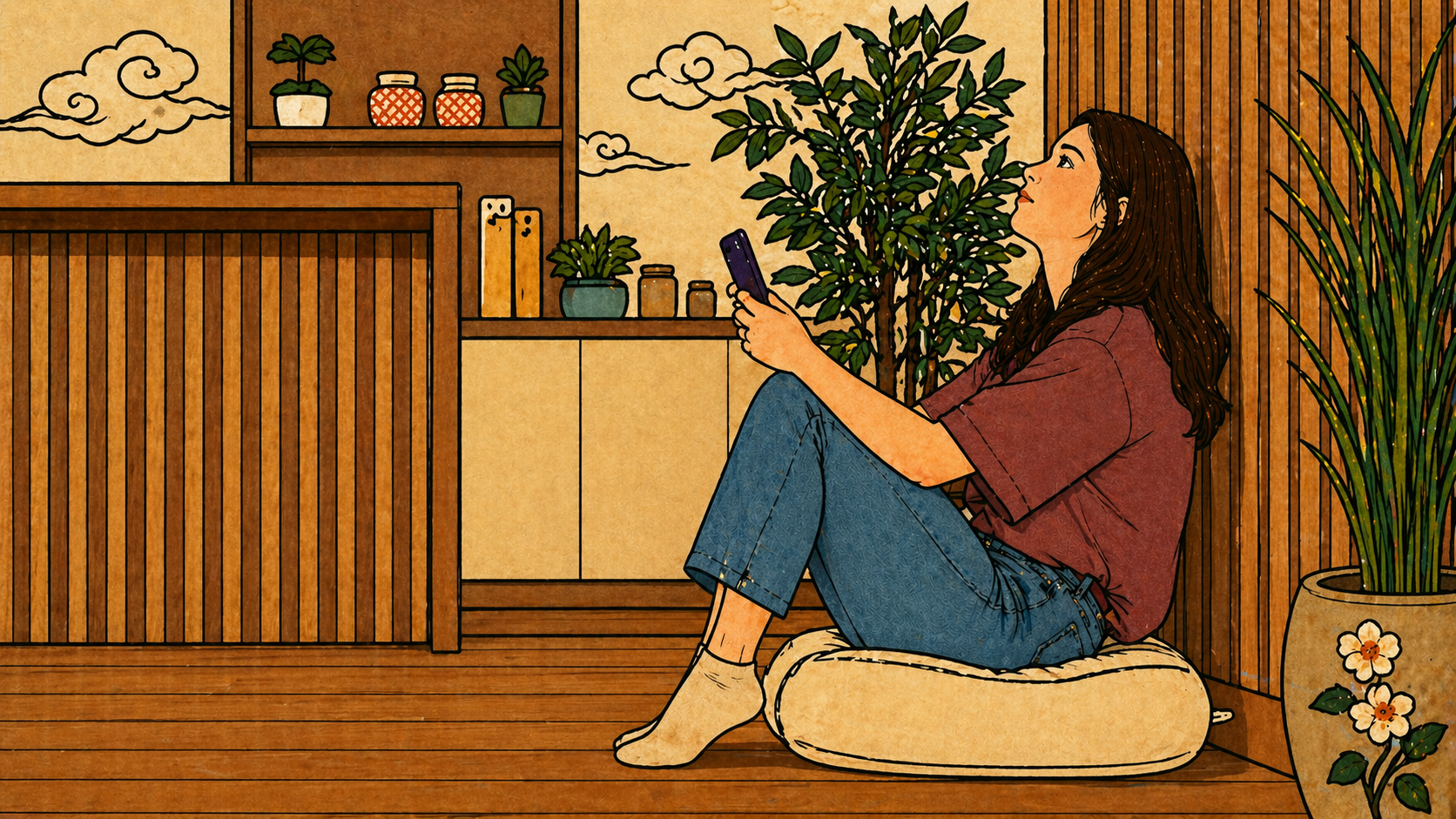
Anxious attachment style isn’t neediness. It’s a nervous system shaped by unpredictability—why you check, ask, and feel silence as abandonment.
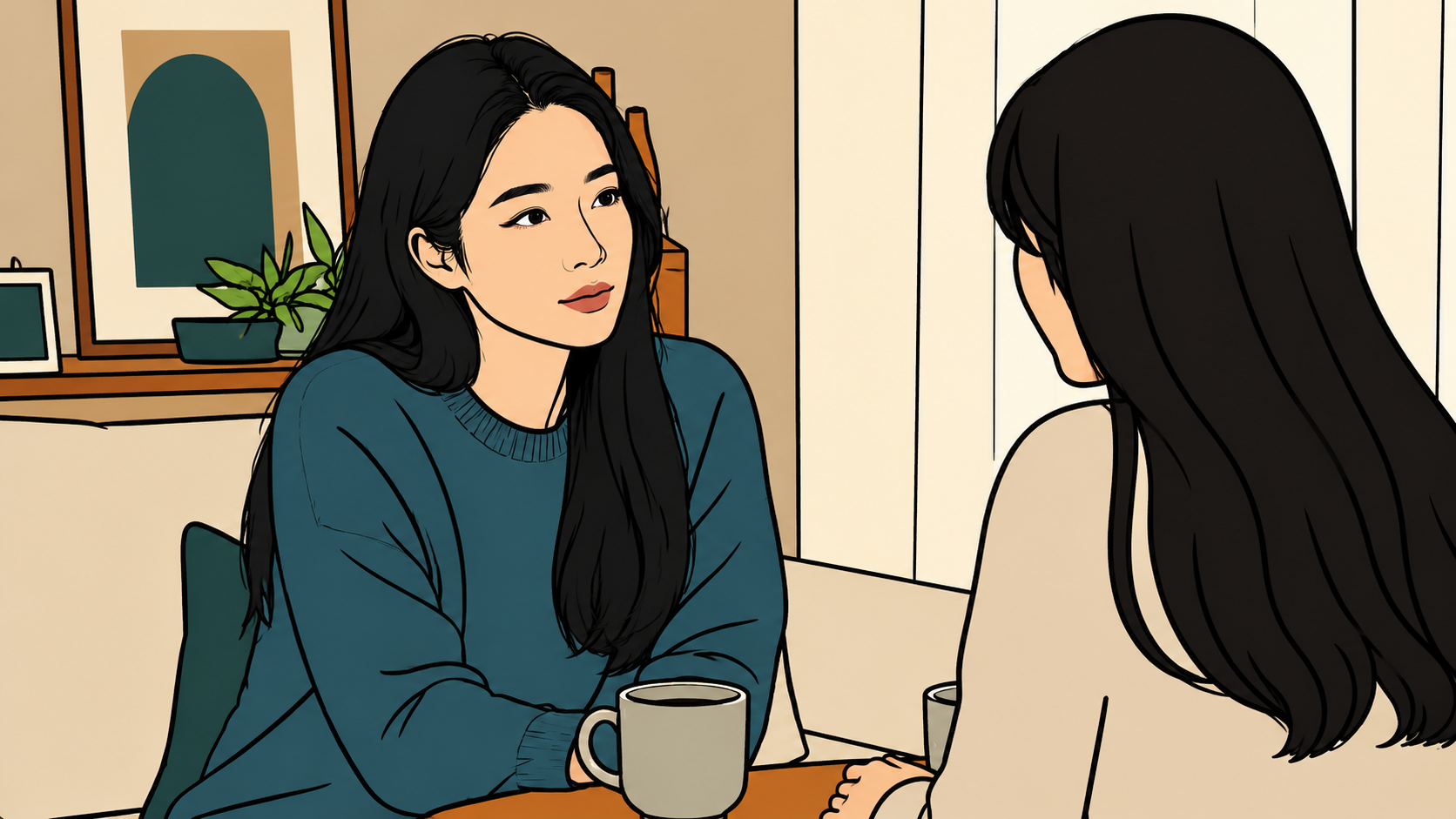
Attachment style isn’t personality—it’s whether your nervous system learned needing people is safe. Why some people hold tight and others run away.

Ten minutes from an apartment block, a thousand-year-old gate. What a temple stay Seoul at Jingwansa gives that a mountain retreat can’t — and why we came back.
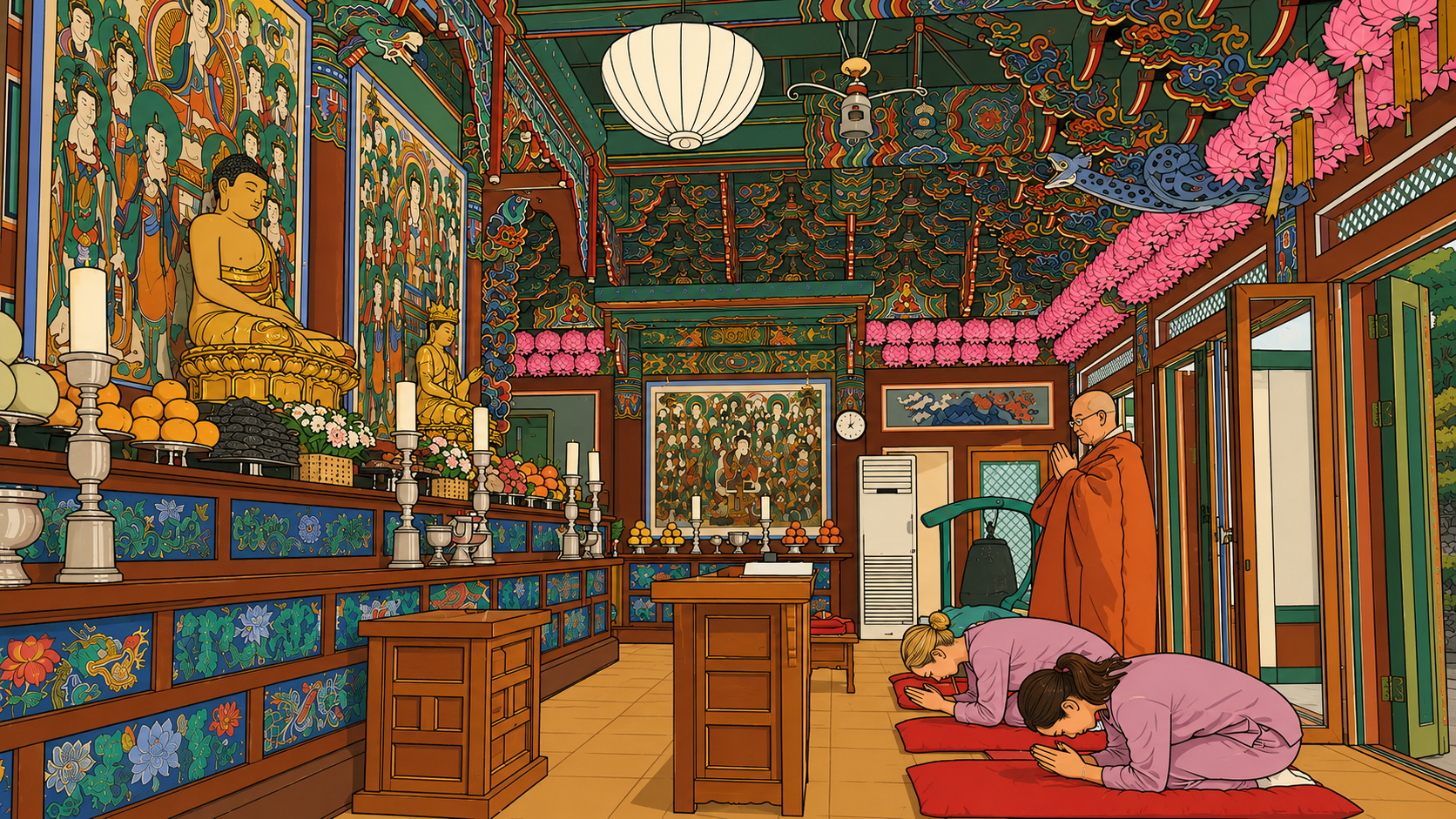
After 108 bows, the body keeps count before the mind agrees. A full day inside a Korean temple experience — from dawn prostrations to the dark.