Myo: The Spring Cycle Meaning in Astrology That Decides the Year (Part 5)

The spring cycle meaning in astrology: 묘 (myo) is the soft pressure that decides the year. Why March commitments hold — or get cut by autumn.
 Kam Su Jin
The spring cycle meaning in astrology: 묘 (myo) is the soft pressure that decides the year. Why March commitments hold — or get cut by autumn.

The tiger hour meaning in astrology: 인 (in) is the first movement after winter’s hold. Why some releases land and others get cut.

The frozen ground cycle meaning in K-Saju: Chuk (축: chuk) holds last year’s water underground. Why release stalls, and which clash forces it open.

The midnight hour meaning in astrology, read through K-Saju, is where the cycle resets — preparation begins before anyone can see it.

The twelve earthly branches meaning is not zodiac traits. They are stations — fixed points on a cycle that tell you where your life is located in time.
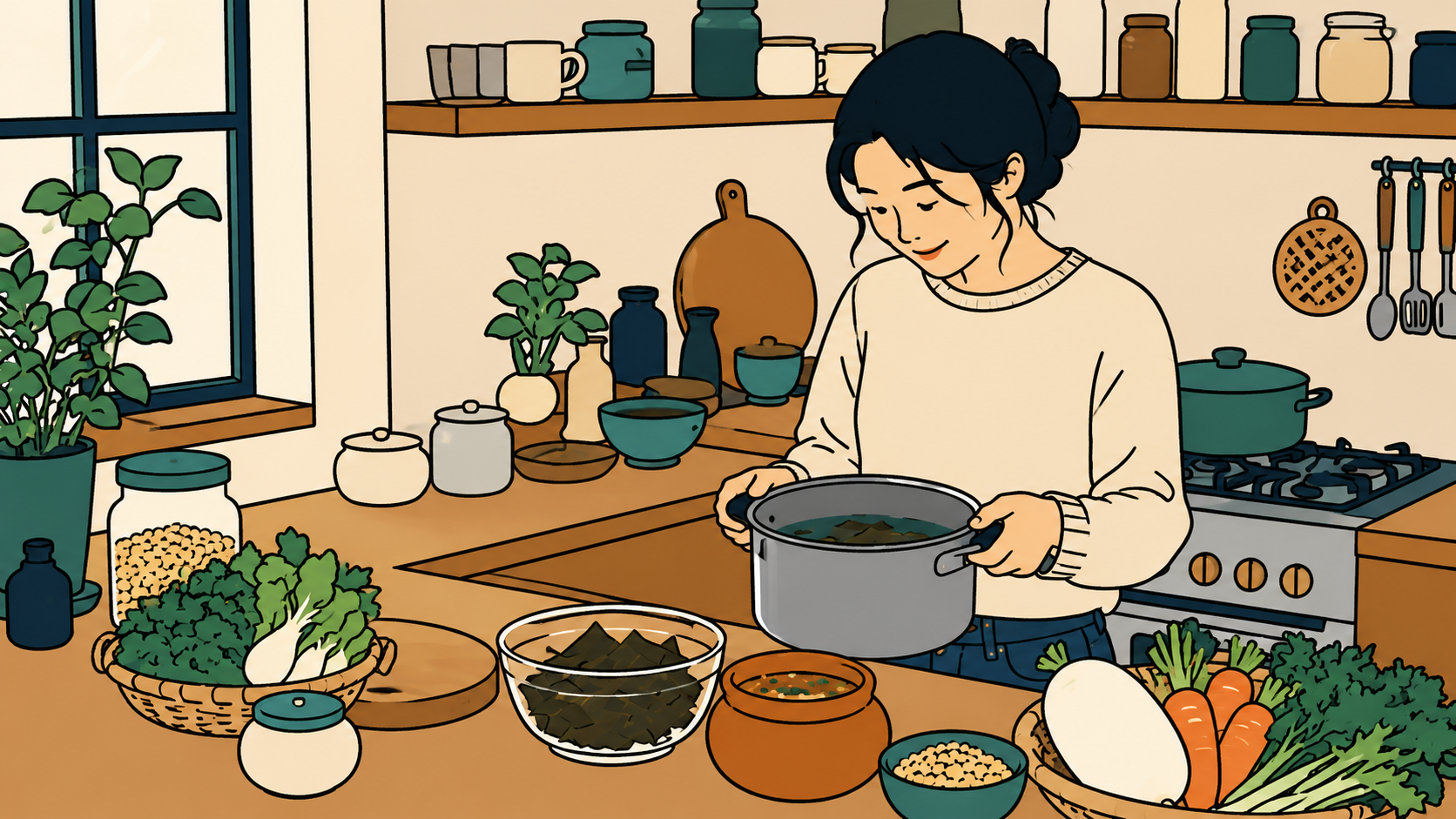
Monk food philosophy explains why the same recipe tastes different outside the temple. What the sequence, the silence, and accountability actually do.
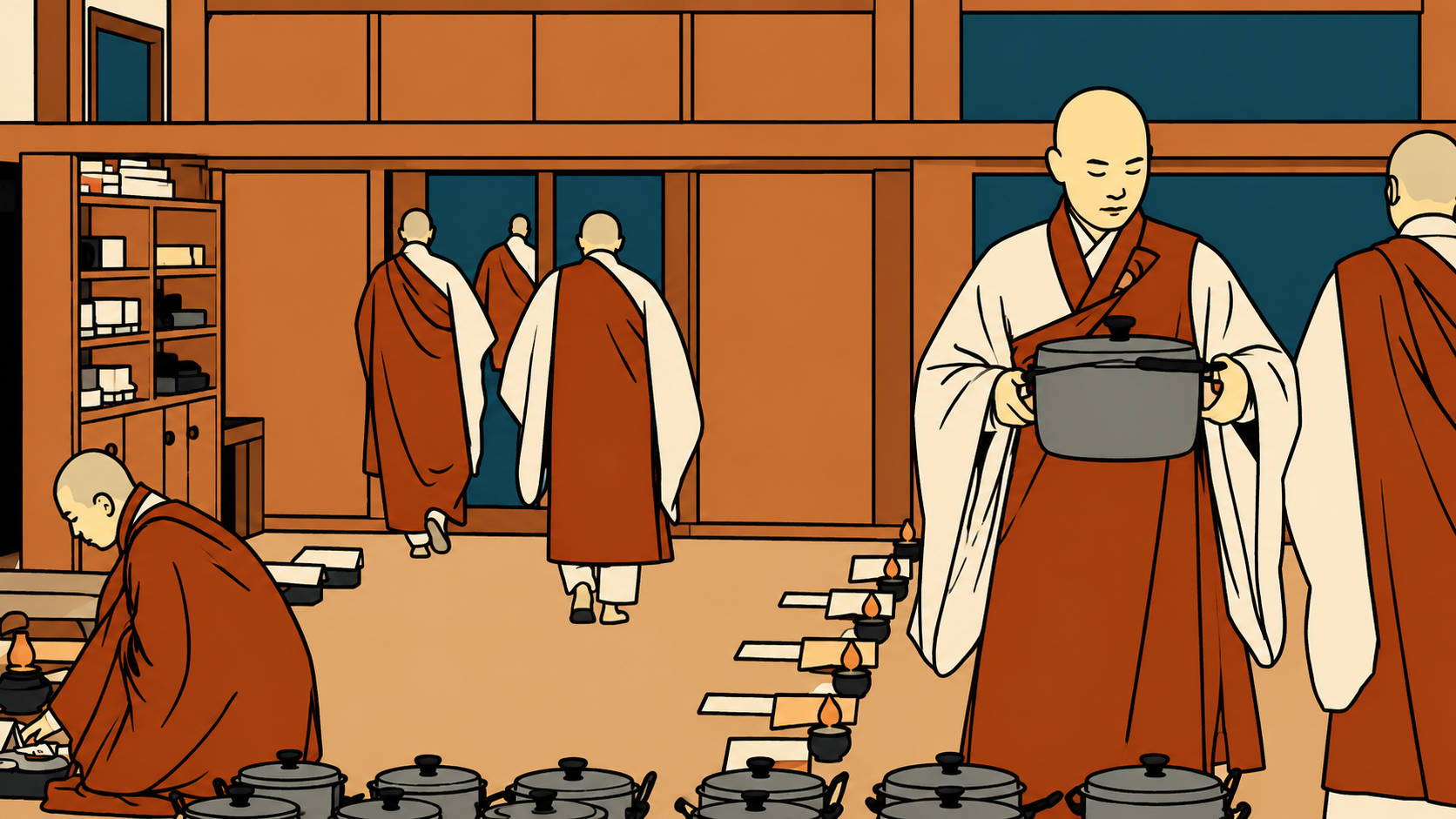
The temple kitchen experience starts before dawn. Inside the sequence, the silence, and the two hours of work that reach the table as a bowl of soup.

Korean Buddhist food uses no garlic — just three fermented jars. Here’s how doenjang, ganjang, and temple gochujang season an entire meal without it.

Korean temple cuisine builds broth without bones, meat, or fish — and still lands. Inside the stock, the doenjang, and the depth that only time makes.
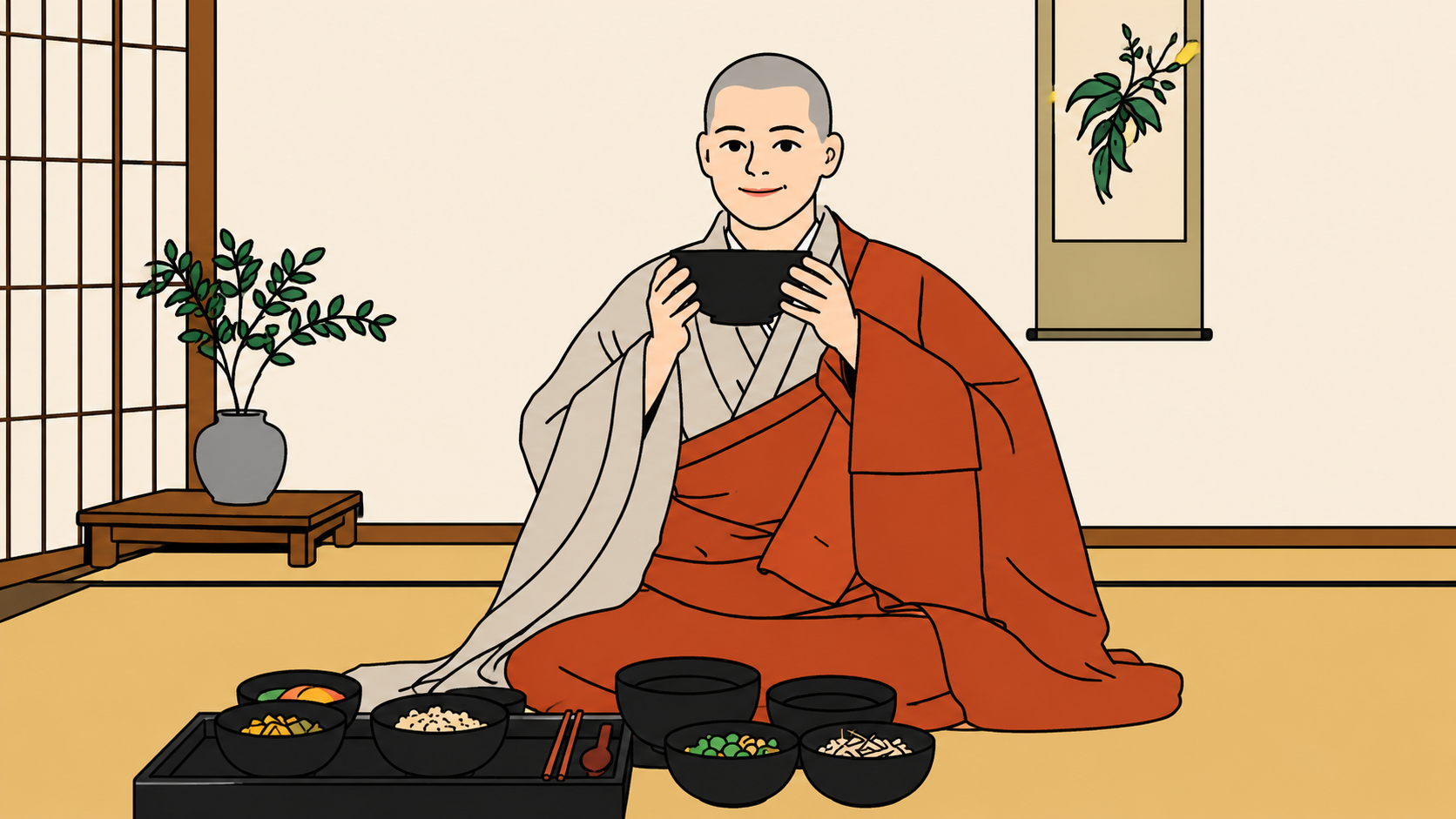
Korean temple food removes five ingredients entirely — and gets deeper without them. Inside the bowl, the broth, and the silence at Bongjeongsa.