Signs of Burnout — Why Your 20s and 30s Break Differently (Part 3)

The signs of burnout aren’t the same at 28 and 38 — same symptoms, different engine underneath. Read the wall by your phase, not by how hard you’re trying.
 Kam Su Jin
The signs of burnout aren’t the same at 28 and 38 — same symptoms, different engine underneath. Read the wall by your phase, not by how hard you’re trying.

The sunk cost fallacy explains why you can’t stop even when you want to — the more you’ve put in, the more it costs to leave, so you keep paying instead.

Hustle culture arrives disguised as good advice. Part 1 on why the success formula everyone follows may never have been designed for you at all.
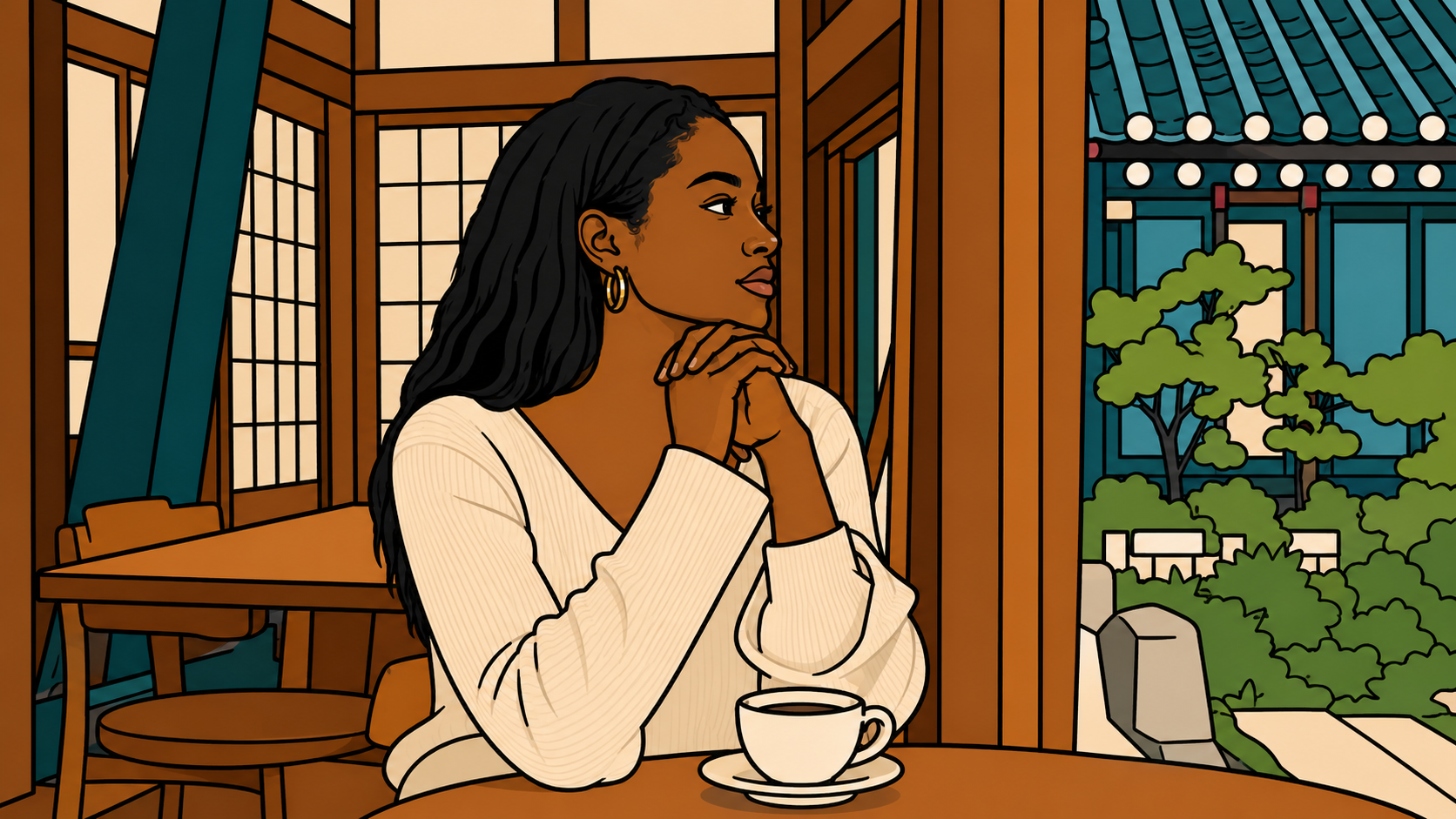
The real export of Seoul isn’t smoother skin — it’s a korean lifestyle built on timing, cycles, and windows that reshapes how you move through time.

Non surgical skin treatments let a man close the gap between how sharp he feels and how tired he looks — no trace, no explaining, back at his desk by noon.

The subtle aesthetic costs more because it means knowing when to stop. Why Korean clinics build their reputation on restraint, not transformation.
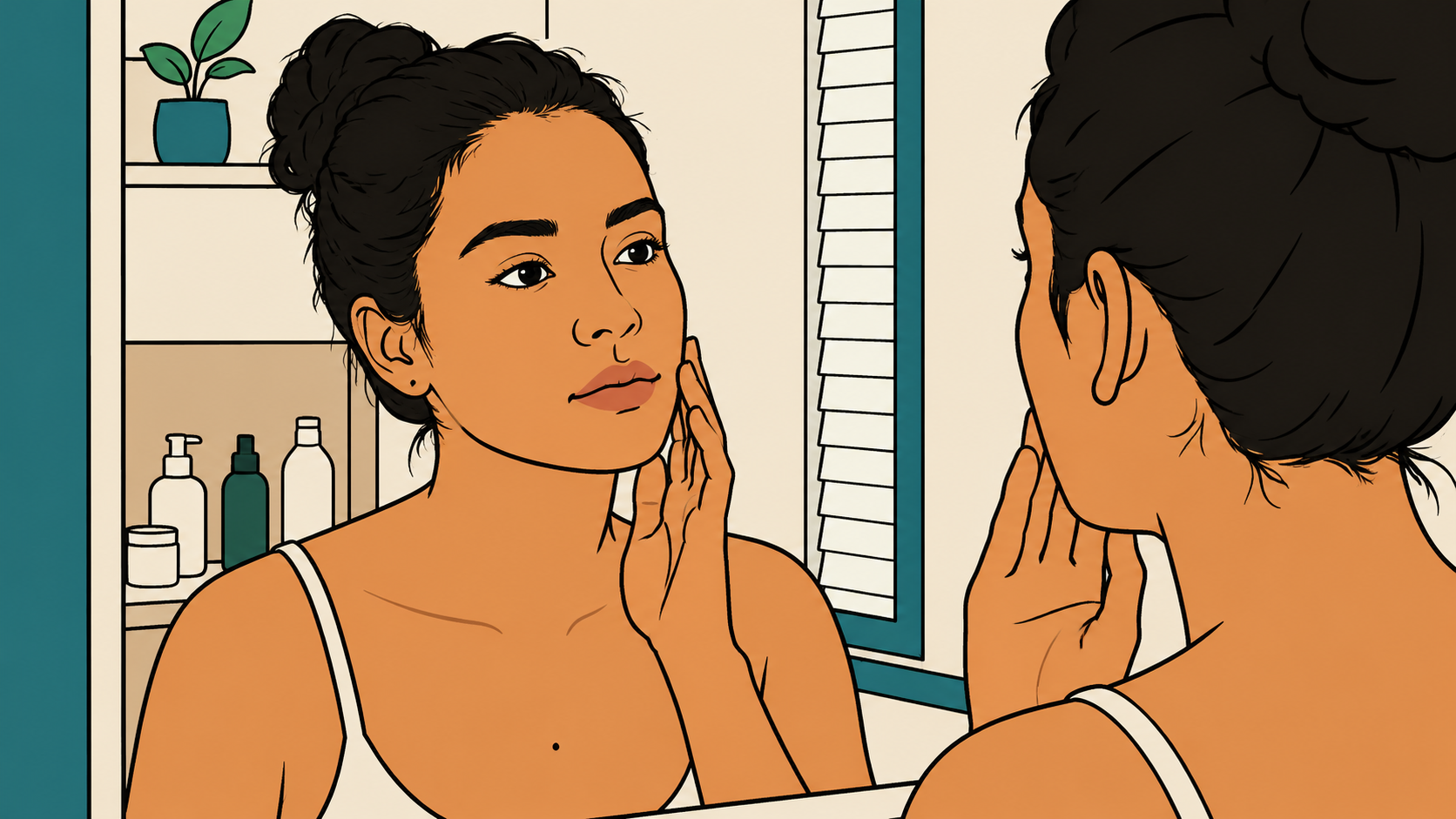
Skin tightening non surgical leaves no trace by morning — no swelling, no bruise, just collagen quietly firming beneath an ordinary-looking face.
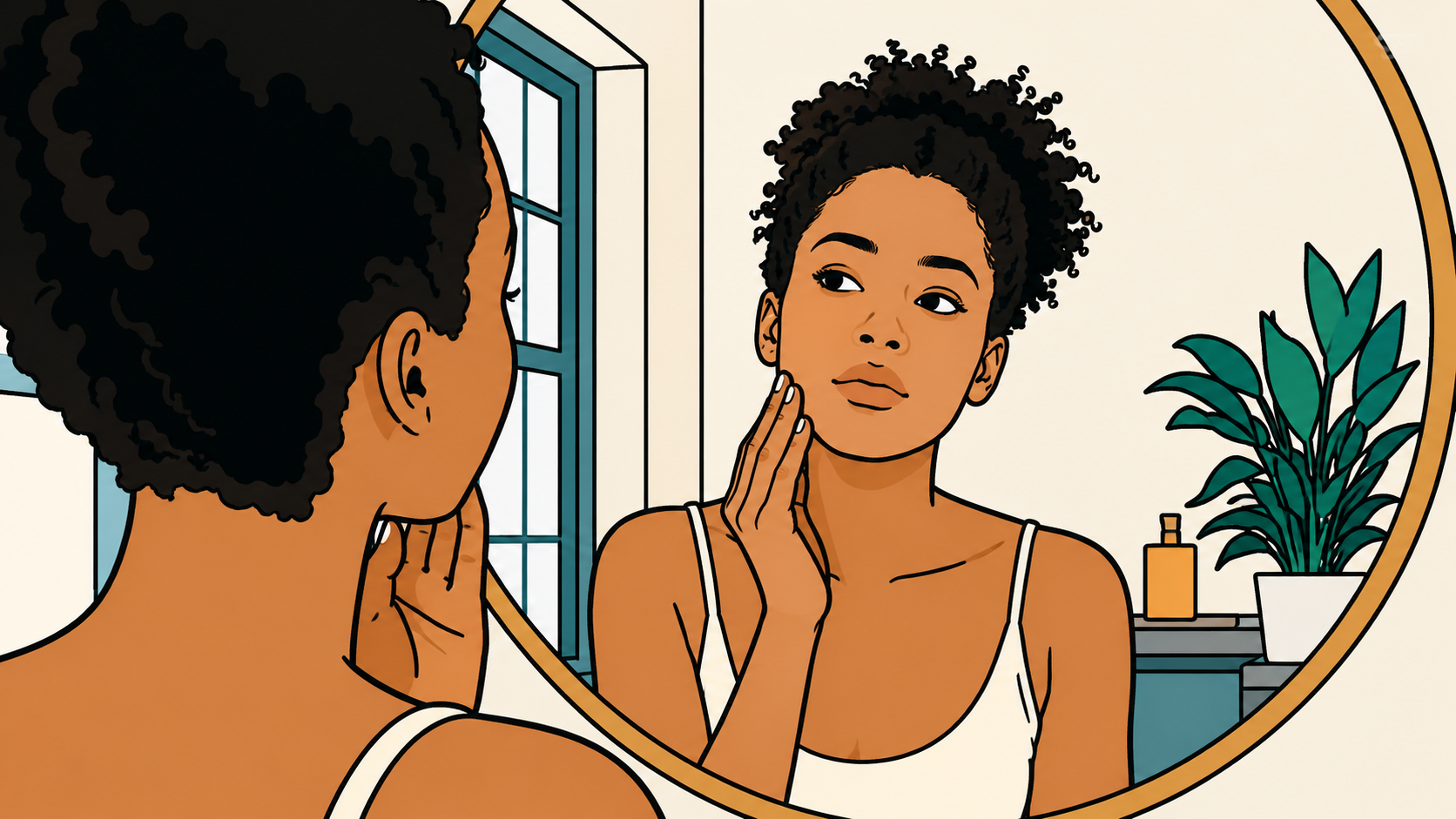
The beauty standard quietly changed: a tired face now reads worse than an old one — dark eyes, dull skin, a soft jaw, and the quiet fix for it.

In Gangnam, a beauty culture stacks clinics between cafés and offices — treatments that fit a lunch break and leave nothing to explain by tomorrow.
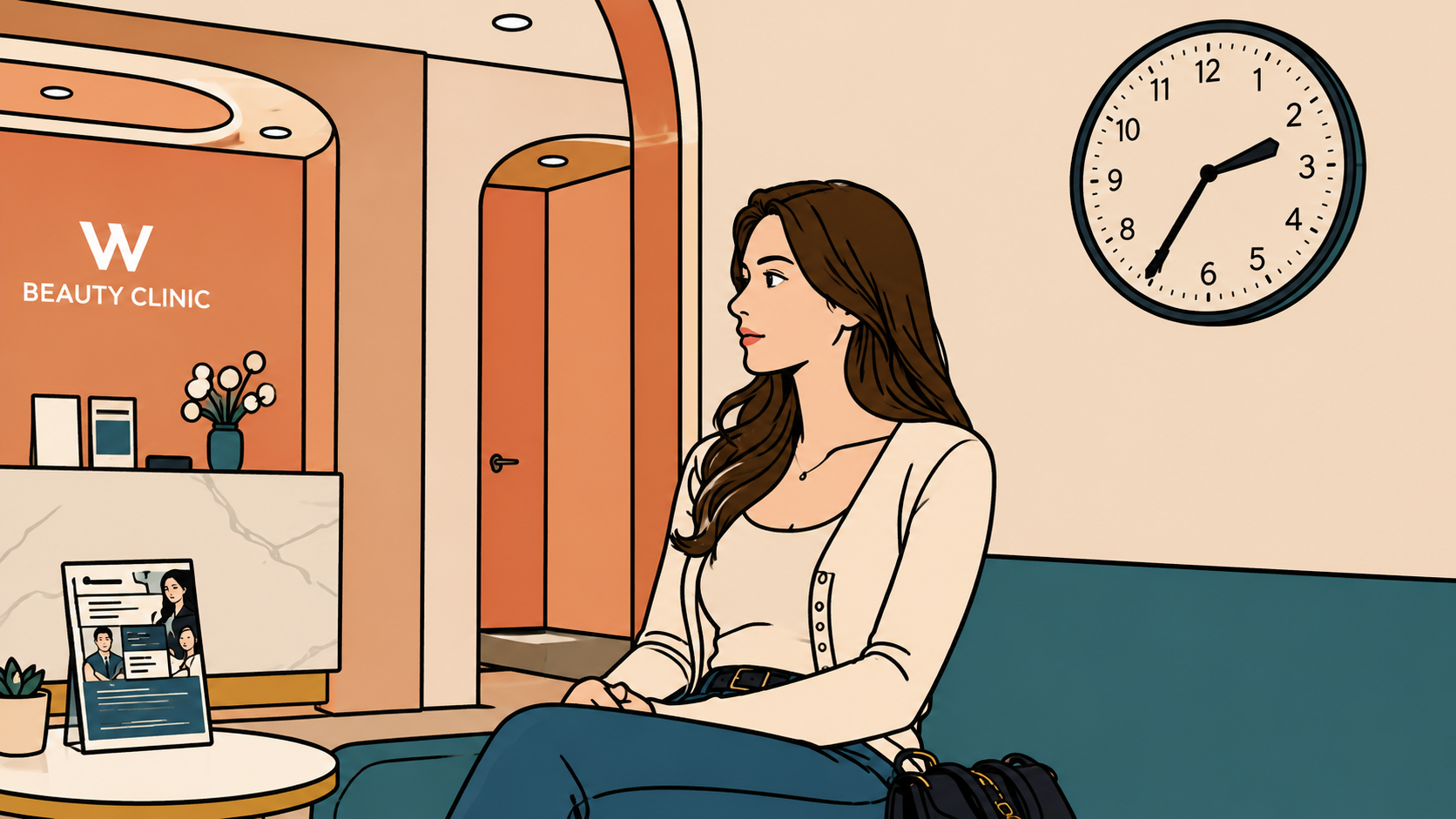
Twenty minutes inside a Gangnam clinic — what korean dermatology feels like: warmth, a prick, then cool, no anesthesia, then back to your afternoon.