Mountains in Seoul — The Chart Beneath the City (Part 5)
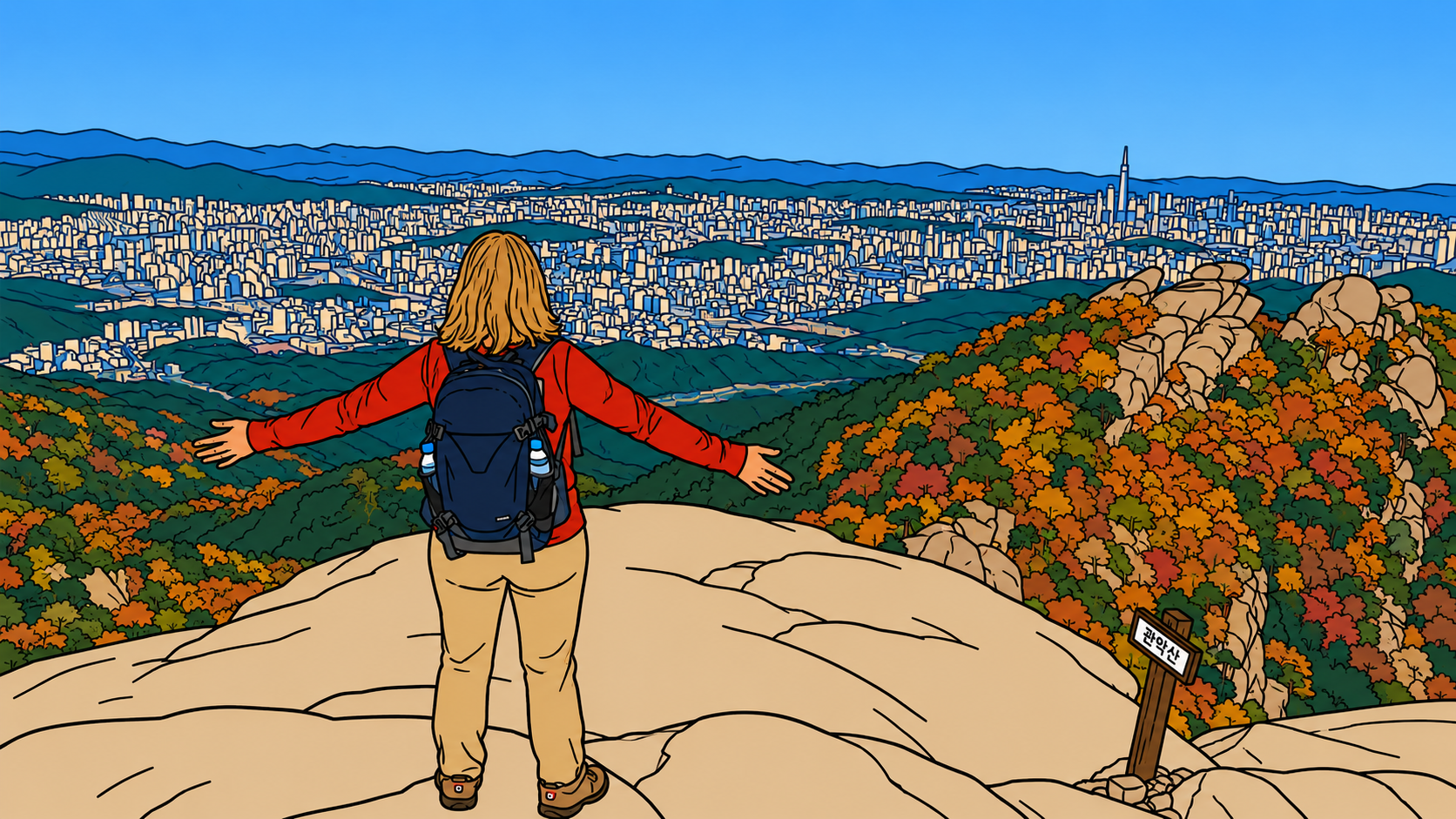
Three mountains, one river, six hundred years unmoved. The mountains in Seoul weren’t scenery — they were read, then built into, before the first wall rose.
Three mountains, one river, six hundred years unmoved. The mountains in Seoul weren’t scenery — they were read, then built into, before the first wall rose.

Gwanaksan hiking draws students, seniors, families every day. Foreign hikers are joining them — not for a monument, but for a rhythm.

Closed for decades behind the Blue House, Bugaksan mountain reopened in 2022 — and hikers found a wall that had been watching the palace all along.
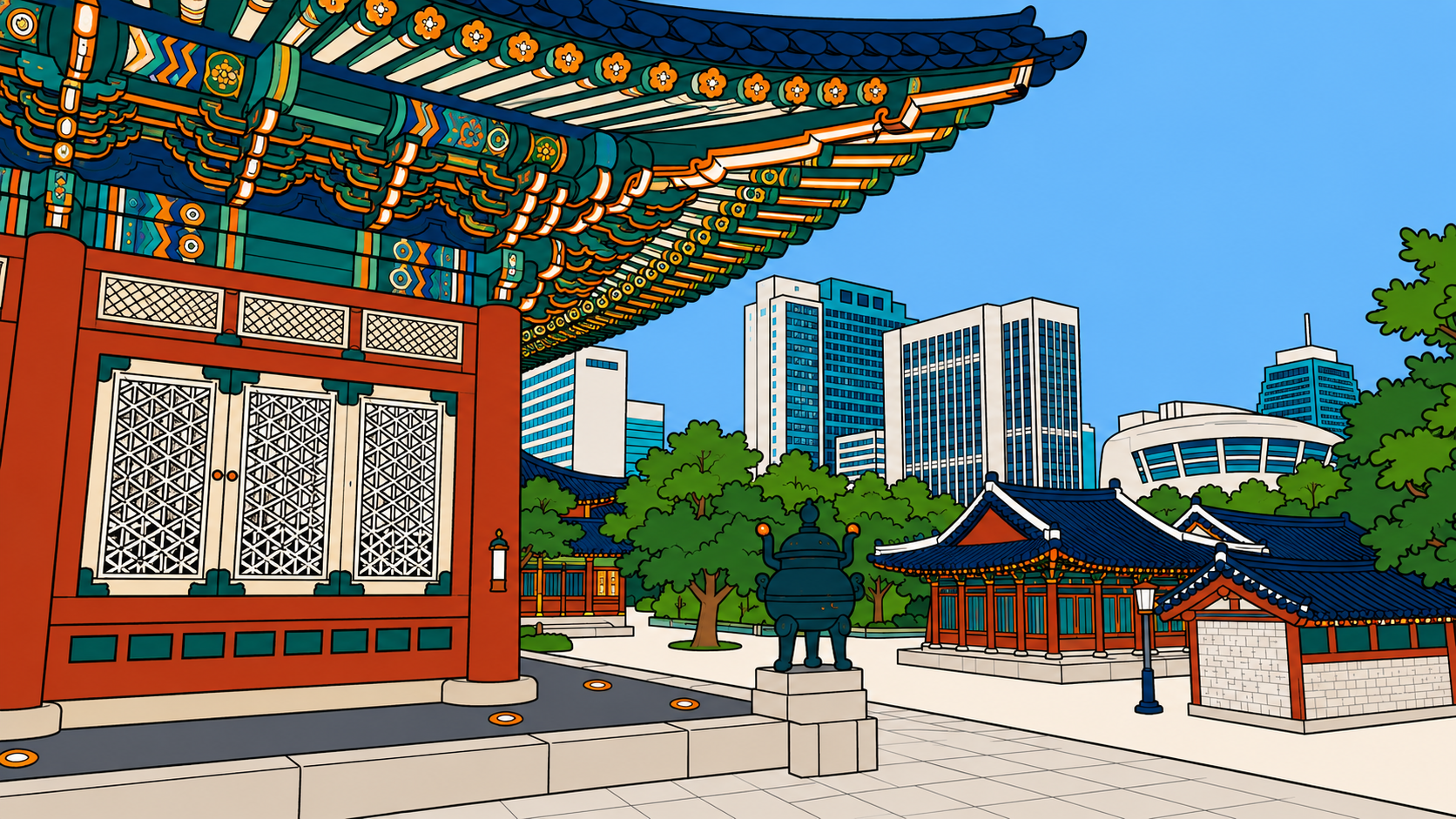
The granite steps at Baegundae aren’t the hardest part. What stays with hikers is the hour before — the fortress wall, the pine forest, the quiet.
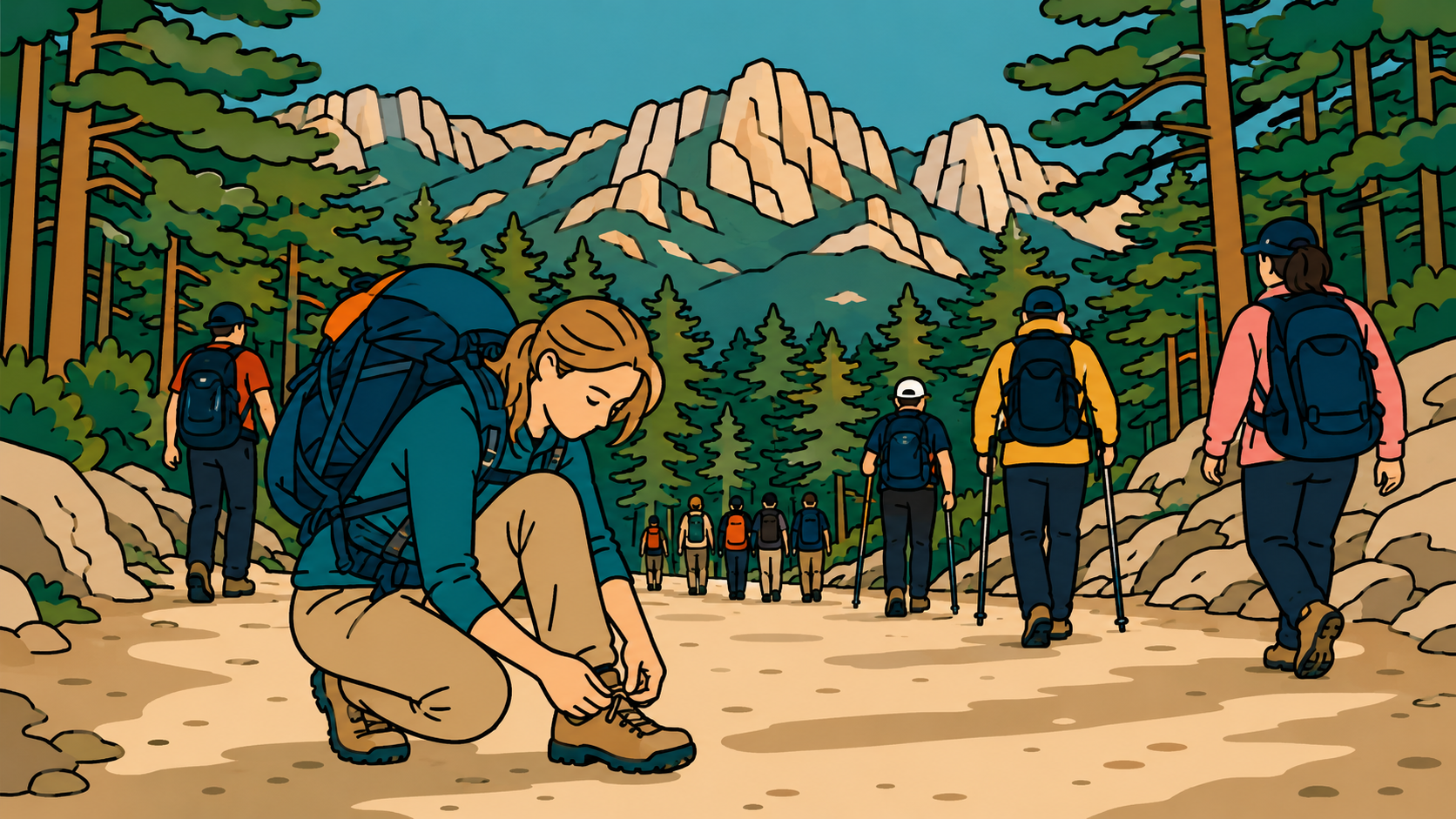
Hiking in Seoul starts before the city wakes. What foreign hikers find isn’t scenery. It’s a rhythm the city was built inside.

The Korean gat hat vanished by the 1950s. It came back through a zombie drama — then K-pop stages and palace courtyards. Here’s what survived.

The Korean gat hat history took a dark turn in 1895. One order erased a visual language five centuries in the making.

In 1816, a sketch of a Korean gat made Napoleon laugh with delight. Here’s what the hat actually meant — and why it took centuries to build that meaning.
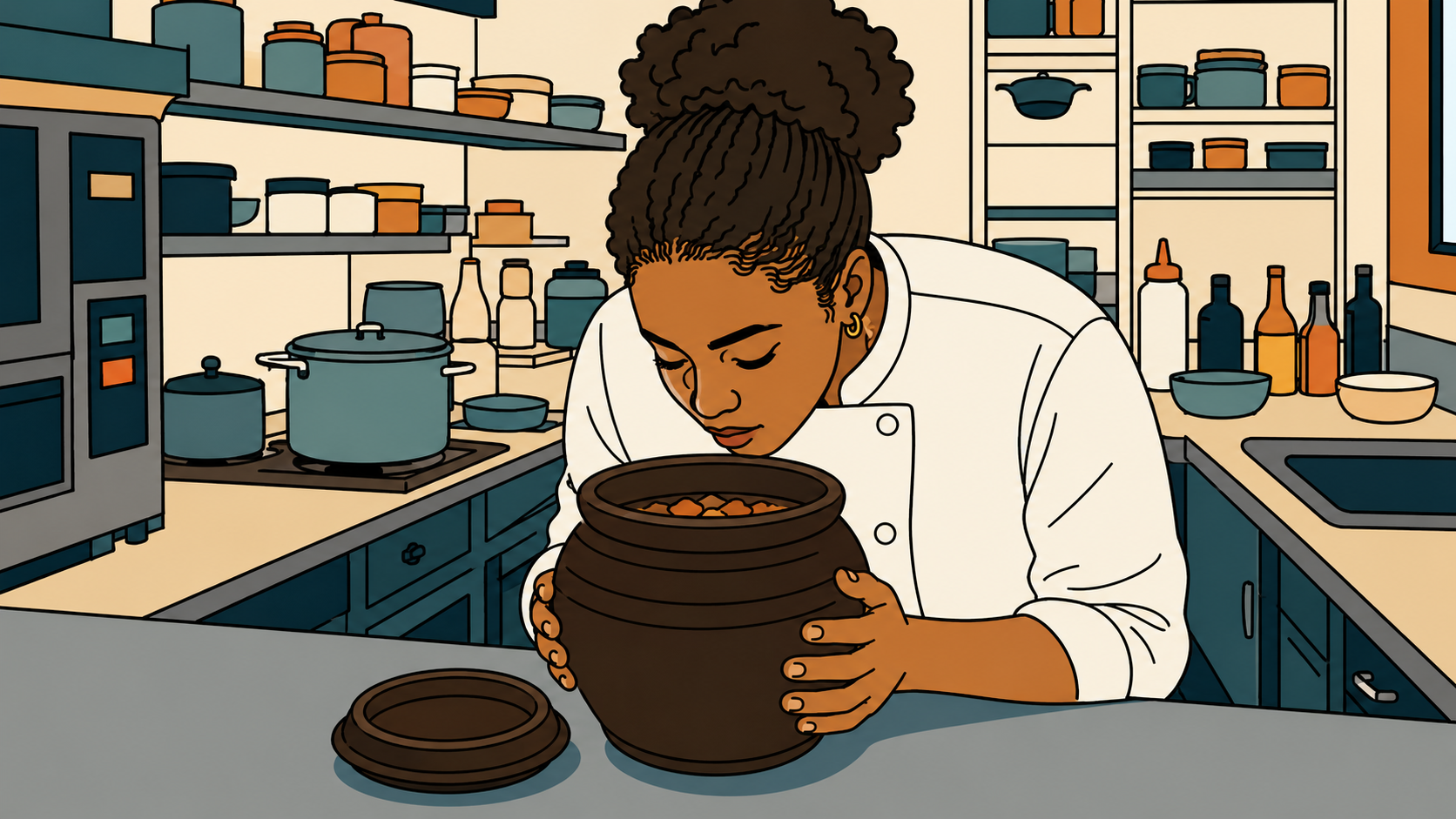
You can’t taste jang while it’s becoming jang. Korean food culture was built on that patience — and the world is finally starting to taste why.
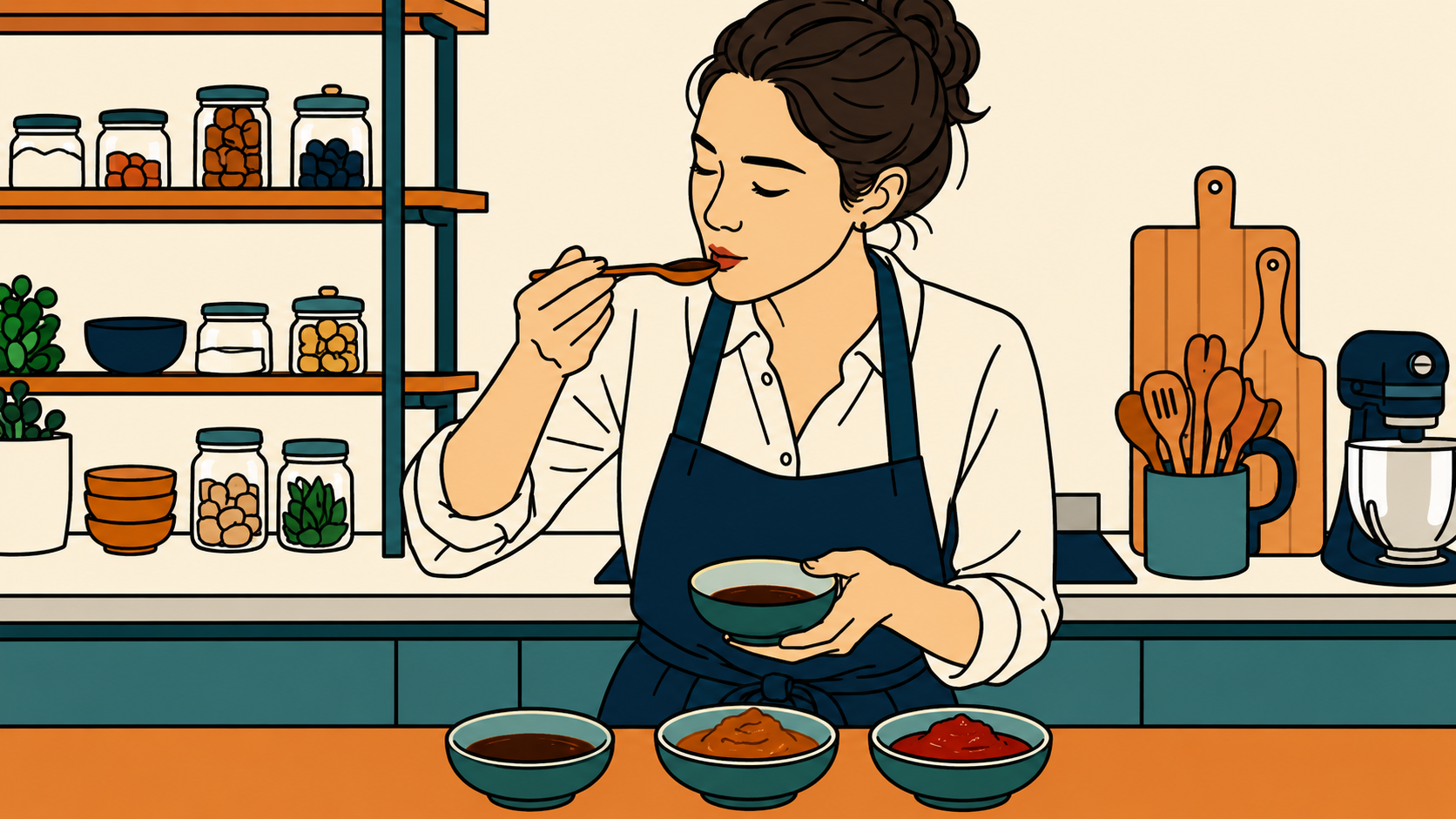
Ganjang, doenjang, gochujang — three Korean condiments that taste nothing alike, all born from a single block of fermented soybean. Here’s how they split.