Korean Planner — Why So Many People Organize Life on Paper (Part 2)
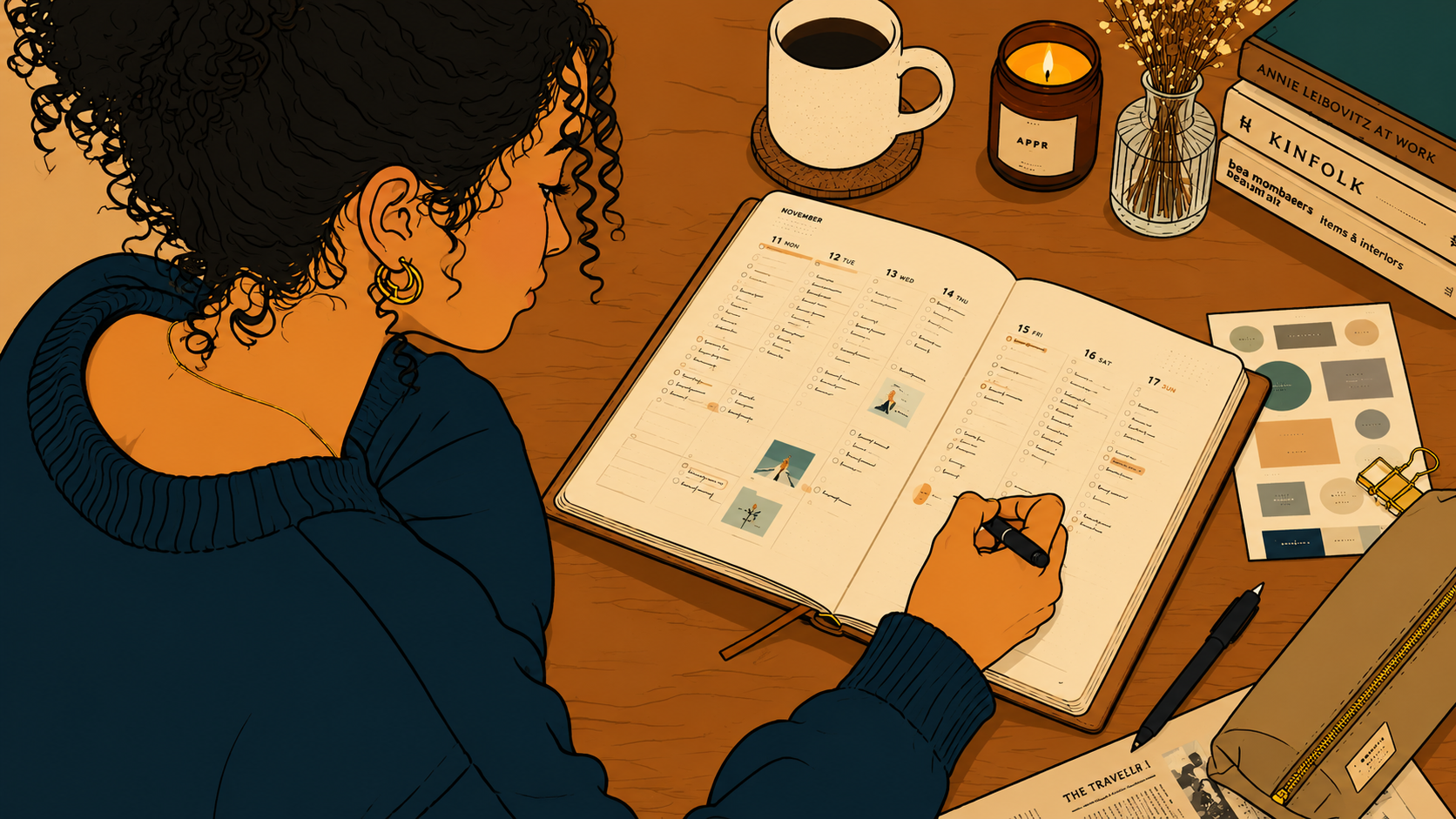
Korean planner culture starts in November, not January. A weekly spread and the ritual of writing the date show how time gets held on paper.
 Kam Su Jin
Korean planner culture starts in November, not January. A weekly spread and the ritual of writing the date show how time gets held on paper.
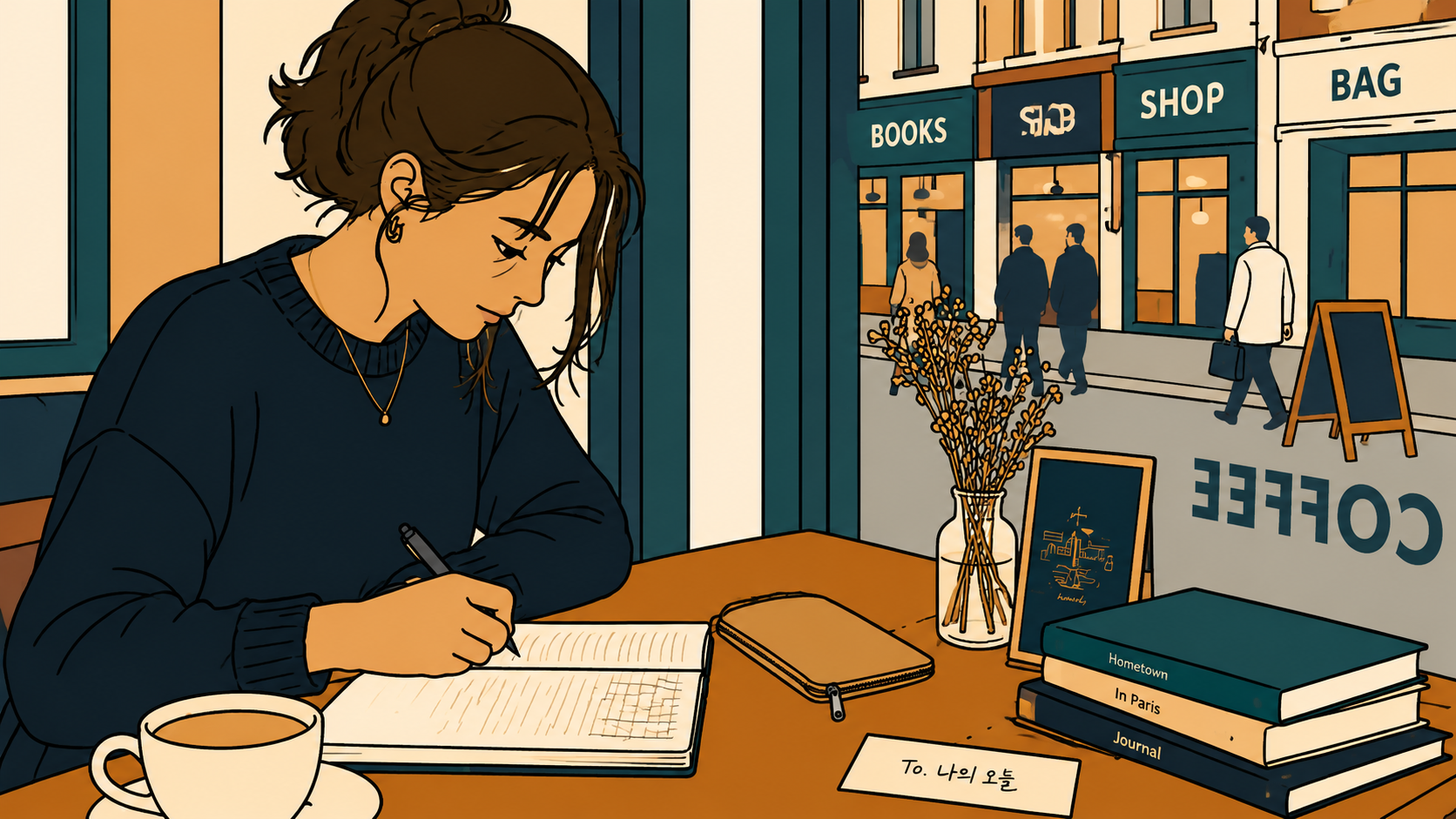
Korean journaling culture never stopped. It simply moved through cafés, stationery stores, and notebooks, keeping paper close in an increasingly digital life.
Being present in a relationship means the system goes quiet. Most of us built a layer that keeps us adjacent to intimacy without entering it.

Relationship expectations form before reality arrives. The gap between your version and the actual person produces a specific kind of friction.

Relationship fantasy starts with one conversation. Soon, you’re attached to a future they never planned and a version of them that isn’t real.

Overthinking text messages doesn’t start with a big conversation — it starts with the same short message, read for the fourth time, still unresolved.

Emotional attachment doesn’t announce itself. It shows up in small edits, annotated places, and moods you didn’t choose—before you’ve agreed to any of it.
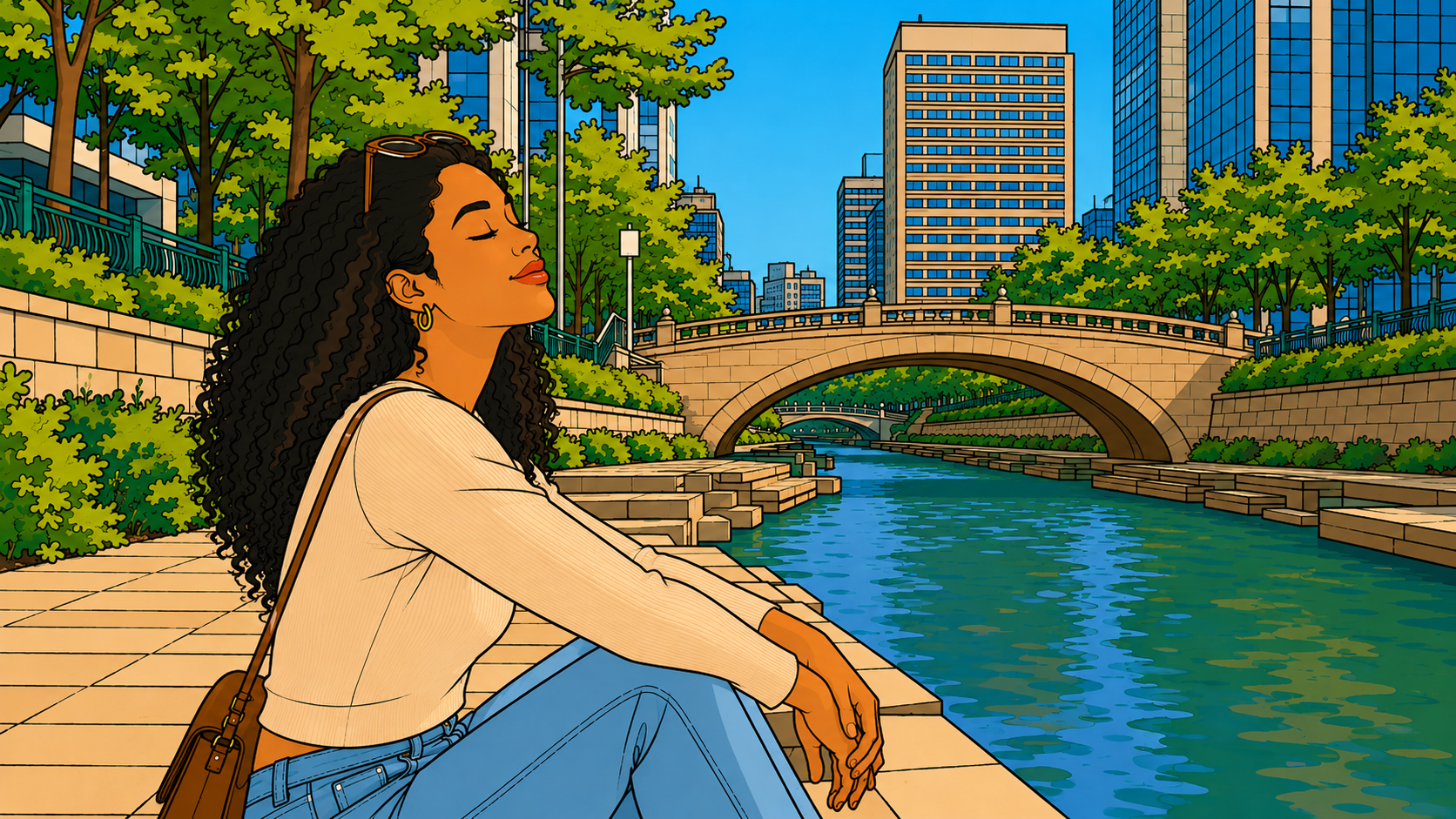
Seoul stream restoration reopened Cheonggyecheon after 50 years underground. What returned wasn’t planned—birds, water, slowness, and urban life.

Cheonggyecheon Seoul is where Seoul’s pace changes. Thirty steps down, time moves differently. Why people return.
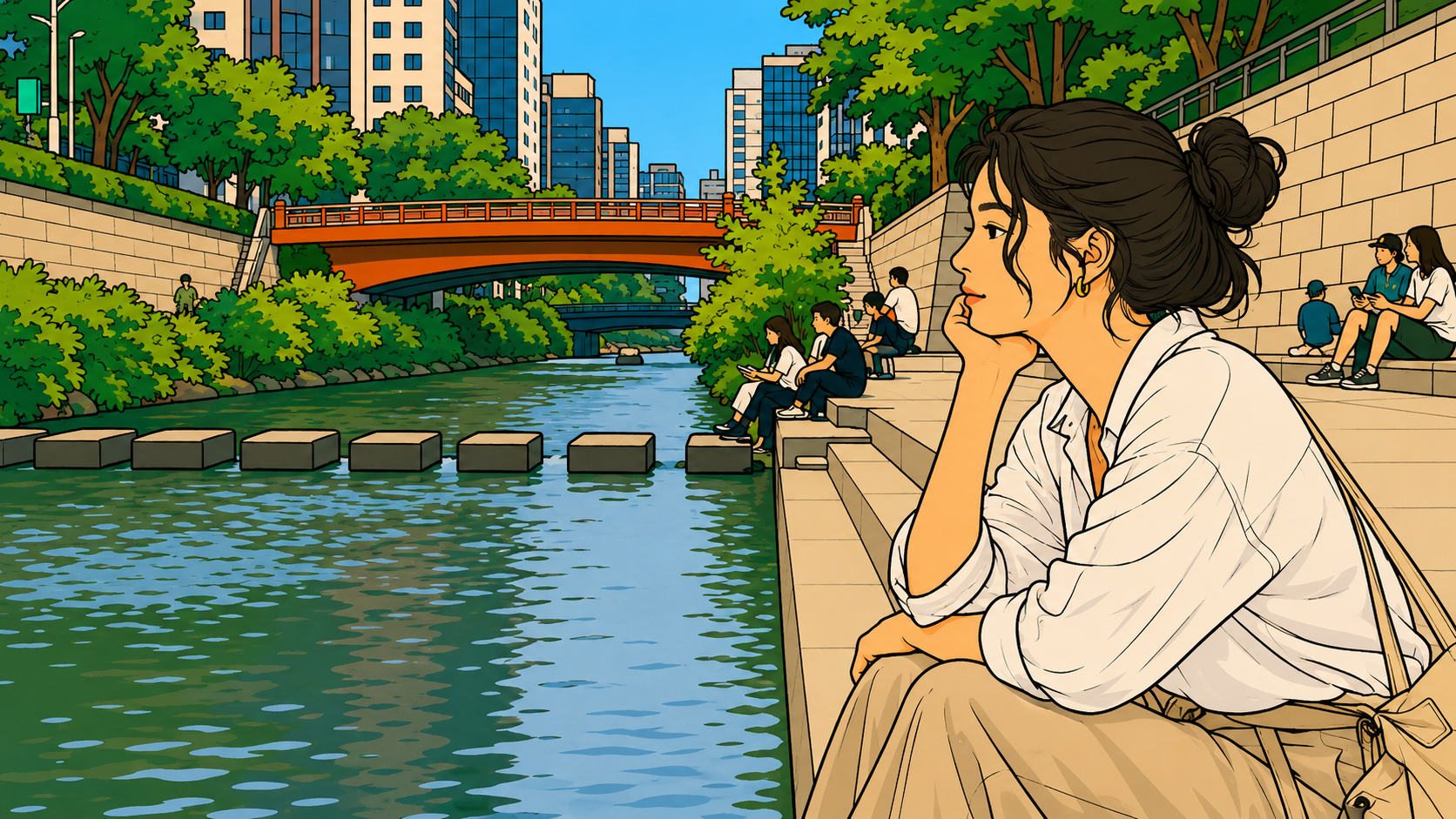
Cheonggyecheon runs on pumped water. Egrets, herons, cormorants moved in anyway. Eight kilometers where engineered nature became the real thing.