Always Feeling on Edge — The Quiet You Carry Into Adult Life (Part 5)
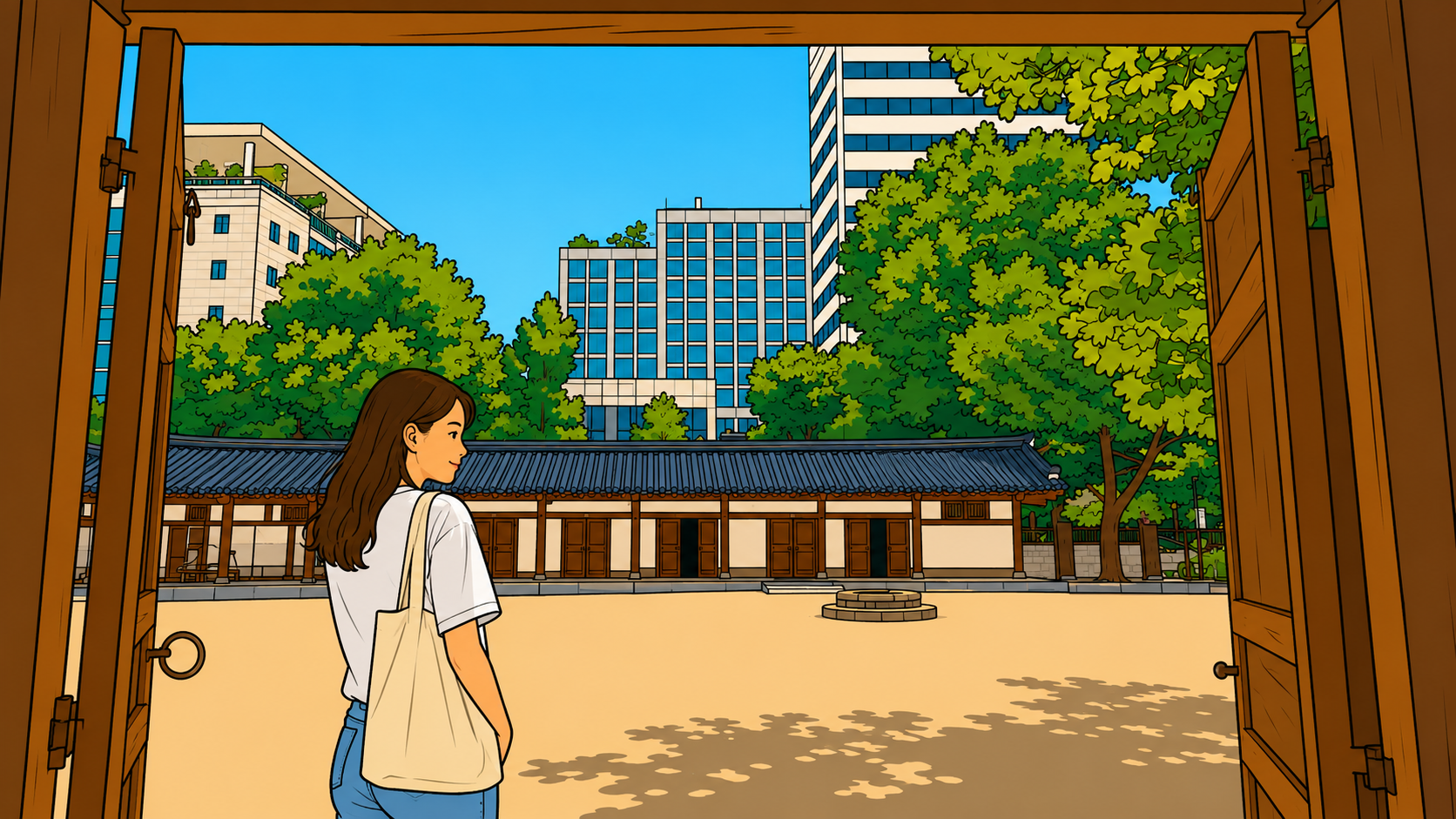
Always feeling on edge isn’t a personality trait — it’s survival quiet, a nervous system still bracing for tension that isn’t actually there anymore.
 Kam Su Jin
Always feeling on edge isn’t a personality trait — it’s survival quiet, a nervous system still bracing for tension that isn’t actually there anymore.
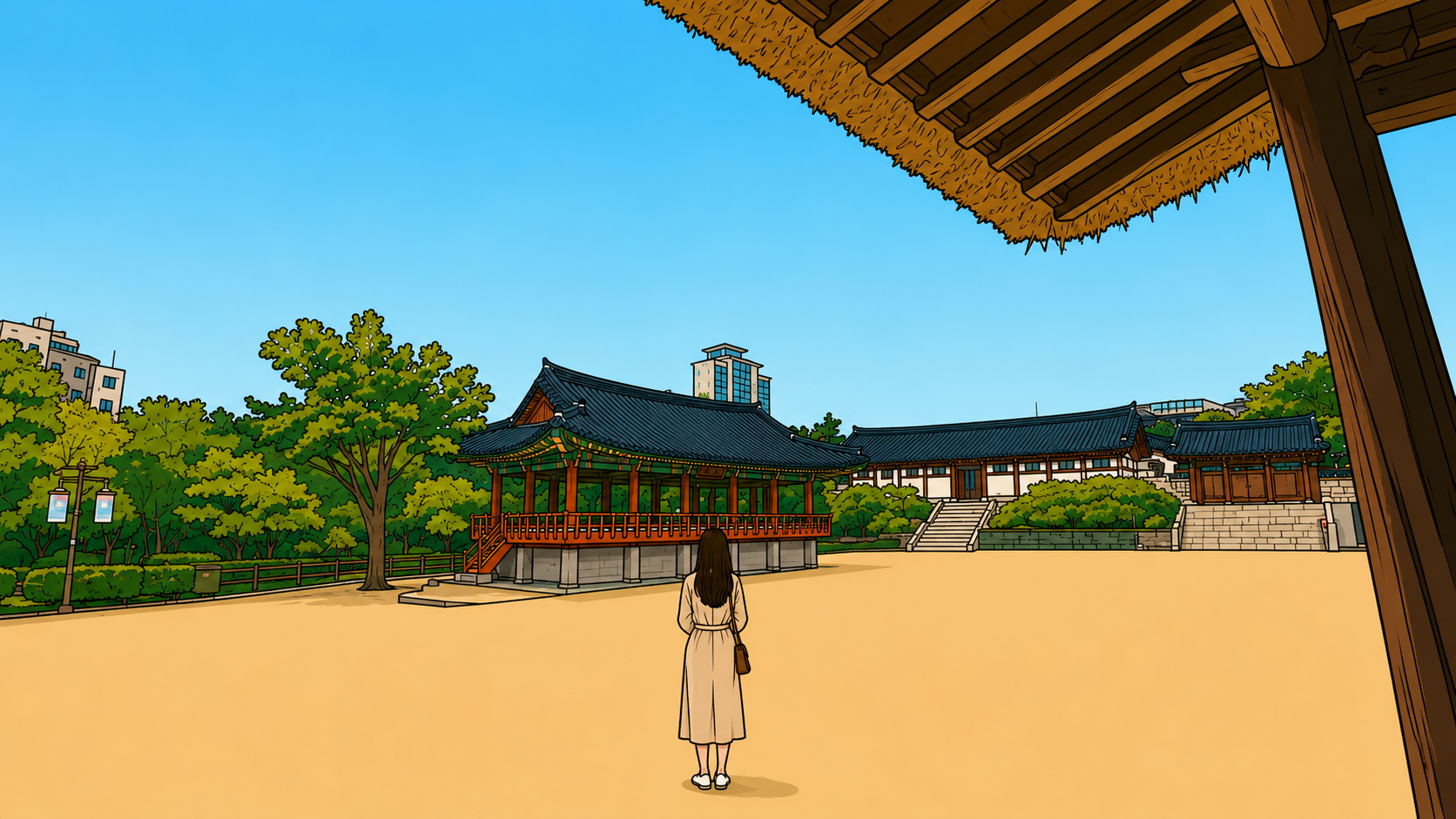
What is silent love? How quiet families teach you to express care without words—and the patterns that follow you into adulthood.
Understand staying small as a survival pattern. Learn why children hide their needs and how those habits shape adult relationships, confidence, self-worth.
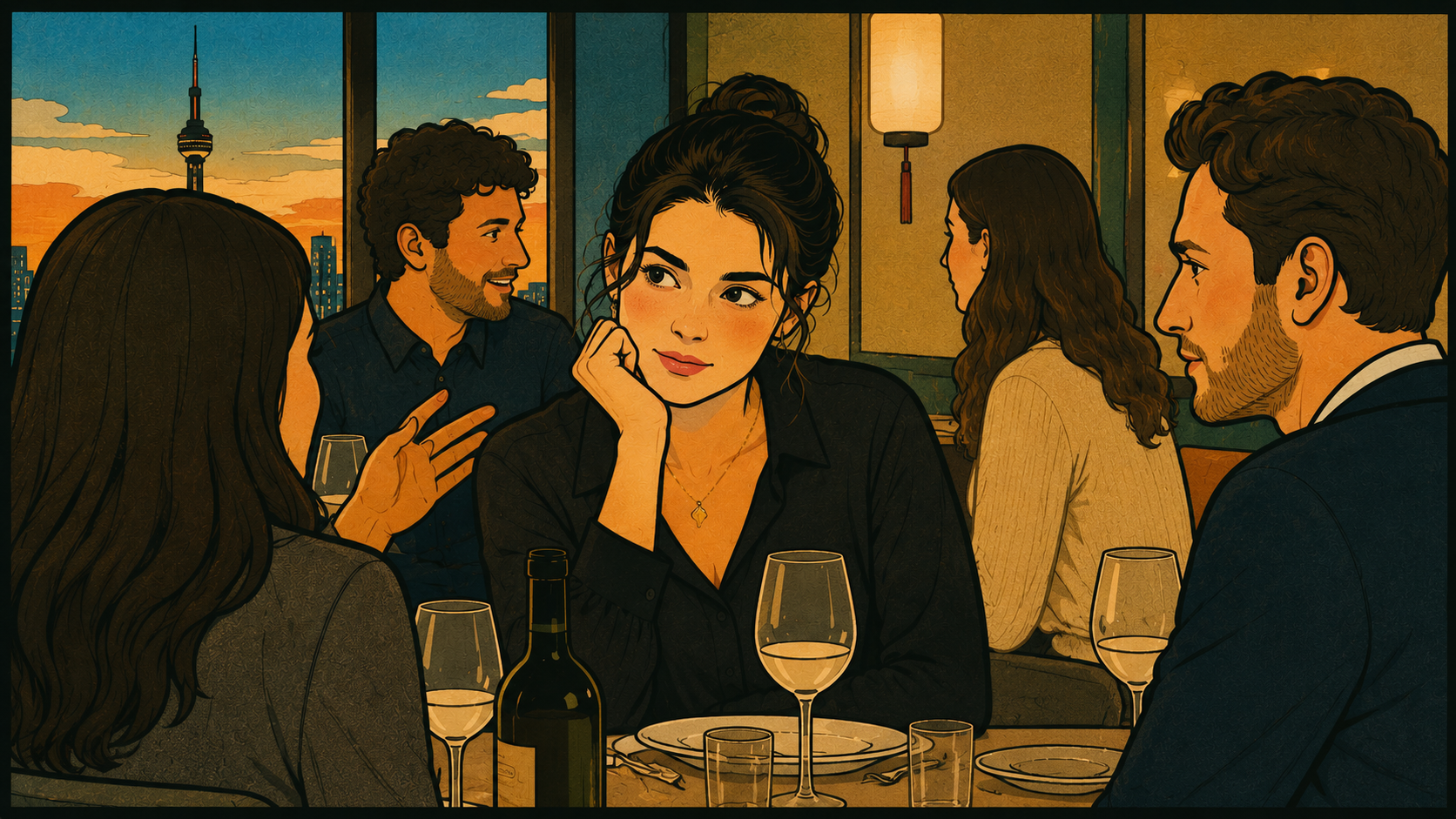
Walking on eggshells starts before you have a name for it — a child learning to read a room so well she forgets how to read her own feelings.

What is family silence? Understand unspoken rules, tension patterns, and how childhood quiet shapes your adult relationships and emotional awareness.
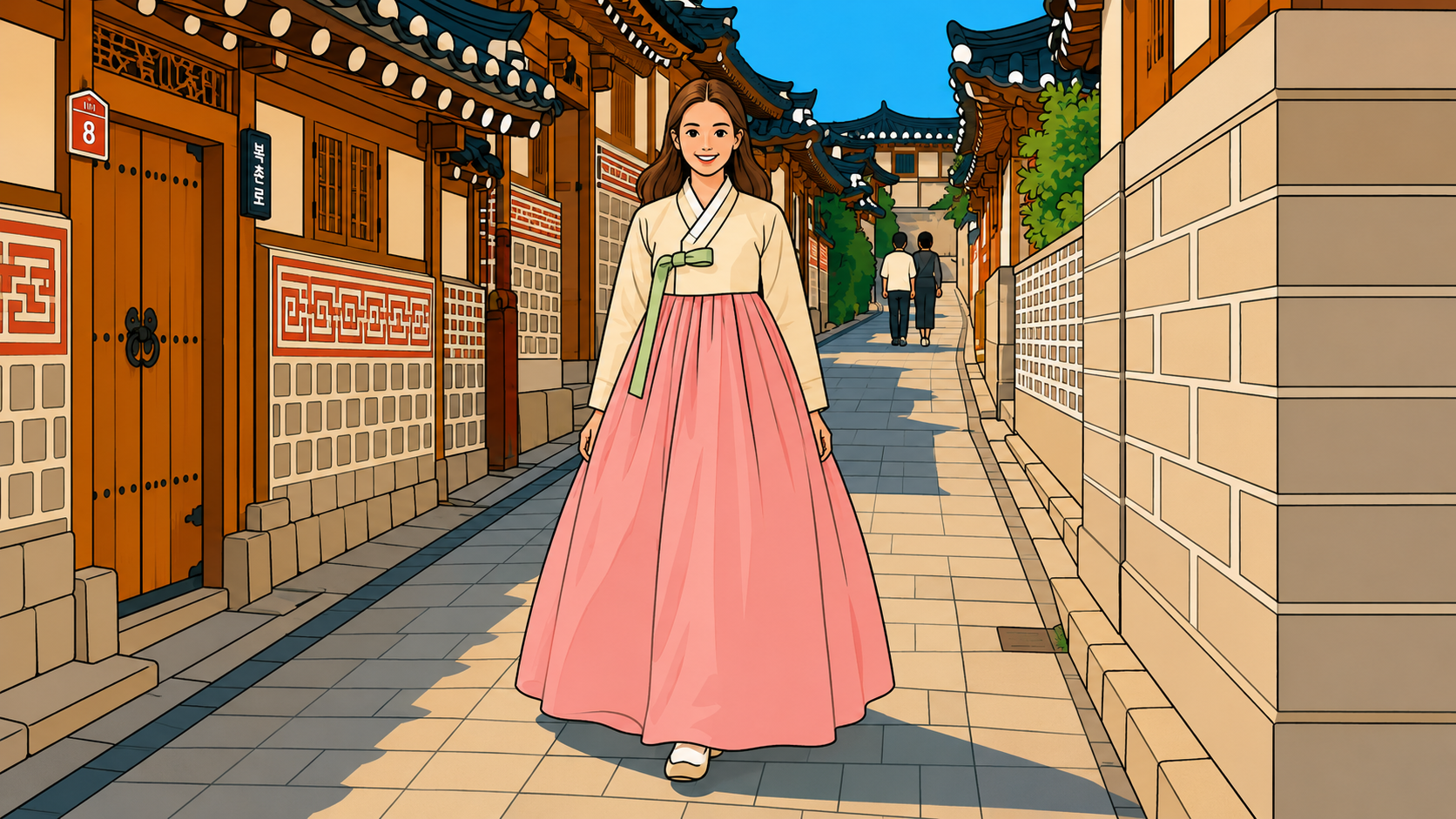
Off the beaten path Seoul starts when Bukchon fills up. A stone wall, low buildings, and no signs — the neighborhood visitors weren’t supposed to find.

Ikseondong runs four versions of itself between noon and 3 AM. The same street, the same walls — a different city each time the hour shifts.
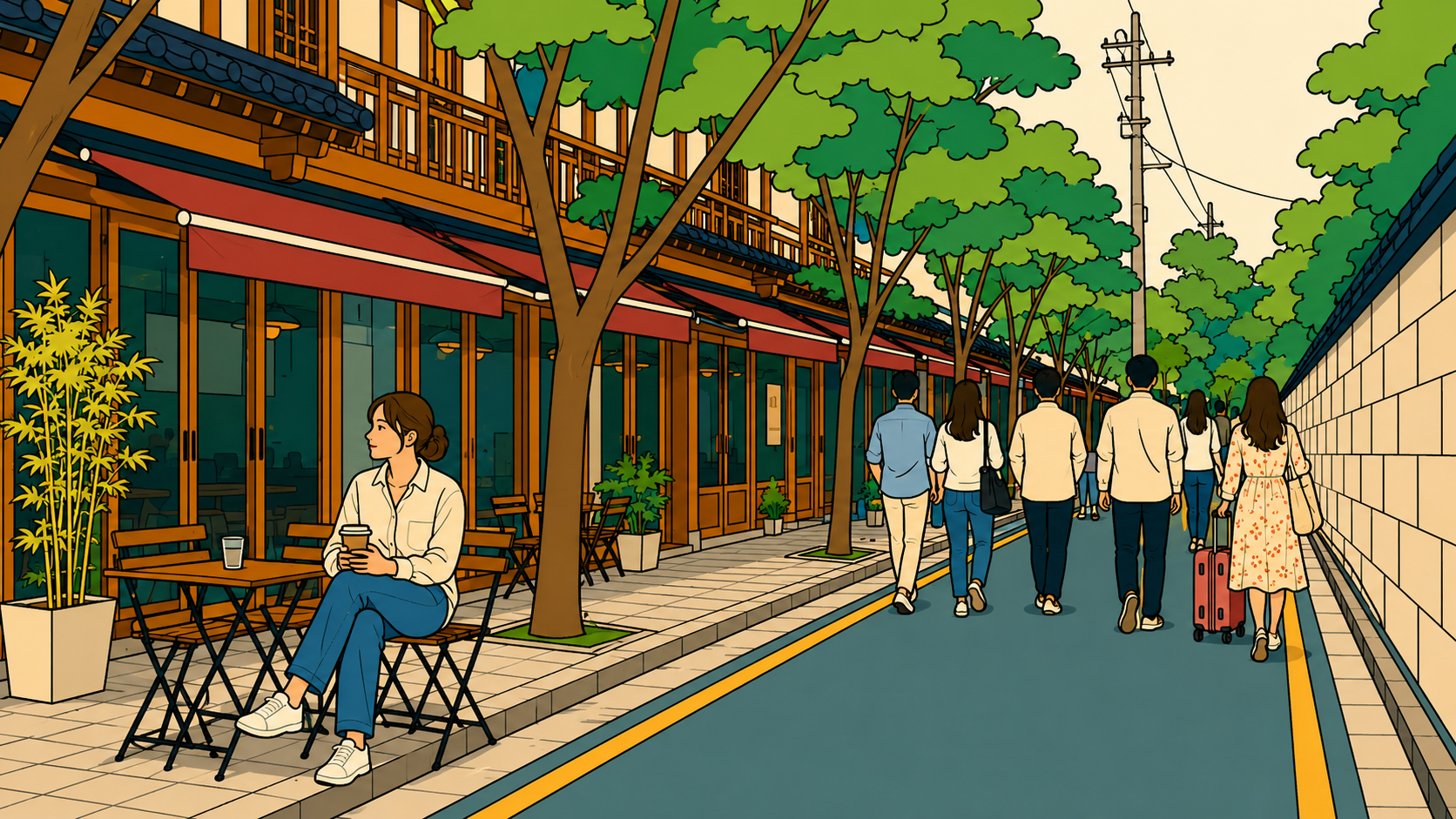
Seosulla gil runs beside a shrine wall that’s stood for 500 years. Low buildings, evening light, no crowds — what Ikseon-dong overflow accidentally created.
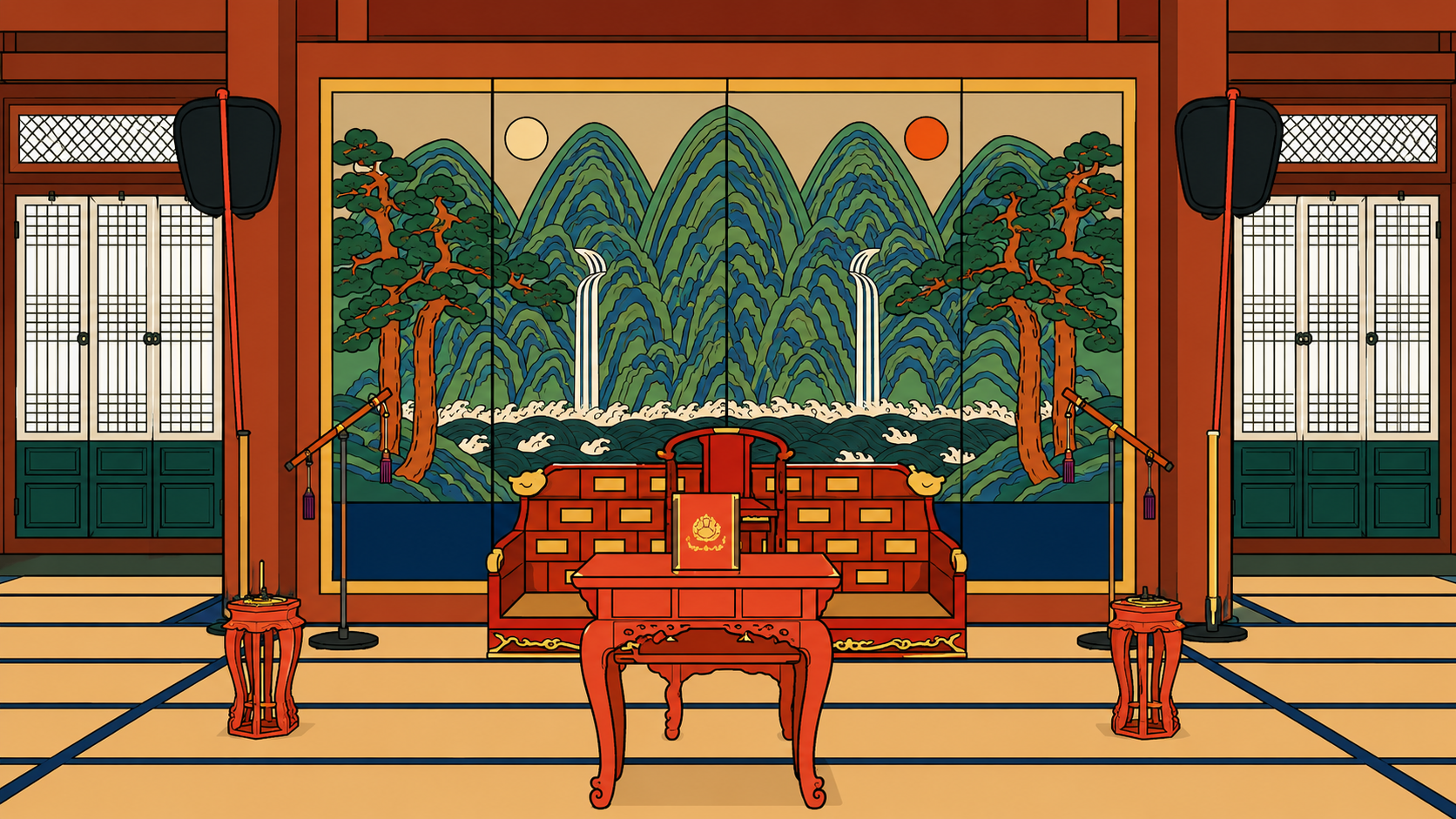
Watching from the sidelines feels safer than joining — but the same distance that protects you from rejection also keeps you from ever feeling like you belong.
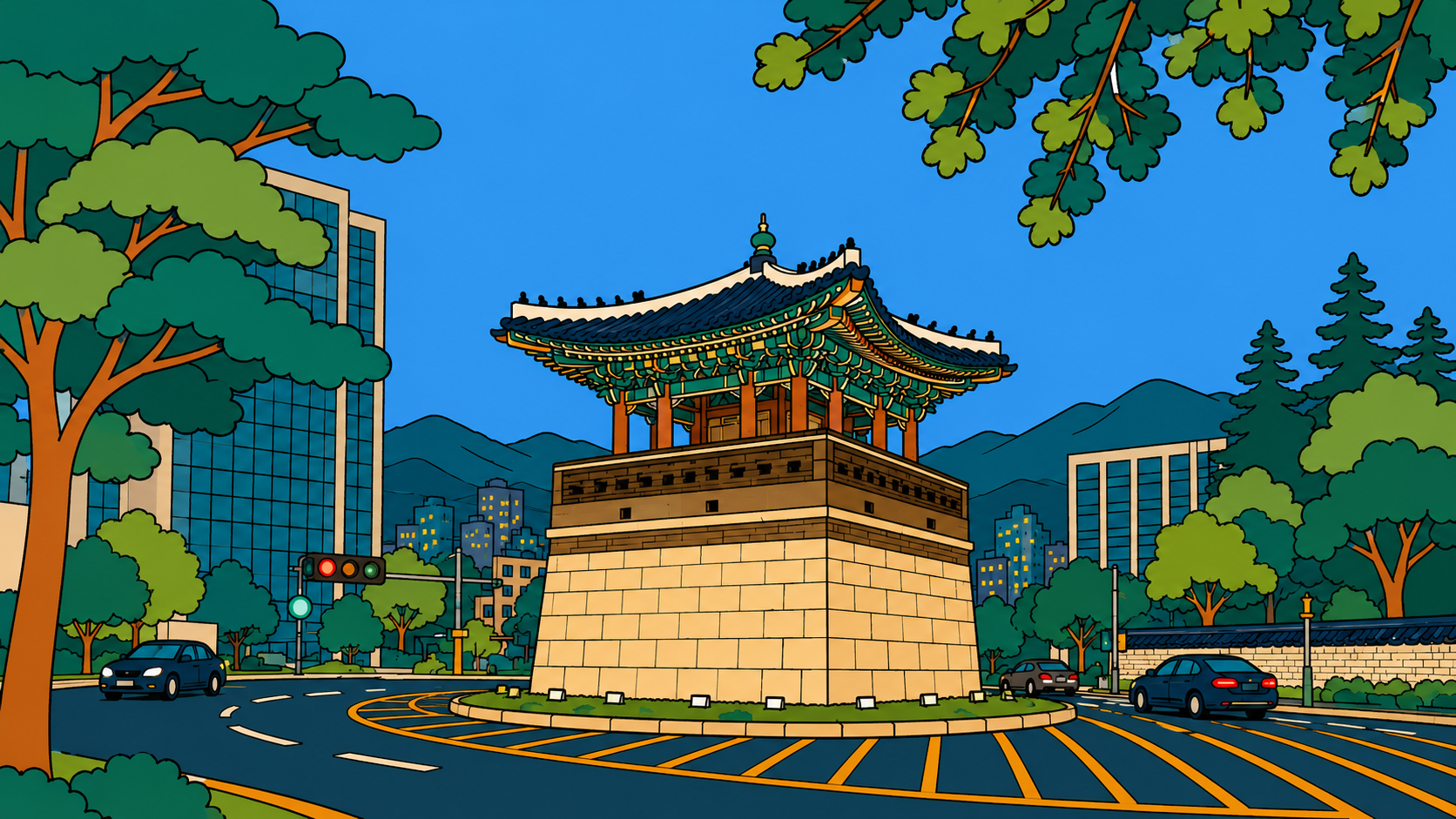
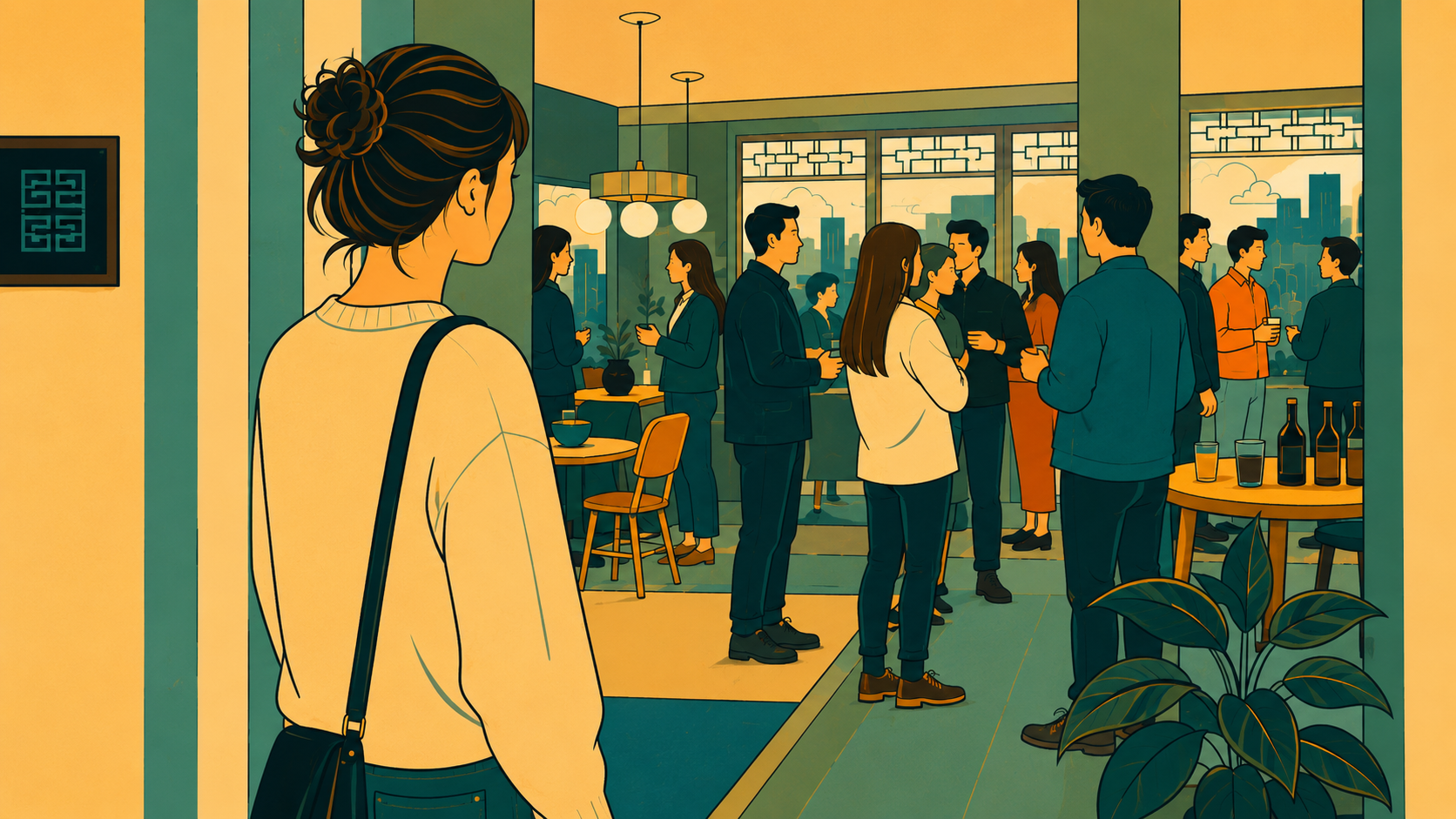
The moment a third person arrives, group dynamics shift. Your nervous system activates a different protocol. This is how you become the quiet version of yourself.