Walking the Han River — Seoul’s Longest Shared Space (Part 2)

The Han River walk Seoul offers isn’t a park or a trail. It’s 40km of shared space where cyclists, runners, and walkers move together without rules.
The Han River walk Seoul offers isn’t a park or a trail. It’s 40km of shared space where cyclists, runners, and walkers move together without rules.
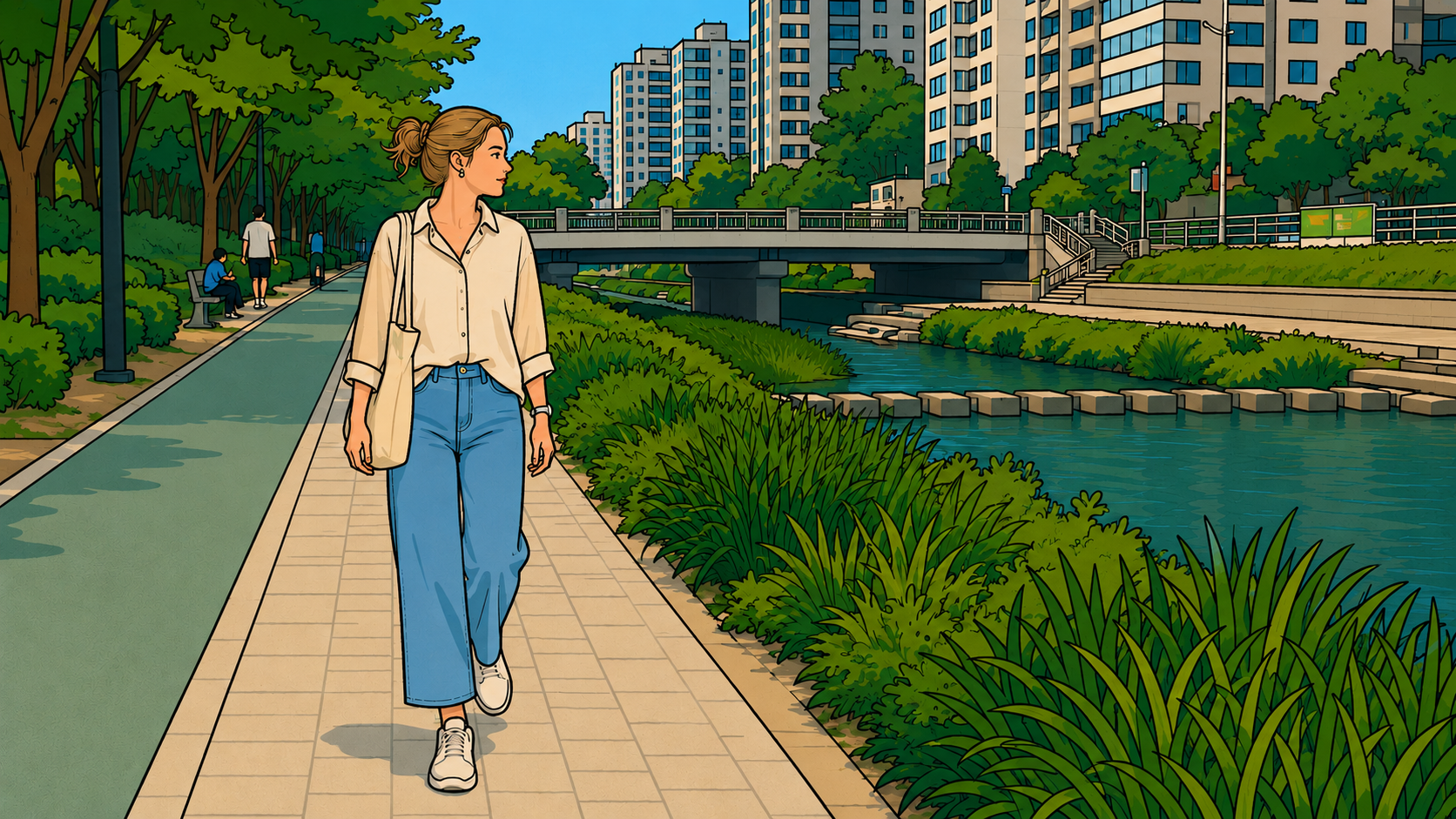
Walking in Korea after dinner isn’t exercise. Discover why evening walks are a daily ritual and what Korean neighborhoods feel like after dark.
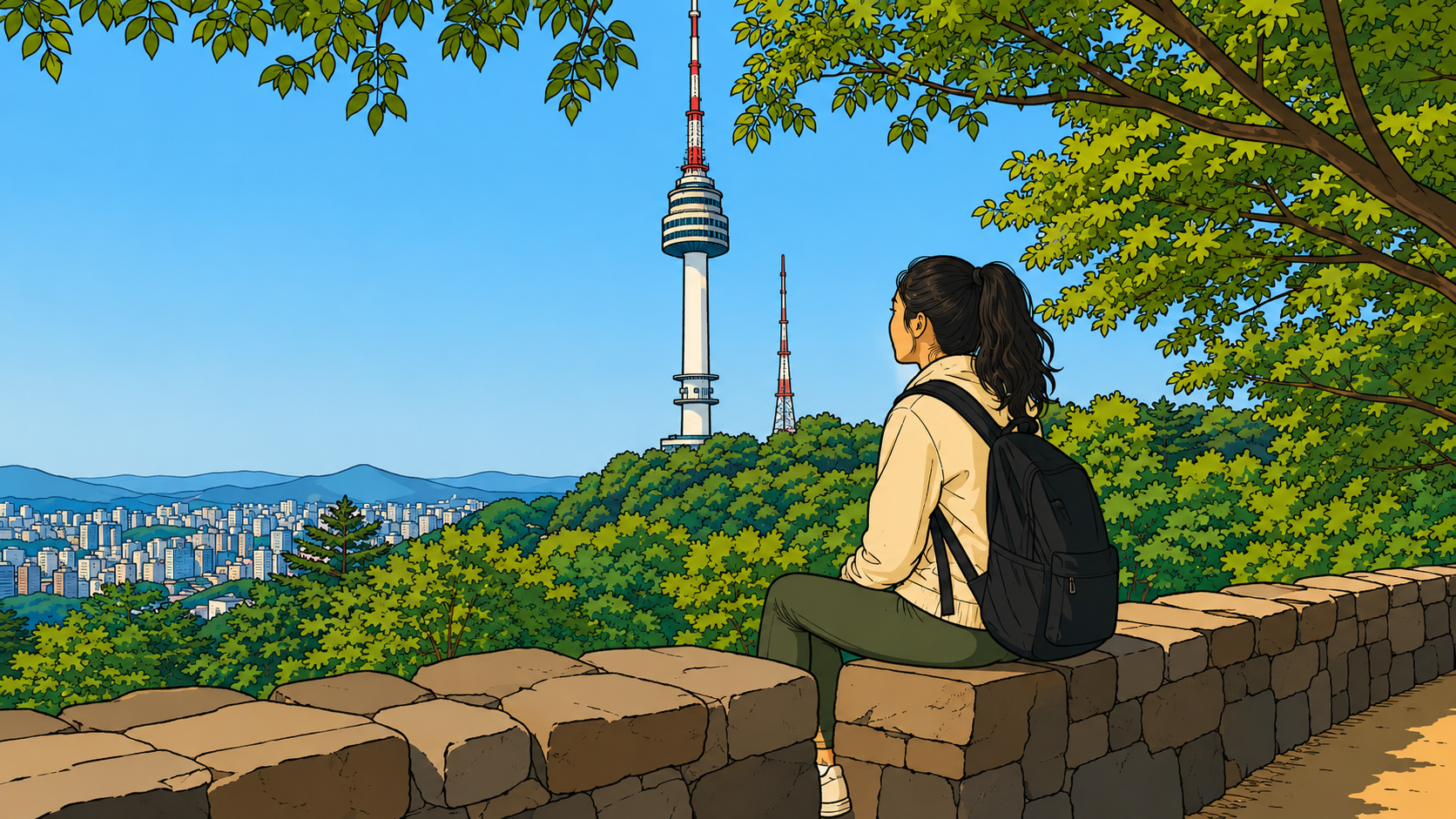
Namsan trail took two years to plan. Every bend, hole, and notch in the deck reflects a decision made in favor of the forest. This is how it was built.
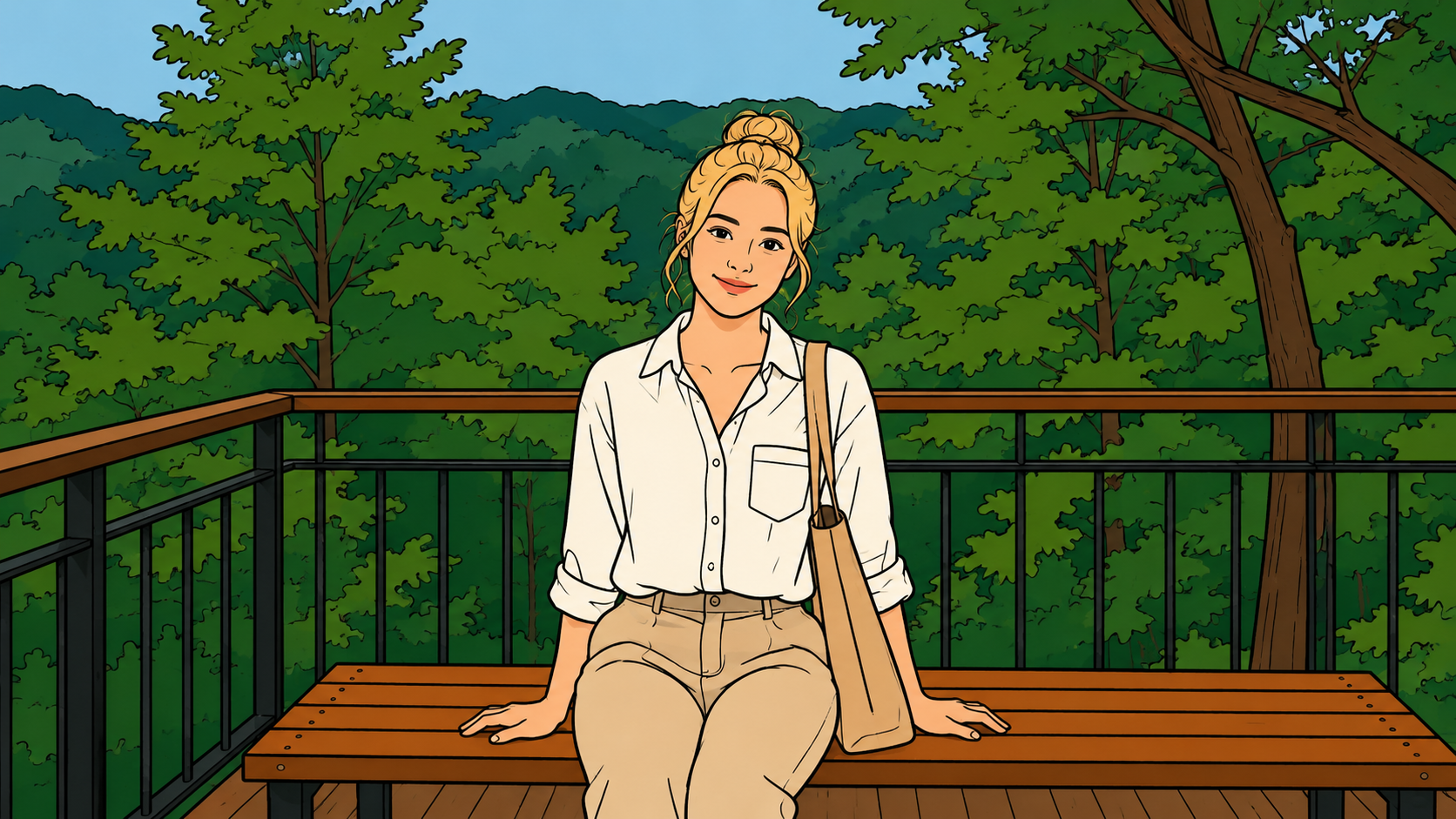
Namsan observation deck comes in eight versions along one trail. Each reveals a different Seoul — some face the city, some the forest, and one waits for spring.

Namsan Seoul has more than a tower. A forest deck trail winds through the trees without touching the ground — free, open 24 hours, and still overlooked.
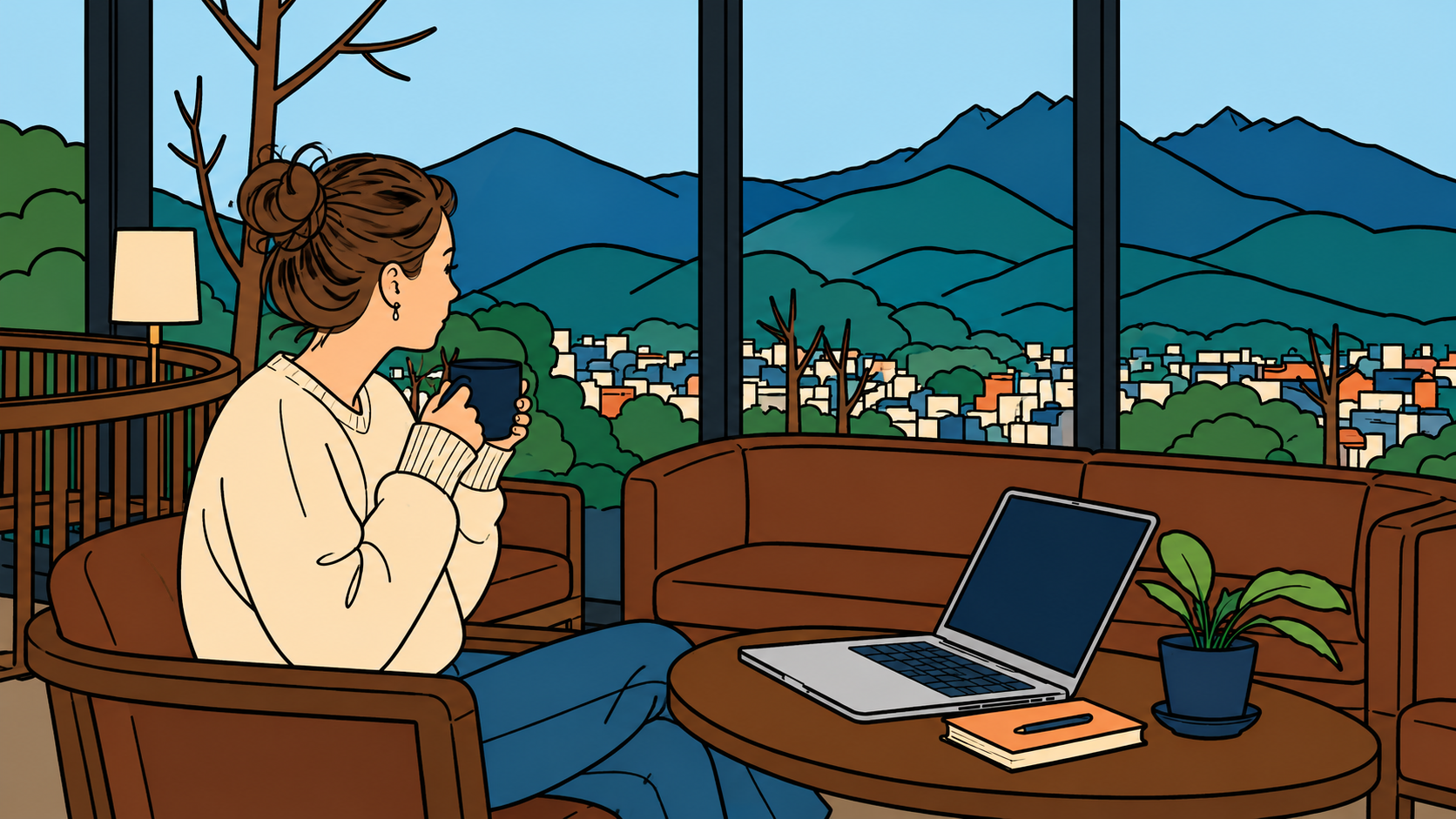
Korean cafe ambience is the product, not the coffee. A single drink buys hours of focus, permission to stay, and a room where pressure begins to lift.

Cafe culture in Korea prices time, not coffee. One Americano unlocks hours — a seat, an outlet, and the freedom to stay without being rushed.

Cagongjok — the Korean habit of turning a café table into a desk for hours. One drink, no interruptions, a seat that stays yours until the work is done.

Korean cafés third place culture isn’t a concept — it’s a woman, a chair, and a drink that gets made before she asks. Here’s what keeps people returning.
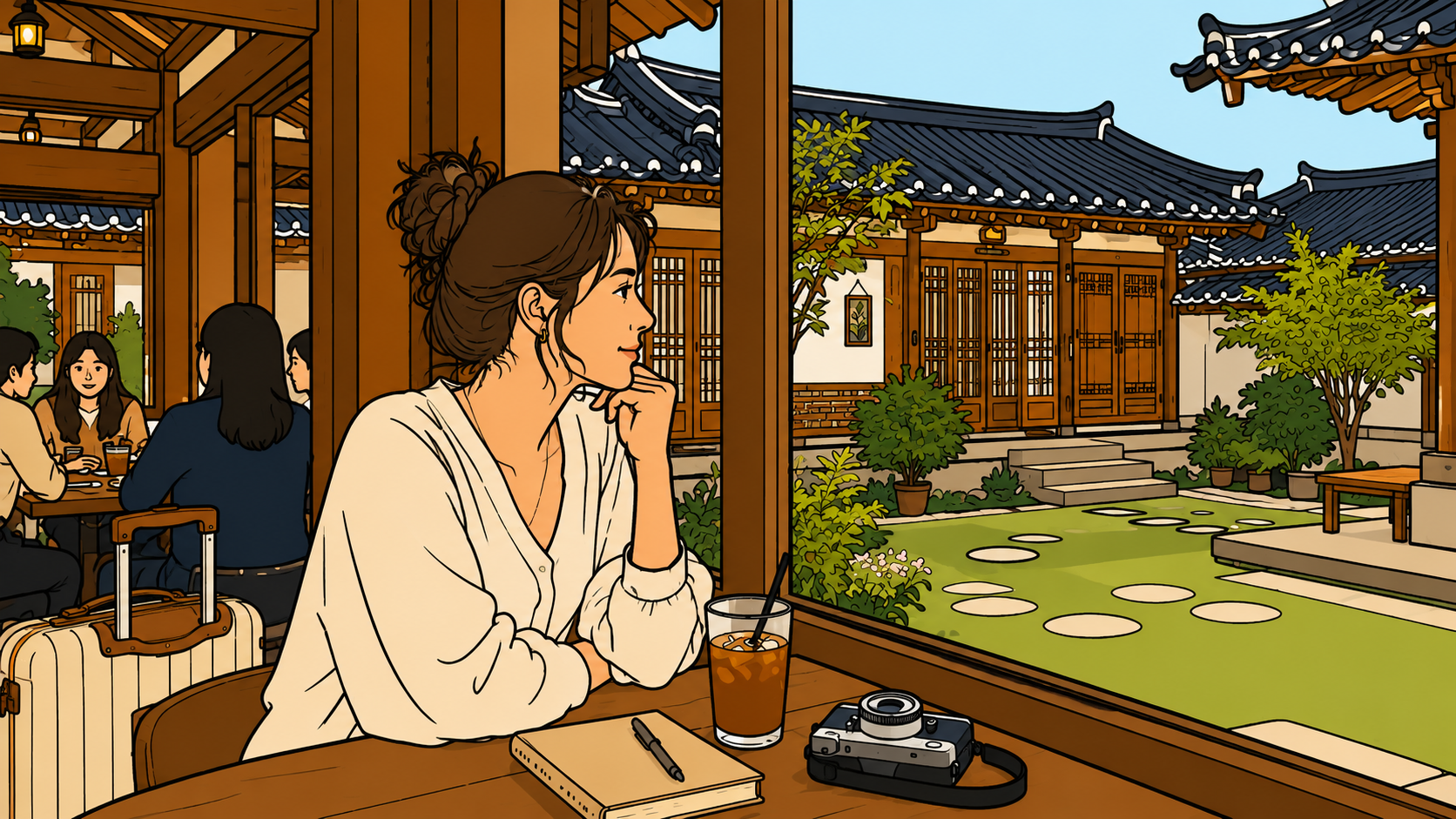
Korean café culture teaches visitors something fast: the drink isn’t the point. Here’s what the space is actually for — and why no one asks you to leave.