Korean Handwriting — Why the Pen Is Coming Back (Part 5)

Handwriting in Korea isn’t disappearing — it’s returning as a deliberate choice. Here’s what happens when people who type fast decide to slow down instead.
Handwriting in Korea isn’t disappearing — it’s returning as a deliberate choice. Here’s what happens when people who type fast decide to slow down instead.

In Korean café notebook culture, the table becomes a desk and the crowd enables thinking. Here’s what the café makes possible that home cannot.

Korean study habits built around rewriting notes aren’t about perfectionism. They’re about the gap between writing something down and understanding it.
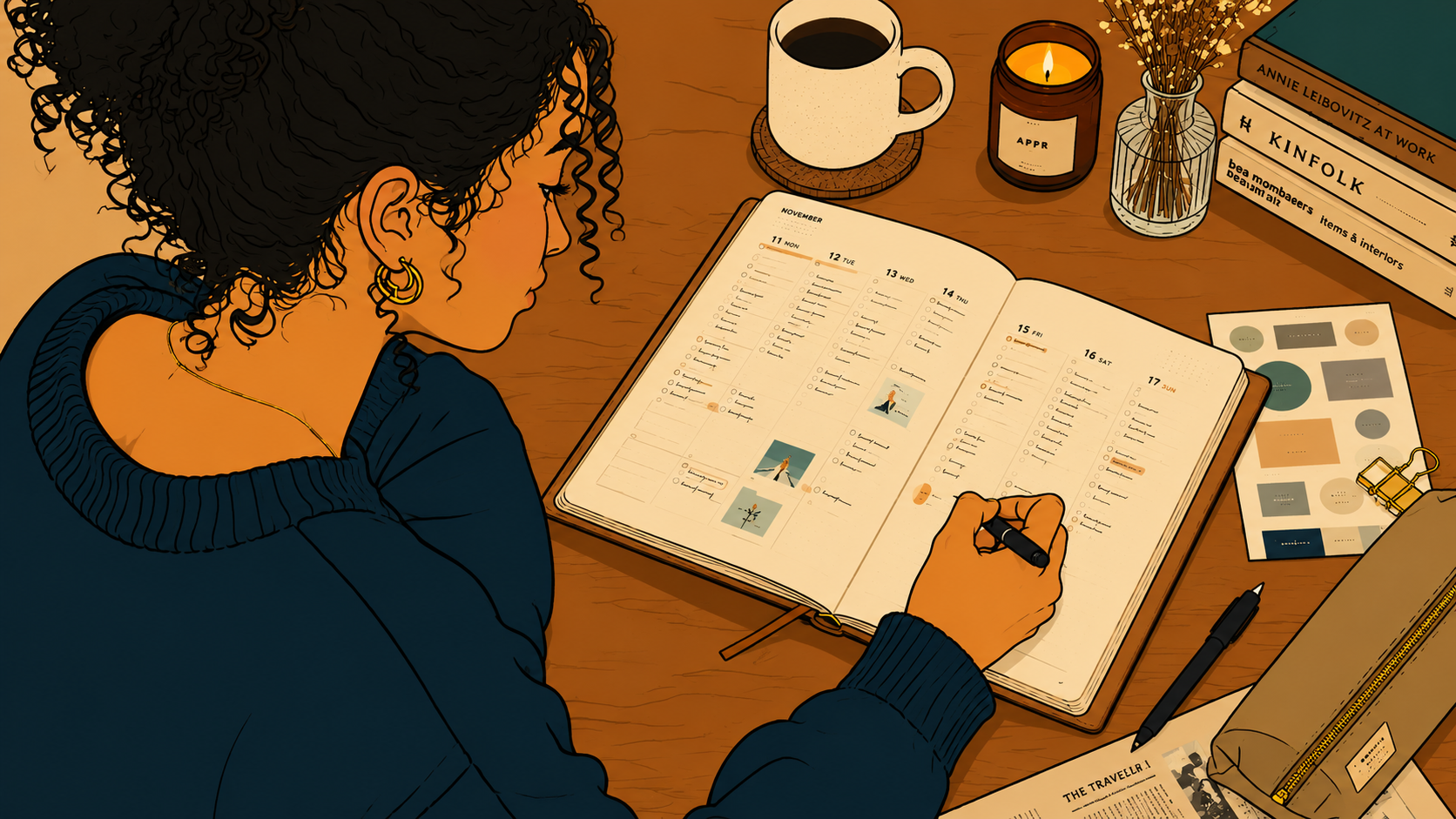
Korean planner culture starts in November, not January. A weekly spread and the ritual of writing the date show how time gets held on paper.
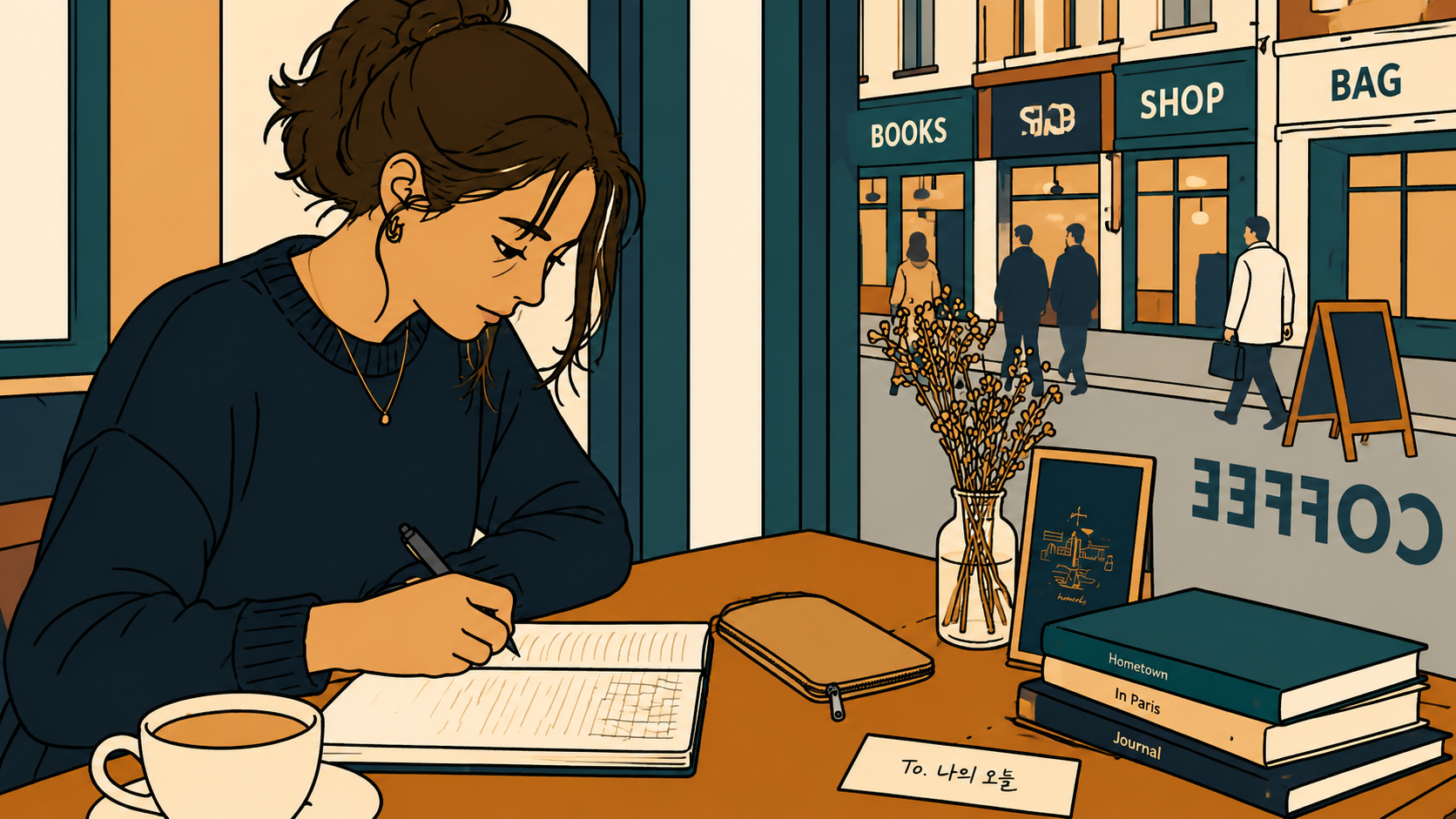
Korean journaling culture never stopped. It simply moved through cafés, stationery stores, and notebooks, keeping paper close in an increasingly digital life.
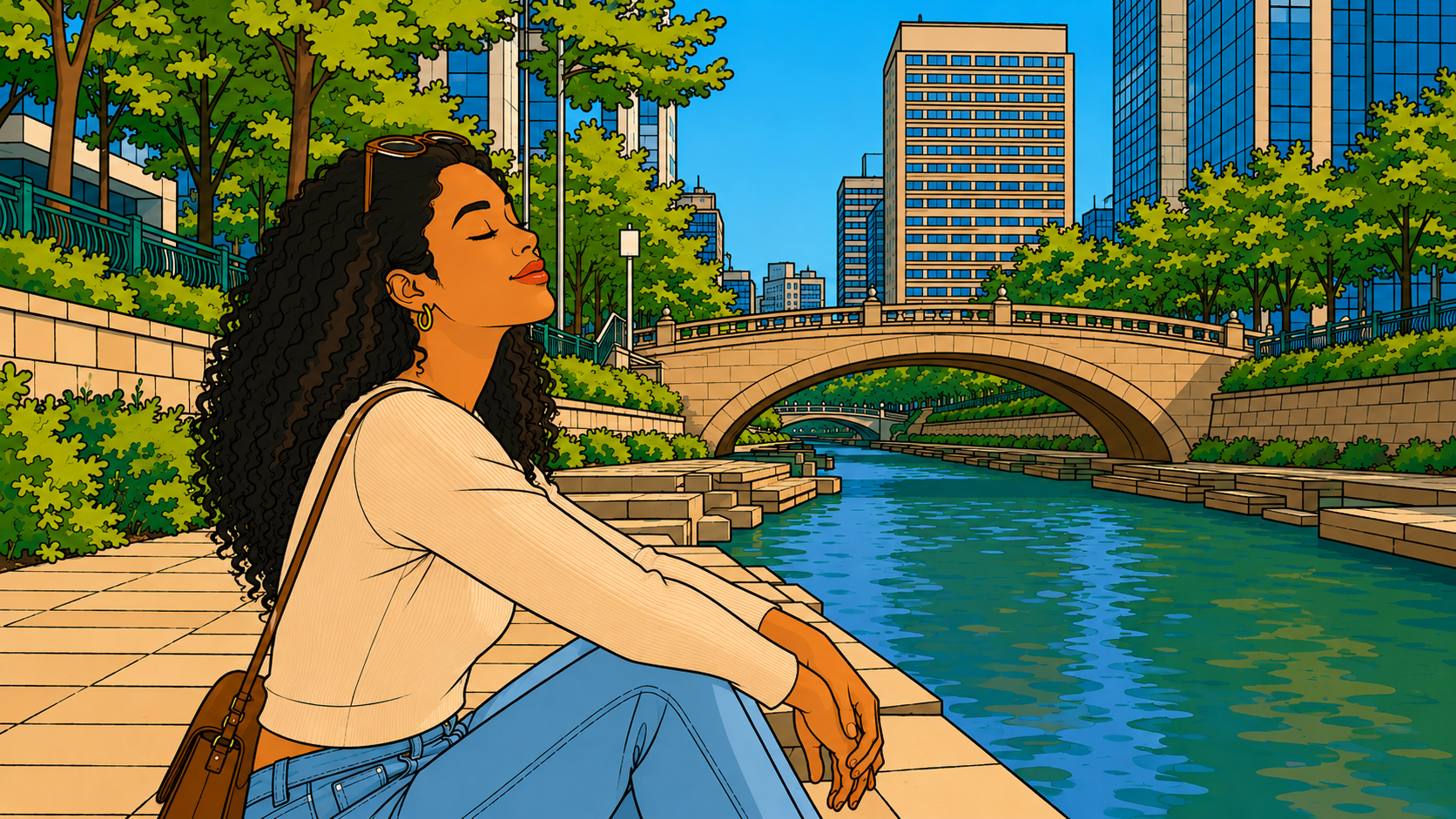
Seoul stream restoration reopened Cheonggyecheon after 50 years underground. What returned wasn’t planned—birds, water, slowness, and urban life.

Cheonggyecheon Seoul is where Seoul’s pace changes. Thirty steps down, time moves differently. Why people return.
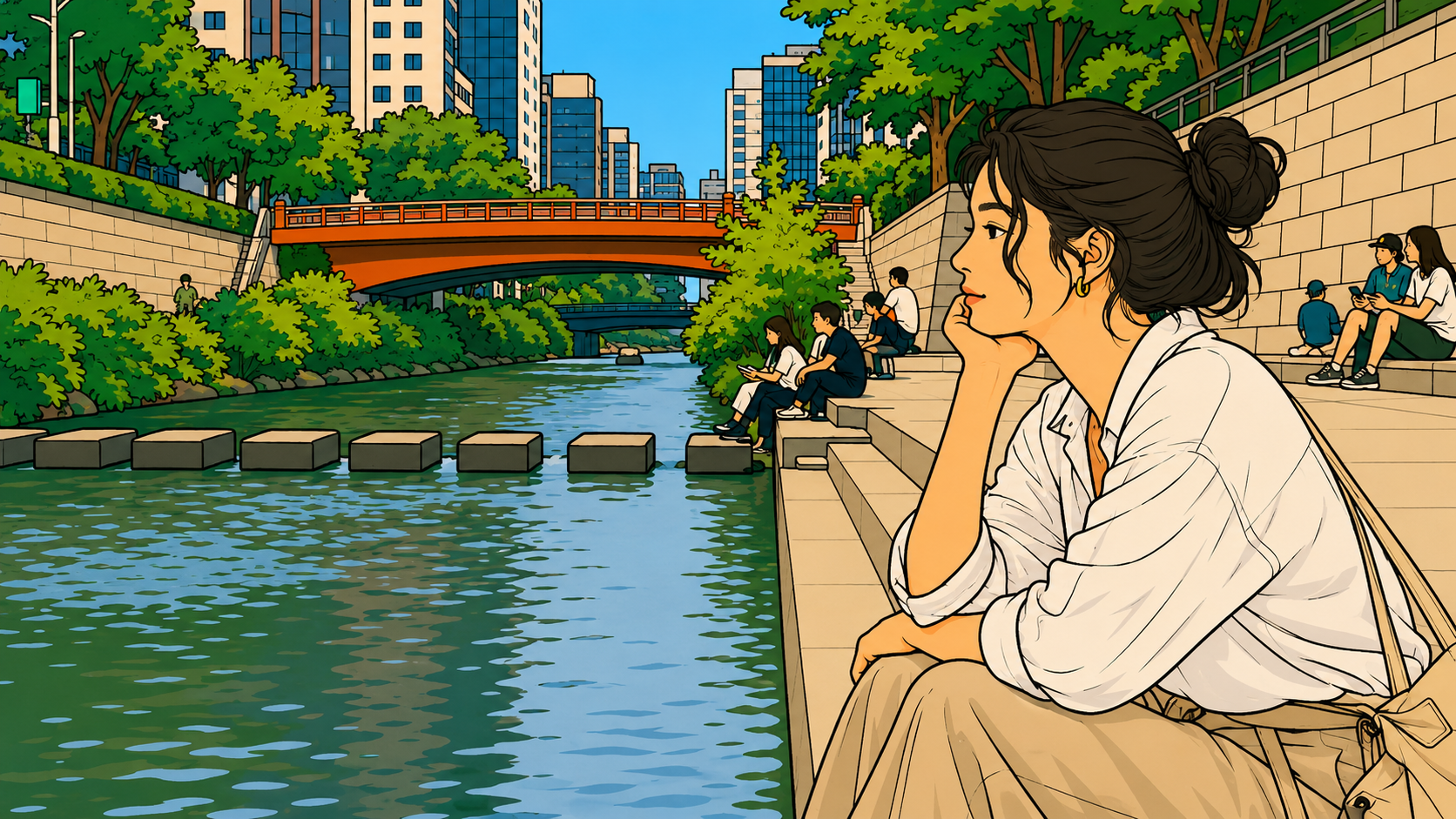
Cheonggyecheon runs on pumped water. Egrets, herons, cormorants moved in anyway. Eight kilometers where engineered nature became the real thing.
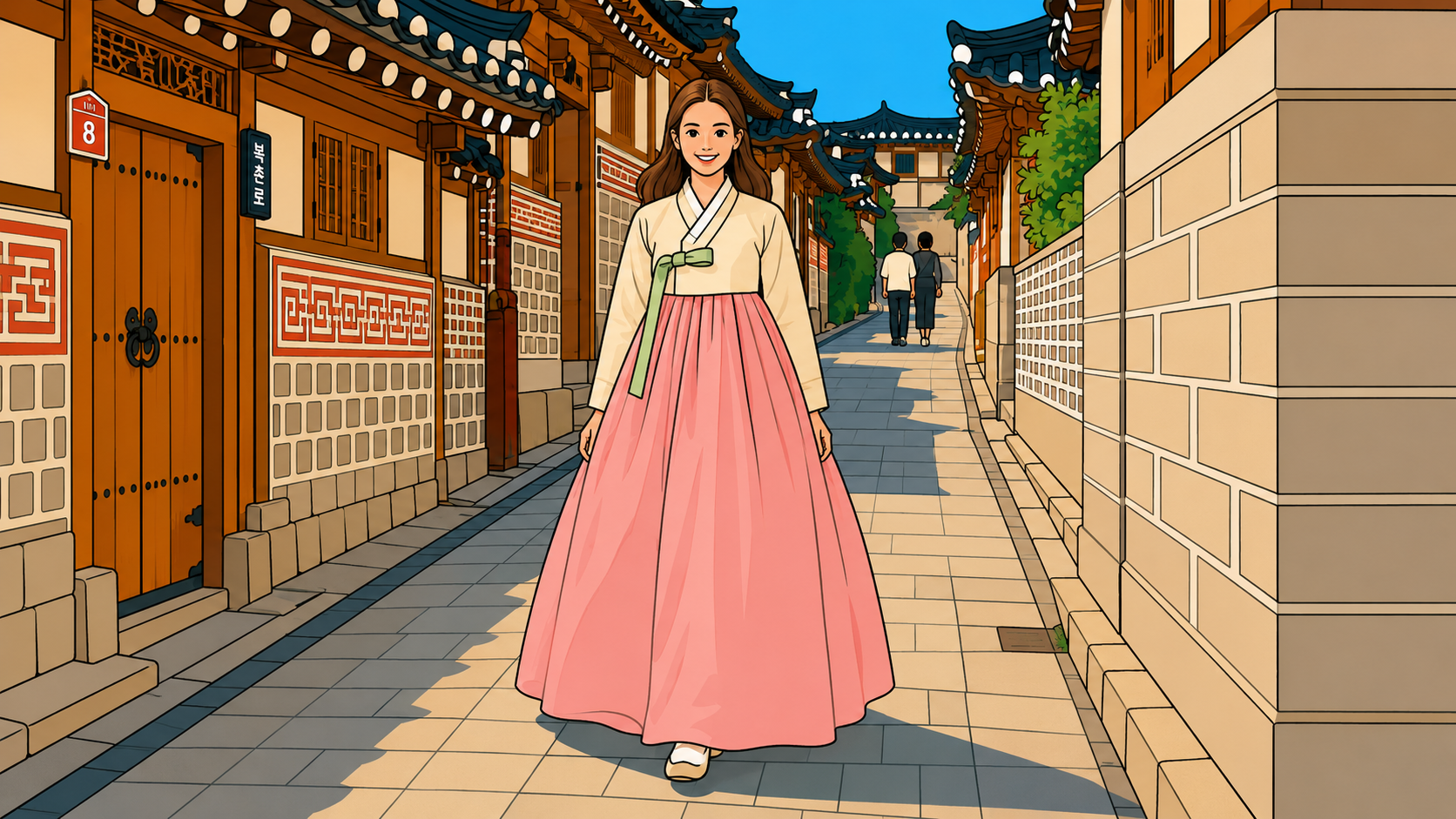
Off the beaten path Seoul starts when Bukchon fills up. A stone wall, low buildings, and no signs — the neighborhood visitors weren’t supposed to find.

Ikseondong runs four versions of itself between noon and 3 AM. The same street, the same walls — a different city each time the hour shifts.