Ikseondong — The Street That Never Sleeps and the One That Always Does (Part 2)

Ikseondong runs four versions of itself between noon and 3 AM. The same street, the same walls — a different city each time the hour shifts.
Ikseondong runs four versions of itself between noon and 3 AM. The same street, the same walls — a different city each time the hour shifts.
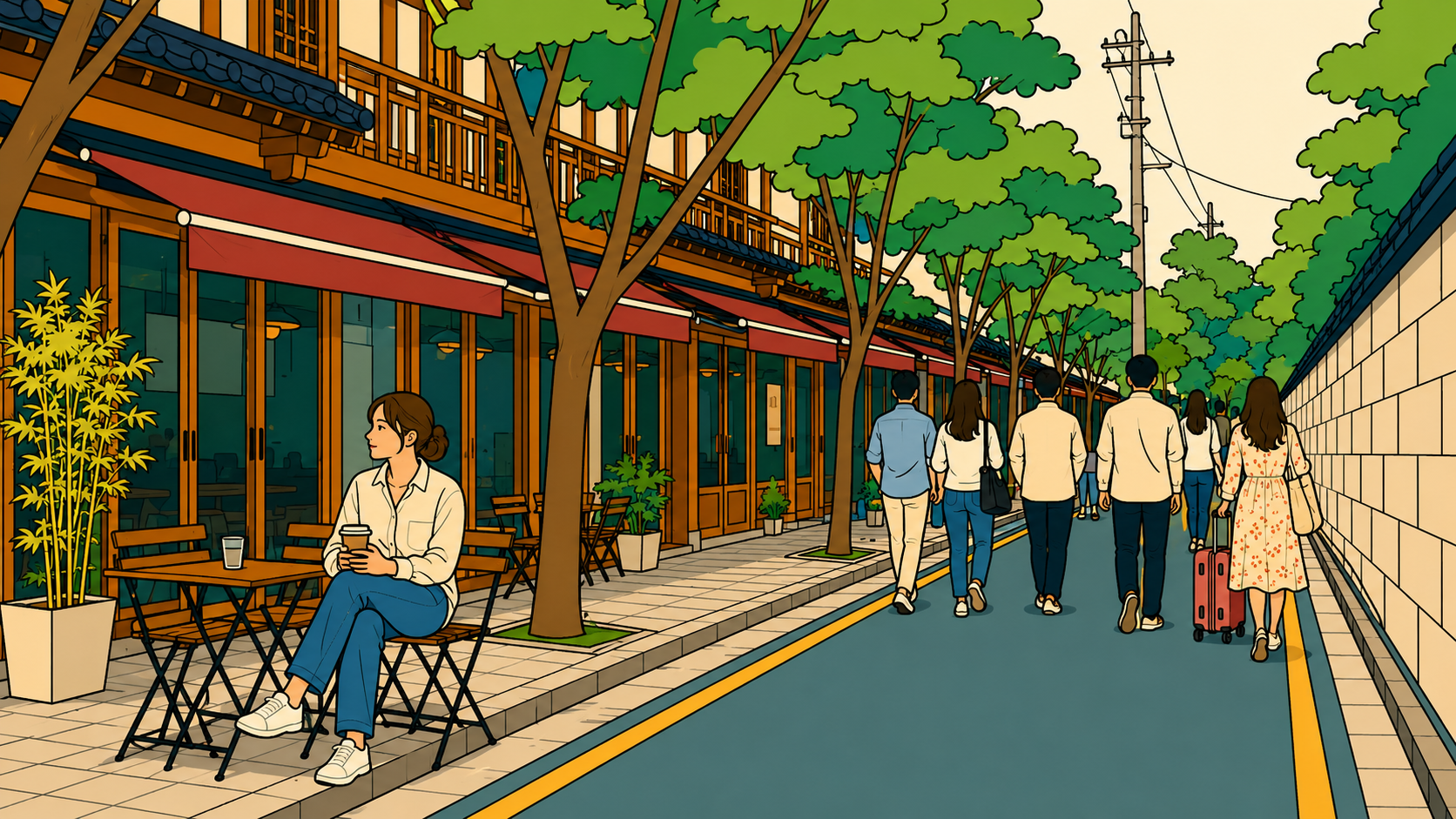
Seosulla gil runs beside a shrine wall that’s stood for 500 years. Low buildings, evening light, no crowds — what Ikseon-dong overflow accidentally created.

From censored to 6 billion views. How “Gangnam Style” proved that satire—when danced—becomes a universal language that transcends all words.
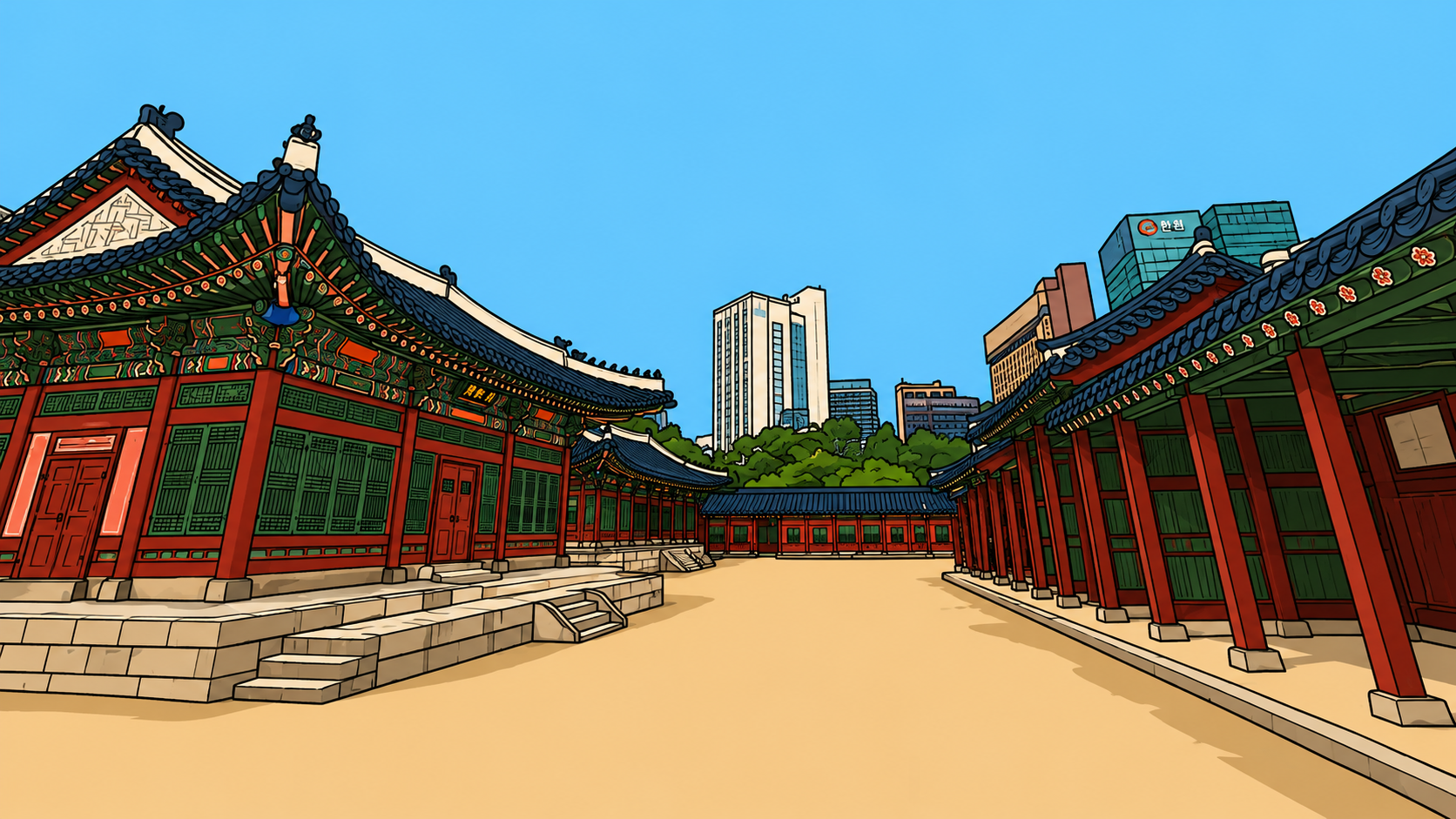
Psy dance transformed censorship into global expression. From banned broadcasts to 6 billion views, Gangnam Style changed Korean pop culture forever.
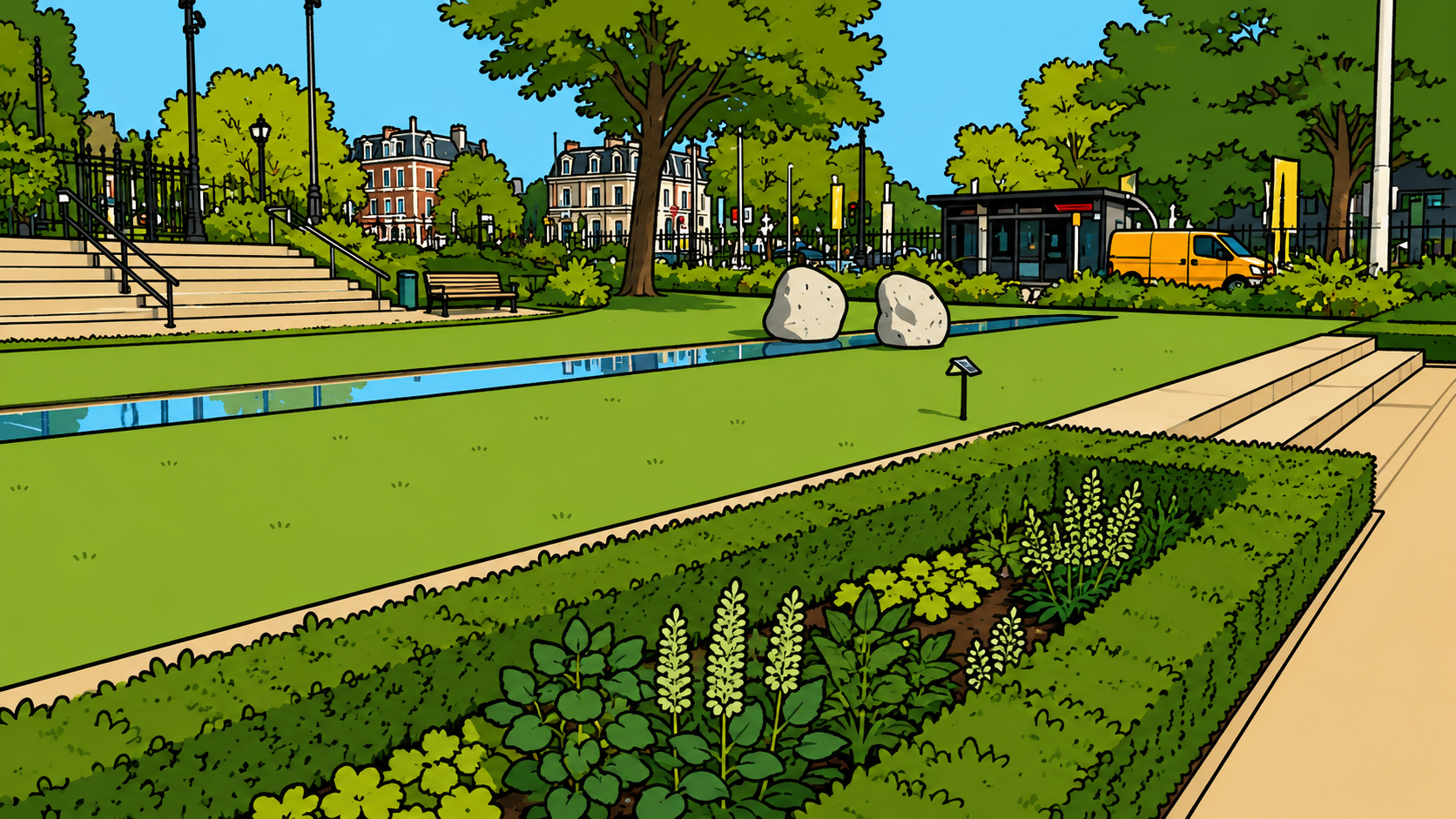
Lee Ufan silence: a single line that contains everything. How an artist discovered that emptiness can articulate what language cannot say.

Lee Ufan reduction: not subtraction, but revelation. How a Korean-Japanese artist discovered that what you remove matters more than what you add.

Kim Whanki silence in New York. How an exile’s dots became fewer and his white space larger. When silence speaks louder than recognition.

Kim Whanki dot—how a Korean painter discovered that emptiness speaks louder than fullness. A single point of color became the language of the universe.
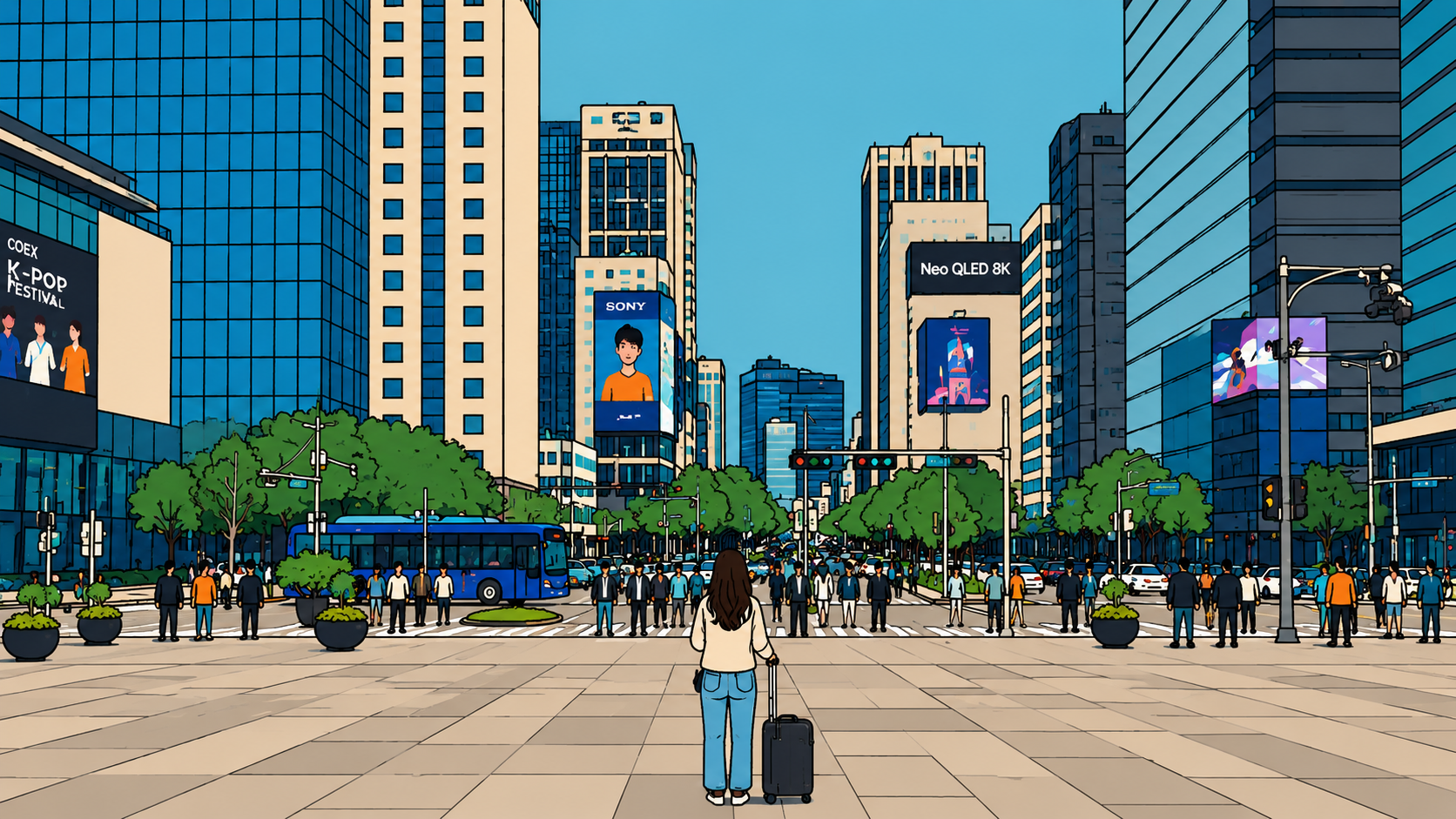
Nam June Paik rediscovered, a master everywhere but home, Korea finally understands what the world long recognized about its pioneering media artist.
Nam June Paik television as art transformed technology into connection. From Buddha on screens to artists across continents through satellites.