Nam June Paik — When Breaking the Piano Became Art (Part 5-1)

Born into a wealthy Seoul family, Nam June Paik learned piano as a path to refinement. Then war and John Cage taught him something else: how to break it.
Born into a wealthy Seoul family, Nam June Paik learned piano as a path to refinement. Then war and John Cage taught him something else: how to break it.
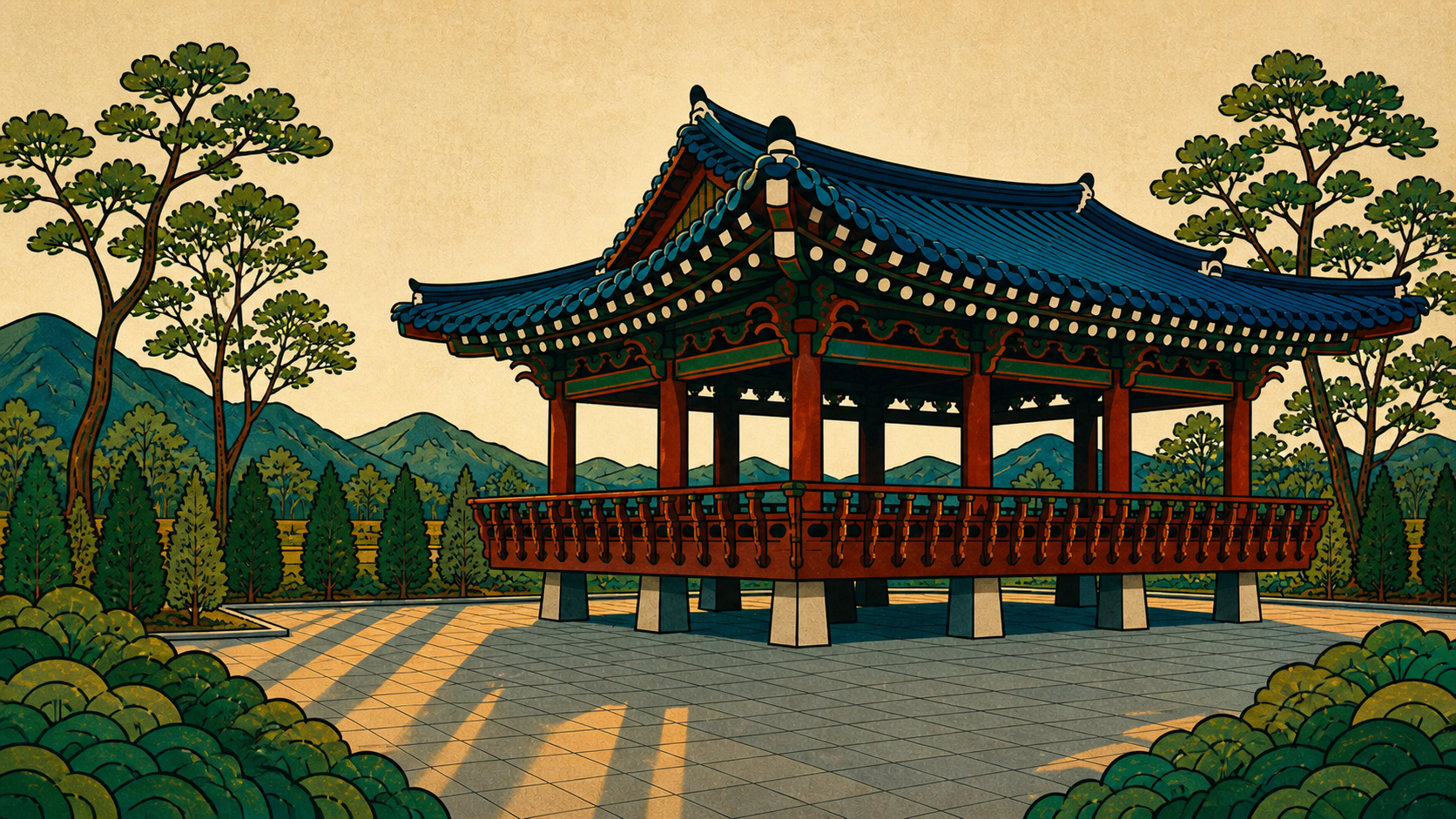
Kidnapped, tortured, exiled to West Germany. How Isang Yun’s exile became transcendence—creating the 20th century’s most essential music.

A boy in Manchuria listening to the wind, Isang Yun fused East and West into a borderless sound, reshaping modern music beyond nation and tradition.

After The Housemaid, Kim Ki-young cinema kept asking the same question. Why a filmmaker spent 40 years returning to one house, one system, one truth.
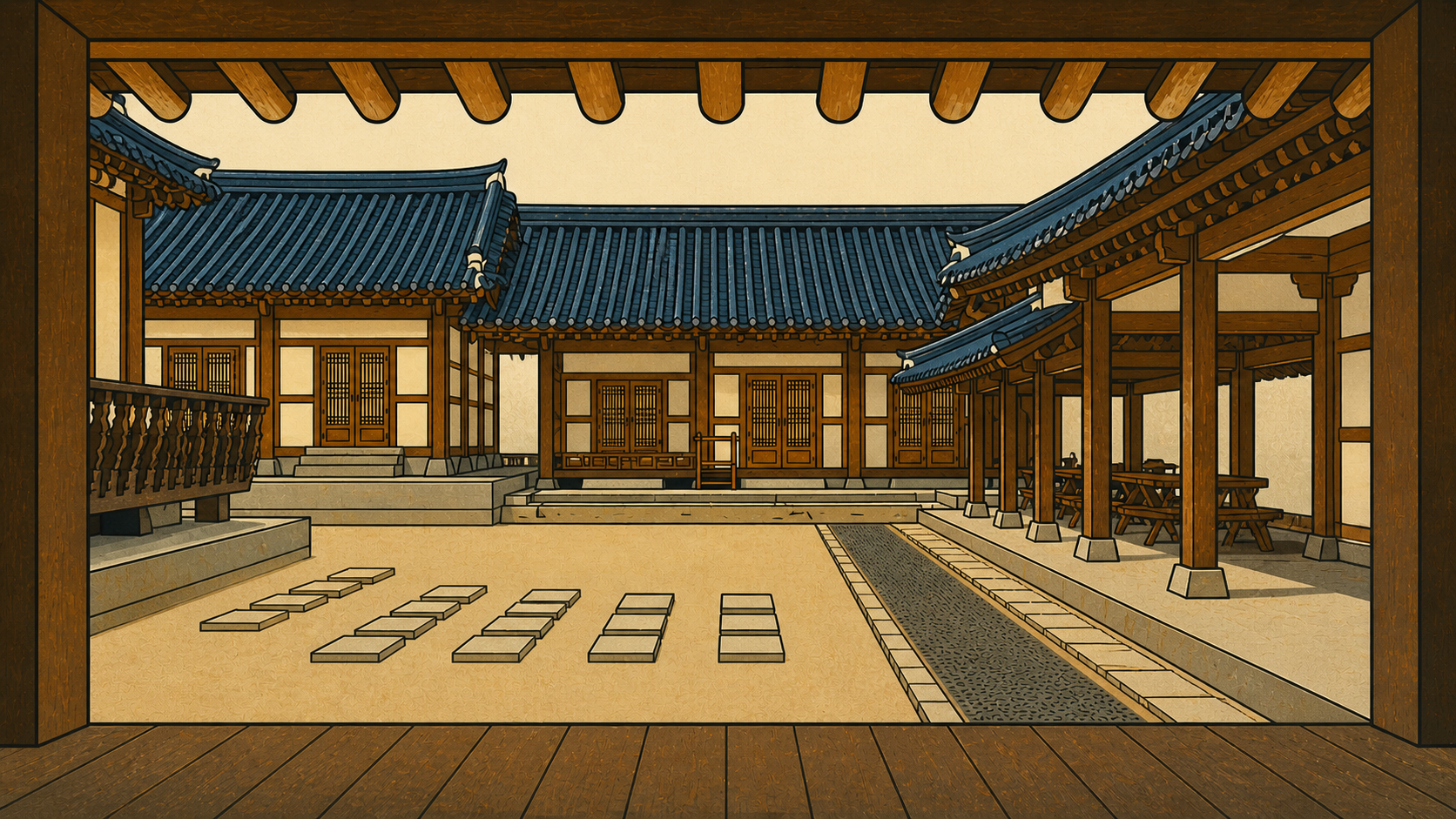
Kim Ki-young’s The Housemaid: Why a 1960 film about a wife, maid, and house became the blueprint international filmmakers use to understand systems.

A dental student who chose film instead. Why successful directors of his era vanished, and why Kim Ki-young became cinema’s essential voice.
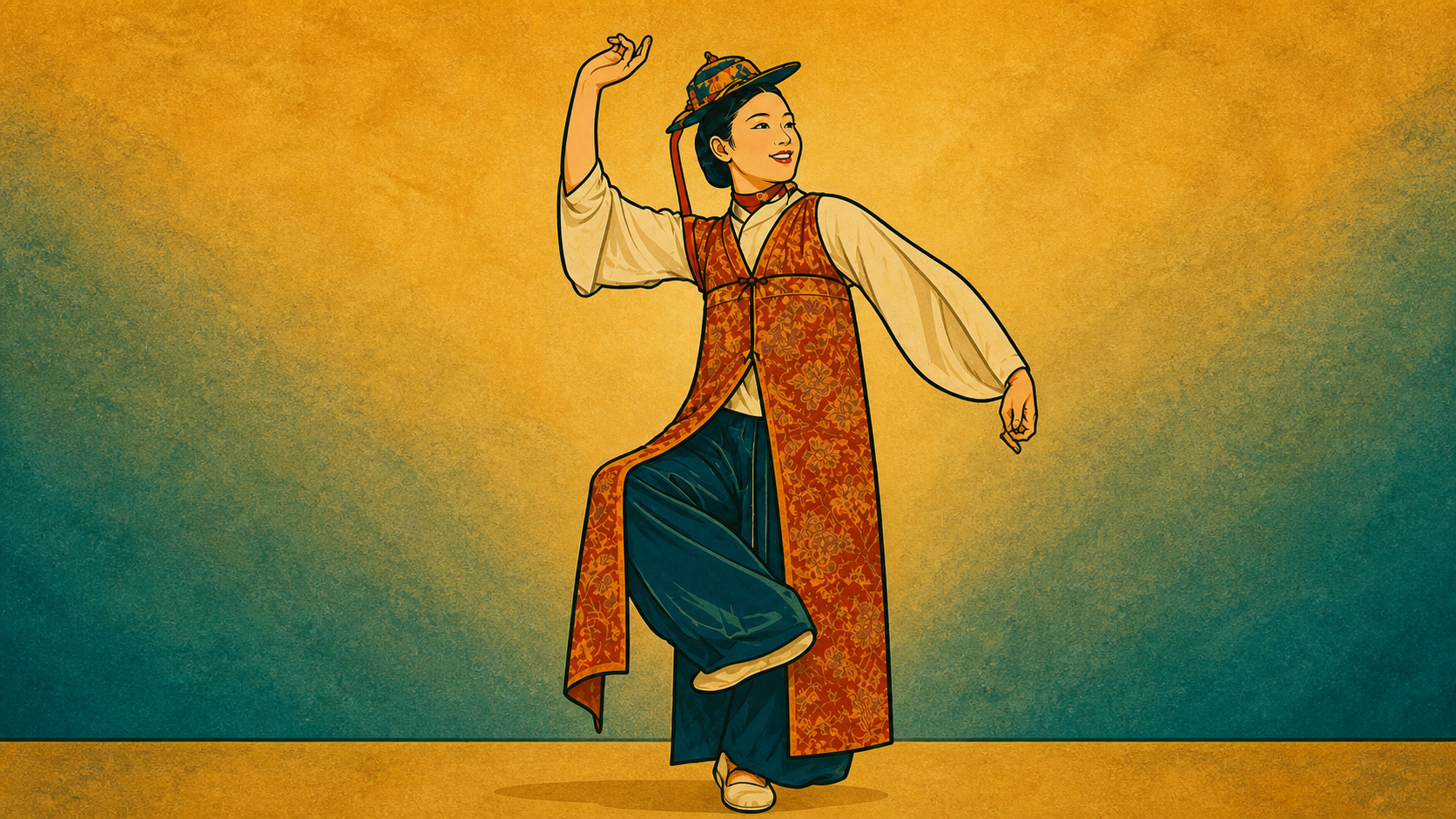
From Paris to silence. Choi Seung-hee legacy vanished not through failure but through history. Her later years remain undocumented. Why?
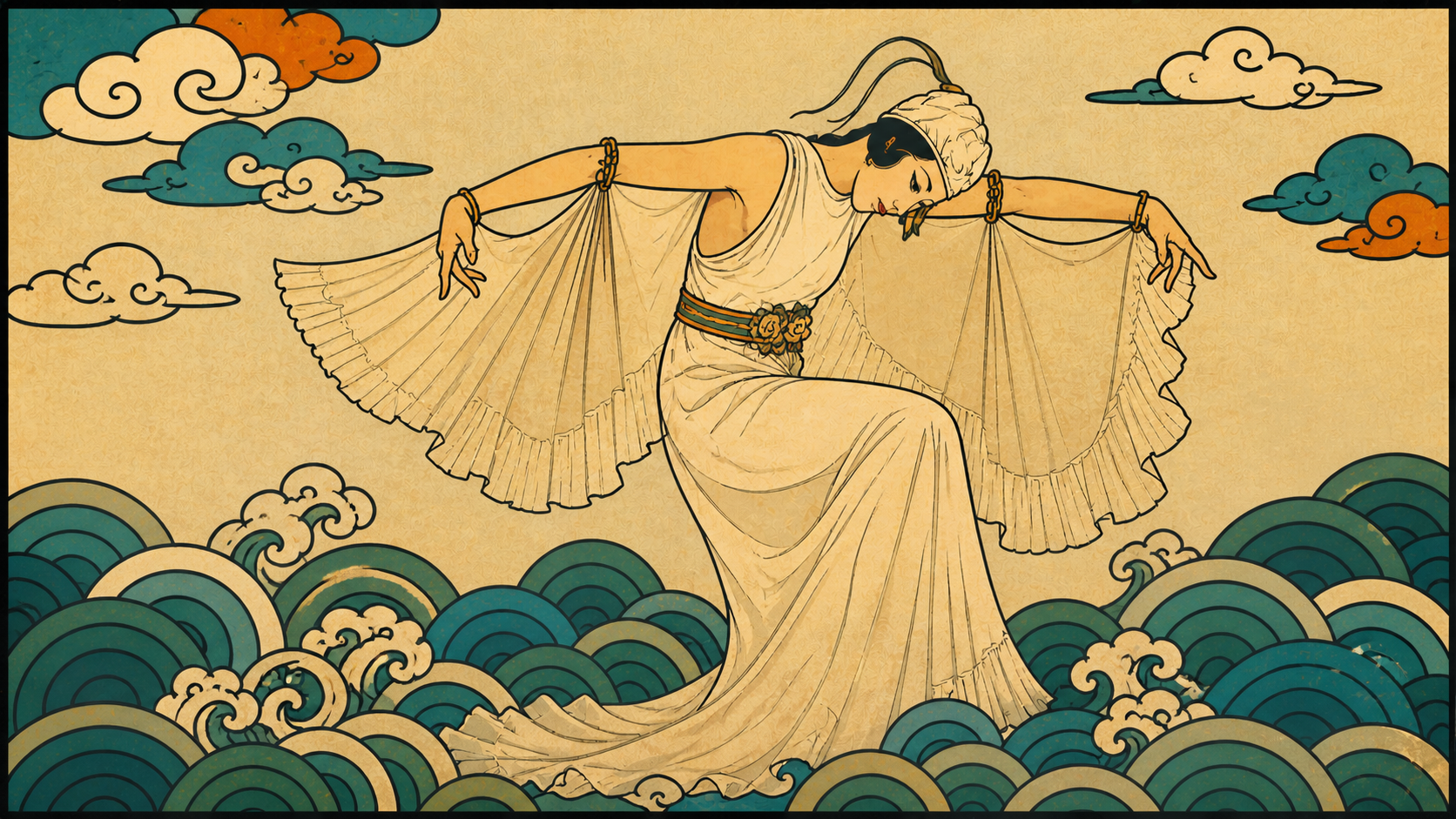
When Korea was unknown, Choi Seung-hee dance spoke to Paris and New York. Global stages. International acclaim. No shortcuts. Just artistry.
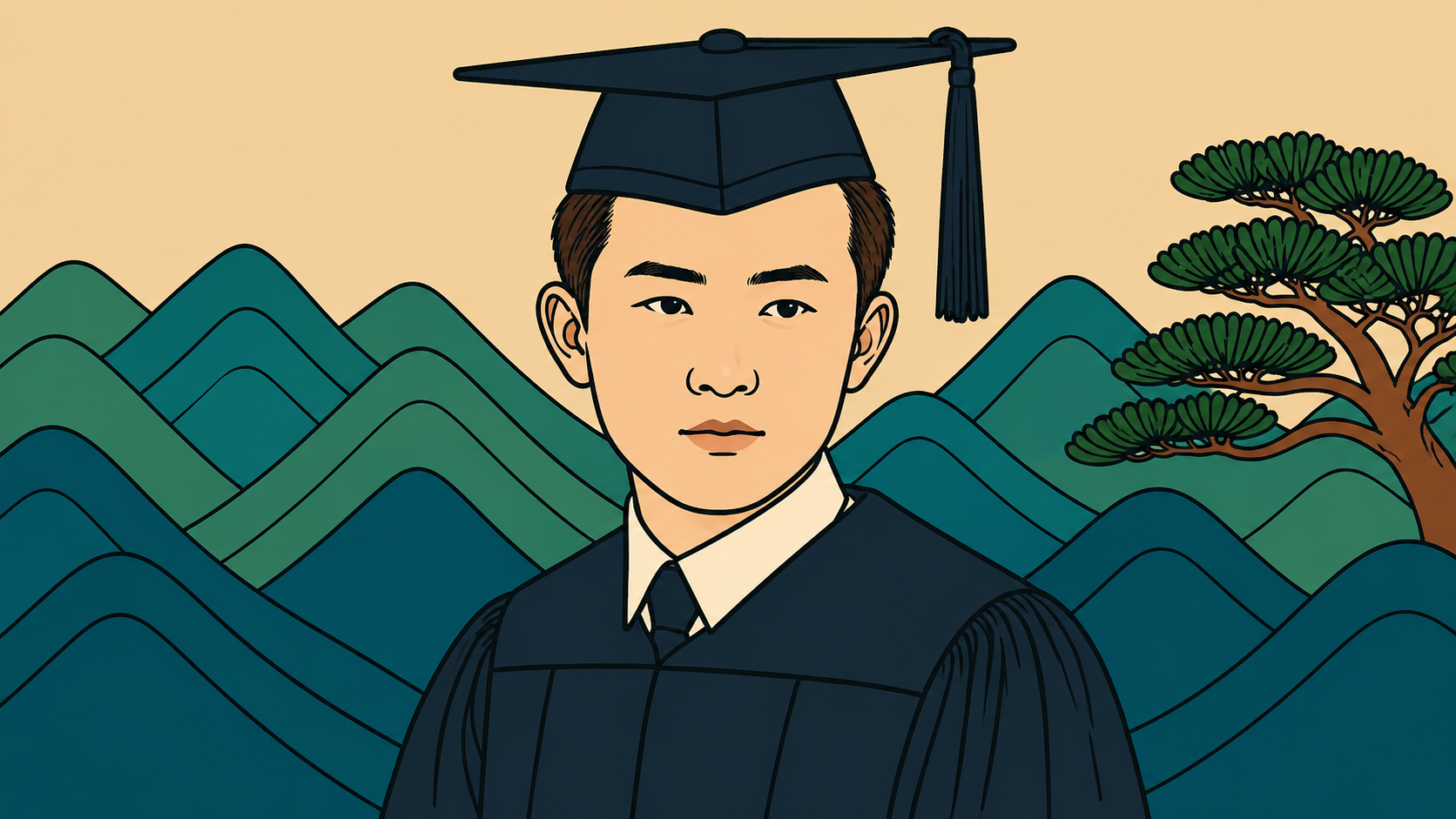
Yun Dong-ju’s Poetry survived Japanese occupation through quiet testimony, shaping Korean literature and echoing across generations worldwide.

In July 1943, Yun Dong-ju was arrested for maintaining consciousness. By 1948, his notebooks proved the empire had failed.