Seoul City Wall — The Loop That Still Wraps Around Seoul (Part 1)
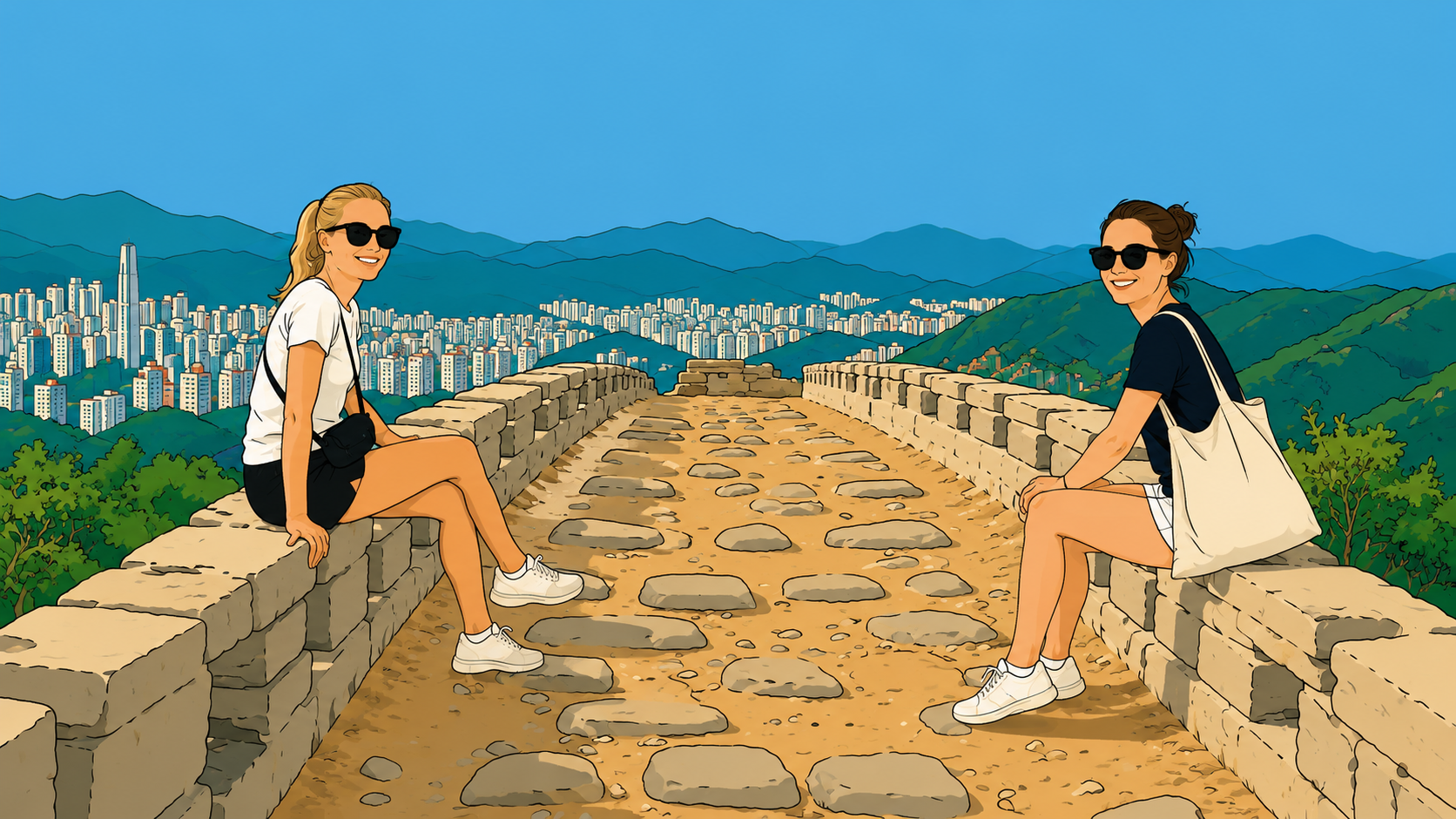
Seoul City Wall stretches 18.6 km across four mountains in one loop around the capital. Built in 1396, it still reveals the structure of Seoul today.
Seoul City Wall stretches 18.6 km across four mountains in one loop around the capital. Built in 1396, it still reveals the structure of Seoul today.
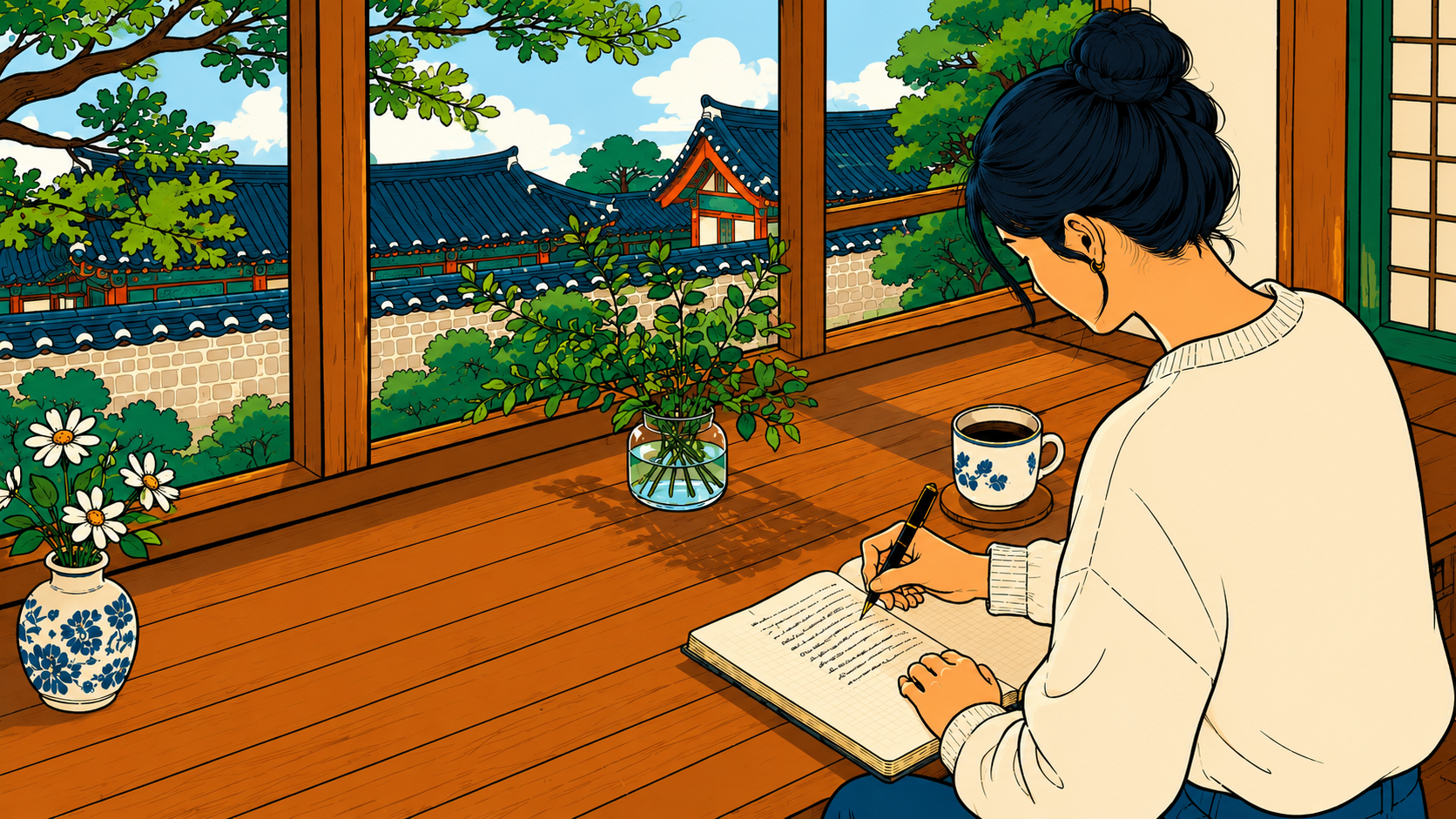
Korean reading practice can look like this: returning to the same book twice, staying in a café after the coffee is gone. Not how much you read, but how fully.
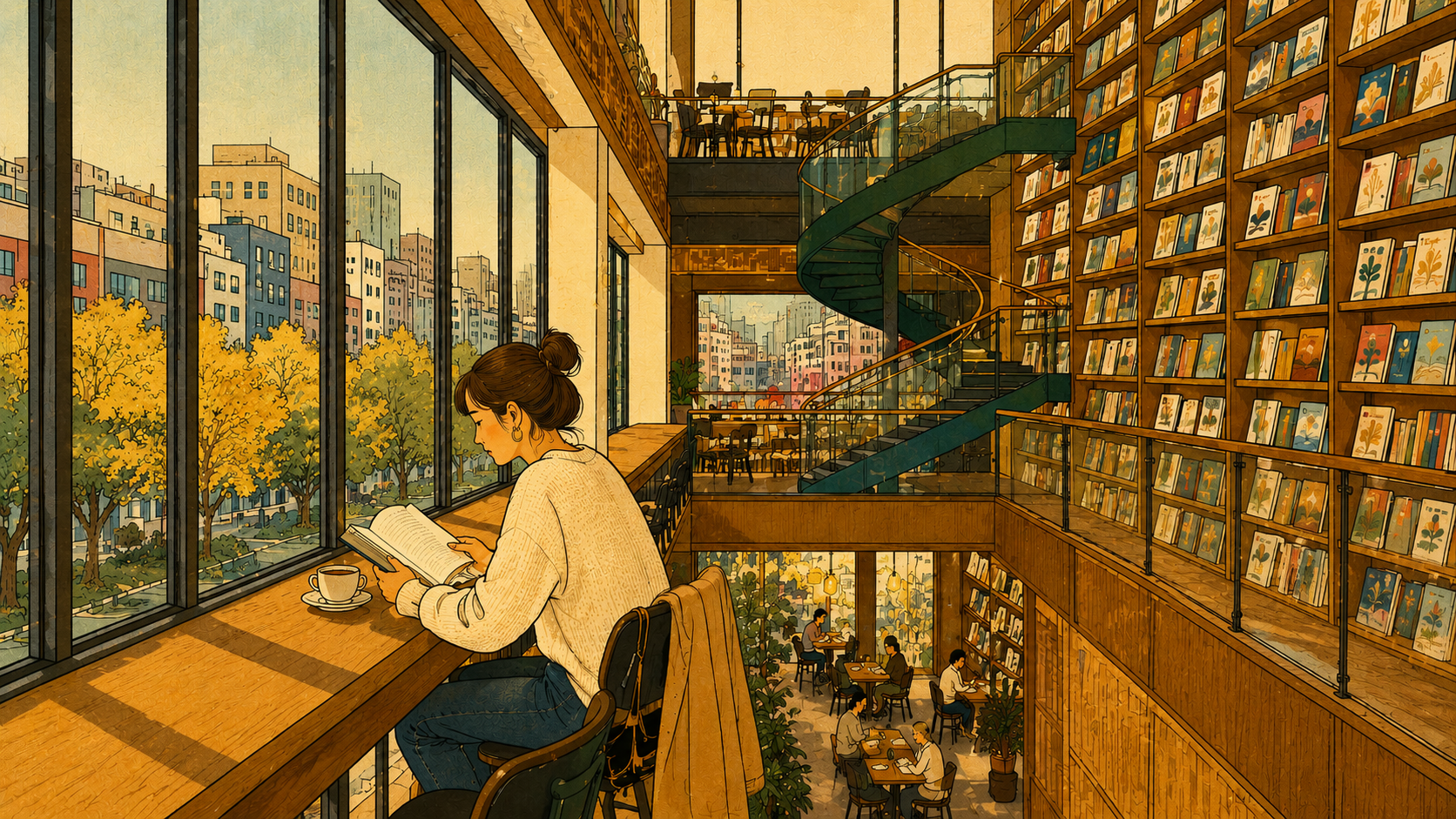
Korean book cafés offer something rare — solitude in public, silence by agreement, and a seat by the window that no one will rush you out of.

Korean bookstore culture at its smallest: fewer than 300 titles, chosen by one person. See what independent bookstores offer that chains can’t.

Beneath Gwanghwamun’s busiest intersection, Kyobo Bookstore Seoul runs on a different frequency. Here’s why Koreans keep coming back — without a bag.

Korean bookstores fill up on Saturday mornings with people who came to stay. No time limit, no pressure to buy. See what keeps this reading culture alive.

The benefits of daily walking aren’t measurable. Here’s what Korean walking culture has always known — and what productivity culture keeps getting wrong.

Walking alone in Korea doesn’t require explanation. Here’s what solo walking in Seoul actually feels like — and why the city makes it easier than most.

Seoul neighborhood walks go nowhere new. The same route and familiar faces repeat until the neighborhood becomes yours in a way no map can record.

The Han River walk Seoul offers isn’t a park or a trail. It’s 40km of shared space where cyclists, runners, and walkers move together without rules.