Korean Dermatology — What Your Body Feels During a Procedure (Part 1)
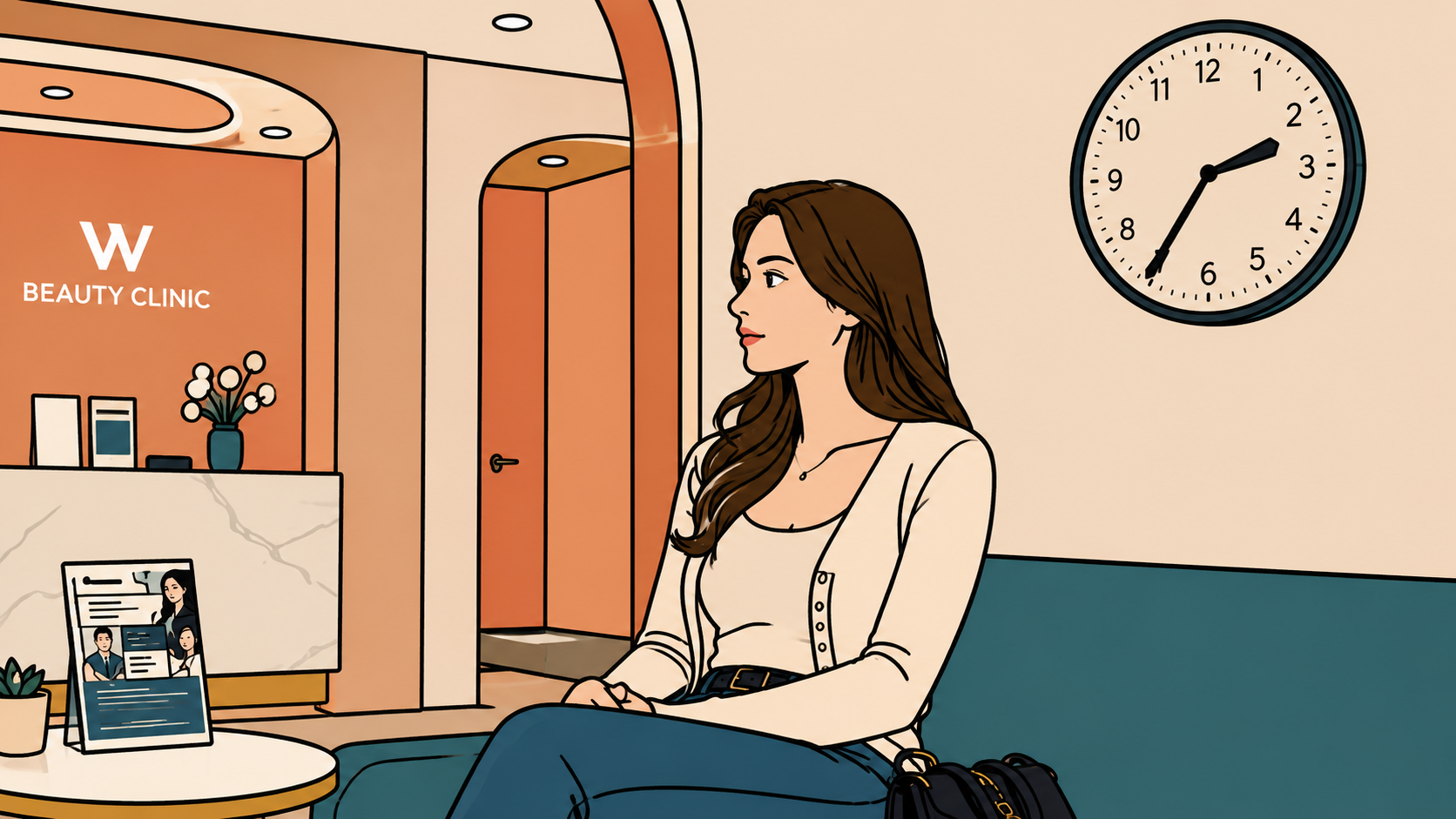
Twenty minutes inside a Gangnam clinic — what korean dermatology feels like: warmth, a prick, then cool, no anesthesia, then back to your afternoon.
Twenty minutes inside a Gangnam clinic — what korean dermatology feels like: warmth, a prick, then cool, no anesthesia, then back to your afternoon.

The jangma season narrows the world to a smaller radius. Who it surfaces, what it asks of you, and why Korea doesn’t push you to act on any of it.
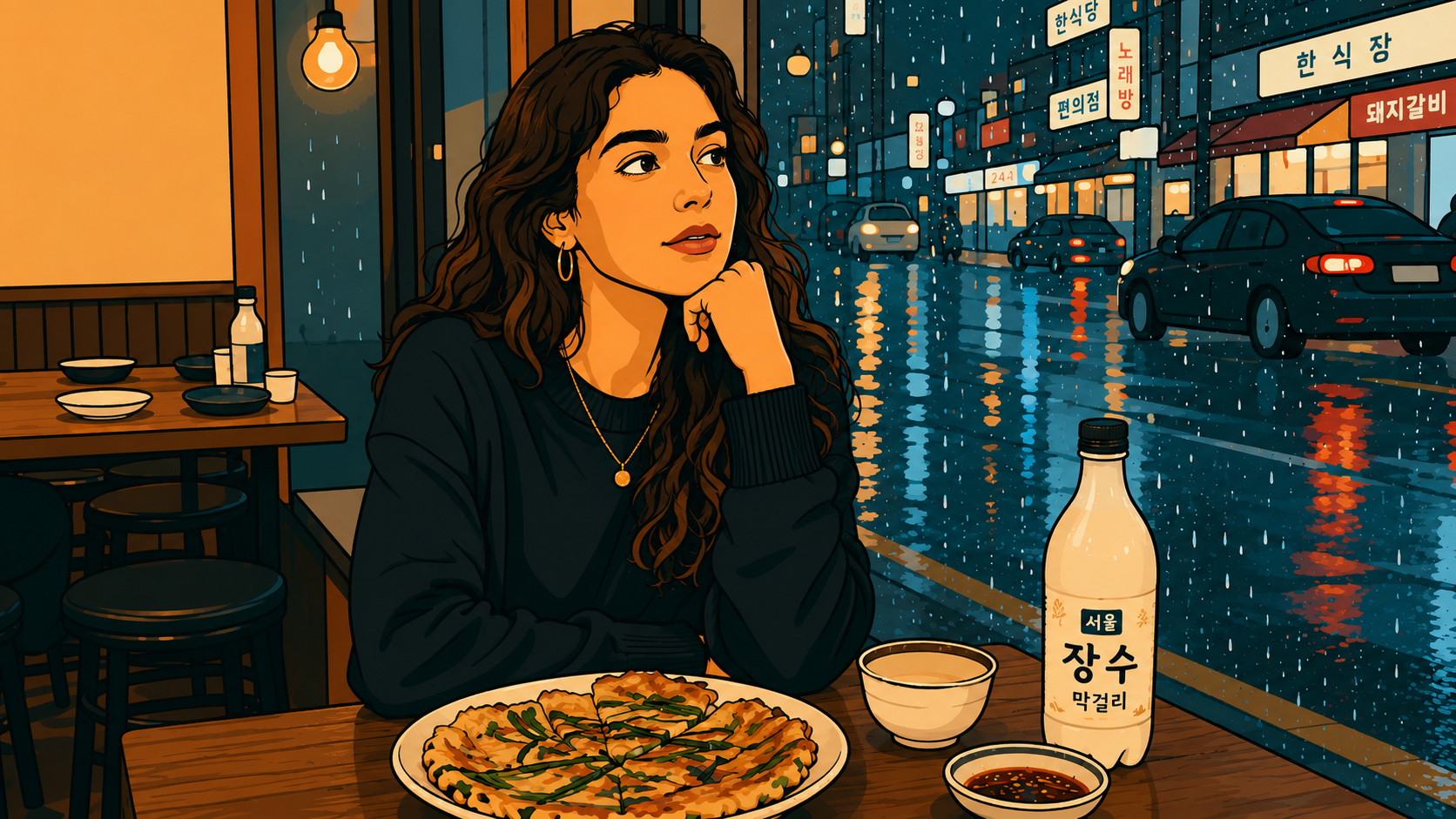
Pajeon, convenience stores, and the quiet permission jangma gives. What the Korean rainy season actually feels like from the inside.

It starts with the sound before the sight. The rain season in Korea doesn’t just change the weather — it changes the pace, the routes, and how the city moves.
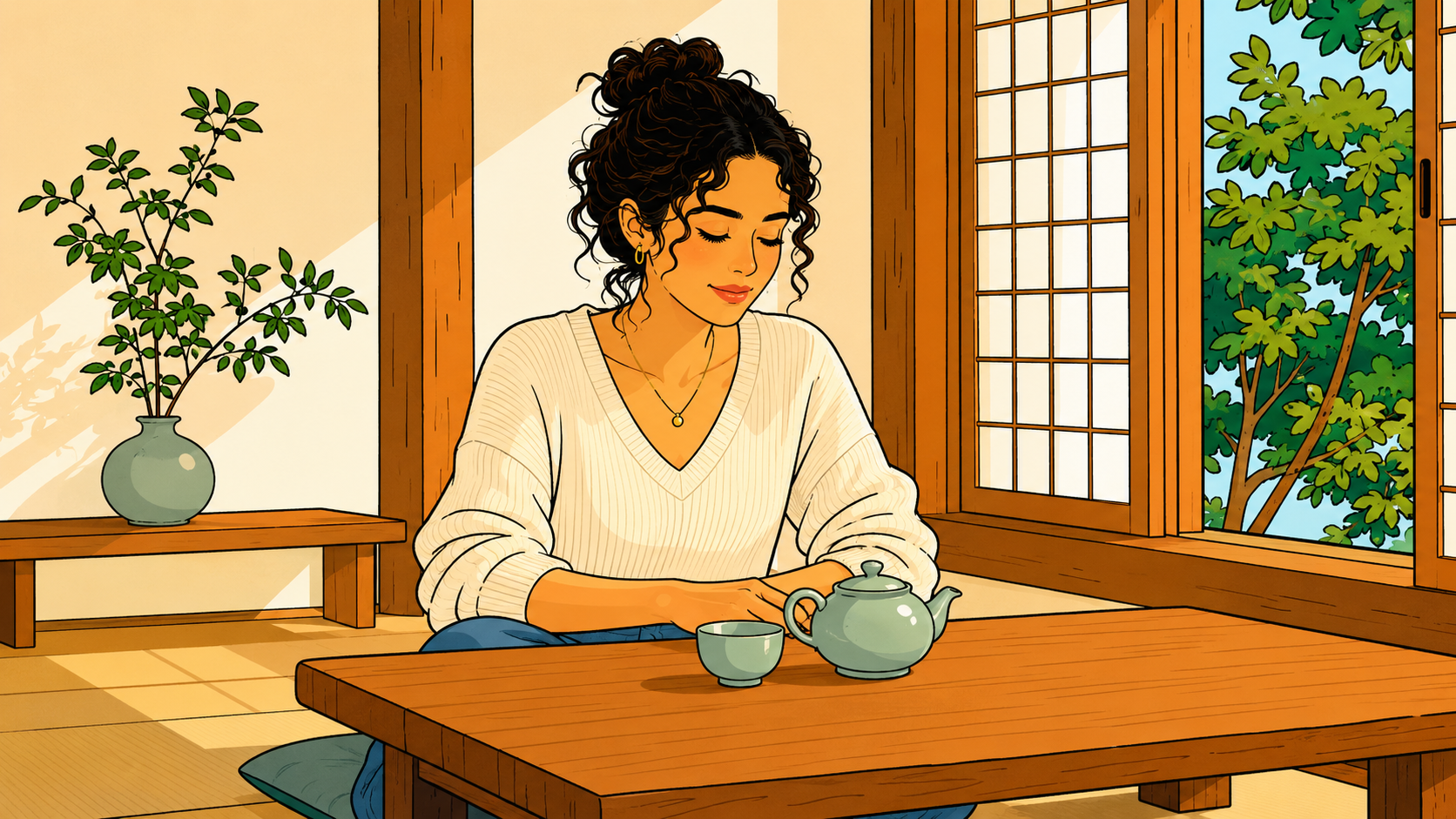
Korean tea is more than a drink. Discover why Korean tea stays with people long after the last cup, quietly reshaping attention, rhythm, and everyday life.

Mindful living begins with small daily rituals. Discover how Korean tea culture creates calm, structure, and a slower rhythm for everyday life.
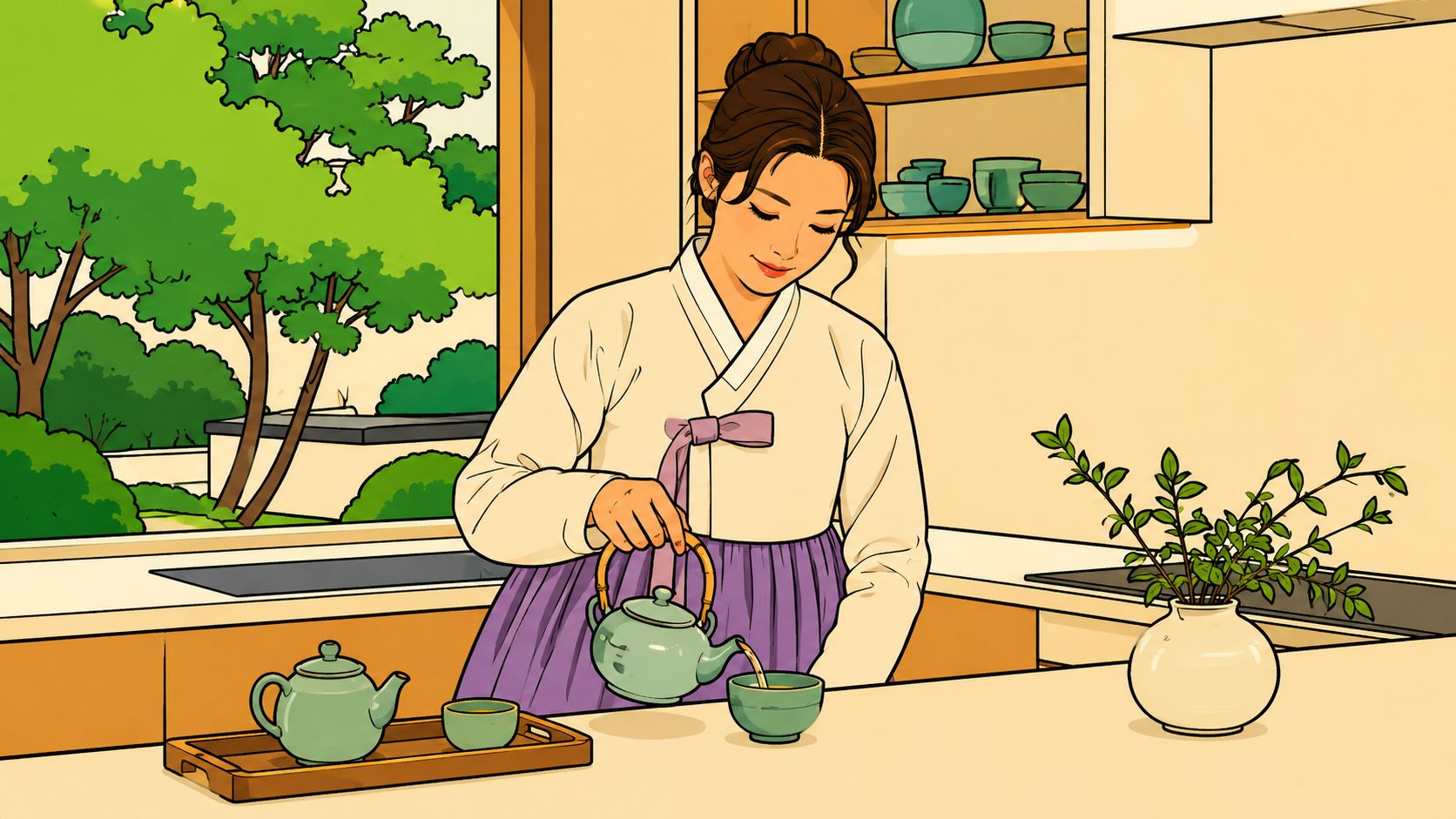
Korean green tea brewed wrong is a different drink entirely. What the water temperature and the wait actually do to what ends up in the cup.
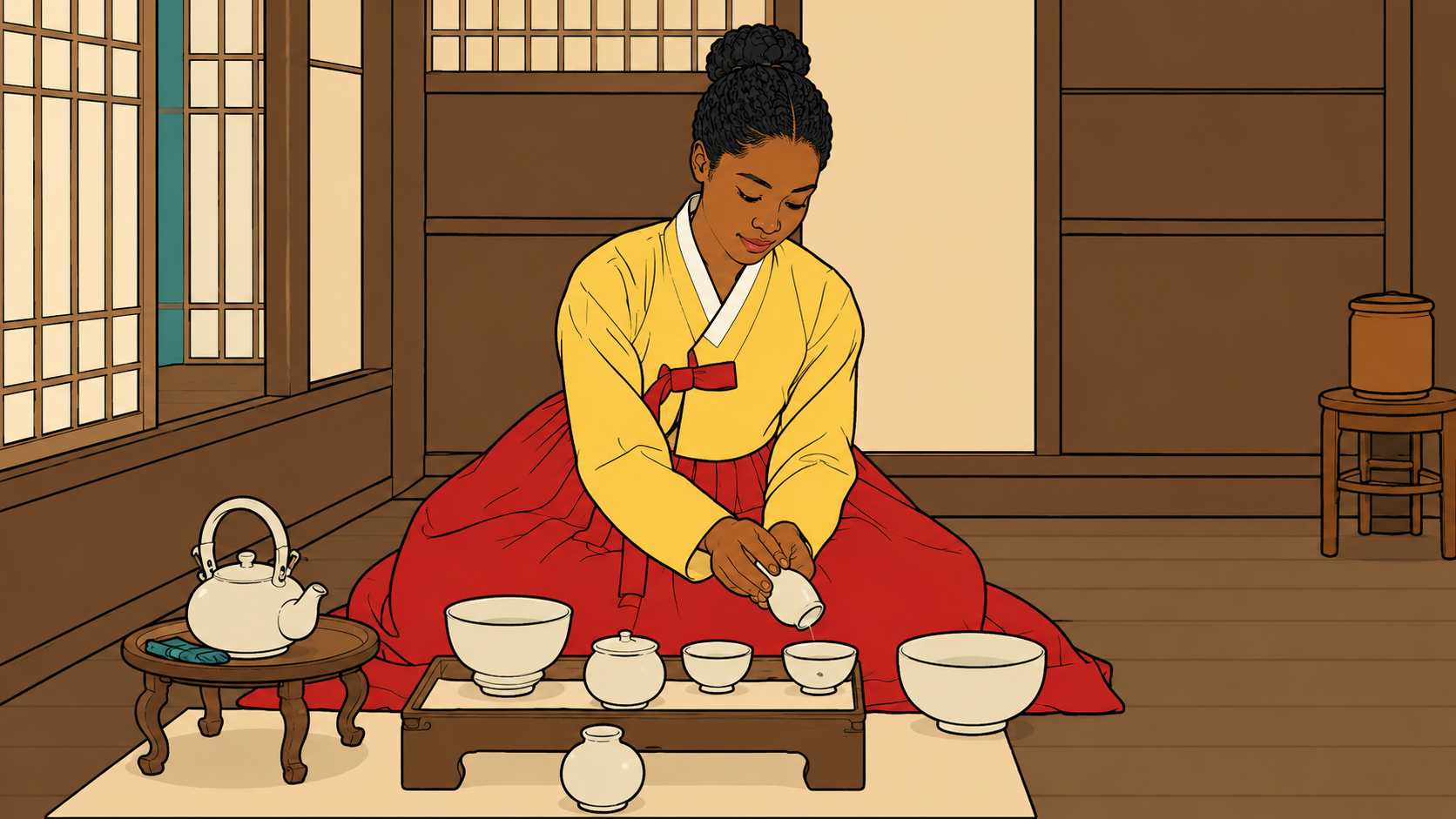
Korean tea houses don’t ask you to relax. The architecture does it for you. What these spaces do — and what visitors carry out with them.

Korean tea culture isn’t about health or tradition. It’s about what people are actually looking for when coffee stops giving them what they need.
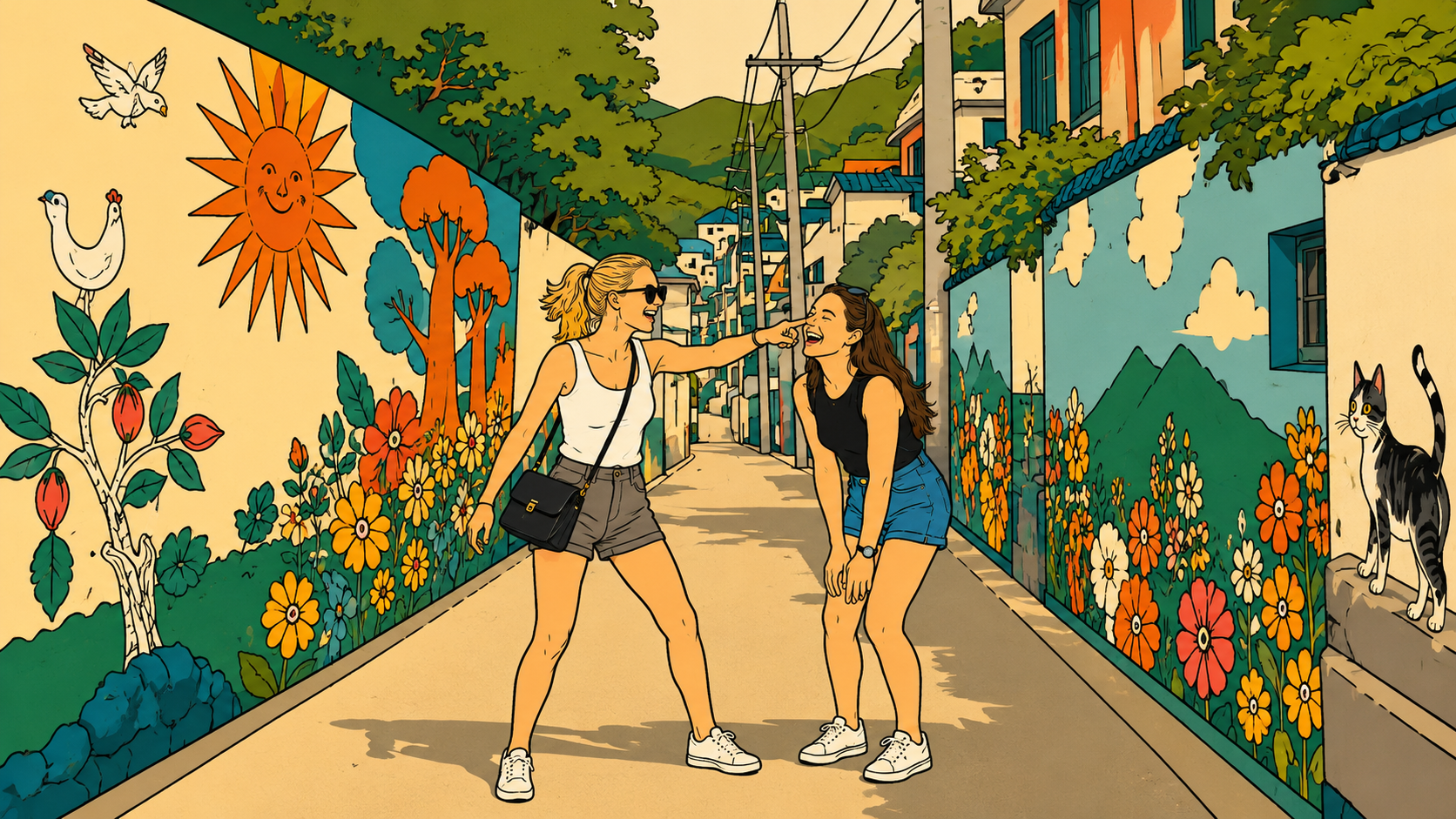
Naksan Park Seoul is the easiest section of the city wall, where 1396 stone meets modern streets. See why first-time visitors should start here.