Korean Gat Hat History — The Hat That Became a Joke (Part 2)

The Korean gat hat history took a dark turn in 1895. One order erased a visual language five centuries in the making.
The Korean gat hat history took a dark turn in 1895. One order erased a visual language five centuries in the making.

In 1816, a sketch of a Korean gat made Napoleon laugh with delight. Here’s what the hat actually meant — and why it took centuries to build that meaning.

Water element meaning in K-Saju: why the quiet years that produce nothing visible are where the next phase is being built underground.
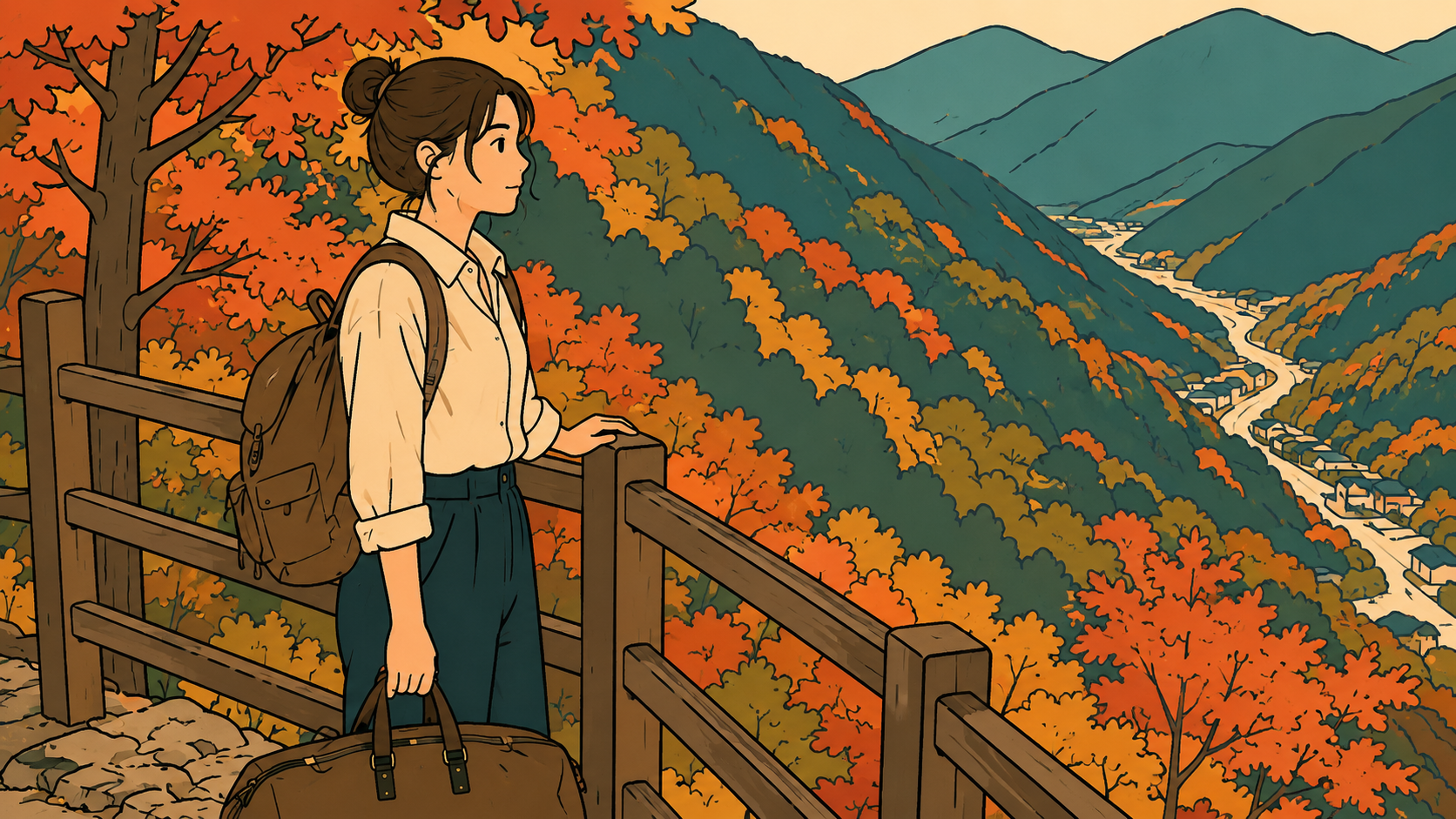
Metal element meaning in K-Saju: why high standards can quietly become a life stuck at almost, and what makes a clean ending possible.

Earth element meaning in K-Saju: why the steady, reliable one quietly empties out, and what integration actually needs to replenish.

The fire element meaning in K-Saju: the force of expression. Why you burn bright then vanish — and what Fire needs to sustain output instead of burning out.

The wood element meaning in K-Saju: the force of initiation. Why you keep starting and never finishing — and what Wood needs to build instead of just grow.

The five elements aren’t personality types. K-Saju reads Wood, Fire, Earth, Metal, Water as forces moving through your life — why some years flow, others stall.
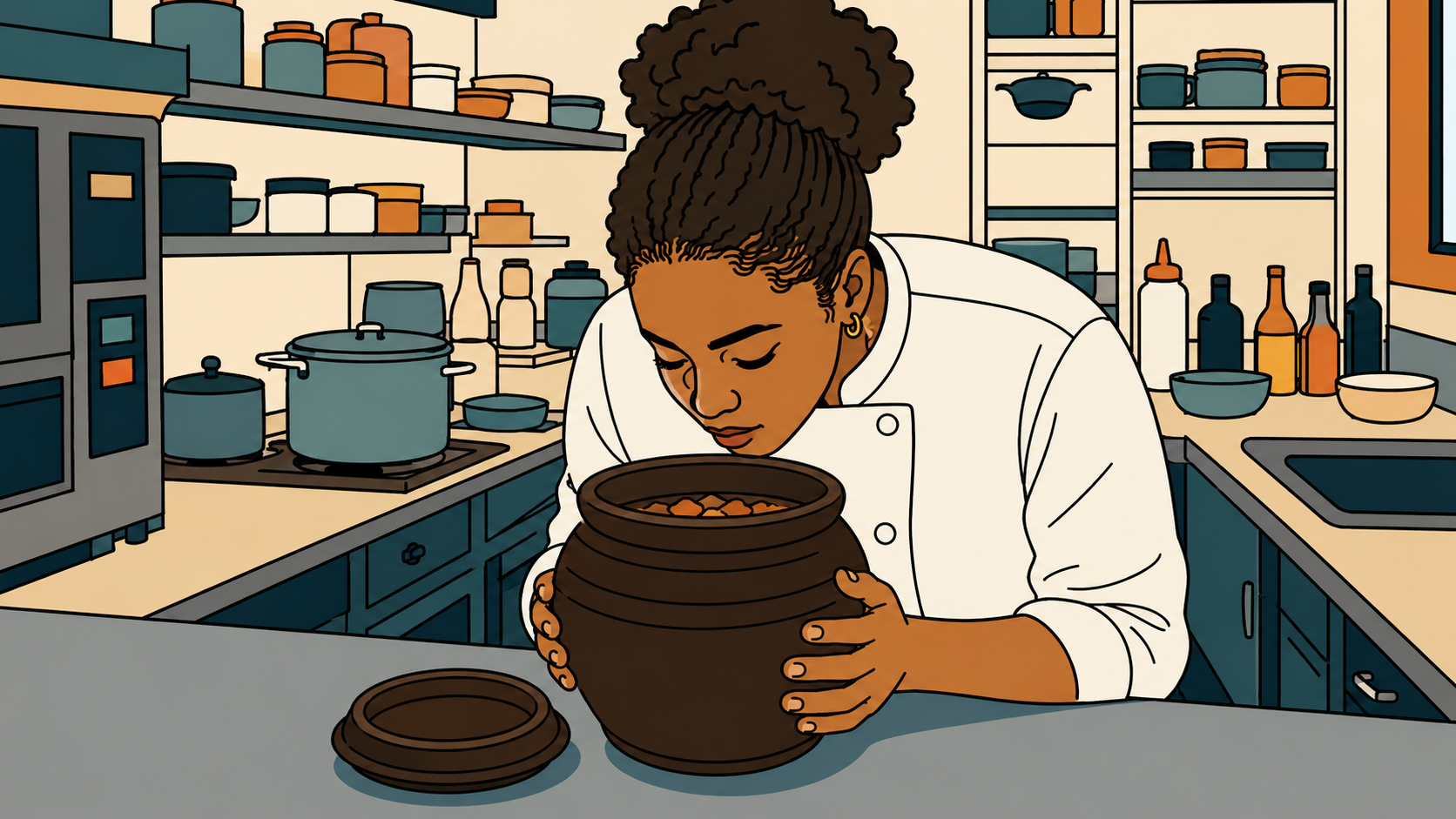
You can’t taste jang while it’s becoming jang. Korean food culture was built on that patience — and the world is finally starting to taste why.

Ganjang, doenjang, gochujang — three Korean condiments that taste nothing alike, all born from a single block of fermented soybean. Here’s how they split.