Heavenly Stems Meaning — Ten Operating Modes (Part 1)
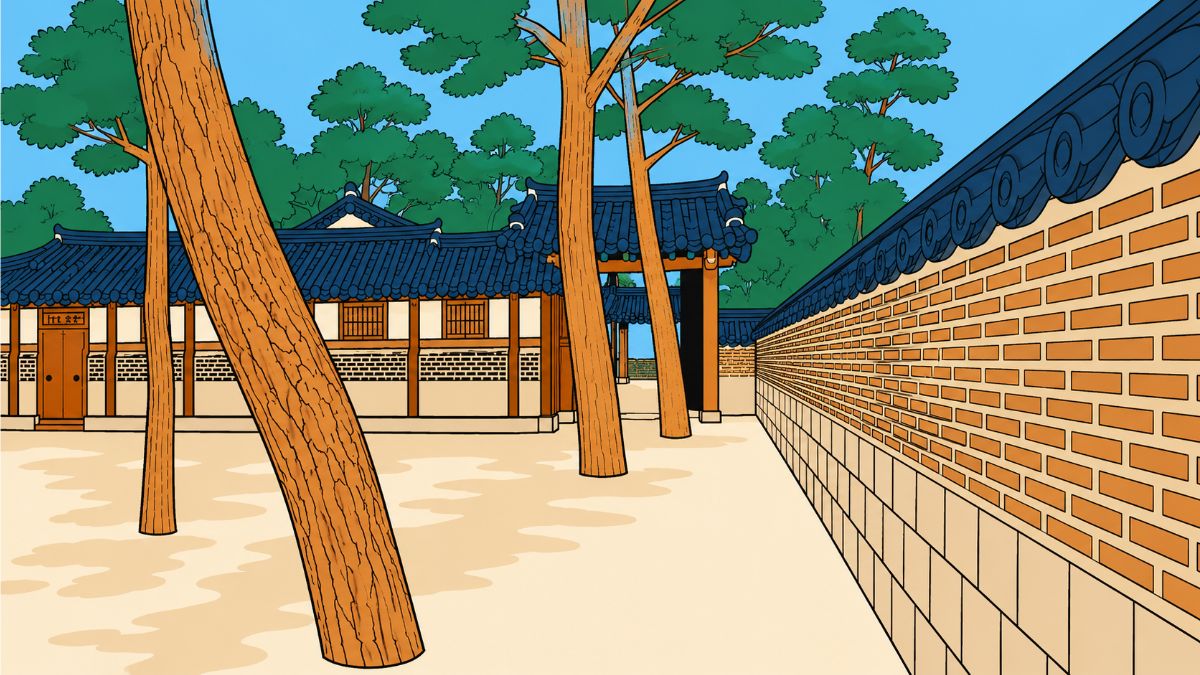
Heavenly stems meaning in K-Saju: the ten characters aren’t fixed types but operating modes — which one you’re running, and how it acts under pressure.
Heavenly stems meaning in K-Saju: the ten characters aren’t fixed types but operating modes — which one you’re running, and how it acts under pressure.

Gap moves in one direction — no detours, no negotiations. Here’s what the yang wood stem in K-Saju actually does to a chart, and when its force turns costly.

Eul doesn’t push through — it wraps around. Here’s what the yin wood stem in K-Saju actually does to a chart, and when the adapting turns costly.

Mu doesn’t move — the storm moves through it. Here’s what the yang earth stem in K-Saju actually does to a chart, and when holding turns costly.
Jeong doesn’t fill the room. It holds one flame, steady and precise. Here’s what the yin fire stem in K-Saju actually does to a chart.

Mu doesn’t initiate. It receives. Here’s what the yang earth stem in K-Saju does to a chart — and when holding becomes the only thing that matters.

Gi doesn’t hold what it receives. It converts it. What the yin earth stem in K-Saju does to a chart — and when the processing stops working.
Gyeong doesn’t negotiate. It cuts. What the yang metal stem in K-Saju does to a chart — and when the precision stops working.
Sin doesn’t cut — it polishes until the truth surfaces. Here’s what the yin metal stem in K-Saju actually does to a chart, and when the refining turns costly.

Im doesn’t choose direction. It creates momentum. What the yang water stem in K-Saju does to a chart — and when the current runs dry.