How to End a Friendship — Without a Blowup (Part 3)
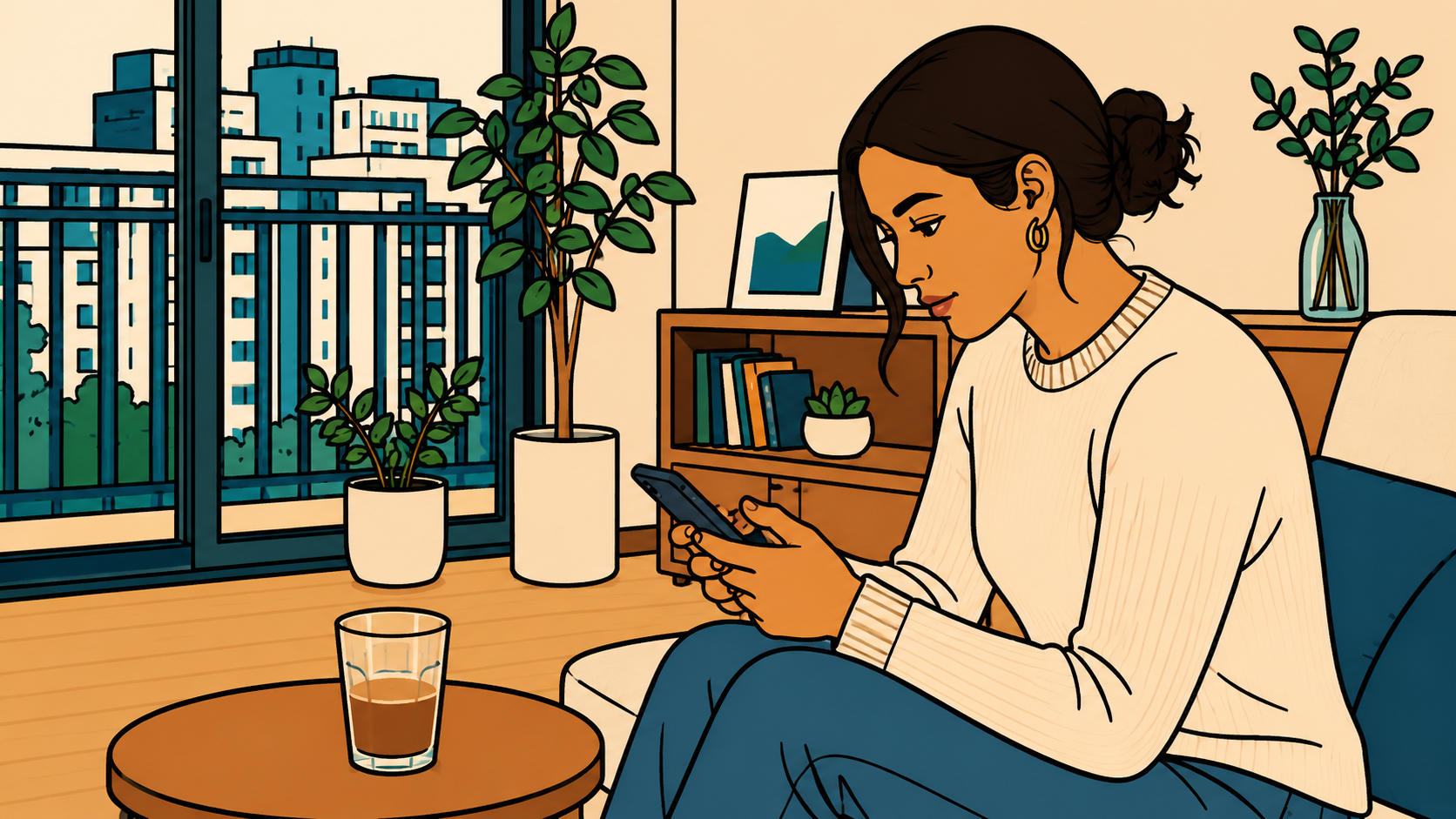
Dreading the confrontation? Here’s how to end a friendship without one — the fade, the conversation, or the clean break, and exactly when to use each.
 Kam Su Jin
Dreading the confrontation? Here’s how to end a friendship without one — the fade, the conversation, or the clean break, and exactly when to use each.

When to end a friendship comes down to repair or release. How to tell which friendships are worth saving, and how to let one go without making anyone the villain.
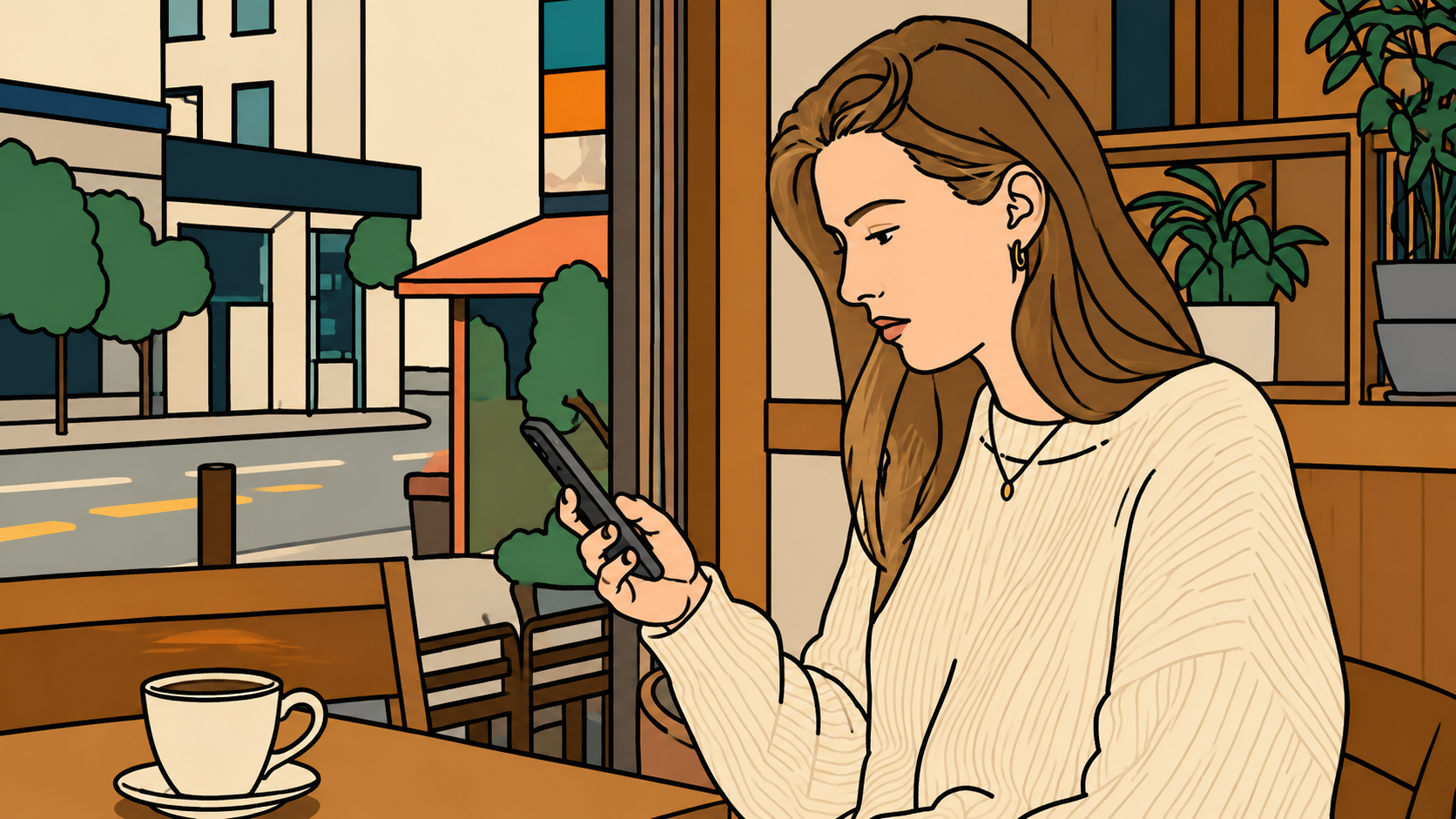
Not every friendship ends in a fight. Some just go quiet. How to tell when you’re at the real end of friendship — and what the silence is telling you.
Jeonju makgeolli comes by the kettle, and one kettle buys a table full of free anju. A last evening in a Samcheon-dong alley, loud, warm, and unhurried.
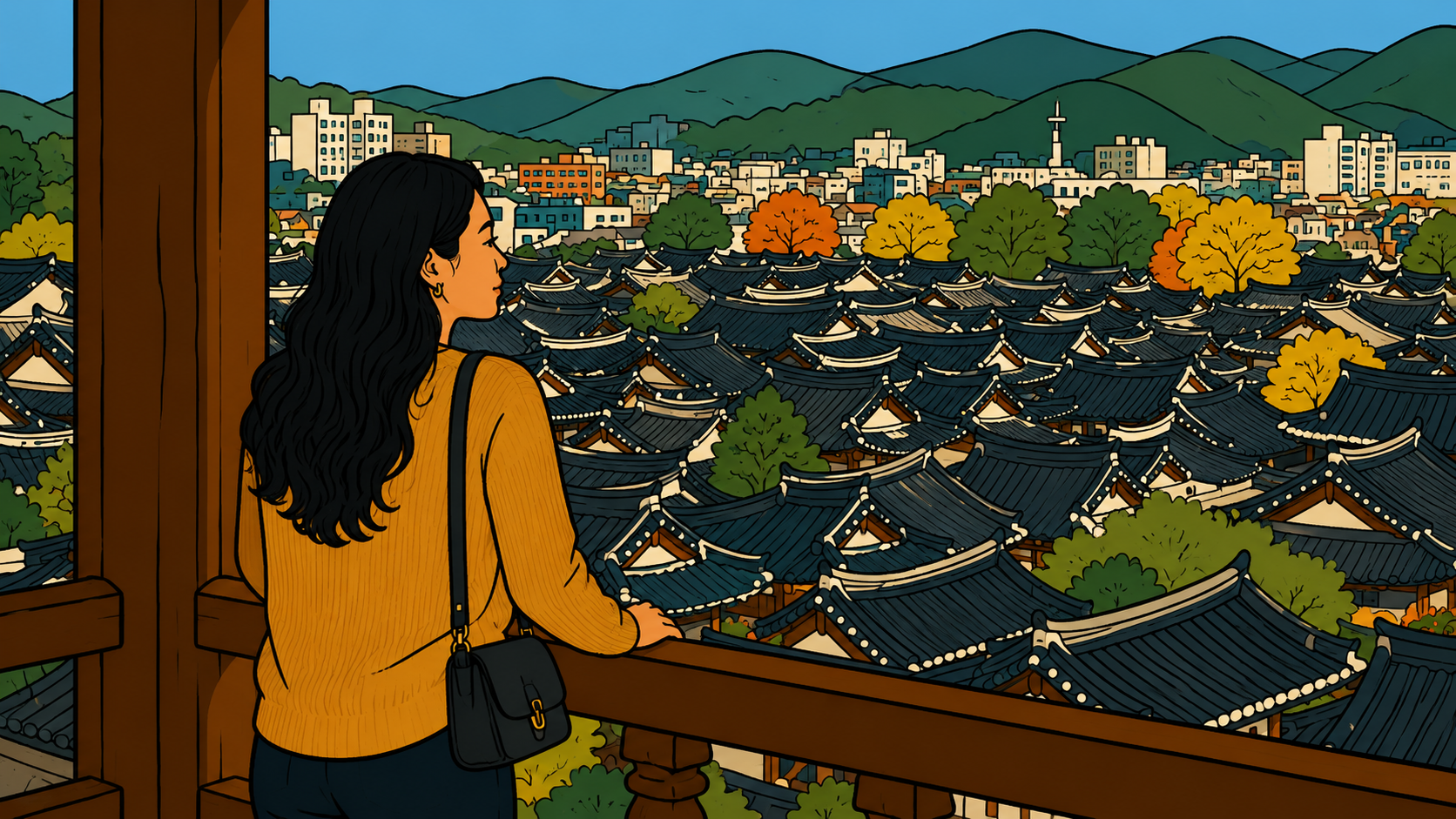
Jeonju Omokdae is the climb that explains the town — a slow riverside lunch of omogari-tang, then the roofs laid out whole from the pavilion above.
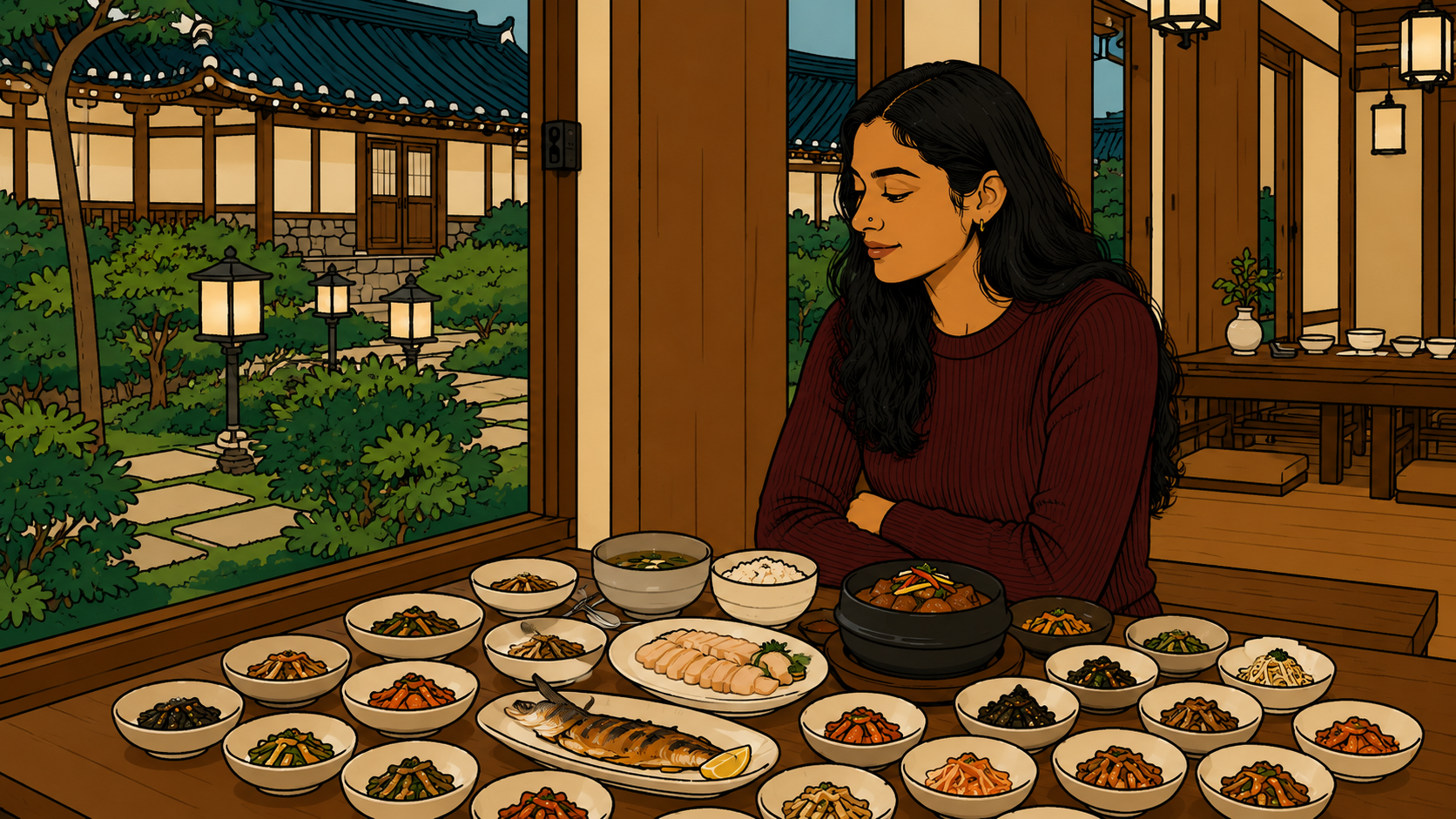
Jeonju hanjeongsik is generosity measured in dishes — thirty small plates that keep arriving until you stop trying to finish. A slow table in a hanok room.

Jeonju kongnamul gukbap comes two ways — ladled slow or boiling hard. A dawn bowl at Nambu Market, the egg, the moju, and the choice you make.

You don’t eat Jeonju bibimbap when it lands — you build it. A slow walk through the hanok village to the warm brass bowl that waits for your hand.

How do i stop caring what others think? It isn’t a decision. When the grading stops, what’s left is whatever you kept doing when no one was watching.
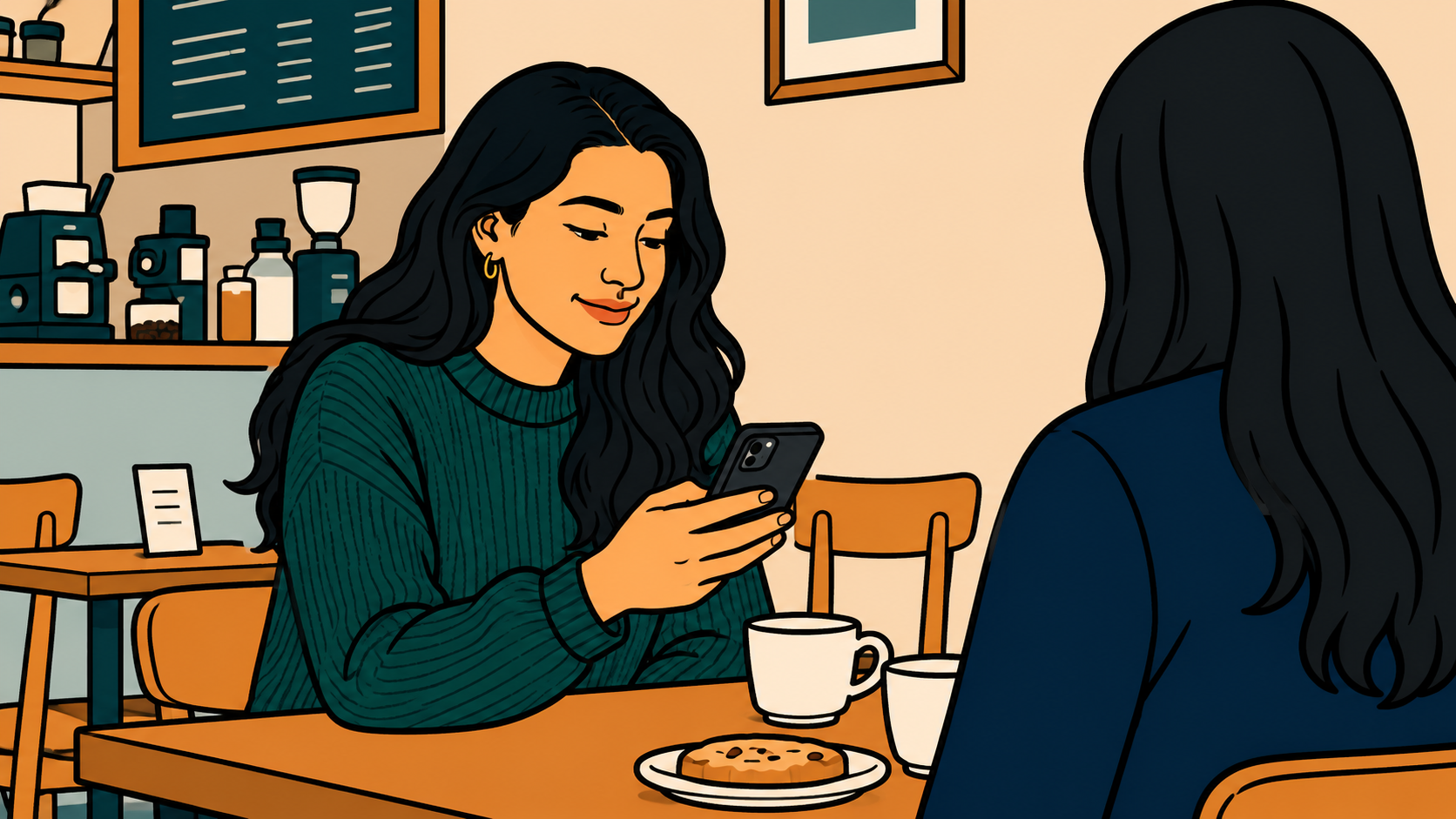
Fear of judgment decides who gets to see you learn. It hides the beginner stage, sorts people into two lists, and hands the closest ones the edited you.