Nam June Paik television as Art (Part 5-2)

Nam June Paik television as art transformed technology into connection. From Buddha on screens to artists across continents through satellites.
 Kam Su Jin
Nam June Paik television as art transformed technology into connection. From Buddha on screens to artists across continents through satellites.

Born into a wealthy Seoul family, Nam June Paik learned piano as a path to refinement. Then war and John Cage taught him something else: how to break it.
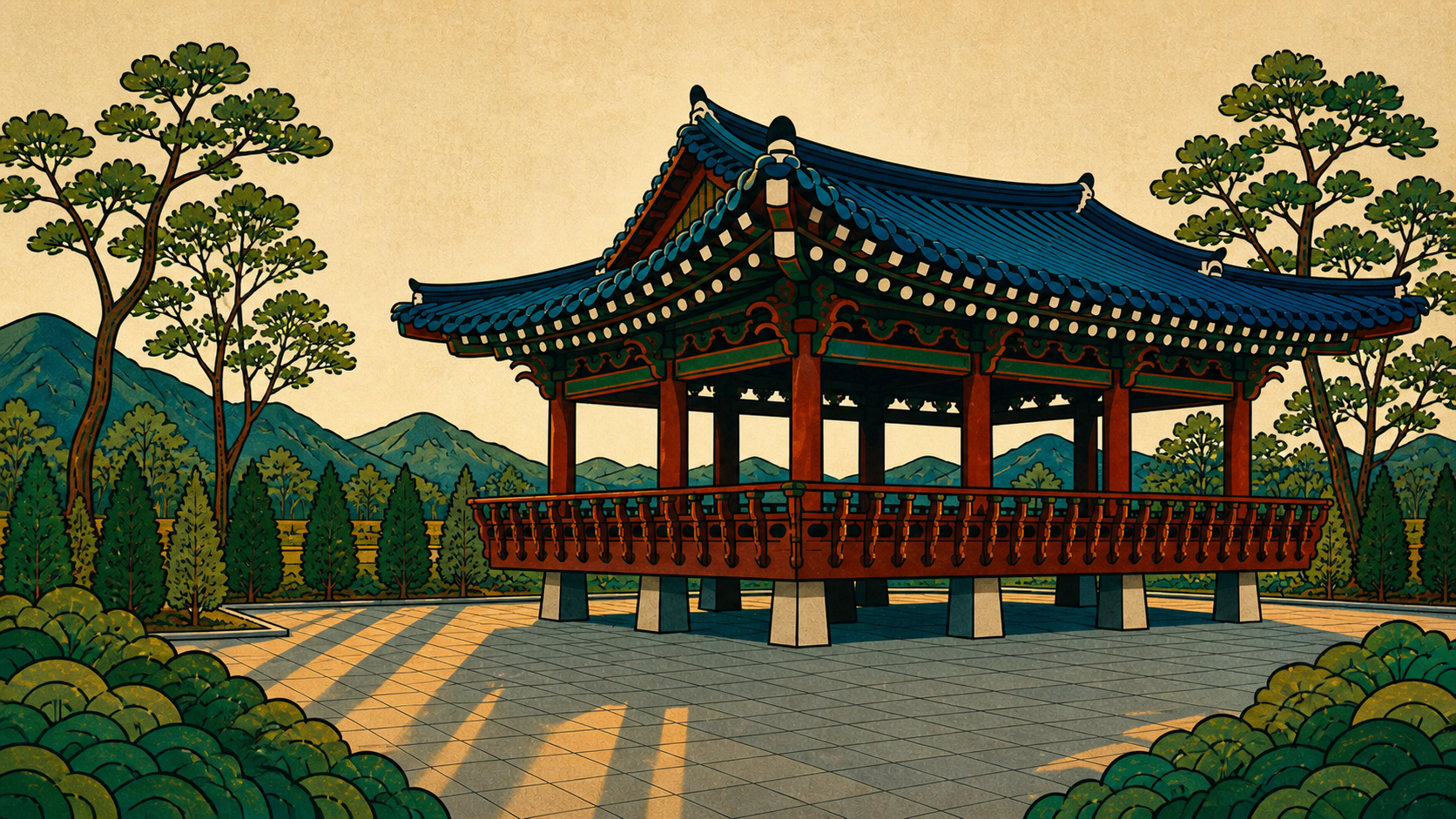
Kidnapped, tortured, exiled to West Germany. How Isang Yun’s exile became transcendence—creating the 20th century’s most essential music.

A boy in Manchuria listening to the wind, Isang Yun fused East and West into a borderless sound, reshaping modern music beyond nation and tradition.

After The Housemaid, Kim Ki-young cinema kept asking the same question. Why a filmmaker spent 40 years returning to one house, one system, one truth.
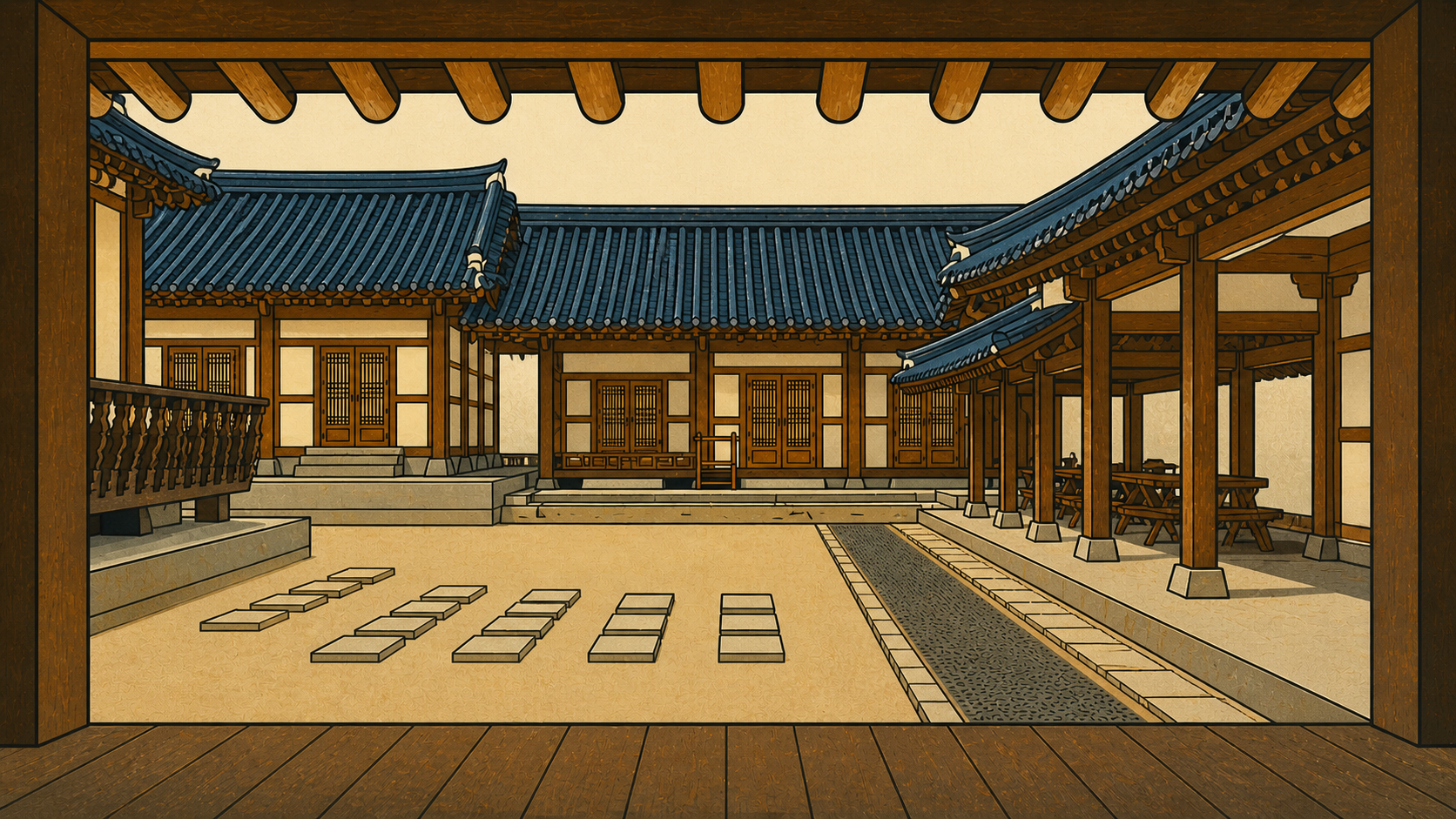
Kim Ki-young’s The Housemaid: Why a 1960 film about a wife, maid, and house became the blueprint international filmmakers use to understand systems.

A dental student who chose film instead. Why successful directors of his era vanished, and why Kim Ki-young became cinema’s essential voice.
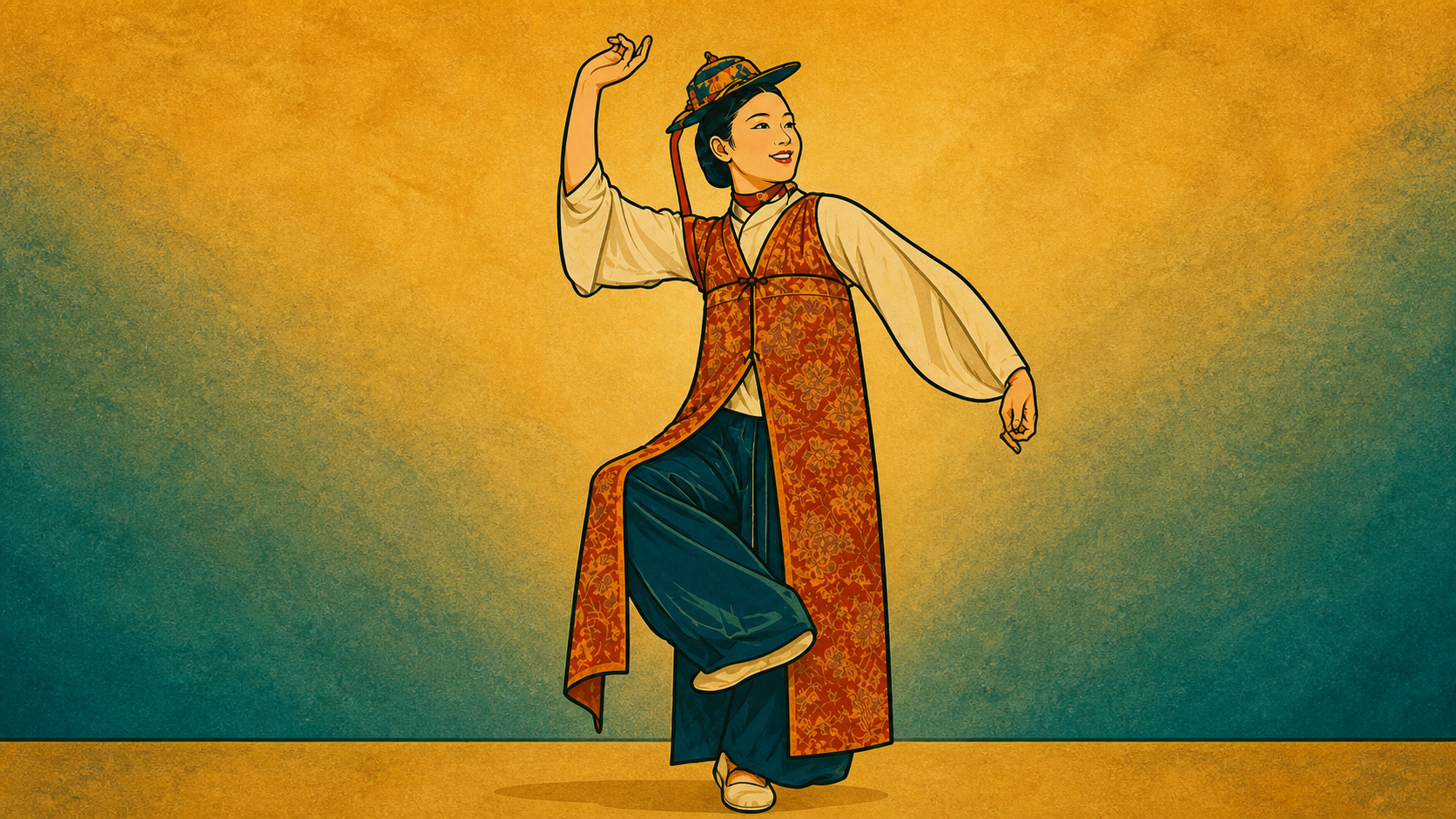
From Paris to silence. Choi Seung-hee legacy vanished not through failure but through history. Her later years remain undocumented. Why?
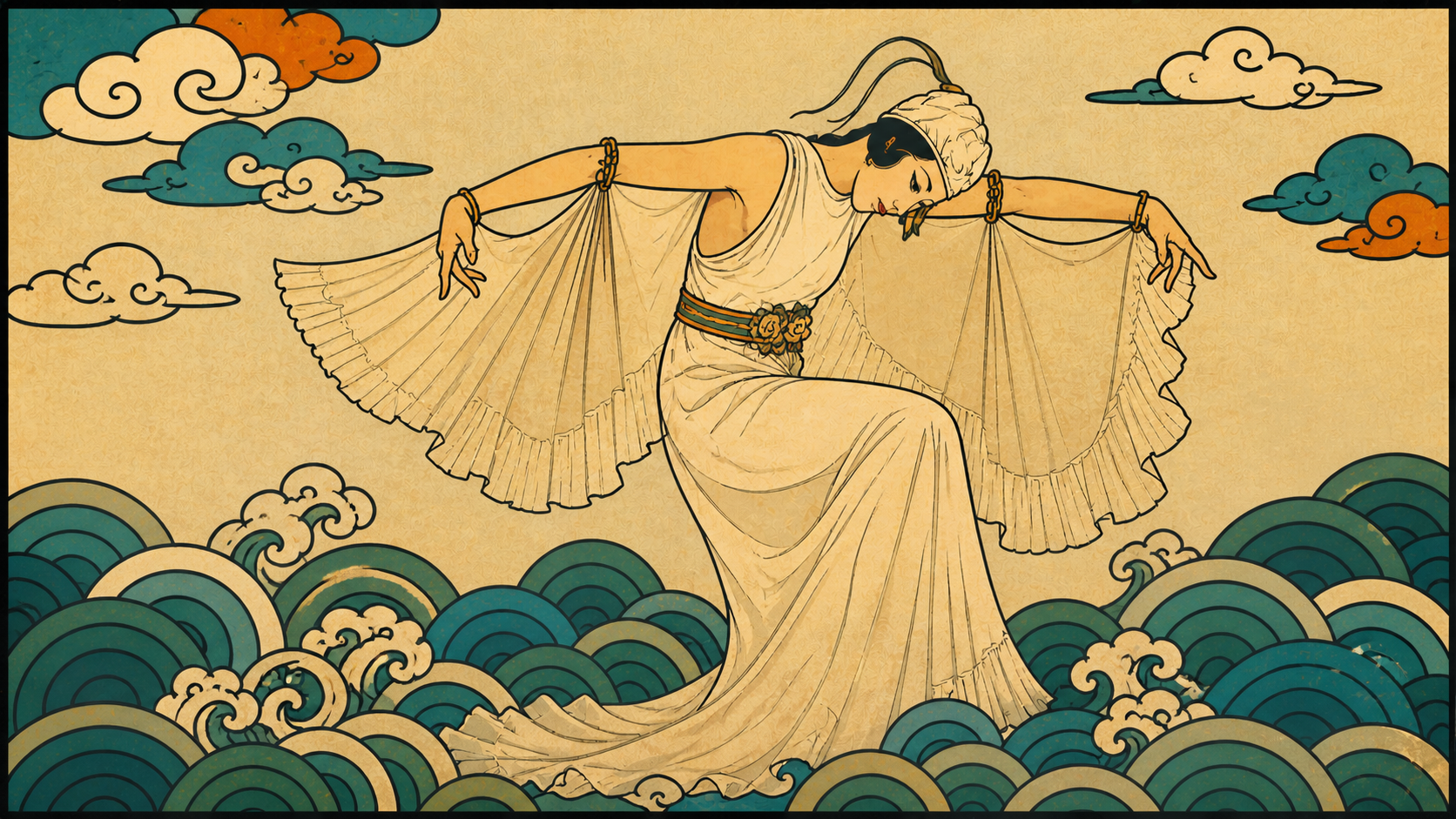
When Korea was unknown, Choi Seung-hee dance spoke to Paris and New York. Global stages. International acclaim. No shortcuts. Just artistry.
Yun Dong-ju’s Poetry survived Japanese occupation through quiet testimony, shaping Korean literature and echoing across generations worldwide.