Walking Alone in Korea — When Solitude Is Not Strange (Part 4)

Walking alone in Korea doesn’t require explanation. Here’s what solo walking in Seoul actually feels like — and why the city makes it easier than most.
 Kam Su Jin
Walking alone in Korea doesn’t require explanation. Here’s what solo walking in Seoul actually feels like — and why the city makes it easier than most.

Neighborhood walks Korea returns to aren’t about somewhere new. What happens when you walk the same route until the body knows it better than the mind.

The Han River walk Seoul offers isn’t a park or a trail. It’s 40km of shared space where cyclists, runners, and walkers move together without rules.
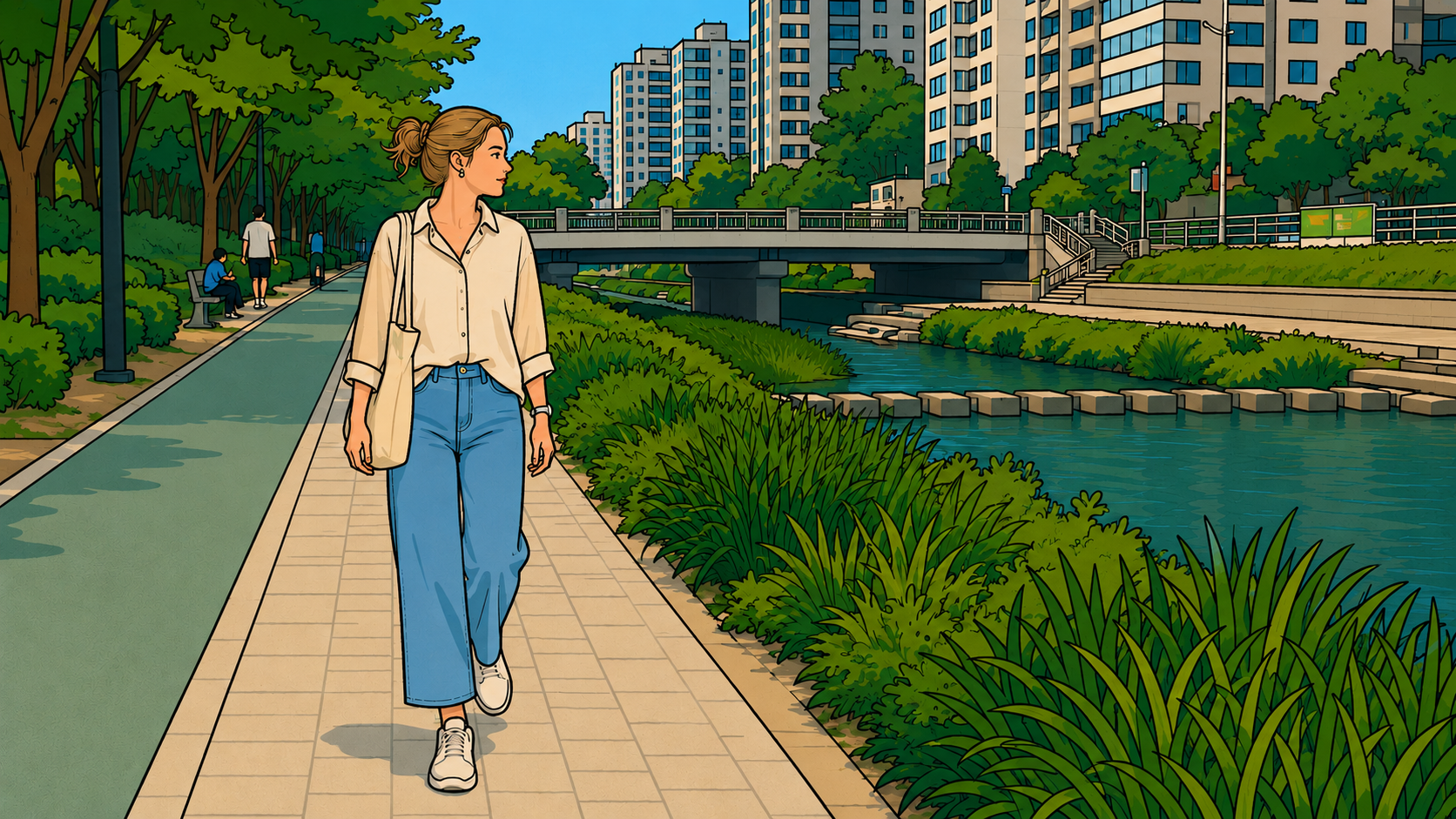
Korean walking culture isn’t exercise. It’s the pause at the end of the day. What happens when an entire neighborhood steps outside after dinner.
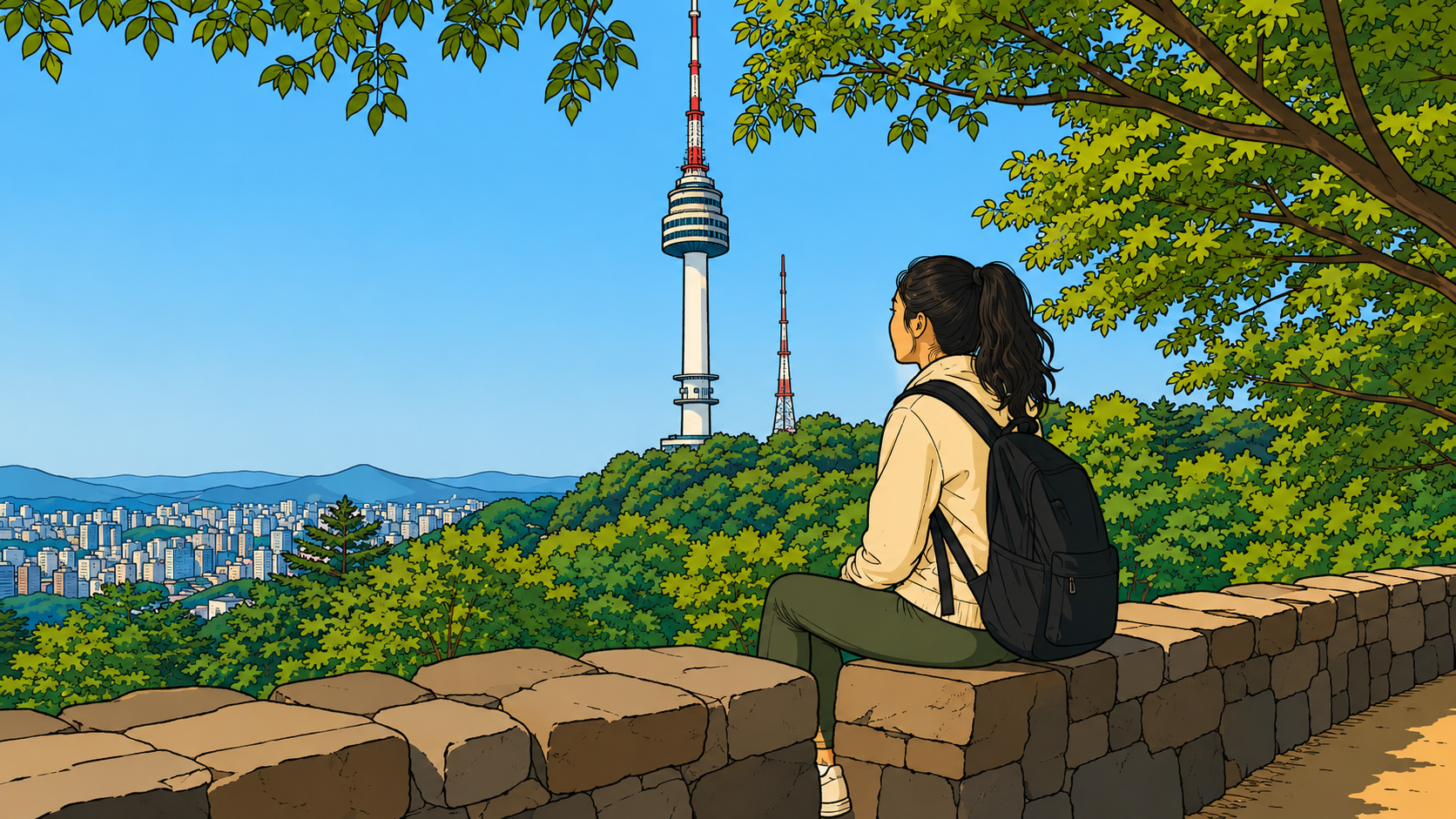
The Namsan Skyforest Trail took two years to design. Here’s what the architect decided — and why it still shows in every notch, hole, and zigzag.
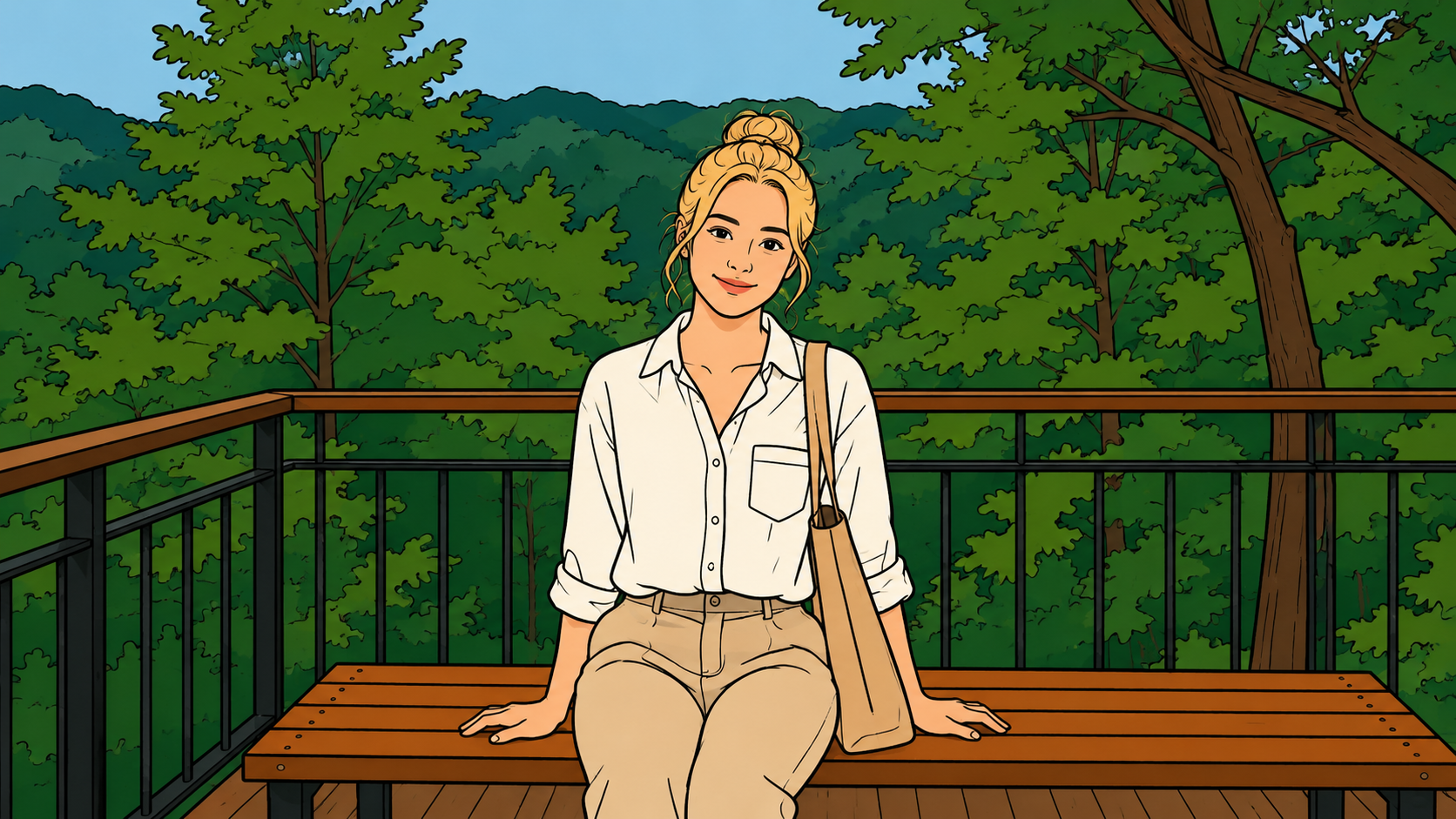
Eight stops, eight versions of Seoul. The Namsan viewpoint Seoul offers isn’t one angle — here’s what you actually see at each stop on the Skyforest Trail.

Namsan forest walk is a 2.2km elevated trail through the treetops. No stairs, no fee, fewer crowds. Walk above the forest and enjoy a quieter side of Seoul.
Emotional safety feels strange when your nervous system learned chaos as home. Learn why peace feels unsafe, and how stability slowly becomes trust.

Emotional exhaustion builds quietly. Learn why your body knows before your mind, and when staying becomes more destructive than leaving.

Timing and decisions aren’t separate. Discover why impossible choices become possible suddenly, and how your nervous system determines when you can decide.