Walking the Han River — Seoul’s Longest Shared Space (Part 2)

The Han River walk Seoul offers isn’t a park or a trail. It’s 40km of shared space where cyclists, runners, and walkers move together without rules.
The Han River walk Seoul offers isn’t a park or a trail. It’s 40km of shared space where cyclists, runners, and walkers move together without rules.
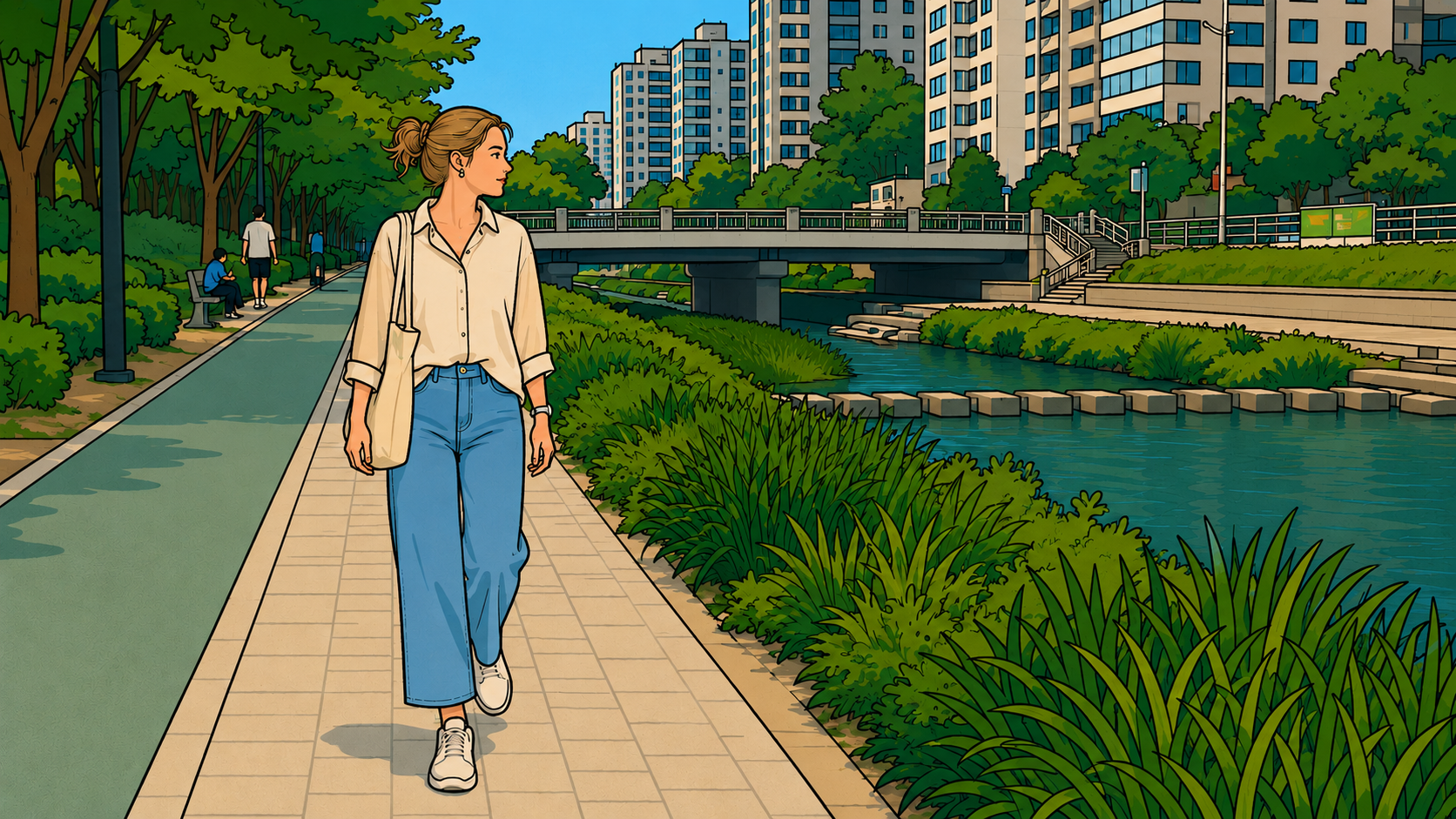
Walking in Korea after dinner isn’t exercise. Discover why evening walks are a daily ritual and what Korean neighborhoods feel like after dark.

Namsan Seoul has more than a tower. A forest deck trail winds through the trees without touching the ground — free, open 24 hours, and still overlooked.

Handwriting in Korea isn’t disappearing — it’s returning as a deliberate choice. Here’s what happens when people who type fast decide to slow down instead.

In Korean café notebook culture, the table becomes a desk and the crowd enables thinking. Here’s what the café makes possible that home cannot.

Korean study habits built around rewriting notes aren’t about perfectionism. They’re about the gap between writing something down and understanding it.
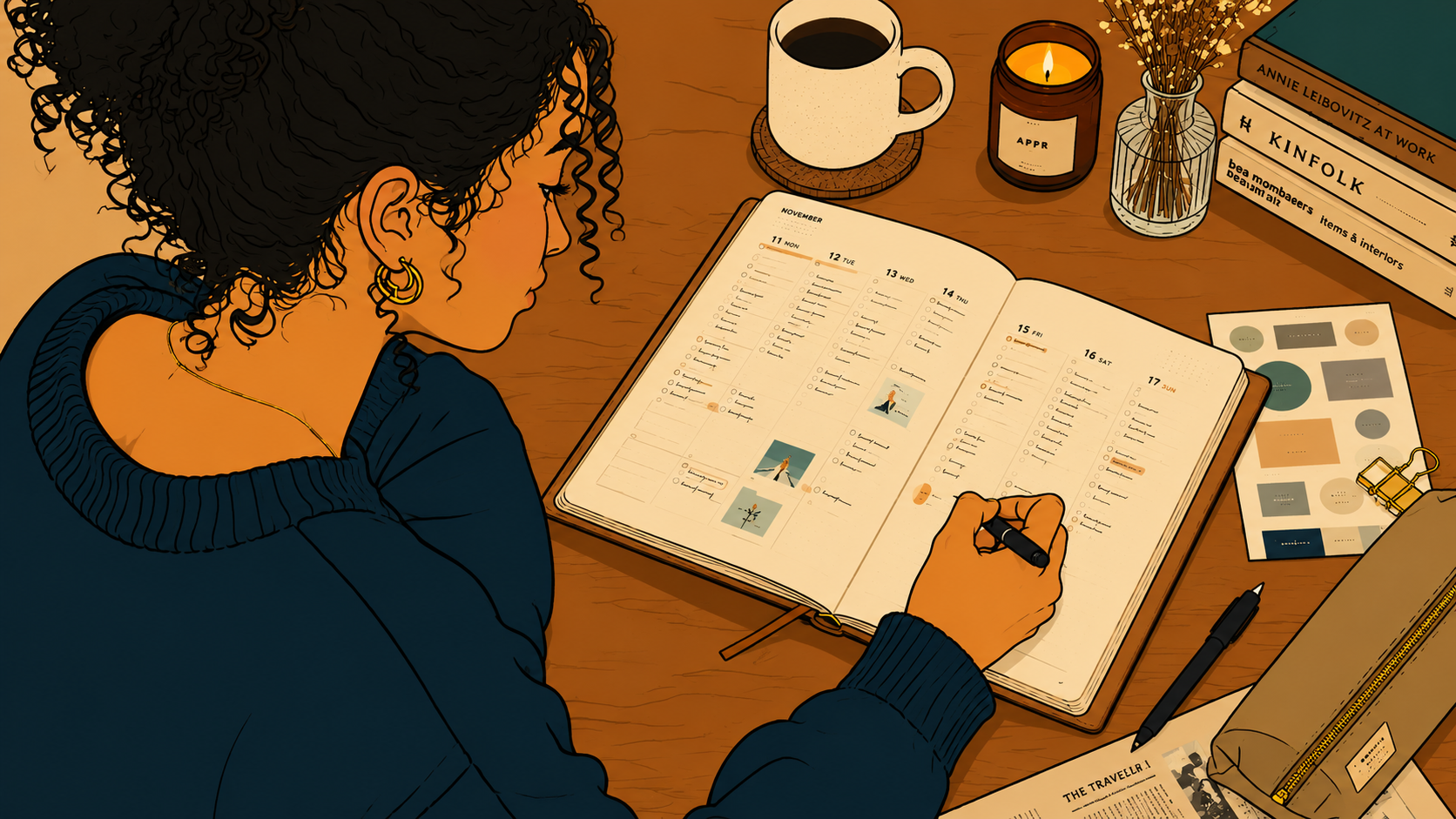
Korean planner culture starts in November, not January. A weekly spread and the ritual of writing the date show how time gets held on paper.
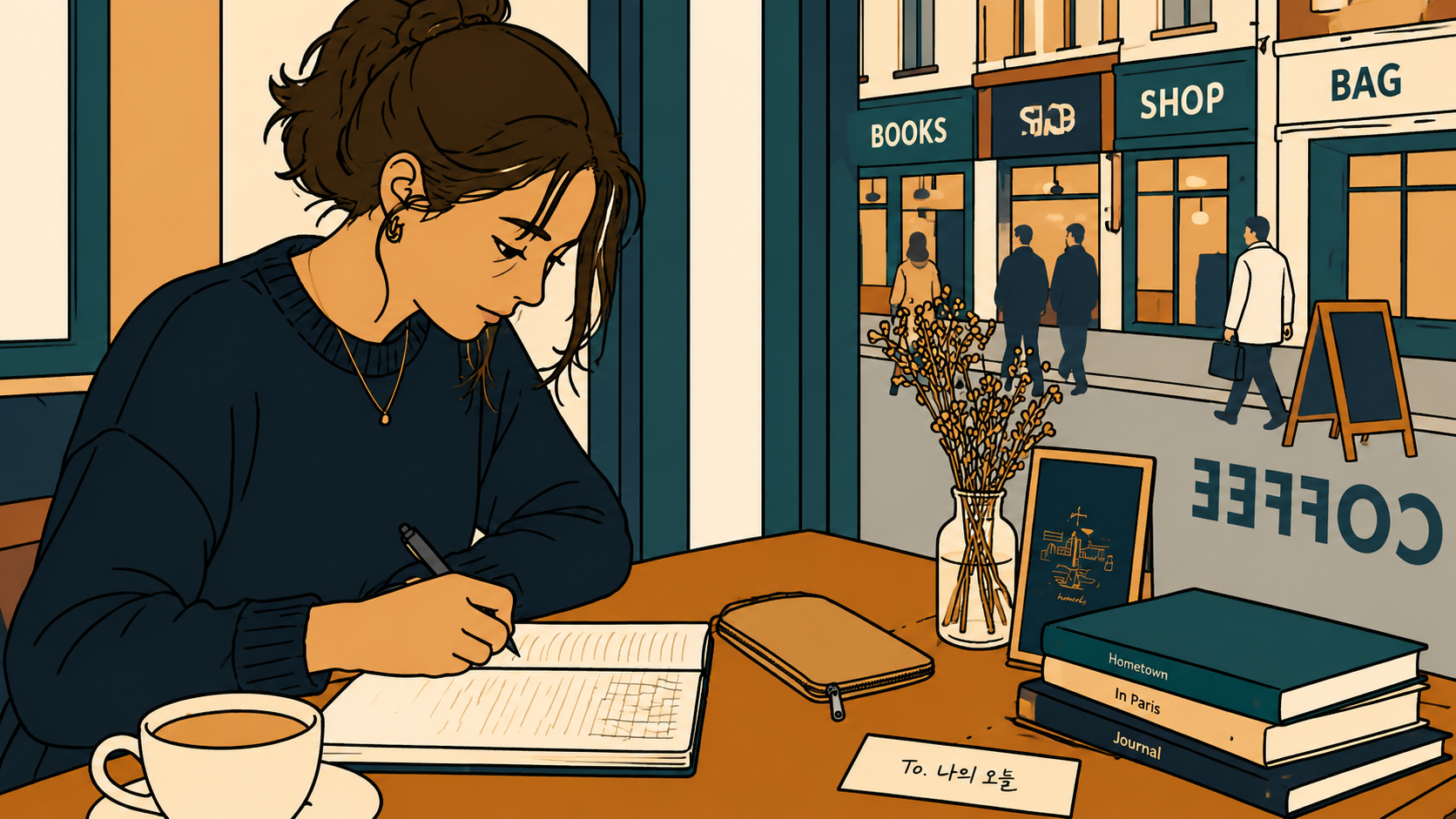
Korean journaling culture never stopped. It simply moved through cafés, stationery stores, and notebooks, keeping paper close in an increasingly digital life.
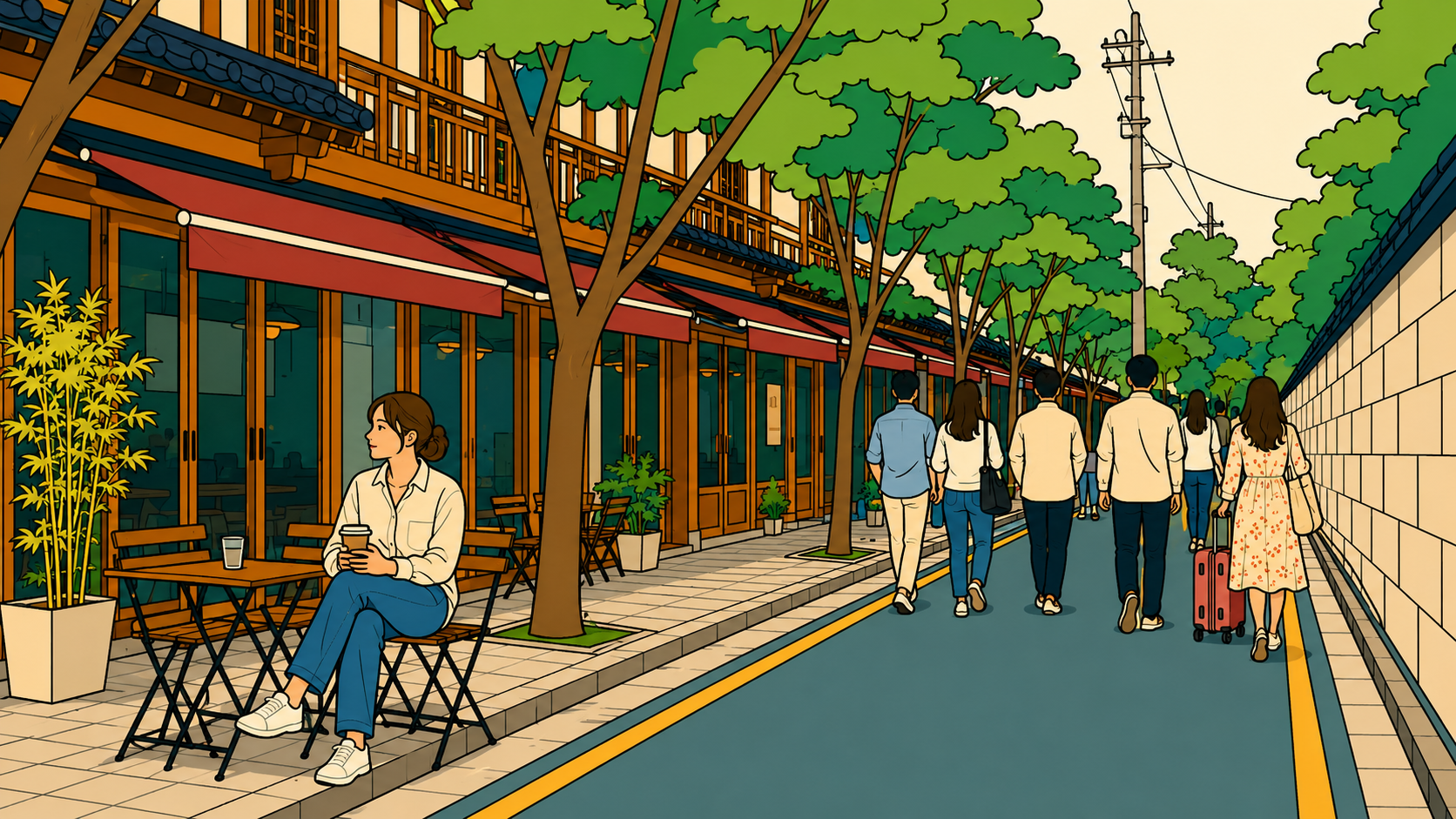
Seosulla gil runs beside a shrine wall that’s stood for 500 years. Low buildings, evening light, no crowds — what Ikseon-dong overflow accidentally created.
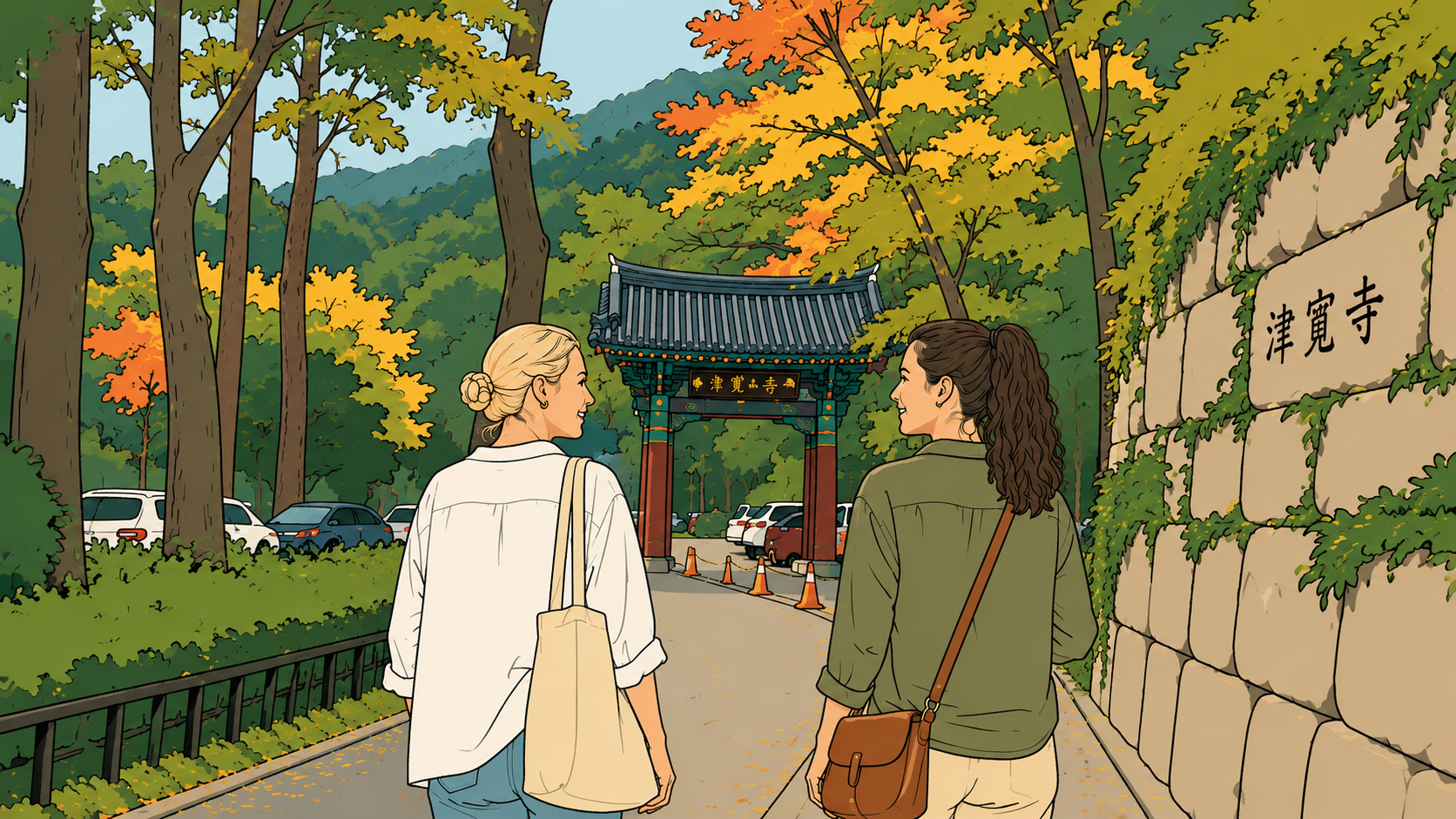
The apartment blocks were still visible from the bus stop. Fifteen minutes later, they were gone. What no one tells you about a temple stay Korea